
TL;DR

Get everyday helpers delivered free with Prime
- Fast, free delivery on millions of items
- Prime Video, Amazon Music and more included
- Member-only deals all year
Picking a talking clock or watch means considering your hearing needs, device type, and tech features. Modern options range from simple voice announcements to smart, customizable devices, enhancing daily independence.
If you rely on auditory cues to tell time, the last thing you want is a device that’s hard to hear or complicated to operate. Choosing the right talking clock or watch isn’t just about accessibility — it’s about reclaiming your independence every day. Whether you’re a senior, someone with visual impairments, or caring for a loved one, understanding what features matter makes all the difference.
In this guide, you’ll learn how to identify your needs, compare device types, and spot the latest tech trends. Get ready to find a talking clock or watch that fits your lifestyle and keeps you confidently in control of your day.
Prioritize clear, adjustable sound quality and simple controls for ease of use.
Compare device types based on mobility needs — stationary clocks vs. wearable watches.
Check for customizable voices, languages, and extra features that fit your lifestyle.
Select reliable brands with positive reviews to ensure durability and support.
Stay updated on smart tech trends like Bluetooth connectivity and AI speech for better experience.
Know Exactly What You Need Before Buying
The first step is clarifying what you want your talking device to do. Are you looking for a simple voice announcement of the time, or do you need extra features like alarms and date alerts? Think about where you’ll use it most — at home, on the go, or both.
For example, a busy senior might prioritize a device with loud, clear speech and easy buttons. Someone who’s always on the move might prefer a compact, wearable watch with Bluetooth connectivity. Matching your needs to device features saves you from paying for extras you’ll never use.
Understanding your primary use case helps determine which features are essential versus optional. For instance, if you often forget to set alarms, a device with simple, one-touch alarm setting will be more beneficial than one with numerous complex options. Conversely, if you need to keep track of multiple schedules, a device with customizable alerts and calendar integration could be worth the extra investment. Clarifying these priorities ensures you choose a device that truly enhances your daily routine and avoids unnecessary complexity or expense.
As an affiliate, we earn on qualifying purchases.
Compare Talking Clocks and Watches Side-by-Side
| Feature | Talking Clock | Talking Watch |
|---|---|---|
| Portability | Stationary, placed on a table or wall | Wearable on wrist, always with you |
| Best for | Home, office, bedside | On-the-go, active lifestyles |
| Sound Quality | Typically louder with larger speakers, which can be advantageous in noisy environments but may lack subtlety or clarity in some models | Smaller speakers may require volume adjustments; portability can sometimes compromise sound richness |
| Features | Time, date, alarms, timers, often with large display and simple controls | Time, alarms, fitness tracking, customizable alerts, and sometimes additional functions like step counting or heart rate monitoring |
| Power Source | Batteries or AC adapter, which can influence convenience and placement flexibility | Rechargeable or replaceable batteries, offering portability but requiring regular charging or battery replacement |
Use this table to weigh which device suits your lifestyle best. If you’re always on the move, a talking watch’s convenience outweighs the larger, louder clock for your nightstand. However, consider that smaller devices may have limitations in sound volume or clarity, especially in noisy settings. Conversely, stationary clocks tend to provide more robust audio but lack portability. Understanding these trade-offs helps you select a device that aligns with your daily routines and environment, ensuring consistent accessibility without compromise.
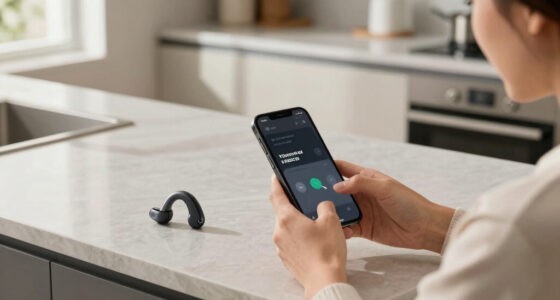
wearable talking watch with Bluetooth
As an affiliate, we earn on qualifying purchases.
As an affiliate, we earn on qualifying purchases.
Choose a Clear Voice and Easy Volume Control
The sound quality can make or break your experience. A talking device should deliver crisp, understandable speech without sounding robotic or muffled. Look for models with adjustable volume, so you can set it to be heard comfortably in various environments.
Why does this matter? Because in noisy settings like kitchens or outdoors, a clear, loud voice ensures you don’t miss important information. Conversely, in quiet spaces, a softer setting prevents the device from becoming intrusive. Easy volume control allows you to adapt quickly without navigating complex menus or settings, which is especially important if you have limited dexterity or hearing challenges. Prioritizing this feature ensures that the device remains a helpful tool rather than a source of frustration or confusion, ultimately supporting your independence and confidence.
As an affiliate, we earn on qualifying purchases.
Frequently Asked Questions
What features are most important for seniors or visually impaired users?
Clear, loud speech with adjustable volume, simple one-button operation, and large, tactile controls are key. Devices that announce both time and date help with daily routines and orientation.
Can I change the voice or language on a talking clock or watch?
Yes, many modern devices support multiple languages and voice options. You can usually select your preferred voice and switch languages easily through settings or menus.
Are talking clocks accurate enough for daily use?
Absolutely. Many synchronize with atomic clocks or internet time servers, ensuring near-perfect accuracy. This makes them reliable tools for everyday scheduling and reminders.
How simple is it to set up and operate these devices?
Most are designed with ease of use in mind. Basic models require just a few button presses, and instructions are straightforward. Many have voice prompts guiding you through setup.
What’s the typical price range for good quality talking clocks or watches?
Prices vary from around $20 for basic models to over $200 for advanced, feature-rich devices. Consider your needs first, then choose a device that offers the best value within your budget.
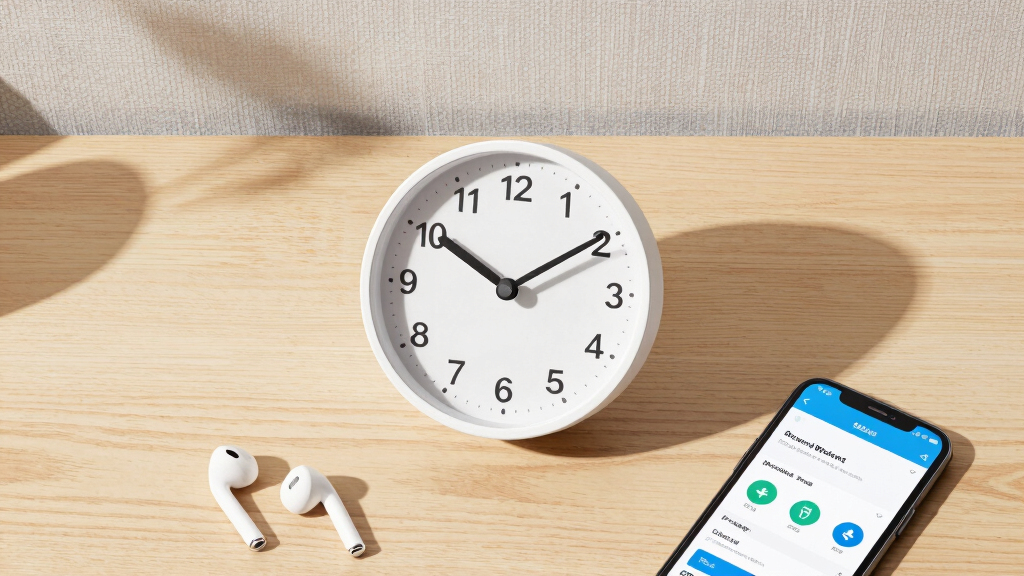
smart talking clock with customizable voice
As an affiliate, we earn on qualifying purchases.
As an affiliate, we earn on qualifying purchases.
Conclusion
The best talking clock or watch is the one that fits your life perfectly — it’s clear, simple to operate, and reliable. Your choice should empower you to stay independent and confident every day.
Remember, technology keeps evolving. Picking a device that adapts to your needs today means fewer upgrades tomorrow — and a lot more peace of mind.
Columbus Day / Indigenous Peoples' Day Picks
long weekend sales
As an affiliate, we earn on qualifying purchases.