
TL;DR

Get everyday helpers delivered free with Prime
- Fast, free delivery on millions of items
- Prime Video, Amazon Music and more included
- Member-only deals all year
Picking the right personal sound amplifier for TV involves balancing sound clarity, connection options, and comfort. Focus on features like Bluetooth, noise reduction, and fit to enhance your TV listening experience.
Prioritize sound clarity and noise reduction features for a better TV experience.
Choose connection methods—Bluetooth offers freedom, wired delivers zero lag.
Fit and comfort vary; try different tips and designs to find what stays secure and feels good.
Stay updated on tech advances like Bluetooth 5.0 and app controls for more reliable, customizable use.
Always verify safety standards and consider consulting an audiologist if hearing issues persist.
What makes a sound amplifier for TV truly clear and natural?
Sound clarity is the heart of a good personal amplifier. You want voices to sound natural, not tinny or muffled. Devices with noise reduction and feedback cancellation cut out background hum and squeals, so speech remains crisp. But why does this matter? Because background noise and feedback can distort speech, making it difficult to understand, especially in noisy environments. Advanced noise filtering allows the device to focus on speech frequencies, which enhances intelligibility. However, there’s often a tradeoff: excessive noise reduction can sometimes make audio sound less lively or slightly muffled if not well-tuned. The importance of this feature lies in balancing background suppression with natural sound reproduction. For example, a device with effective noise filtering can help you clearly hear dialogue over a bustling café or a noisy family gathering, but if overdone, it might remove some ambient sounds that provide context, making the audio feel unnatural. The key is to choose a model with adjustable settings, enabling you to fine-tune the balance based on your environment. This flexibility ensures you get clear speech without sacrificing the richness and naturalness of the overall sound, which is crucial for an immersive and comfortable listening experience.
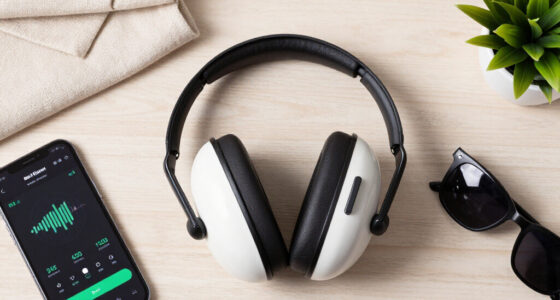
personal sound amplifier for TV with Bluetooth
As an affiliate, we earn on qualifying purchases.
As an affiliate, we earn on qualifying purchases.
How to connect your amplifier to your TV without headaches
Connecting your amplifier seamlessly can significantly enhance your viewing experience. A proper setup ensures minimal lag, reliable sound, and ease of use. Here’s a detailed approach:
- Check your TV’s outputs: Identify whether your TV has Bluetooth, optical (TOSLINK), auxiliary (3.5mm jack), or RCA outputs. Knowing your available ports helps you select the most compatible and effective connection method, avoiding unnecessary purchases or adapters that could introduce latency or degrade sound quality.
- Choose the right device: Bluetooth is popular for its convenience and wireless nature, but it can introduce slight delays. Optical connections often provide higher fidelity and lower latency, making them preferable for critical listening. Consider your environment—if you value simplicity and mobility, Bluetooth might suffice; if you prioritize sound quality, optical might be better.
- Follow pairing or connection instructions: For Bluetooth, enable pairing mode on the amplifier, navigate your TV’s Bluetooth menu, and select the device. For optical or auxiliary connections, connect the cables securely and select the correct input source on your TV. Sometimes, firmware updates or app configurations are required to optimize performance. These steps ensure a stable and high-quality connection, reducing frustration and improving sound synchronization.
- Test and adjust: Play a familiar show or movie and listen carefully. Adjust volume levels on both the TV and amplifier to achieve a balanced sound. Pay attention to lag or audio dropouts—these can detract from your viewing experience. If you notice delays, consider wired options or low-latency Bluetooth devices designed for real-time audio transmission. Ensuring proper setup and testing helps you enjoy clear, synchronized sound without the annoyance of constant fiddling, making your TV time more relaxing and immersive.
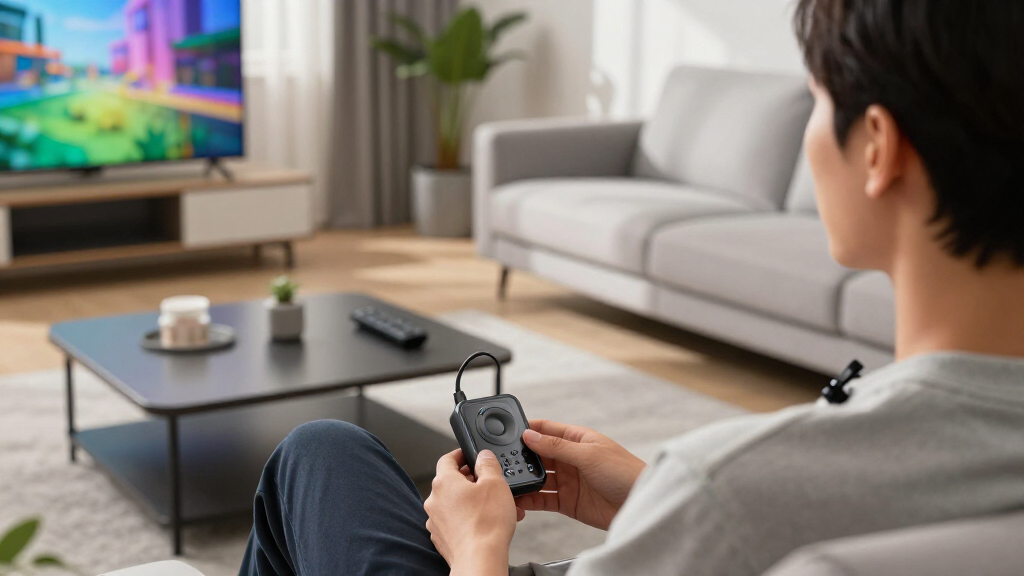
TV sound amplifier with noise reduction
As an affiliate, we earn on qualifying purchases.
As an affiliate, we earn on qualifying purchases.
Bluetooth vs. wired: Which connection suits you best?
| Feature | Bluetooth | Wired (Optical/Aux) |
|---|---|---|
| Ease of setup | Simpler, wireless pairing that typically takes just a few seconds, making it ideal for quick, hassle-free connections. This convenience is great if you want to avoid clutter or frequent reconnections. | Requires physically plugging in cables and selecting input sources. While this might seem more involved initially, wired connections tend to be more straightforward once set up, with fewer chances of interference or disconnection issues, leading to consistent performance over time. |
| Mobility | Great for moving around or if you want to use the amplifier in different rooms, as it doesn’t tether you to the TV. This flexibility can be especially useful if you like to watch from different spots in your home or need to carry the amplifier elsewhere. | Stationary, limited movement; you need to stay close to the TV or device with cables running between them. While less flexible, wired connections often provide more reliable and higher-quality audio, which can be critical for audiophiles or those sensitive to lag. |
| Sound quality | Excellent with the latest Bluetooth tech, especially with aptX or AAC codecs, which minimize compression and maintain fidelity. However, older Bluetooth versions may introduce noticeable compression, reducing sound richness. | Potentially higher fidelity and less compression, especially with optical connections that transmit raw audio signals. This makes wired options preferable for critical listening, ensuring the clearest, most natural sound possible, which is especially important for music or nuanced audio content. |
| Latency | Possible slight delay, but modern versions with low-latency codecs can reduce this to imperceptible levels. This is crucial for lip-sync accuracy during live TV or movies, where even small delays can disrupt immersion. | Almost zero delay, making it ideal for live TV or situations where perfect synchronization between audio and video is essential. Wired connections eliminate lag concerns altogether, providing a seamless experience. |
As an affiliate, we earn on qualifying purchases.
Frequently Asked Questions
Can a personal sound amplifier replace hearing aids?
Most likely not. Amplifiers are designed for mild hearing difficulties and lack the advanced processing of hearing aids. For significant hearing loss, consulting an audiologist remains the best step.How do I connect my amplifier to my TV?
Connection options include Bluetooth pairing, auxiliary cables, or optical audio outputs. Check your TV’s ports and your device’s compatibility for a smooth setup.Are personal sound amplifiers safe to use?
Yes, especially if they’re FDA-registered or approved. Avoid unverified devices, and always follow manufacturer instructions. If hearing issues worsen, seek professional advice.What’s the typical cost for a good amplifier?
Basic models start around $50, while feature-rich devices with Bluetooth and noise reduction range from $150 to $300. Premium options can go beyond $500.How do I ensure the device stays comfortable during long use?
Choose adjustable, lightweight models with different ear tips. Trying multiple sizes helps find a snug, comfortable fit that won’t slip during extended viewing.TV sound amplifier with adjustable settings
As an affiliate, we earn on qualifying purchases.
As an affiliate, we earn on qualifying purchases.
Conclusion
A well-chosen personal sound amplifier can make TV watching more vivid and less frustrating. Focus on sound quality, comfort, and connection options to find your perfect match. Remember, a device isn’t just tech — it’s your ticket to clearer, more engaging viewing every night.Columbus Day / Indigenous Peoples' Day Picks
long weekend sales
As an affiliate, we earn on qualifying purchases.