
TL;DR

Get everyday helpers delivered free with Prime
- Fast, free delivery on millions of items
- Prime Video, Amazon Music and more included
- Member-only deals all year
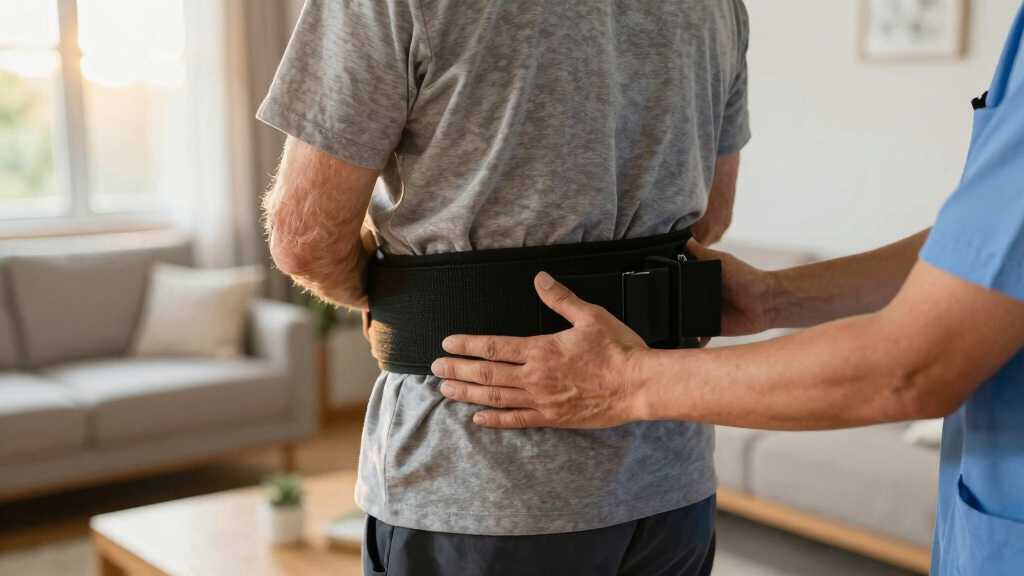
Proper transfer techniques reduce injury risks for caregivers and patients. Using assistive devices, maintaining good body mechanics, and clear communication are essential for safe, dignified transfers.
Imagine helping someone stand or sit. It’s a routine task, but one misstep can lead to injuries for both of you. Every year, thousands of caregivers suffer back strains or falls because of improper transfer methods. Yet, with the right techniques, tools, and mindset, you can make these moments safer and more comfortable. This guide walks you through proven strategies to safeguard your body and your patient’s dignity.
Whether you’re a professional caregiver or supporting a loved one at home, understanding the essentials of safe transfer techniques can turn a risky task into a confident routine. Ready to learn what works? Let’s dive into the practical steps that make a difference.
Always assess the patient’s mobility and environment before starting a transfer.
Use assistive devices like gait belts and transfer boards to reduce strain and increase safety.
Follow proper body mechanics: keep your back straight, bend your knees, and lift with your legs.
Communicate clearly with the patient throughout the process to build trust and cooperation.
Regular training on transfer techniques and new tools keeps caregivers safe and confident.
Safe Transfer Techniques for Caregivers
A routine move from bed to chair can become dangerous in seconds. Assessment, assistive equipment, sound body mechanics and calm communication transform that risky moment into a controlled, dignified routine.
Assess before you assist
The safest transfer begins before physical contact. Match the method to the person, the environment and the help available. If the situation exceeds your ability or training, pause and get assistance.
Mobility & condition
Check weight-bearing ability, balance, strength, pain, alertness and conditions such as osteoporosis, spinal injury or post-surgical restrictions.
Space & surfaces
Remove clutter, lock wheels, secure rugs, dry wet areas, improve lighting and position the destination as close as practical.
Support & equipment
Decide whether minimal assistance, a gait belt, transfer board, slide sheet, second caregiver or mechanical lift is required.
New pain, dizziness, knee buckling, fear, confusion or unexpected weakness are signals to pause, stabilize the person and reassess.
Seven steps to a smooth transfer
Move slowly, announce every action and use a consistent sequence. Predictability improves cooperation and reduces sudden movements for both caregiver and patient.
Explain
Describe the destination and each action in simple, calm language.
Position
Stand close with feet apart, back straight and knees softly bent.
Secure
Lock wheels, adjust surfaces and correctly fit the chosen transfer aid.
Coordinate
Agree on a count and tell the person exactly when movement will begin.
Rise
Shift weight through the legs and assist with a slow, controlled motion.
Pivot
Take small steps. Move the feet instead of twisting through the waist.
Lower
Back up to the surface, confirm contact and lower gently with control.
Close. Straight. Stable. Bend the knees. Move the feet. Use the legs.
Choose support that fits the need
The right device reduces friction, supports balance and limits caregiver strain. Selection depends on weight-bearing ability, skin condition, fall risk, available space and caregiver training.
| Transfer tool | Best suited for | Ease | Cost | Weight bearing | Training need |
|---|---|---|---|---|---|
| Gait belt Balance and guided movement | Assisted standing and walking | ✓ Some ability | ~ Basic | ||
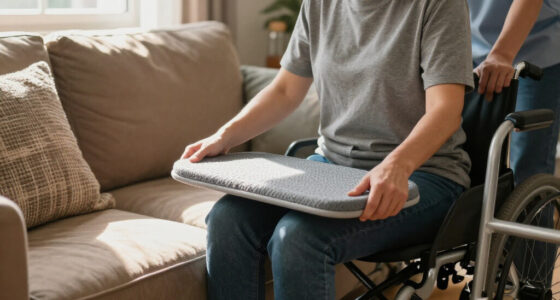
| Transfer board Bridges two stable surfaces | Bed-to-wheelchair lateral moves | ~ Limited | ~ Practice | ||
| Patient lift Powered or hydraulic support | Heavy, frail or high-risk patients | ✗ Not required | ✓ Formal | ||
| Slide sheet Reduces surface friction | Repositioning and lateral transfers | ✗ Not required | ~ Practice |
Build safety into the room
Many transfer incidents begin with preventable environmental hazards. A 30-second room check can remove the conditions that turn an ordinary movement into a fall.
Clear the route
Remove cords, clutter, footrests and loose objects.
Lock moving equipment
Secure bed, wheelchair and commode brakes.
Light the space
Eliminate dim zones and distracting glare.
Control slipping
Dry floors and use secure non-slip surfaces.
Set the destination
Position the chair close and at a helpful angle.
Call for help early
Do not begin a two-person task alone.
Training turns knowledge into muscle memory
Hands-on drills, simulation exercises and regular equipment refreshers help caregivers respond correctly under pressure. Newer developments include lighter ergonomic aids, powered lifts, adjustable-height furniture, sensor-supported systems and virtual-reality practice modules.
The safety chain
Each link reinforces the next. Skipping one weakens control, comfort and confidence throughout the transfer.
Assess first, communicate throughout, use the correct device and move from a stable stance with the patient close. Safety and dignity are part of the same technique.
How to Assess the Situation Before Moving Someone
Before you lift or shift, you must evaluate the scene and the person. This quick assessment can prevent accidents and injuries. Check the patient’s weight, mobility level, and medical conditions. For example, a person with osteoporosis needs extra care to avoid fractures, while someone with a spinal injury may require specialized support.
Look around—are there obstacles, slippery spots, or clutter? Is the lighting adequate? Clear the area to ensure a safe environment. Communicate with the patient—ask about their comfort, pain, or fears. This step sets the foundation for a transfer that’s safer and less stressful for everyone involved.
Understanding the patient’s specific condition is crucial because it influences the choice of transfer method and assistive devices. For instance, a patient with limited strength might need more support or a mechanical lift, whereas someone with good balance might only require minimal assistance. This assessment helps you balance safety, dignity, and efficiency, preventing potential injuries or discomfort.
As an affiliate, we earn on qualifying purchases.
7 Steps to Perform a Safe and Smooth Transfer
- Explain the process clearly to the patient. Use simple words and calm tones to build trust. When patients understand what to expect, they’re more likely to cooperate, reducing sudden movements that can cause injury.
- Position yourself correctly. Stand with feet shoulder-width apart, close to the patient, with your back straight and knees slightly bent. Proper stance ensures stability and reduces strain on your back, which is vital because improper positioning can lead to chronic injuries over time.
- Secure assistive devices. Attach gait belts or prepare transfer boards if needed. Using these tools correctly distributes force and provides better control, decreasing the risk of slips or falls during the transfer.
- Communicate each move. Tell the patient what you’re about to do—”I’m going to help you stand now.” Clear communication minimizes fear and confusion, which can lead to uncooperative movements or sudden shifts, increasing injury risk.
- Use proper body mechanics. Keep your back straight, bend at your hips and knees, and lift with your legs, not your back. This technique is essential because it directly impacts your risk of musculoskeletal injuries, especially in repetitive tasks.
- Assist the patient to stand. Hold the gait belt or transfer aid firmly, and help them rise slowly. Gentle, controlled movements prevent sudden strains or falls that can occur if the patient or caregiver is rushed.
- Guide to the new position. Move smoothly, supporting the patient’s balance, and lower them gently into the chair or bed. Proper control during placement preserves the patient’s dignity and prevents discomfort or injury.
Practice these steps consistently. For instance, during a transfer from bed to wheelchair, following this sequence reduces strain and boosts confidence. Over time, this routine becomes second nature, making transfers safer and more efficient for both caregiver and patient.
As an affiliate, we earn on qualifying purchases.
Compare Common Transfer Tools — Which One Fits Your Needs?
| Tool | Best For | Ease of Use | Cost |
|---|---|---|---|
| Gait Belt | Assisted standing and walking | High | Low |
| Transfer Board | Moving between bed and wheelchair | Moderate | Moderate |
| Patient Lift | Heavy patients, high risk of injury | Low (requires training) | High |
| Slide Sheet | Reducing friction during transfers | Moderate | Moderate |
Choosing the right device depends on the patient’s needs and your environment. For example, a gait belt is simple and affordable for most situations, but it may not be suitable for patients with fragile skin or high fall risk. Conversely, a patient lift provides maximum safety for very heavy or frail individuals but requires proper training and space. Understanding the tradeoffs helps you select the most effective tool that balances safety, ease, and cost, ensuring the transfer process aligns with both patient needs and caregiver capacity.
patient transfer assistive devices
As an affiliate, we earn on qualifying purchases.
As an affiliate, we earn on qualifying purchases.
How to Protect Your Body During Transfers
Protecting your back and joints is non-negotiable. Proper body mechanics are your best defense. Keep your back straight, shoulders aligned, and engage your core muscles. Avoid twisting or bending at the waist when lifting or pivoting. These actions are critical because improper technique can cause acute injuries or contribute to long-term musculoskeletal problems, especially with repetitive transfers.
For example, when helping someone sit in a chair, keep close, bend your knees, and use your leg muscles to lift. Don’t reach or stretch too far—keep the patient close to your center of gravity. Using assistive devices reduces strain and helps maintain proper posture. Remember, each time you transfer without proper technique, you risk injury—so stay mindful. Developing good habits now prevents chronic pain and enhances your overall safety, enabling you to care longer and more effectively.
As an affiliate, we earn on qualifying purchases.
Why Regular Training Keeps You Safer and Smarter
Ongoing training isn’t just a checkbox; it’s a lifeline. New tools, updated protocols, and fresh techniques emerge regularly. Hands-on practice with simulated scenarios boosts your confidence and muscle memory. Without continuous learning, even experienced caregivers risk complacency, which can lead to mistakes or injuries.
For instance, participating in a quarterly workshop on transfer safety helps caregivers stay current with the latest equipment and best practices. This ongoing education can significantly reduce injury rates—studies suggest up to 40%—by reinforcing proper techniques and introducing new safety innovations. Regular training ensures you’re prepared for different situations, making your caregiving more effective and safer for everyone involved.
Environmental Checks That Make Transfers Safer
A cluttered, slippery, or poorly lit space turns a simple transfer into a hazard. Before starting, clear obstacles, secure rugs, and ensure good lighting. Non-slip mats can prevent slips during transfers from bed to wheelchair. These environmental modifications are vital because most accidents happen due to preventable hazards that caregivers might overlook in the moment.
Imagine helping a loved one from bed to chair in a dimly lit room — a quick switch to brighter lights and removing loose cords can prevent a fall. Small environmental tweaks, such as securing cords and using non-slip mats, significantly reduce the risk of slips and falls. These simple precautions create a safer environment, giving both caregiver and patient confidence that the space supports safe movement, especially in urgent or hurried situations.
Frequently Asked Questions
What are the most important steps for a safe transfer?
Assess the patient’s mobility and environment, communicate clearly, use proper body mechanics, and employ assistive devices when needed. Following these steps reduces risks for both caregiver and patient.What equipment should I always have on hand?
Key tools include gait belts, transfer boards, slide sheets, and a sturdy wheelchair. Having the right equipment ready ensures smoother, safer transfers.How can I prevent back injuries while transferring?
Use proper body mechanics—keep your back straight, bend your knees, and lift with your legs. Avoid twisting, and seek help or assistive devices when lifting heavy or awkward loads.Is ongoing training really necessary?
Yes. Regular training keeps your skills sharp, introduces new techniques and equipment, and significantly reduces injury risks. Even experienced caregivers benefit from refreshers.What should I do if the patient is scared or uncooperative?
Use calm, reassuring communication. Explain each step, involve them in the process, and build trust. Patience and empathy make transfers safer and more comfortable.Conclusion
Mastering safe transfer techniques is about more than just avoiding injuries—it’s about respecting your own well-being and your patient’s dignity. With proper assessment, tools, and communication, you turn a potentially risky task into a seamless routine.
Remember, a confident caregiver makes for a safer, more comfortable experience for everyone involved. Keep learning, practicing, and advocating for safety—your strength and compassion make all the difference.
Fall Picks
fall essentials
As an affiliate, we earn on qualifying purchases.