TL;DR

Get everyday helpers delivered free with Prime
- Fast, free delivery on millions of items
- Prime Video, Amazon Music and more included
- Member-only deals all year
Caregivers face high risk of back injuries during transfers. Using correct body mechanics, assistive devices, and ongoing training can cut injury risk by up to 70%.
Imagine lifting a person weighing 150 pounds without straining your back. It sounds impossible, right? Yet, many caregivers risk injury during transfers simply because they don’t follow safe practices or use the right tools.
This guide offers practical, straightforward advice to protect your back. Whether you’re helping a loved one or working professionally, these tips will make a real difference in reducing injury risk and increasing safety for everyone involved.
Using proper body mechanics—keeping your back straight, bending at hips and knees—can cut your injury risk in half.
Assistive devices like mechanical lifts and slide sheets are essential tools that greatly reduce back strain.
Encouraging patient cooperation makes transfers safer and easier, protecting your back from unnecessary stress.
Regular training and ergonomic adjustments keep you safe and improve transfer efficiency.
Emerging tech, including wearable sensors and smarter lifts, are making caregiving safer and less physically demanding.
How Proper Body Mechanics Save Your Back During Transfers
Proper body mechanics are the foundation of safe lifting. Think of your body as a well-balanced machine—keeping your spine neutral, engaging your legs, and keeping loads close to your body.
For example, when helping someone stand, stand close, bend your hips and knees, and use your leg muscles to lift. Avoid twisting your waist, which puts unnecessary stress on your spine. A caregiver who keeps the load near their center of gravity can reduce back strain by up to 50%.
Imagine helping an elderly parent from a chair. Instead of leaning forward at the waist, you squat, lock your core, and lift with your legs. The difference in effort and safety is night and day.
Why does this matter? Because improper mechanics not only increase immediate injury risk but can lead to chronic back problems over time. Learning and consistently applying these techniques ensures you protect your back in the long run, maintaining your ability to provide care without pain or injury. It’s a tradeoff—initial effort in practicing good form pays off with sustained health and fewer sick days.
As an affiliate, we earn on qualifying purchases.
Top Assistive Devices That Reduce Back Strain During Transfers
Assistive devices are game-changers for safe transfers. They lighten your load and help maintain proper ergonomics. Here’s what works best:
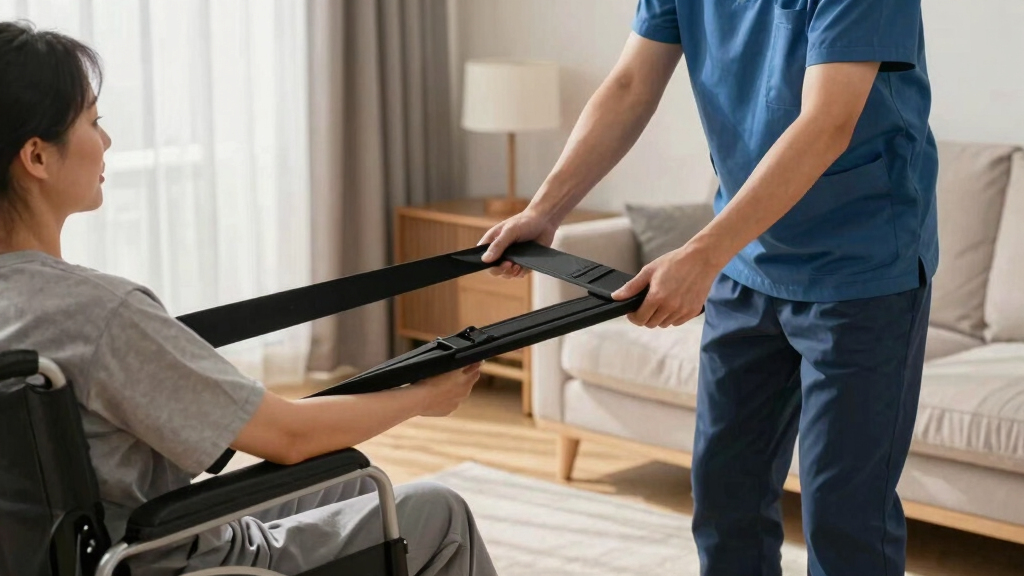
- Transfer belts: Provide a secure grip and stability, making standing and pivoting easier. They help you control the movement, reducing sudden pulls that can strain your back.
- Slide sheets: Reduce friction and allow smooth transfers across beds and chairs. This minimizes awkward pulling and twisting, which are common causes of back injuries.
- Gait belts: Similar to transfer belts, great for controlled movement, especially when the patient needs to lean or shift weight.
- Mechanical lifts: For high-weight or high-risk patients, these lifts cut physical effort by around 70%. They are especially crucial when manual lifting could compromise your safety or the patient’s dignity.
For example, switching from manual lifting to a mechanical lift for a 200-pound resident drastically lowers your risk of back injury. However, choosing the right device depends on the patient’s size, mobility level, and the environment. Proper training in device use is essential to maximize safety and effectiveness, ensuring you understand when and how to use each tool correctly, which ultimately impacts your injury risk and the quality of care provided.
As an affiliate, we earn on qualifying purchases.
Why Caregiver Cooperation Makes Transfers Safer and Easier
Successful transfers depend on the person’s cooperation. When a patient actively participates—by following instructions, helping shift their weight, or holding onto support—your effort decreases, and safety increases.
Encouraging cooperation isn’t just about politeness; it’s a strategic safety measure. For example, instructing a resident to lean forward slightly or grasp a grab bar activates their core muscles and stabilizes their body. This shared effort distributes the load more evenly, reducing the strain on your back. Clear communication and reassurance help patients understand what’s expected, making them more likely to cooperate and reducing sudden, unpredictable movements that can cause injury.
Imagine trying to lift someone who resists or refuses to participate—your back bears the entire load, increasing injury risk. When everyone moves together, coordinated by communication, it’s like a well-rehearsed dance. This teamwork not only makes the transfer smoother but also preserves your physical health over time, preventing cumulative injuries that could sideline you from caregiving duties.
Why does this matter? Because fostering patient cooperation is a proactive way to manage physical demands, improve safety, and build trust—key elements for effective caregiving.
As an affiliate, we earn on qualifying purchases.
Step-by-Step: How to Prepare for a Safe Transfer
- Assess the situation: Check weight, mobility, and environment. Is the bed at the right height? Is the path clear? Recognizing potential hazards upfront helps prevent last-minute surprises that can lead to hurried, unsafe lifts.
- Gather your tools: Get assistive devices, shoes with good grip, and a clear space. Preparing your environment reduces the need for awkward adjustments mid-transfer, which can compromise your safety.
- Explain and prepare the patient: Describe what will happen, and encourage participation. Patients who understand and consent are more likely to cooperate, making the transfer safer for both sides.
- Position yourself correctly: Stand close, feet shoulder-width apart, and keep a straight back. Proper stance distributes your weight evenly, giving you better control and reducing fatigue.
- Use proper technique: Engage your core, bend your hips and knees, and lift with your legs. This minimizes strain on your back and maximizes lifting power.
- Execute the transfer smoothly: Move slowly, keep the load close, and avoid twisting. Rushing increases the risk of slips or sudden pulls that can cause injury.
- Finish and adjust: Ensure the patient is secure, and adjust your position if needed. Double-checking safety at this stage prevents accidents and back strains afterward.
For example, a caregiver following these steps for a resident with limited mobility can prevent strain and make the process safer for both parties. Each step emphasizes planning and control, which are crucial for injury prevention and efficient transfers.
ergonomic patient transfer devices
As an affiliate, we earn on qualifying purchases.
As an affiliate, we earn on qualifying purchases.
How to Use Assistive Devices Correctly and Safely
Assistive devices aren’t magic—they need proper use to actually prevent back injuries. Always read instructions, get trained, and check equipment regularly.
For example, when using a slide sheet, position it correctly under the resident, keep it taut, and move slowly. This reduces friction and prevents sudden jerks that could strain your back. When operating a mechanical lift, ensure straps are secure and hooks are properly attached before lifting. Lift smoothly and avoid jerking motions, which can destabilize the device and cause injury.
Imagine trying to lift with a slip-prone device—risk of injury skyrockets. Proper technique turns these tools into your best safety allies. Regularly inspecting equipment for wear and tear prevents unexpected failures, which could lead to accidents or injuries. Training on proper use ensures you’re confident and competent, turning potentially risky situations into safe, controlled transfers.
Latest Innovations Making Transfers Safer and Easier
New tech is transforming caregiving. Ergonomic lifts are lighter, smarter, and easier to operate, reducing physical strain and increasing safety. Virtual reality training modules allow caregivers to practice techniques in a risk-free environment, improving skill retention and confidence.
Wearable sensors are a breakthrough—monitoring posture and movement in real-time, they give instant feedback to correct poor habits before injury occurs. For example, a sensor-based vest can alert a caregiver when they’re twisting or leaning improperly, prompting immediate correction. Recent research demonstrates that integrating these technologies reduces injury rates and enhances caregiver well-being, ultimately leading to better patient outcomes and lower healthcare costs.
Adopting these innovations means caregivers can perform transfers more efficiently and with less physical effort, which is crucial for long-term sustainability in demanding care environments.
Preventing Back Injury: The Best Practices You Can Start Today
Prevention begins with awareness and consistency. Regularly review your technique, use the right tools, and keep your environment clutter-free. Small changes add up and can significantly reduce injury risk over time.
For example, always check that furniture is at correct height and pathways are clear before starting a transfer. Incorporate stretching routines to strengthen your back, like gentle twists and back extensions, into your daily routine. These exercises improve flexibility and resilience, making your back less susceptible to strain during lifts.
Imagine a caregiver who takes five minutes to warm up, stretch, and prepare—she’s less tired, less injured, and more confident in every transfer. Consistent small efforts build a safer, healthier caregiving environment, ultimately benefiting both caregiver and patient.
Frequently Asked Questions
What are the best techniques for safe patient transfers?
Focus on keeping your back neutral, bending at the hips and knees, and lifting with your leg muscles. Communicate clearly with the patient and use assistive devices whenever possible. Practice regularly to build muscle memory and confidence.
How can I prevent back injuries when assisting with transfers?
Always assess the situation first, use proper body mechanics, and employ assistive devices suited to the task. Take breaks, stretch regularly, and avoid twisting or reaching too far. Training and awareness are key to injury prevention.
What assistive devices are most effective, and how do I use them properly?
Mechanical lifts, slide sheets, and gait belts are highly effective. Always read instructions, ensure proper fit, and receive hands-on training. Regularly check equipment for wear and tear to ensure safety during each transfer.
How often should caregivers be trained on transfer techniques?
At least once a year, or whenever new equipment or procedures are introduced. Frequent refreshers keep skills sharp and reinforce best practices for injury prevention.
Are there specific exercises to strengthen my back?
Yes. Gentle stretches, back extensions, and core strengthening routines improve resilience. Consult a healthcare professional for personalized exercises suited to your needs.
Conclusion
Protect your back by combining good habits, smart tools, and ongoing learning. Simple steps—like using a lift or leaning into your legs—can save you from pain and injury.
Every transfer is an opportunity to practice safe, dignified care. Your back will thank you, and so will the person you’re helping.
Fall Picks
fall essentials
As an affiliate, we earn on qualifying purchases.