TL;DR

Get everyday helpers delivered free with Prime
- Fast, free delivery on millions of items
- Prime Video, Amazon Music and more included
- Member-only deals all year
Creating a safer home for caregiving involves identifying hazards, making accessible modifications, and using technology. Simple changes can cut fall risks by up to 50% and boost confidence for both caregivers and loved ones.
Imagine walking into a home where every step feels steady, every corner speaks safety, and independence isn’t a gamble. That’s what a thoughtfully set-up home offers for caregiving. It’s not about massive renovations but small, strategic changes that create a fortress of safety and dignity. Whether caring for an elderly parent or a loved one recovering from surgery, your environment shapes their well-being. This guide walks you through practical steps to transform your space into a haven of safety and support.
From spotting hazards to integrating smart tech, every action counts. Ready to turn your home into a safe zone that promotes confidence and reduces accidents? Let’s dive into the key aspects that make caregiving safer, easier, and more empowering.
Perform a thorough safety assessment to identify hazards like loose rugs and poor lighting.
Simple modifications—grab bars, non-slip mats, and better lighting—can drastically reduce fall risks.
Widen doorways, add ramps, and use lever handles to improve home accessibility for mobility challenges.
Leverage smart sensors and devices to monitor safety without constant supervision.
Utilize community resources and grants to fund home safety improvements and modifications.
How to Set Up a Home for Safer Caregiving
A thoughtful home does more than prevent accidents. It gives every step greater stability, preserves independence, and reduces the constant vigilance placed on caregivers. The best results often begin with small, strategic changes—not a major renovation.
Possible reduction in fall risk through targeted home modifications.
Match each improvement to the resident’s mobility, vision, balance, and daily routines.
Safety works best when the person receiving care remains involved and empowered.
Spot the risks hiding in ordinary routines
Walk through the home at the same times and in the same way the person receiving care does. A pathway that looks clear at midday may become hazardous at night, after medication, or while using a mobility aid.
Loose rugs and uneven surfaces
Edges, loose tiles, raised thresholds, and unstable mats can catch feet, canes, or walker wheels.
High priorityClutter, cords, and tight turns
Keep common routes wide and predictable, especially between the bed, bathroom, kitchen, and exits.
Daily checkDim or uneven lighting
Shadows can conceal obstacles. Add consistent light at stairs, hallways, entrances, and bedside routes.
Night focusUnsupported movement
Standing from a toilet, entering a shower, or rising from bed creates moments of elevated instability.
Install supportSharp and unstable furniture
Remove wobbly pieces from travel routes and soften exposed corners where accidental contact is likely.
Room reviewHidden contacts and blocked exits
Keep emergency information visible, supplies reachable, alarms working, and evacuation routes open.
Test monthlyMake the safest changes first
Prioritize the places where slips, transfers, and nighttime movement happen. Low-cost improvements can deliver meaningful protection while larger accessibility projects are planned.
Install correctly anchored grab bars
Place beside toilets, in showers, near tubs, and wherever balance changes during a transfer.
Add non-slip surfaces
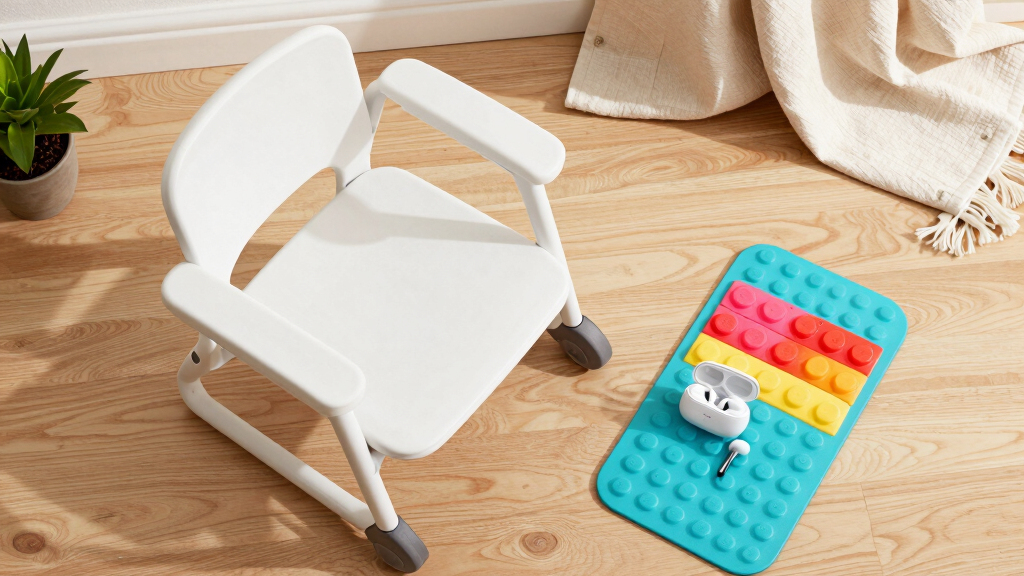
Use secure mats or slip-resistant treatments in bathrooms, kitchens, and entrance areas.
Improve lighting and controls
Add brighter bulbs, nightlights, motion lighting, and reachable switches along travel routes.
Clear and stabilize pathways
Remove cords and clutter, secure rugs, repair flooring, and create enough turning space.
Improve physical access
Consider ramps, wider doorways, lever handles, stairlifts, and adjusted work surfaces.
Match each need to the right intervention
Use simple physical changes first, then layer in structural work, professional advice, or technology where the person’s needs justify it.
| Care need | Immediate action | Best next upgrade | Technology layer | Professional input |
|---|---|---|---|---|
| Fall prevention | ✓Clear clutter | ✓Grab bars + non-slip floors | ~Fall detector | ~OT assessment |
| Limited mobility | ✓Rearrange routes | ✓Ramp + wider doorway | ~Smart controls | ✓OT or contractor |
| Night movement | ✓Nightlights | ✓Motion-lit pathway | ✓Bed-exit sensor | ✗Usually optional |
| Emergency response | ✓Post contacts | ✓Test alarms + exits | ✓Alert pendant | ~Care-team review |
| Reduced dexterity | ✓Move essentials | ✓Lever handles | ~Voice control | ~OT guidance |
Turn observations into an ongoing safety system
Every change should trace back to a real hazard, a practical intervention, and a clear review point. This keeps the plan focused as mobility, health, and routines evolve.
Observe
Walk every routine and note where balance, reach, sight, or access breaks down.
Prioritize
Rank hazards by severity, frequency, and likelihood of causing an injury.
Modify
Complete urgent low-cost fixes before scheduling structural improvements.
Support
Add alerts, automation, education, and professional guidance where useful.
Review
Reassess after health changes, falls, medication changes, or new equipment.
Monitor safety without constant hovering
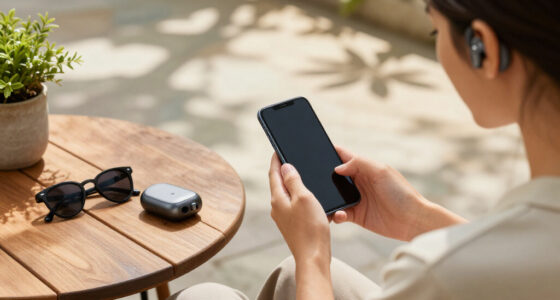
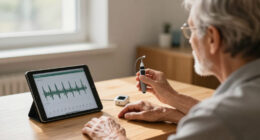
Choose technology that answers a specific need, is easy to operate, and respects privacy. Introduce devices gradually and agree on how alerts or monitoring will be used.
Fall sensors
Wearable or room-based systems can detect sudden incidents and notify a caregiver.
Best for / elevated fall riskMedical alerts
Pendants, watches, and emergency buttons provide a direct route to assistance.
Best for / living aloneSmart lighting
Motion sensors and voice controls reduce the need to cross a dark room for a switch.
Best for / night routinesRemote care
Telehealth and agreed monitoring tools can support follow-up without unnecessary travel.
Best for / care coordinationIf a safety measure feels controlling, revisit the design together. The strongest solution protects dignity as carefully as it protects the body.
Common caregiving setup questions
Start with what can be changed today, then seek tailored advice or funding support for larger accessibility projects.
What are the most affordable upgrades?
Remove clutter, secure rugs, improve lighting, add nightlights, and install properly anchored grab bars. These changes address common risks without requiring major construction.
How can limited mobility be accommodated?
Create wider routes, add ramps, replace knobs with lever handles, and consider doorway or bathroom modifications. An occupational therapist can tailor the plan.
Which devices support remote safety?
Fall detectors, medical alert pendants, smart lighting, door sensors, and agreed remote-monitoring tools can notify caregivers when help may be needed.
How can safety preserve independence?
Involve the person in every decision, explain the purpose of each change, introduce technology gradually, and choose the least restrictive effective option.
Where can funding support be found?
Check local aging agencies, housing programs, HUD-related resources, disability organizations, community grants, and nonprofit home-modification programs.
When should the plan be reassessed?
Review it routinely and after any fall, health change, new medication, surgery, mobility decline, or introduction of unfamiliar equipment.
Assess the real routines, remove immediate hazards, add physical support, layer in appropriate technology, and keep reviewing. The goal is a home where safety and independence reinforce each other.
How to Spot Hidden Home Hazards That Could Cause Falls or Injuries
The first step in creating a safer home is understanding what’s around you. Common hazards—like loose rugs, cluttered hallways, or poor lighting—are often overlooked, yet they can be silent contributors to accidents. For example, a loose rug might seem minor but can cause a fall that results in serious injury, especially for older adults or those with mobility issues. Recognizing these hazards helps prevent avoidable accidents that can lead to hospital visits, loss of independence, or long-term health issues.
Conducting a safety check isn’t just about listing hazards; it’s about understanding their potential impact. Loose rugs or cluttered pathways increase trip risks, while poor lighting can make it difficult to see obstacles, especially at night. Uneven flooring or loose tiles can cause stumbles or falls, and sharp furniture edges can cause injuries during falls or accidental bumps. The goal is to identify these dangers before they cause harm, understanding that each hazard is a potential trigger for injury—especially critical in homes with elderly or mobility-impaired residents. Using checklists from trusted sources like the CDC or AARP ensures you don’t overlook key issues, but also consider the specific needs of your loved ones, such as visual impairments or balance issues, to tailor your assessment effectively.
Addressing these hazards with targeted solutions reduces injury risk significantly. For instance, fixing uneven flooring or securing loose rugs can prevent falls, which are among the leading causes of injury in older adults. The implications are profound: a safer environment means fewer emergency visits, less stress for caregivers, and a greater sense of security for your loved ones. Regular safety assessments should become part of your caregiving routine to adapt to changing needs and maintain a secure, supportive home environment.
As an affiliate, we earn on qualifying purchases.
Easy Home Modifications That Prevent Falls and Boost Safety
Small, well-chosen modifications can have a large impact on safety, but understanding why these changes matter helps you prioritize and implement them effectively. Installing grab bars in bathrooms and near stairs isn’t just about providing something to hold onto; it creates a safety anchor that can prevent slips during critical moments like exiting the shower or ascending stairs. These fixtures act as physical supports that reduce the likelihood of falls, which are often caused by loss of balance or sudden slips. The tradeoff is minimal—installing grab bars requires some effort and expense but offers significant safety benefits, especially when combined with other modifications.
Here are quick, impactful upgrades, along with their importance:
- Install grab bars in the shower, bathtub, and beside toilets: These provide stability during transitional movements, which are common times for falls.
- Use non-slip mats in slippery areas like the shower and kitchen: These dramatically reduce slipping hazards where water or spills are common.
- Improve lighting — add nightlights and brighter bulbs: Proper lighting enhances visibility, helping to identify hazards before they cause accidents, especially at night when falls are more likely.
- Clear walkways of cords, clutter, or loose rugs: Eliminating obstacles reduces trip hazards, especially for those with limited mobility or impaired vision.
- Secure loose flooring or repair uneven surfaces: These prevent tripping and stumbling, which can lead to falls with serious consequences.
For example, a family added non-slip mats and bright LED lighting in the hallway, which not only made the space safer but also increased confidence in movement, reducing fall incidents by nearly 40% within a year. These modifications are investments in safety that pay off by preventing injuries, reducing healthcare costs, and fostering independence.
As an affiliate, we earn on qualifying purchases.
Building a Step-by-Step Safety Plan for Your Home
Creating a comprehensive safety plan involves a strategic approach that prioritizes the most critical hazards first. Start by conducting a detailed assessment of your home, involving your loved ones in the process to identify specific risks they face. Once hazards are identified, develop a phased plan to address each issue, beginning with the most dangerous or likely to cause injury. This might mean installing grab bars first, then improving lighting, followed by removing clutter or fixing uneven flooring.
Set realistic goals and timelines, and involve family members or professionals for assistance. Regularly review and update your safety plan to adapt to changing needs or new hazards. Incorporate safety routines, such as daily checks of walkways and lighting, to maintain a secure environment. Remember, safety isn’t a one-time fix but an ongoing process that evolves with your loved ones’ mobility and health status.
As an affiliate, we earn on qualifying purchases.
Frequently Asked Questions
What are the most affordable home safety upgrades?
Installing grab bars, improving lighting with brighter bulbs or nightlights, and removing clutter or tripping hazards are cost-effective ways to boost safety. These small changes can make a big difference without breaking the bank.
How can I make my home more accessible for someone with limited mobility?
Widen doorways, add ramps, replace knobs with lever handles, and install grab bars. Consulting an occupational therapist can give you tailored advice suited to your loved one’s specific needs.
Are there tech devices that help monitor safety remotely?
Yes. Fall detection sensors, medical alert pendants, and remote cameras can alert caregivers instantly if something happens, providing peace of mind without constant hovering.
How do I ensure safety without making my loved one feel trapped?
Involve them in safety decisions, introduce tech gradually, and focus on supportive modifications that preserve independence. The goal is safety that feels empowering, not restrictive.
Where can I find help or grants for home safety upgrades?
Look into programs like HUD grants, local aging agencies, and non-profits that assist with home modifications. These resources can reduce costs and connect you with expert advice.
widened doorways for accessibility
As an affiliate, we earn on qualifying purchases.
As an affiliate, we earn on qualifying purchases.
Conclusion
Creating a safer home isn’t about perfection — it’s about making smart, manageable changes that protect and empower your loved ones. A well-planned environment fosters independence, reduces worries, and turns caregiving into a more confident, less stressful experience.
Start small, think big, and remember: every safety upgrade is a step toward peace of mind and dignity for everyone in your home. Your efforts can transform your space into a true sanctuary of support and independence.
Columbus Day / Indigenous Peoples' Day Picks
long weekend sales
As an affiliate, we earn on qualifying purchases.