
TL;DR

Get everyday helpers delivered free with Prime
- Fast, free delivery on millions of items
- Prime Video, Amazon Music and more included
- Member-only deals all year
Arm ergometers are compact, upper-body cycling devices perfect for home use. They boost cardiovascular fitness, support rehabilitation, and are adaptable for all abilities. Choosing the right model depends on stability, resistance, and adjustability.
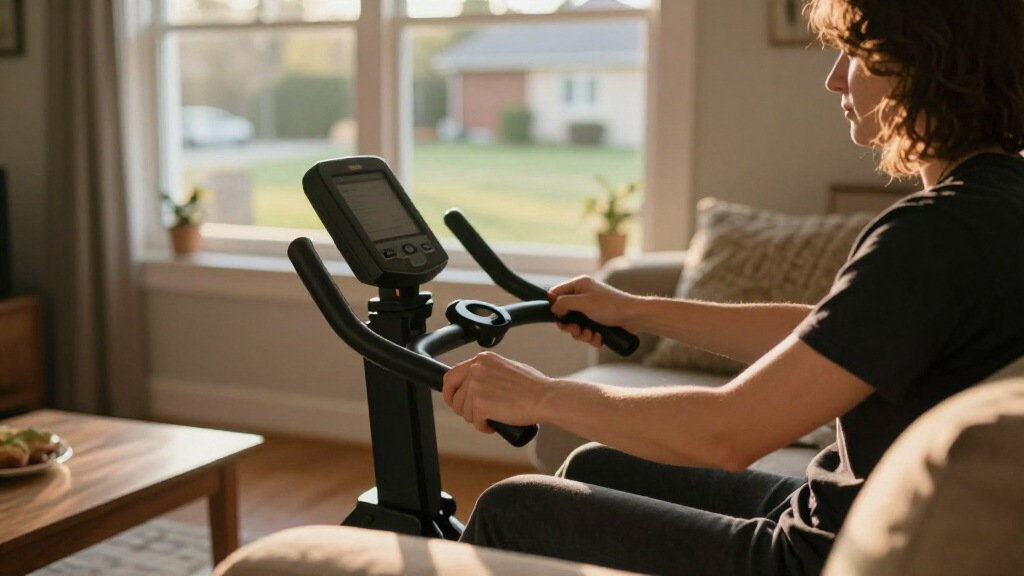
Imagine turning a simple pedal stroke with your arms and feeling your heart rate climb, muscles working steadily, all from your living room. That’s the promise of an arm ergometer. These devices aren’t just for rehab—they’re for anyone wanting a low-impact, effective way to boost upper-body strength and cardiovascular health without leaving home.
If you’ve ever struggled with joint pain, limited mobility, or just want a flexible workout option, an arm ergometer can fit seamlessly into your routine. But with so many styles, features, and resistance systems, how do you pick the right one? This guide walks you through everything you need to know—so you can make an informed choice and get moving confidently.
Choose an ergometer with stable, nonslip construction for safety during vigorous use.
Prioritize adjustability and ergonomic handles to prevent strain and ensure proper posture.
Start with low resistance and short sessions, gradually increasing duration and intensity.
Modern models with Bluetooth and digital tracking can boost motivation and monitor progress.
Always consult a healthcare professional if recovering from injury or managing health conditions before starting use.
A Guide to Arm Ergometers for Home
Turn a simple hand-powered pedal stroke into cardiovascular training, muscular endurance, or professionally guided rehabilitation. The best home machine is not necessarily the most elaborate—it is the one that stays stable, fits your body, and offers resistance you can control confidently.
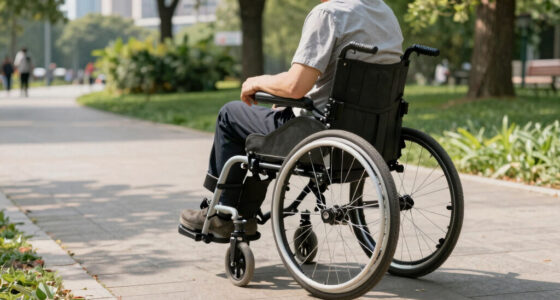
Cardio from a chair, desk, or wheelchair
An arm ergometer—also called an arm bike or upper-body ergometer—uses hand cranks instead of foot pedals. It can raise heart rate, develop upper-body endurance, and keep exercise accessible when conventional cardio equipment is uncomfortable or impractical.
Heart and lungs
Continuous arm cycling supports cardiovascular fitness and energy expenditure without requiring lower-body movement.
Upper-body stamina
Repeated cranking trains the shoulders, arms, chest, and upper back through steady, rhythmic effort.
Seated exercise
Many models can be used from a chair or wheelchair, making exercise possible across a broad range of abilities.
Maintain fitness
Upper-body training can preserve conditioning when a lower-body injury temporarily limits walking or cycling.
Guided movement
Selected devices support neurological, orthopedic, or cardiac rehabilitation when used under professional direction.
Warm-up and conditioning
Athletes can use arm cycling to prepare the upper body or add targeted conditioning to a broader program.
Match the machine to your space and purpose
Compactness, stability, adjustability, and assistance usually pull in different directions. Decide first whether your priority is casual movement, consistent fitness training, whole-body flexibility, or rehabilitation support.
| Type | Best for | Stability | Space | Adjustability | Main tradeoff |
|---|---|---|---|---|---|
| Tabletop arm bike | Small homes, desk exercise, easy storage | ~ Moderate | ✓ Minimal | ✗ Limited | Can slide or lift during vigorous use unless secured |
| Freestanding UBE | Home gyms, regular training, stronger efforts | ✓ High | ✗ Larger | ✓ High | Greater footprint and typically higher cost |
| Arm-and-leg exerciser | Flexible upper- and lower-body workouts | ✓ High | ~ Medium | ~ Variable | Less specialized for arm-only positioning |
| Active-passive trainer | Assisted movement and rehabilitation | ✓ High | ~ Medium | ✓ Specialized | More expensive and more complex to configure |
How the challenge is created
Resistance determines noise, smoothness, control, maintenance, and workout feel. For many homes, a smooth magnetic system with a useful adjustment range is more valuable than numerous preset programs.
Friction
Simple and inexpensive, but effort may be less smooth, harder to reproduce, and affected by component wear.
Magnetic
Quiet, smooth, and consistent. A strong all-round choice for shared living spaces and regular home fitness.
Air
Resistance rises naturally with cranking speed, creating an intuitive response at the cost of noticeable noise.
Electronic
Precise settings, structured programs, and detailed tracking, but power, complexity, and cost all increase.
Home-use suitability
Qualitative comparison based on smoothness, noise, control, and everyday practicality.
Features that matter after the novelty fades
A good setup should remain still, align naturally with your shoulders and wrists, and begin at a manageable resistance. Measure both the machine and the movement space required by your elbows, chair, or wheelchair.
Stability
Check frame weight, base width, nonslip feet, and whether a tabletop unit can be firmly secured.
Adjustability
Look for suitable crank height, reach, handle angle, seat position, and wheelchair clearance.
Handle design
Rotating or ergonomic grips help keep wrists neutral; straps or cuffs may support limited grip.
Low to high load
Beginners need a genuinely light starting level, while stronger users need room to progress.
Bidirectional use
Forward and reverse cranking shift muscular emphasis; resistance should remain smooth both ways.
Noise
Magnetic systems are usually quieter. Air systems may be distracting in offices or living rooms.
Storage
Confirm dimensions, machine weight, transport wheels, folding options, and clearance around the user.
Tracking
Time and cadence may be enough; watts, heart rate, intervals, and Bluetooth offer deeper progress data.
Build consistency one steady stroke at a time
The upper body can fatigue sooner than expected. Begin with comfortable posture, light resistance, and short sessions. Increase only one variable at a time as the movement becomes familiar.
Position
Sit tall with relaxed shoulders and a slight bend in the elbows at the farthest reach.
Start light
Select a low resistance that allows smooth circles without rocking or gripping excessively.
Stay brief
Use short, manageable sessions while learning how quickly your breathing and effort rise.
Track
Record time, cadence, resistance, and perceived effort to make progress visible.
Progress
Gradually add duration or resistance while preserving posture and controlled movement.
What Exactly Is an Arm Ergometer and Why Do People Use Them?
Think of an arm ergometer as a stationary bike, but designed for your arms. Instead of pedals under your feet, you turn handles or cranks with your hands. It’s a simple, effective way to get your upper body moving, whether for cardio, strength, or rehab.
People use arm ergometers for many reasons. Some want to improve cardiovascular fitness without putting stress on their hips or knees. Others are recovering from injuries or surgeries that limit lower-body activity. Athletes use them for warm-ups or upper-body conditioning, and seniors find them a safe way to stay active.
For example, a person recovering from a hip replacement might avoid walking or cycling on a regular bike, but with an arm ergometer, they can still raise their heart rate and strengthen their shoulders, all while seated comfortably.
Understanding why people turn to arm ergometers highlights their versatility. They provide a low-impact, joint-friendly alternative to traditional cardio equipment. This is especially important for individuals with joint issues or mobility limitations, as the exercise minimizes stress on sensitive areas. The tradeoff, however, is that because they engage fewer muscle groups than leg exercises, users may need to work harder or longer to achieve similar cardiovascular benefits. Recognizing this helps set realistic expectations and guides workout planning, ensuring users don’t overexert or underutilize their device.
As an affiliate, we earn on qualifying purchases.
Main Types of Arm Ergometers and Which One Fits Your Space and Needs
Not all arm ergometers look or function the same. Here’s a quick rundown of the main types:
| Type | Best For | Pros | Cons |
|---|---|---|---|
| Tabletop arm bikes | Small spaces, desk workouts | Compact, affordable, easy to store | Less stable during vigorous use, limited adjustability |
| Freestanding upper-body ergometers | Home gyms, consistent training | Stable, smooth resistance, ergonomic design | Takes more space, higher cost |
| Combination arm-and-leg exercisers | Whole-body workouts | Can switch between upper and lower body | Less specialized for arms alone, less adjustability |
| Active-passive trainers | Rehabilitation, assisted movement | Supports weak or recovering limbs, motor-assisted | More expensive, complex setup |
Choosing the right type depends on your space constraints, budget, and workout goals. For example, a compact tabletop model might be perfect for someone who needs a quick, discreet workout during work breaks, but it might lack the stability needed for vigorous sessions. Conversely, a freestanding ergometer offers more stability and resistance options, making it suitable for more serious training or rehabilitation. The tradeoff involves balancing space and cost against durability and functionality. Understanding these differences helps ensure you select a model that not only fits your environment but also supports your long-term fitness or recovery objectives.
upper body cardio machine with Bluetooth
As an affiliate, we earn on qualifying purchases.
As an affiliate, we earn on qualifying purchases.
Understanding Resistance Systems — What Makes One Ergometer Better Than Another?
Resistance is what makes pedaling feel challenging. Different systems provide different sensations and levels of smoothness:
- Friction resistance: Old-school, simple, and inexpensive. Think of pressing a brake pad against a spinning disk. It’s easy to use but can create uneven resistance and wear out over time, leading to inconsistent effort and potential maintenance issues.
- Magnetic resistance: Quiet, smooth, with precise adjustments. It uses magnets to create resistance, which can be finely tuned to suit different fitness levels. This system’s consistency and low noise make it ideal for home environments, where disturbance could be an issue. The tradeoff is that magnetic systems may be more expensive and slightly heavier, but their reliability often justifies the cost.
- Air resistance: As you pedal faster, resistance increases naturally—similar to riding a bike into the wind. This offers a very intuitive, dynamic feel that responds immediately to effort. However, air resistance can be noisy and less predictable, which might be distracting or undesirable in shared spaces.
- Electronic or electromagnetic resistance: The most advanced, offering very precise control and preset programs. These systems often include digital controls, Bluetooth connectivity, and data tracking. They allow for varied workouts, interval training, and progress monitoring. The tradeoff is increased complexity and cost, but for motivated users, these features can significantly enhance engagement and results.
Understanding these differences helps you choose a resistance system that aligns with your priorities—whether it’s quiet operation, precise control, or natural feel. For most home users, magnetic or electronic resistance offers the best combination of smoothness and control, supporting consistent, enjoyable workouts that adapt as your fitness improves.
Amazoncompact arm ergometer for rehabilitation
As an affiliate, we earn on qualifying purchases.
As an affiliate, we earn on qualifying purchases.
Conclusion
An arm ergometer can transform your approach to upper-body fitness, offering a safe, adaptable, and effective workout right in your home. The key is selecting a model that fits your space, needs, and comfort—then using it consistently.
Imagine a future where your upper body stays strong and energized, all from a simple pedal that fits on your desk or in your living room. With a little planning and care, that vision can become your reality—one steady stroke at a time.
This article is for informational purposes only and is not medical advice. Always consult a qualified healthcare professional about your specific situation.AmazonAs an affiliate, we earn on qualifying purchases.
COLUMBUS DAY / I Columbus Day / Indigenous Peoples' Day Picks
long weekend saleslong weekend sales
As an affiliate, we earn on qualifying purchases.