TL;DR

Get everyday helpers delivered free with Prime
- Fast, free delivery on millions of items
- Prime Video, Amazon Music and more included
- Member-only deals all year
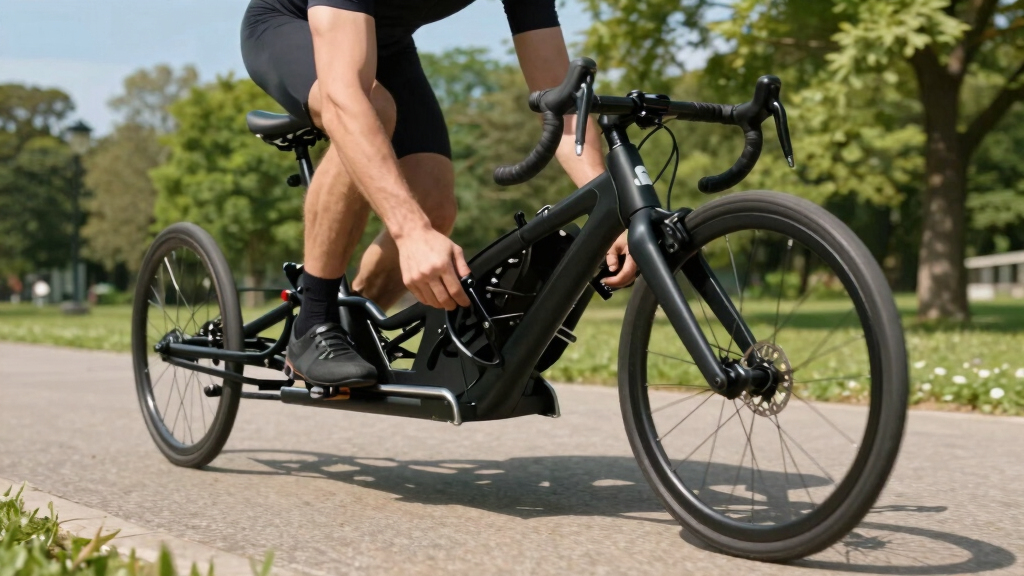
Handcycles are specialized bikes powered by your arms, offering independence and fun for all skill levels. Recent tech like lightweight frames and e-assist makes riding easier and more accessible than ever.
Imagine gliding along a scenic trail, the wind softly brushing your face, your upper body powering the ride. Handcycles turn that vision into reality—offering a way for everyone to enjoy outdoor adventures, regardless of mobility challenges. They’re not just for athletes or those with disabilities; they’re for anyone craving a new way to explore, stay active, and connect with nature.
In this guide, you’ll learn how different types of handcycles work, what recent innovations are making rides better, and practical tips for choosing the right one. Whether you’re curious about starting out or upgrading your current ride, this article will give you the tools to make confident decisions and hit the road—or trail—with enthusiasm.
Choose the right handcycle style—upright, recumbent, or tricycle—based on your comfort and riding goals.
Recent tech innovations, like lightweight frames and e-assist, make riding easier, safer, and more enjoyable.
Proper fit and setup are crucial—visit a specialist for personalized adjustments.
Start slow, join communities, and prioritize safety gear to maximize your enjoyment.
Handcycling boosts upper body strength, cardiovascular health, and independence, making it a rewarding activity for all.
A Fresh Way to Ride, Explore, and Stay Active
Handcycles are arm-powered bikes built for outdoor freedom, fitness, and recreation. Modern designs make them lighter, easier to transport, and more adaptable, helping riders of many abilities enjoy trails, roads, parks, and community events with confidence.
Match the Handcycle to the Ride You Want
The right model depends on comfort, stability, speed, and where you plan to ride. A specialist fitting can transform the experience by aligning seat position, crank reach, backrest angle, and controls to your body.
Upright Handcycles
These feel closest to traditional bikes and suit riders who want a more active road-cycling posture.
- Strong choice for paved routes
- Efficient for faster rides
- Less relaxed over long distances
Recumbent Handcycles
A reclined position spreads body weight more evenly, reducing strain on the back and neck.
- Ideal for longer outings
- Stable, relaxed posture
- May be less nimble in tight spaces
Three- or Four-Wheeled
Extra contact points help beginners and riders with balance concerns focus on scenery instead of staying upright.
- Great for new riders
- Useful on uneven terrain
- Can feel wider on narrow trails
New Tech Makes the Ride Easier
Recent handcycle innovation is less about flash and more about practical access: lower weight, smoother shifting, better seating, e-assist motors, and connected tracking tools that help riders go farther with less fatigue.
Carbon fiber and advanced alloys
Lighter bikes are easier to lift, load, store, and maneuver, especially for riders with limited strength or solo transport needs.
More range with less strain
Motor support helps riders handle hills, headwinds, and longer routes without turning every outing into a max-effort session.
Electronic shifting and braking
Precise gear changes and stronger brake systems improve control across changing terrain and weather conditions.
GPS, apps, and progress tracking
Bluetooth and performance tools support motivation, goal-setting, route planning, and community sharing.
Quick Comparison: Which Setup Fits?
Use this as a starting point before test riding. The strongest recommendation remains a professional fit session, because small adjustments can prevent fatigue and make power transfer feel natural.
| Model Type | Best For | Comfort | Agility | Stability | Terrain Notes |
|---|---|---|---|---|---|
| Upright | Road riders, speed-focused recreation | ~ Moderate | ✓ High | ~ Moderate | Smooth pavement, bike lanes, road routes |
| Recumbent | Long rides, back or neck comfort | ✓ High | ~ Moderate | ✓ High | Paved paths, distance routes, scenic trails |
| Three-Wheeled | Beginners and stability-first riders | ✓ High | ~ Moderate | ✓ Very High | Mixed surfaces, wider paths, relaxed cruising |
| Four-Wheeled | Maximum support and balance confidence | ✓ High | ✗ Lower | ✓ Maximum | Stable outings, adaptive recreation programs |
From Curiosity to Confident Rides
A good first month is built gradually. Start simple, adjust often, and choose routes that let your body learn the movement without pressure.
Define Goals
Fitness, nature, errands, group rides, or longer touring each point toward different equipment.
Get Fitted
Dial in seat, crank reach, handlebar height, brake access, and back support.
Test Terrain
Try flat pavement first, then add gentle slopes, turns, and longer distances.
Add Gear
Use helmet, gloves, visibility lights, hydration, and weather-appropriate layers.
Join Community
Clubs, adaptive sports groups, and events make riding more social and sustainable.
Traceability: What Creates a Better Ride?
Every confident handcycling experience connects equipment, setup, skill-building, safety, and enjoyment. Miss one link and the ride can feel harder than it needs to be.
Frequently Asked Questions
Handcycling is approachable, but the best experience comes from starting with realistic expectations and equipment that fits your body and your routes.
Can beginners start with a handcycle?
Yes. Many models have adjustable seating, intuitive controls, and stable designs. Begin with short, flat rides and increase distance as your control and endurance improve.
How do I know if it fits my body?
A specialist should measure height, arm reach, strength, posture, and comfort needs, then adjust the seat, crank position, backrest, and controls.
Are electric handcycles worth it?
They can be, especially if your routes include hills, wind, longer distances, or limited recovery time. E-assist expands range while reducing fatigue.
What health benefits can riders expect?
Handcycling supports cardiovascular exercise, upper-body strength, endurance, independence, and a stronger connection to outdoor recreation.
What Are the Main Types of Handcycles and Which Fits Your Style?
There are three main types of handcycles: upright, recumbent, and three- or four-wheeled models. Each offers a different riding experience and comfort level. For example, upright handcycles mimic traditional bikes, which are great for achieving higher speeds and agility on paved roads. They often appeal to riders who prefer a more active, race-like feel and want to maximize efficiency. Recumbent handcycles, on the other hand, position you in a reclined seat, reducing strain on your back and neck, which makes them ideal for long-distance rides or those with back issues. The design distributes your weight more evenly, decreasing fatigue and discomfort over extended periods. Tricycle options provide unparalleled stability, making them particularly suitable for beginners, riders with balance concerns, or those who prioritize safety during longer outings. They typically feature a low center of gravity, reducing the risk of tipping, and allowing riders to focus more on enjoying the scenery than on balancing.
Understanding these differences helps you select a model aligned with your physical needs, riding goals, and terrain preferences. For example, if speed and agility are your priorities, an upright model might be best. If comfort and endurance are key, recumbents could serve you well. And if stability is your main concern, tricycles provide peace of mind, especially on uneven terrain or for less experienced riders.
Choosing the right type involves considering tradeoffs: upright bikes may offer better aerodynamics but less comfort, while recumbents provide comfort at the expense of some maneuverability. Tricycles excel in stability but may be less agile on narrow trails. Recognizing these implications ensures you make a well-informed decision that enhances your riding experience and enjoyment.
Beyond personal preference, consider your typical riding environment. Urban trails, country roads, or rough terrains each favor different configurations. For example, a lightweight upright model may excel on smooth, paved surfaces, while a stable tricycle might be better suited for uneven or off-road paths. Assessing your terrain and how you plan to ride helps narrow your options and select a handcycle that complements your lifestyle and physical capabilities.
lightweight handcycle for recreation
As an affiliate, we earn on qualifying purchases.
As an affiliate, we earn on qualifying purchases.
How New Tech Is Making Handcycling Easier and More Fun
Recent innovations are turning handcycling into an even more accessible and enjoyable activity. Lightweight materials like carbon fiber have drastically reduced the weight of handcycles, sometimes by up to 50%. This reduction isn’t just about convenience; it fundamentally changes how riders interact with their equipment. Lighter bikes are easier to transport, handle, and maneuver, especially for those with limited strength or endurance. For example, a rider who previously struggled with lifting or carrying a heavy bike now finds it feasible to load a lightweight carbon fiber model into a car trunk or carry it upstairs without assistance. This technological leap broadens access, encouraging more people to try handcycling without the intimidation of heavy, cumbersome equipment.
Electric handcycles, or e-assist models, introduce a new dimension of ease. They provide motorized assistance that helps tackle challenging terrains like steep hills or headwinds, which can be physically demanding. This not only extends your riding range but also reduces fatigue, making longer outings more feasible and enjoyable. For instance, a rider with limited upper body strength can now comfortably explore hilly parks or countryside routes, previously too strenuous.
Advanced gearing systems—often electronic—allow for quick, precise shifts, adapting seamlessly to varying terrains and rider preferences. This smoothness enhances safety and performance, giving riders more control and confidence. Connectivity features like GPS and performance tracking apps keep you motivated by setting goals, monitoring progress, and sharing achievements. These innovations collectively shift the focus from physical limitations to exploration, fun, and personal achievement, transforming handcycling from a challenging activity into an inclusive, engaging experience that caters to a broader range of abilities and ambitions.
Understanding how these technologies work and their implications helps you choose a handcycle that aligns with your lifestyle. For example, if you frequently ride in hilly areas or want to extend your riding range, an e-assisted model can make a significant difference. Similarly, recognizing the benefits of lightweight frames can influence your decision if portability and ease of handling are priorities. As technology continues to evolve, staying informed ensures you can select a handcycle that truly enhances your outdoor experience and encourages ongoing participation.
As an affiliate, we earn on qualifying purchases.
Frequently Asked Questions
Can I start riding a handcycle if I’ve never tried one before?
Absolutely. Many models are designed for beginners, with adjustable features and easy controls. Starting with a short, flat ride helps you get accustomed to the handcycle’s feel and controls. As you gain confidence, you can gradually explore more challenging terrains and longer distances, which will help build your skills and comfort level. Remember, patience and gradual progression are key to enjoying handcycling safely and sustainably.
How do I know if a handcycle will fit my body?
Proper fitting is essential for comfort, efficiency, and safety. Visiting a specialized dealer or adaptive sports store allows you to undergo a professional fitting session. They will take measurements of your height, arm length, and strength, and adjust the handcycle accordingly—such as seat position, handlebar height, and crank length. This personalized setup ensures your riding posture is ergonomically correct, reducing fatigue and risk of injury while maximizing power transfer and control. Investing time in a proper fit pays off in improved comfort and enjoyment during every ride.
Are electric handcycles worth the investment?
Many riders find e-assist models to be a worthwhile investment, especially for those facing challenging terrains or seeking extended riding ranges. The motor assistance reduces physical strain, enabling riders with limited upper-body strength or endurance to enjoy longer rides and explore more diverse environments. E-assist bikes also make hilly areas more accessible, opening up new routes and opportunities for adventure. While they tend to be more expensive upfront, the added convenience, expanded capabilities, and increased enjoyment often justify the cost for many users.
What safety precautions should I take?
Safety is paramount in handcycling. Always wear a certified helmet, gloves, and reflective or bright clothing to enhance visibility. Regularly inspect your handcycle for maintenance issues, such as checking tire pressure, brake function, and chain lubrication. Ride in well-lit areas and during daytime when possible, and be aware of your surroundings—watch for traffic, pedestrians, and trail obstacles. Carry essential safety gear like a small first-aid kit and a mobile phone. Developing good riding habits and staying vigilant will ensure each outing is safe, enjoyable, and free of preventable accidents.
As an affiliate, we earn on qualifying purchases.
Conclusion
Handcycles open a world of adventure for anyone eager to explore on their own terms. With the right model, a bit of practice, and the latest tech, you’re set for a journey of fitness, fun, and freedom.
So, what are you waiting for? Your next outdoor adventure is just a pedal stroke—or arm stroke—away. Grab your gear, find a trail, and start turning your outdoor dreams into reality.
As an affiliate, we earn on qualifying purchases.
Fall Picks
fall essentials
As an affiliate, we earn on qualifying purchases.