
TL;DR

Get everyday helpers delivered free with Prime
- Fast, free delivery on millions of items
- Prime Video, Amazon Music and more included
- Member-only deals all year
There is no one-size-fits-all kayak for accessibility. The best choice combines the right boat, seat, transfer tools, paddle aid, and launch environment, all tailored to individual needs. Testing equipment with professionals is essential before making a decision.
Imagine slipping into a kayak that feels like an extension of your own body. It’s not about finding the widest or most stable boat—it’s about understanding how every piece works together to support your independence on the water.
In this guide, you’ll learn how to evaluate your abilities, match equipment, and plan for safe, confident paddling—whether you’re new to kayaking or seeking upgraded gear that fits your needs. Because accessibility isn’t just about the kayak; it’s about the whole experience.
A perfect accessible kayak setup combines boat, seating, transfer tools, paddle aids, and environment—tailored to individual abilities.
Testing equipment with professionals before use prevents unsafe or ineffective configurations.
Stability features like outriggers or pontoon hulls help confidence but may impact paddling effort and maneuverability.
Proper seating and transfer planning are crucial for safety, comfort, and independence on the water.
Regular practice and safety drills, along with adaptive gear, build confidence and reduce risks.
How to Choose an Accessible Kayak or Paddle Aid
There is no one-size-fits-all kayak for accessibility. The best choice is a coordinated system — boat, seat, transfer tools, paddle aid, and launch environment — tailored to individual needs. Testing with professionals is essential before you decide.
Match the Kayak to Your Abilities & Goals
Start with what you need to do on the water — calm recreation, fishing, touring, exercise, or group paddling — then assess balance, trunk control, grip strength, shoulder mobility, and your ability to transfer or self-rescue. Work with a qualified adaptive instructor, occupational or physical therapist, or experienced outfitter.
Balance & Trunk Control
Limited trunk stability calls for lateral trunk supports, pressure-distributing cushions, or wider, more stable hulls. Strong trunk control opens up more traditional setups.
Grip & Shoulder Mobility
Limited grip means adaptive grips, cuffs, or universal holders. Shoulder range of motion shapes paddle length, feather angle, and blade size choices.
Transfer & Self-Rescue
Your ability to enter, exit, and recover determines hull type, cockpit design, and launch requirements. Sensory or cognitive needs shape communication plans.
Kayak Types & How They Affect Accessibility
A large opening alone doesn’t guarantee accessibility — seat height, deck obstructions, grab points, and transfer space matter just as much.
| Kayak Type | Boarding / Transfer | Weather & Element Protection | Key Consideration |
|---|---|---|---|
| Sit-on-Top | ✓ Easiest — open deck, straightforward wet exit | ✗ Low — exposed to water & weather | Best for limited trunk control; watch splash in rough conditions |
| Sit-Inside (Recreational) | ~ Harder — cockpit size may complicate transfers | ✓ Good — shelter and lower seating position | May need transfer decks or step-in seat modifications |
| Tandem | ~ Moderate | ~ Moderate | Companion provides propulsion, steering, or assistance |
| Inflatable | ✓ Portable — light, storage-friendly | ~ Varies | Performance, seat support, and puncture resistance vary |
| Pedal | ~ Assess — entry, weight, pedal clearance | ✓ Good | Suits strong legs with limited upper-body capacity |
Stability vs. Performance: The Trade-Off
Wider hulls, pontoon designs, and outriggers boost initial stability and confidence — but add drag, increase paddling effort, and reduce maneuverability. Match stability to your water conditions: what works on a calm lake may fail on a river with currents or obstacles.
Seating & Positioning: Comfort Is Control
Good positioning improves breathing, balance, and paddle efficiency — energy transfers cleanly from paddler to boat. Support systems must never trap the paddler during a capsize.
Pelvic & Lower-Back
Firm pelvic support with adjustable backrests maintains posture, reduces fatigue, and improves endurance on longer paddles.
Lateral Trunk & Thigh
Trunk supports and pressure-distributing cushions prevent slumping and aid balance for paddlers with limited trunk stability.
Foot Braces & Straps
Adjustable braces and secure straps keep you centered and prevent slipping — critical in sudden movements or rough water.
Water-Smart Fabrics
Quick-drying, mold-resistant foam and water-repellent fabrics. Ordinary wheelchair cushions may not survive wet environments.
Every restraint must release instantly. Cushions or straps that trap the paddler are dangerous in a capsize or rescue. Test all supports under supervision before independent paddling.
Plan the Launch: Vehicle to Water
An accessible launch can matter more than the kayak itself. Evaluate every step of the route — and test transfer systems under supervision before going solo.
Parking & Path
Accessible parking, firm surfaces, and manageable slope to the water.
Transport the Boat
Kayak weight, carrying method, rollers, or cart — plan for your strength.
Dock & Transfer
Dock height, edge protection, wheelchair space, transfer benches, sliding seats, or lifts.
Enter the Water
Check water depth and current at the launch before committing.
Land & Exit
A safe, rehearsed plan for landing and exiting — every single time.
Choosing a Paddle Aid
Paddle length depends on boat width, seating height, style, and range of motion. A larger blade is not better — it creates more resistance and accelerates shoulder fatigue. Adaptations can also include one-handed techniques, rudder modifications, and foot, hand, or torso-operated controls.
Key Takeaways
Five things to remember before you buy.
A perfect setup is a system — boat, seating, transfer tools, paddle aids, and environment tailored to individual abilities.
Test with professionals first. It prevents unsafe or ineffective configurations before money changes hands.
Stability has trade-offs. Outriggers and pontoon hulls build confidence but cost paddling effort and maneuverability.
Seating and transfer planning are crucial for safety, comfort, and independence on the water.
Practice and safety drills plus adaptive gear build confidence and reduce risk over time.
How to Match a Kayak to Your Abilities and Goals
The first step is understanding what you need to do on the water. Are you paddling for recreation, fishing, exercise, or group outings? Your goals shape the type of kayak and accessories you’ll choose.
Consider your balance, trunk control, grip strength, shoulder mobility, and ability to transfer or self-rescue. For example, someone with limited grip might need paddle aids or adaptive grips, while a person with good trunk control can handle more traditional setups.
Test equipment whenever possible. Working with a qualified adaptive instructor or therapist can reveal what truly works for you. It’s about creating a system that respects your abilities, not forcing you into a generic mold.
Understanding your abilities and goals helps you prioritize features—whether it’s stability, ease of transfer, or maneuverability—so your kayak setup aligns with what matters most to you. This personalized approach reduces frustration and increases confidence, ultimately making paddling a more enjoyable and sustainable activity.
adaptive kayak with stability features
As an affiliate, we earn on qualifying purchases.
As an affiliate, we earn on qualifying purchases.
Picking the Right Kayak Type and How It Affects Accessibility
Not all kayaks are equal when it comes to accessibility. The main options include sit-on-top, sit-inside, tandem, inflatable, and pedal kayaks.
For example, sit-on-top kayaks are easier to board with their open decks and straightforward wet exits. They allow for easier transfers, especially for those with limited trunk control or balance challenges, because the open design reduces barriers to entry and exit. However, this openness exposes paddlers to weather and splash, which can be uncomfortable or unsafe in rough conditions. The tradeoff is that they promote independence in entry and exit but might compromise comfort or safety in adverse weather.
Conversely, sit-inside kayaks offer shelter, better protection from the elements, and often more stability at lower speeds. But they can be harder to transfer into, especially if space is tight or if the design doesn’t accommodate adaptive transfer aids. The choice here involves balancing environmental protection and ease of access—sometimes requiring additional modifications like transfer decks or step-in seats to improve accessibility.
Inflatable kayaks provide portability and storage convenience, making them accessible for those who lack space or need lightweight options. Yet, they may sacrifice some performance and stability, which could influence safety and paddling effort. Pedal kayaks can benefit individuals with strong legs or limited upper body strength but require careful assessment of seat height, pedal clearance, and transfer options to ensure they are truly accessible.
Remember, a large opening alone doesn’t guarantee accessibility. Factors like seat height, deck layout, grab points, and transfer space are equally important because they determine how easily and safely you can get in, out, and move within the kayak. Evaluating these features in relation to your specific abilities ensures a better match between the kayak and your needs, reducing frustration and enhancing safety.
accessible kayak seat and transfer tools
As an affiliate, we earn on qualifying purchases.
As an affiliate, we earn on qualifying purchases.
How Stability and Performance Trade Off in Accessible Kayaks
Stability is vital for making kayaking accessible, but it involves important tradeoffs. Wider hulls, pontoon designs, or outriggers increase the initial stability, helping paddlers feel secure and confident—especially beginners or those with balance challenges. However, this increased width also results in greater water resistance, requiring more effort to paddle and potentially reducing maneuverability, especially in tight spaces or when quick turns are needed.
For example, an outrigger provides additional confidence by lowering the risk of tipping, which can encourage beginners or those with trunk instability to paddle more freely. But, it also introduces drag and can snag on docks, roots, or other obstacles, making precise maneuvering more difficult. This highlights the importance of aligning stability features with water conditions and personal strength—what works on a calm lake may not be suitable in a river with currents or obstacles.
Understanding these tradeoffs allows paddlers to choose stability features that match their environment and physical capacity. While extra stability can boost confidence and safety, it may come at the cost of paddling efficiency and agility. Conversely, a narrower boat with less initial stability requires more skill and effort but offers better performance for experienced paddlers or in challenging conditions. Recognizing these implications helps you select a kayak that balances safety, effort, and maneuverability based on your specific needs and water environment.
As an affiliate, we earn on qualifying purchases.
How to Pick Seating and Positioning That Boosts Comfort and Safety
Good seating isn’t just about comfort; it’s about control and safety. Supportive, adjustable seats with firm pelvic and lower-back support help maintain proper posture, reduce fatigue, and improve paddling efficiency. For example, a paddler with limited trunk stability benefits from lateral trunk supports or pressure-distributing cushions that prevent slumping and aid in balance. Proper positioning ensures that energy is efficiently transferred from the paddler to the boat, reducing strain and increasing endurance.
Adjustable foot braces and secure straps are essential for optimizing paddling power and maintaining stability. They help keep the paddler centered and prevent slipping, which is especially important during sudden movements or in rough water. Use materials that handle water well—think quick-drying, mold-resistant foam or dry, water-repellent fabrics—to prevent discomfort and skin issues.
Support systems should also allow quick releases in case of capsizing or emergency situations. Cushions or restraints that trap the paddler can be dangerous if they hinder escape or rescue efforts. Testing these supports before paddling helps ensure they provide the intended safety and comfort benefits and do not interfere with emergency procedures. Customizing seating and support options based on individual needs maximizes control, safety, and paddling enjoyment.
As an affiliate, we earn on qualifying purchases.
Planning Your Launch: Making Transfers and Water Access Easier
From your vehicle to the water, every step of the launch process influences your independence and safety. Accessible parking areas, firm pathways, and suitable dock heights set the foundation for successful transfers. Choosing a launch site with features like transfer benches, rollers, or low-level platforms can significantly reduce the effort and risk involved in getting into your kayak.
When evaluating a launch site, consider the kayak’s weight and your transfer method—can you lift it alone, or do you need assistance? Having a plan for how to get your gear from your vehicle to the water, including any adaptive equipment, reduces stress and prevents injury. Practicing your transfer routine with a professional or experienced paddler ensures that it’s safe, efficient, and suited to your environment.
Remember, an accessible launch isn’t just a convenience; it’s a safety priority that directly impacts your ability to paddle independently. Being familiar with your launch environment and practicing transfers increases confidence and reduces the likelihood of accidents or fatigue during actual outings.
Choosing a Paddle That Fits Your Range of Motion and Strength
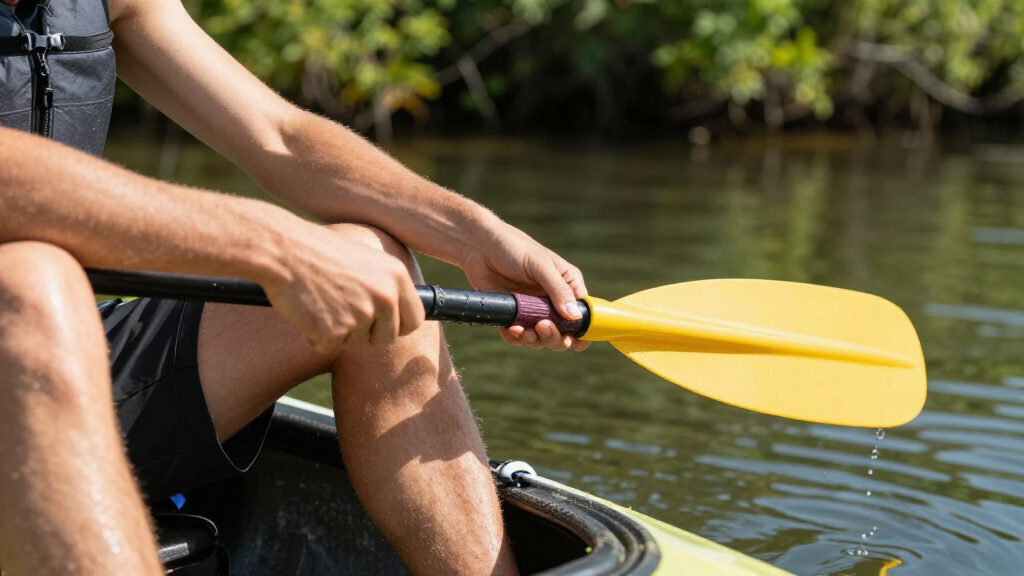
In accessible kayaking, selecting the right paddle involves understanding how your strength, range of motion, and paddling style influence your choice. The paddle’s length should match your boat width, seating height, and arm mobility to maximize efficiency and minimize strain. A paddle that’s too long or too short can cause awkward strokes and shoulder pain, reducing both comfort and endurance.
Options like lightweight fiberglass or carbon-shaft paddles with smaller blades reduce joint strain and fatigue. Bent or indexed shafts can assist paddlers with limited wrist mobility or hand dexterity, providing more natural hand positioning and reducing stress during prolonged paddling. Adjustable, two-piece paddles with customizable feather angles and grips offer flexibility to fine-tune your setup for comfort and efficiency. For example, someone with arthritis might prefer a paddle with a thicker, cushioned grip or a paddle support mounted on the kayak, which reduces the effort needed to hold and control the paddle.
It’s important to remember that larger blades aren’t always better; they create more resistance, which can tire shoulders faster and lead to inefficient strokes. Smaller blades can be more manageable, especially for paddlers with limited strength or joint issues, allowing for longer, more comfortable outings. Choosing the right paddle is about balancing power, comfort, and fatigue management to support your individual physical capabilities.
Adapting Control Systems for Better Handling and Safety
For some paddlers, simple adaptations can significantly enhance handling, safety, and independence. For example, one-handed paddling techniques or torso-operated steering controls enable better maneuverability for those with limited arm or shoulder mobility. Rudder modifications or pedal systems can be tailored to individual needs, providing more precise control with less physical effort.
Outriggers or stabilizers improve balance, especially for paddlers with trunk control issues, but they must be robust and easy to detach in emergencies to prevent entanglement or interference during rescue. Grip assistance tools, such as paddle cuffs or universal holders, can help those with weak grip strength maintain control without fatigue. Seats with removable supports and cushions can be adjusted or removed as needs change, offering flexibility and comfort.
In some cases, electric propulsion systems—where legal—can provide additional control, especially for paddlers with limited arm strength or endurance. All adaptations should be made from corrosion-resistant materials, designed for quick release, and tested regularly to ensure they function reliably during paddling and rescue situations. Properly implemented, these modifications enhance handling, safety, and independence without compromising emergency escape options.
Transport and Storage: Making Heavy Equipment Manageable
Many adaptive kayaks and accessories can be heavy, which presents challenges for transportation and storage. It’s important to evaluate the total weight—including outriggers, seats, paddles, and gear—as some setups can reach 80-100 pounds, making lifting difficult for many paddlers.
Look for removable components, such as seats and paddles, along with accessories like carts or handles, which can significantly reduce lifting and carrying effort. Consider your vehicle’s height and space—can you load and unload alone, or will you need assistance? Using ramps, dollies, or assistance from others can make the process safer and less strenuous.
Storage solutions should keep your gear dry, protected, and easily accessible. Modular designs that disassemble into smaller parts allow for more manageable storage and transport, reducing the physical strain involved. Practicing loading and unloading on land beforehand ensures that your setup remains manageable during actual outings, preventing frustration and injury. Proper planning for transport and storage is essential to maintaining independence and ensuring consistent access to your kayaking activities.
Safety First: Ensuring a Secure and Confident Paddling Experience
Safety isn’t optional—it’s critical for a positive paddling experience. A well-fitted personal flotation device (PFD) designed for paddling provides essential buoyancy and should be compatible with any adaptive supports or seating systems. Poorly fitted PFDs can compromise safety, so proper fitting and adjustments are vital.
Quick-release straps, harnesses, or cuffs enable fast removal in emergencies, reducing the risk of entanglement or delay during rescues. Regularly practicing capsizing and wet-exit drills builds familiarity with emergency procedures, increasing confidence and reducing panic in real situations.
Carry communication devices like waterproof phones or radios, and wear bright, highly visible clothing or paddling gear. Always check weather forecasts, water temperature, and traffic before launching, and avoid paddling alone in unfamiliar or hazardous conditions. Developing a personalized rescue plan and practicing it with a professional ensures preparedness. Proper gear fitting, safety protocols, and training are fundamental to minimizing risks and ensuring a safe, enjoyable paddling experience.
Emerging Trends and New Developments in Adaptive Kayaking
Adaptive paddling continues to evolve rapidly, with innovations aimed at increasing safety, ease of use, and independence. Modular seats that can be customized or adjusted on the water, lightweight paddles with quick-change feather angles, and transfer aids that simplify entry and exit are becoming more common. These advancements reduce physical effort, increase comfort, and expand accessibility.
New paddle pivots, paddle supports, and hybrid propulsion systems—such as pedal or electric options—offer greater independence for paddlers with limited arm or leg strength. Accessible launch sites equipped with transfer benches, low-level platforms, and rollers are making the entire process more seamless and less taxing. Additionally, design trends focused on universal usability and dignity promote inclusivity, while custom fabrication and 3D-printed grips or mounts allow for personalized adjustments tailored to individual needs.
Staying informed about local regulations is crucial—while motor assistance can greatly enhance independence, it may require registration or licensing. These innovations are making kayaking more inclusive, safer, and more enjoyable, empowering paddlers of all abilities to experience the water with confidence and independence.
Frequently Asked Questions
Is a sit-on-top or sit-inside kayak more accessible?
Generally, sit-on-top kayaks are more accessible for many paddlers because they have open decks, making transfers easier and wet exits straightforward. They promote independence by allowing easier entry and exit, especially for those with limited trunk control or balance challenges. However, the best choice depends on individual needs, environment, and comfort—testing different options is key to finding what works best for you.
What kayak is best for a wheelchair user?
A kayak with a large, low cockpit opening and adjustable supports offers the best access for wheelchair users. Features like transfer decks or ramps facilitate safer, more independent transfers. Customizable supports help accommodate different wheelchair sizes and needs. Consulting with an adaptive outfitter ensures you find a model that provides both accessibility and stability, making paddling safer and more enjoyable.
How wide should an accessible kayak be?
Most accessible kayaks range from 24 to 36 inches in width. Wider boats provide more initial stability, which can boost confidence and safety for beginners or those with balance challenges. However, increased width also means more water resistance, requiring greater paddling effort. The optimal width balances stability with maneuverability, tailored to your strength, water conditions, and paddling experience—helping you paddle comfortably and confidently.
Do I need outriggers?
Outriggers can significantly improve stability for paddlers with balance or trunk control challenges, providing a sense of security and reducing the risk of tipping. However, they also add weight, drag, and potential snag hazards, which can complicate maneuvering or rescue procedures. Consider your environment—calm lakes versus rivers with obstacles—and your physical ability to manage additional equipment before deciding if outriggers are right for you.
Can I transfer directly from a wheelchair?
Yes, with proper planning and equipment like transfer decks or ramps, direct transfers from a wheelchair are possible. Practice and testing with a professional or experienced paddler help ensure safety and comfort, especially in varying conditions. Properly designed transfer aids reduce the risk of falls or injuries, enabling greater independence and confidence during your paddling outings.
Conclusion
Choosing an accessible kayak is about more than just the boat—it’s about creating a system that empowers you. With thoughtful planning, testing, and professional guidance, you can find gear that supports your independence and safety on the water.
Remember: the right setup adapts to your needs, not the other way around. When you paddle with confidence, the water becomes a place of freedom, not limitation.
Fall Picks
fall essentials
As an affiliate, we earn on qualifying purchases.