TL;DR
Listen free for 30 days with Audible
Thousands of audiobooks and originals — cancel anytime.
Start your free trialAs an affiliate, we earn on qualifying purchases.
Seated dance and movement tools are specially designed resources that enable people with limited mobility to enjoy gentle, expressive movement routines. Recent innovations and inclusive designs expand access, supporting physical, mental, and emotional well-being for diverse populations.
Seated dance and movement tools include ergonomic chairs, resistance bands, scarves, and balance devices, all designed for safe expression.
Modern innovations like digital tracking and virtual classes are expanding the accessibility and engagement of seated movement practices.
Safety is key—always check equipment, start gently, and adjust tools for comfort and support.
Incorporate seated routines into daily life with short, music-driven sessions to boost mood and physical health.
Regular use of these tools improves flexibility, strength, and emotional well-being, making movement more inclusive for everyone.
What Are the Most Common Seated Movement Tools and How Do They Help?
Seated movement tools are diverse, designed to support safe, expressive, and effective movement while seated. They help improve flexibility, strength, and emotional well-being, and are perfect for individuals with limited mobility or those seeking gentle exercise options.
Some of the most popular tools include ergonomic seated dance chairs with adjustable features, resistance bands for upper-body strength, lightweight scarves or ribbons for expressive movement, and balance devices like wobble cushions to engage core muscles. For example, a dance class for seniors might use a sturdy chair with armrests, paired with colorful scarves, to encourage free, rhythmic arm movements that boost mood and coordination.
These tools are designed to be safe, adaptable, and encouraging. They enable participation no matter physical ability level, helping users connect with music, express themselves, and stay active.
As an affiliate, we earn on qualifying purchases.
Design Principles That Make Seated Movement Tools Safe and Accessible
Seated movement tools follow core design principles: prioritize safety, comfort, and adaptability. Think of a sturdy, cushioned chair that supports proper posture and prevents slips—these are the foundation of effective tools.
Good design encourages a full range of motion, supports different ability levels, and promotes expressive movement. For instance, adjustable-height chairs allow users to customize their experience, and lightweight props enable easy handling. An example is a wobble cushion that adds a gentle challenge, helping improve seated balance without risking falls.
When choosing or designing tools, focus on features like non-slip surfaces, ergonomic support, and simple adjustments. These ensure users feel secure and comfortable while exploring movement.
Beyond safety, accessible design also considers cognitive and cultural diversity. For example, visual cues and familiar cultural motifs can make tools more engaging for a wider audience, fostering inclusivity and reducing anxiety around movement.
In essence, well-designed seated movement tools not only prevent injury but also empower users to explore their range of motion confidently, promoting independence and emotional well-being.
resistance bands for seated exercise
As an affiliate, we earn on qualifying purchases.
As an affiliate, we earn on qualifying purchases.
How Modern Innovations Are Expanding What Seated Movement Can Do
Recent advances are transforming seated movement into an engaging, tech-savvy experience. Modular stations now combine traditional tools with digital features that track progress and offer feedback. Imagine a seated dance station with built-in sensors that monitor arm movements and suggest new routines—this adds motivation and personalization.
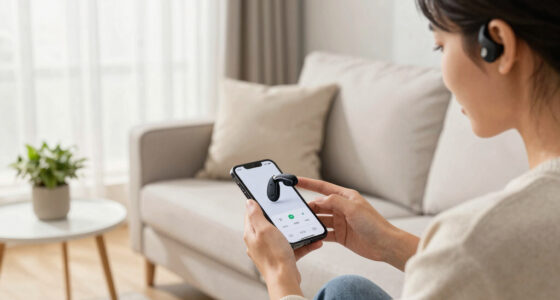
Digital platforms and apps are making guided routines accessible from home. You can follow a virtual seated dance class, with videos tailored for different ability levels, right in your living room. For example, some programs incorporate music and visual cues, making routines more engaging and adaptable.
Inclusive design is also evolving, with tools that cater to cultural diversity and cognitive needs. This broadens participation, ensuring more people can enjoy movement regardless of background or ability.
These innovations not only enhance motivation but also provide valuable data that can inform personalized approaches to movement therapy or fitness. They help bridge gaps caused by geographic, physical, or cognitive barriers, making seated movement more universally accessible and engaging than ever before.
As an affiliate, we earn on qualifying purchases.
Comparison Table: Traditional vs. Modern Seated Movement Tools
| Feature | Traditional Tools | Modern Innovations |
|---|---|---|
| Design Focus | Basic safety and comfort | Interactivity, adaptability, feedback |
| Examples | Basic chairs, resistance bands, scarves | Smart stations, virtual classes, digital tracking |
| User Engagement | Limited to physical movement | Includes music, visuals, progress monitoring |
| Accessibility | Good, but often static | Highly customizable, culturally inclusive |
balance cushions for seated exercises
As an affiliate, we earn on qualifying purchases.
As an affiliate, we earn on qualifying purchases.
Practical Tips: How to Start Using Seated Movement Tools Today
- Assess your needs and abilities—start with simple tools like resistance bands or a comfortable ergonomic chair.
- Choose equipment that feels safe and easy to handle. For example, lightweight scarves are great for expressive movement without strain.
- Follow guided routines—look for online classes or videos designed for your ability level.
- Incorporate music—rhythms boost motivation and help keep movements lively.
- Track your progress—use digital apps or keep a journal to see your improvements over time.
- Consult a professional if needed—especially if you’re recovering from injury or managing health conditions.
Remember, starting small and gradually adding new tools or routines builds confidence and keeps movement fun.
Common Safety Tips for Using Seated Movement Tools
- Always check your equipment for stability and wear before use.
- Use tools on a flat, stable surface to prevent slipping or tipping.
- Start with gentle movements—don’t push into pain or discomfort.
- Adjust the height and support features of your chair or device for proper posture.
- Keep a clear space around you to avoid tripping or knocking over props.
- If you have health concerns, consult a healthcare provider before starting new routines.
Safety first keeps movement enjoyable and prevents setbacks. For example, a wobble cushion should be used on a non-slip surface, and resistance bands should be checked for tears regularly.
How to Incorporate Seated Dance Into Daily Life
Incorporating seated dance into your routine can be simple and uplifting. Set aside 10-15 minutes a day to move with your favorite music, using tools like scarves or resistance bands for added expression and strength.
For example, you might start your morning with a gentle seated routine, swaying and stretching to uplifting tunes. Or, add a midday break where you do simple arm movements to refresh your mind and body.
Online classes and tutorials make this easy—just find a routine that matches your ability level and enjoy the benefits of movement, music, and self-expression.
Remember, consistency turns movement from a chore into a joyful habit that enhances your overall well-being.
What Are the Main Benefits of Using Seated Movement Tools?
Seated movement tools open up a world of benefits—improving flexibility, building strength, and boosting heart health without the risks associated with standing exercises. For seniors and those recovering from injury, they offer a safe way to stay active.
These tools also foster social engagement, especially in group settings, and support emotional health by allowing creative, rhythmic expression. For instance, a community seated dance class can create a sense of belonging and joy, even for those with mobility challenges.
Research shows that regular seated movement can help combat fatigue, improve mood, and maintain independence longer. It’s a gentle but powerful way to nurture your body and mind.
Understanding the full scope of these benefits emphasizes their importance—not just for physical health, but for mental resilience and social connection. They can help reduce feelings of isolation and boost overall quality of life, making movement a holistic part of well-being.
Conclusion
Seated dance and movement tools turn gentle movement into a vibrant, accessible experience. They remind us that movement isn’t just about standing tall—it’s about feeling alive, expressive, and connected. No matter your ability, these tools can help you move with confidence and joy. So, why not start today? Find a favorite song, grab a scarf, and let your body express itself—seated or not, movement is a gift you can give yourself every day.Back to school Picks
back to school
As an affiliate, we earn on qualifying purchases.