
TL;DR

Get everyday helpers delivered free with Prime
- Fast, free delivery on millions of items
- Prime Video, Amazon Music and more included
- Member-only deals all year
Staying active at home with limited mobility is achievable through personalized exercises, adaptive equipment, and virtual programs. Regular activity boosts health and confidence, even with physical limitations.
Start small with gentle, seated exercises to build confidence and avoid injury.
Use adaptive equipment like resistance bands and stability aids to support your activity routine.
Leverage technology—virtual classes, fitness trackers, and apps—to stay motivated and monitor progress.
Prioritize safety by clearing space, wearing supportive footwear, and listening to your body.
Make activity a daily habit by setting reminders and involving caregivers for support.
Staying Active with Limited Mobility at Home
Small, intentional movements can protect strength, flexibility and independence. Begin with what feels manageable, adapt the environment to your needs and let consistency—not intensity—drive progress.
Remote, supervised exercise can improve physical function and quality of life, with benefits comparable to in-person support.
A simple routine that meets you where you are
Think of gentle movement as warming up a car before a drive. Slow preparation helps joints and muscles respond while giving you time to notice how your body feels.
Consistency beats intensity.
Try the routine daily or every other day. Add time or repetitions only when the current level feels controlled and comfortable.
Progress graduallyWarm up
Spend 5 minutes on seated movements, ankle circles or comfortable stretches.
Build
Complete up to 10 minutes of light strength or supported balance work.
Recover
Finish with slow breathing and relaxation to let your body settle.
Five adaptive exercises that make a difference
These movements support strength, flexibility, breathing and balance—the building blocks of safer everyday activity.
Seated leg lifts
Sit upright and lift one leg at a time. Hold briefly, lower with control and switch sides. This strengthens the thighs and hips used for transfers and walking.
Begin with a few repsArm circles
Extend your arms comfortably and make small circles in both directions. Gentle control supports shoulder mobility for reaching, dressing and self-care.
Keep circles smallSeated torso twists
With feet supported, slowly turn your upper body from side to side. Avoid forcing the range; smooth movement supports posture and spinal mobility.
Slow and controlledOne-foot balance
Hold a sturdy chair, counter or railing and briefly lift one foot. Switch sides. Reliable support is essential—progress with assistance when needed.
Support within reachChest expansion
Inhale gently through your nose, allow your chest to expand and exhale slowly. This can support relaxation and endurance. Pause if you feel light-headed.
Never force the breathChoose tools for comfort, space and goals
You do not need a home gym. Start with versatile equipment that supports your current abilities and can be adjusted as strength improves.
| Equipment | Primary purpose | Ease of use | Space need | Best fit |
|---|---|---|---|---|
| Resistance bands | Strength and flexibility | Very low | Adjustable, portable and usable from seated or standing positions | |
| Seated elliptical | Low-impact cardio and leg movement | Moderate | Smooth, joint-friendly movement at an individual pace | |
| Light dumbbells | Muscle building and toning | Low | Controlled strength work when safe form is established | |
| Stability ball | Core strength and balance | Moderate | Posture and core work with appropriate stability support |
Technology can turn intention into a routine
Virtual classes, telehealth and adaptive fitness apps bring guidance into the home. Wearables add reminders and feedback, while live sessions can provide social connection and form checks.
Build a balanced activity system
Illustrative emphasis by role in a sustainable home routine.
The strongest routine prioritizes safety, regularity and personal adaptation before increasing intensity.
Prepare the space before you move
A safer environment reduces distraction and makes it easier to focus on controlled movement. Ask a caregiver, family member or clinician for support when appropriate.
Clear the floor
Remove loose rugs, cords and clutter from the exercise area.
Use stable support
Choose a sturdy chair, rail or counter that will not slide.
Wear supportive shoes
Select secure footwear with reliable grip when standing.
Keep essentials close
Place water, a phone and mobility aids within easy reach.
Listen to your body
Reduce the range, slow down or rest when something feels wrong.
Stop or slow down if you experience pain, dizziness, unusual shortness of breath or sudden weakness. Consult a qualified healthcare professional for exercises adapted to your conditions and symptoms.
Small actions create a powerful chain
Home activity works best as a connected system: prepare, move, observe, adapt and repeat.
Movement still counts when it is small.
How to Kickstart Safe, Simple Exercises at Home
Starting with gentle exercises tailored to your abilities can boost your energy and mood. Think of it as warming up a car before a drive—small, manageable movements prepare your body for more activity. For example, seated arm raises or ankle circles can loosen up stiff joints and muscles.
Here’s a quick plan to get moving:
- Begin with 5-minute warm-up stretches or seated movements.
- Incorporate 10-minute strength or balance exercises.
- Finish with slow, deep breathing or relaxation techniques.
Progress gradually, listening to your body. If you feel pain or dizziness, slow down or pause. Consistency beats intensity—aim for daily or every other day to build a habit.
Engaging in these simple routines helps establish a foundation for more advanced activities over time. Developing consistency is crucial because it trains your body to adapt gradually, reducing the risk of injury or fatigue. The key is to recognize your limits and avoid overexertion, which can lead to setbacks or discouragement. Over time, this approach can lead to improved strength, flexibility, and confidence, empowering you to take on more challenging movements safely.
adaptive resistance bands for seniors
As an affiliate, we earn on qualifying purchases.
As an affiliate, we earn on qualifying purchases.
Top 5 Adaptive Exercises That Make a Difference
These exercises are designed for limited mobility but pack a punch. They focus on strength, flexibility, and balance—key to staying independent.
- Seated leg lifts: Sit upright, lift one leg at a time, hold for a few seconds. This targets thigh and hip muscles, which are vital for mobility and preventing falls. Strengthening these areas helps you perform daily tasks more easily and reduces fall risk. Better muscle control in these regions also enhances your ability to recover from slips or trips, which become more common with age or mobility challenges. The tradeoff is that overexerting can cause fatigue—so start with fewer repetitions and increase gradually.
- Arm circles: Extend arms to the sides, make small circles forward and backward. This improves shoulder mobility, essential for reaching, dressing, and daily self-care. Improved shoulder flexibility also reduces the risk of injury from stiffness or overuse. Maintaining shoulder health prevents compensatory movements that can lead to pain or further mobility issues. The balance here involves avoiding overstretching, which might cause discomfort—gentle, controlled movements are best.
- Seated torso twists: Sit with feet flat, gently turn your upper body side to side. This movement enhances spinal flexibility, which is crucial for maintaining good posture and reducing discomfort from stiff joints. Improved spinal mobility supports overall balance and ease of movement. It can also help alleviate back pain caused by prolonged sitting or poor posture. The tradeoff is that twisting too quickly or forcefully can strain the spine, so slow, controlled motions are recommended for safety.
- Balance on one foot (while holding onto something): Practice standing on one leg briefly, then switch. Building this skill helps strengthen stabilizer muscles, directly reducing the likelihood of falls. Incorporating support like a chair or railing ensures safety while challenging your balance progressively. Enhanced balance not only prevents falls but also improves confidence in daily activities like reaching or bending. The main tradeoff involves ensuring proper support; pushing too hard without support can cause falls, so progress gradually and with assistance when needed.
- Deep breathing with chest expansion: Inhale deeply through your nose, expand your chest, then exhale slowly. This exercise improves lung capacity, which can decline with reduced activity, and promotes relaxation. Better breathing supports endurance and overall vitality, making physical activity easier and more effective. Adequate oxygen intake is fundamental for energy production and recovery, especially for those with limited mobility who may breathe less deeply due to posture or fatigue. The tradeoff is that overdoing deep breathing exercises may cause dizziness in some individuals—so start gently and increase intensity gradually.
Incorporate these into your daily routine. Even 10 repetitions can help build strength and confidence, but understanding why each movement matters encourages consistency and helps you see the long-term benefits of maintaining mobility and independence. Recognizing the purpose behind each exercise can motivate you to stay committed, knowing that these small movements support your overall health and safety.
seated exercise equipment for limited mobility
As an affiliate, we earn on qualifying purchases.
As an affiliate, we earn on qualifying purchases.
Compare Common Equipment for Exercising at Home
| Equipment | Purpose | Ease of Use |
|---|---|---|
| Resistance Bands | Strength training, flexibility | High — lightweight and adjustable, ideal for limited space and mobility constraints, allowing a variety of exercises without heavy equipment. |
| Seated Elliptical Machine | Low-impact cardio, leg movement | Moderate — requires setup and space, but offers a smooth, joint-friendly workout that can be tailored to individual pace, reducing strain on joints. |
| Light Weights or Dumbbells | Muscle building, toning | Moderate — need proper form and control; lightweight options make it easier to perform exercises safely without risking injury from overexertion. |
| Stability Ball | Core strength, balance | Moderate — requires space and stability; useful for engaging core muscles and improving posture, which are vital for overall functional mobility. |
Select equipment based on your space, comfort, and goals. Resistance bands are especially versatile and gentle for limited mobility users because they provide adjustable resistance and can be used in a variety of positions, making them accessible for different levels of strength and flexibility.
Understanding the tradeoffs of each piece of equipment helps you choose what best fits your needs and environment. For example, resistance bands are portable and versatile but may require guidance to ensure proper form. A seated elliptical offers cardiovascular benefits but needs space and a power source. Weighing these factors ensures your exercise setup is both effective and sustainable, aligning with your goals and limitations.
virtual fitness classes for seniors
As an affiliate, we earn on qualifying purchases.
As an affiliate, we earn on qualifying purchases.
How Technology Can Boost Your Home Activity Routine
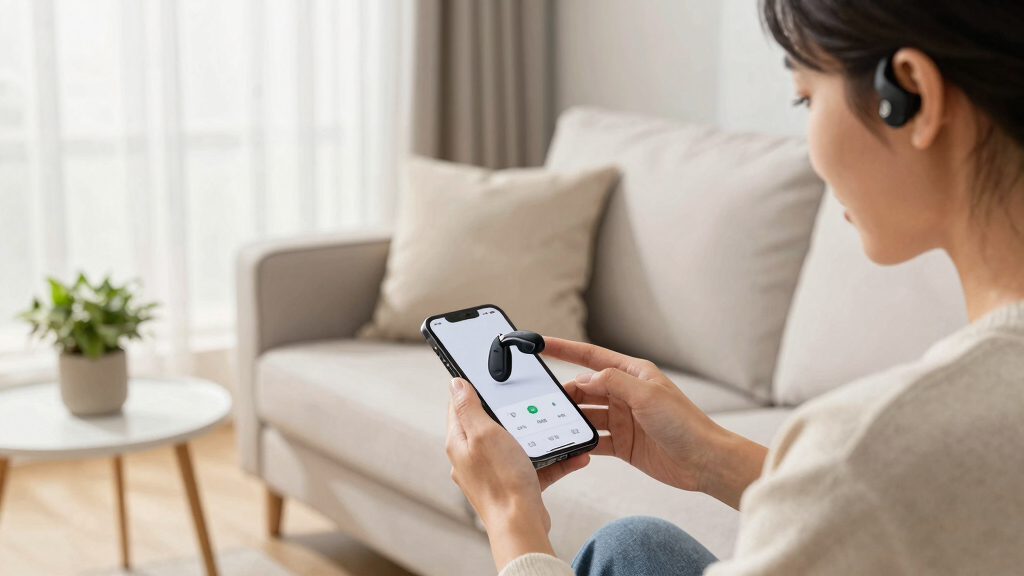
Technology makes staying active easier and more engaging. Virtual classes, telehealth sessions, and fitness apps tailored for limited mobility are game-changers. For example, a daily virtual yoga class designed for seniors can provide guidance and motivation from the comfort of your living room.
Wearable devices like smartwatches track your steps, monitor heart rate, and send reminders to move. They turn activity into a game, encouraging consistency. Some apps even connect you with coaches or peer groups, adding social motivation.
Recent studies highlight how remote programs can improve physical function and mental health, especially when in-person options are limited. These tools also help you set realistic goals, track your progress, and adjust routines as your needs change, making your exercise plan more personalized and sustainable. Using technology not only keeps you motivated but also provides data that can be shared with healthcare providers to optimize your safety and effectiveness.
Deep integration of technology into your routine can also help identify patterns or barriers to activity, such as low motivation or fatigue, allowing for tailored adjustments. The tradeoff is that some individuals may find technology intimidating or difficult to use initially; choosing user-friendly tools and seeking support can mitigate this barrier, ensuring technology enhances rather than hinders your progress.
stability aids for at-home exercise
As an affiliate, we earn on qualifying purchases.
As an affiliate, we earn on qualifying purchases.
Safety First: How to Exercise Without the Risk of Injury
Safety is the foundation of any home exercise plan. Clear clutter, secure loose rugs, and keep a sturdy chair or support nearby. Wearing supportive shoes or slippers with good grip prevents slips. Recognize your limits—stop if you feel pain, dizziness, or excessive fatigue.
For example, if you’re doing a balance exercise, hold onto a counter or a sturdy table. Use adaptive equipment like grab bars or cushioned mats to reduce impact and support joints. These precautions help prevent falls and injuries, which are common concerns for people with limited mobility. They also allow you to exercise confidently, knowing you have a safe environment that minimizes hazards. Remember, the goal is to create a routine that enhances your strength and flexibility without risking setbacks due to injury. Regularly reassessing your environment and equipment ensures ongoing safety as your abilities evolve. Incorporating safety measures reduces anxiety about falling or injury, which can otherwise discourage consistent activity. Prioritizing safety fosters a positive experience, making it easier to develop and maintain an exercise habit that supports your independence.
Discussing safety with your healthcare provider can also help identify specific risks or modifications needed for your condition, ensuring your routines are both effective and safe. Always listen to your body and avoid pushing beyond your comfort zone, especially when trying new exercises or increasing intensity.
How to Make Exercise a Regular Part of Your Day
Forming habits takes small, consistent steps. Pick a specific time—morning, lunch break, or evening—and stick to it. Pair exercise with daily routines, like after breakfast or before dinner, to build a routine that sticks.
Use reminders on your phone or notes on the fridge. Involve family or caregivers to keep you accountable. Celebrate small wins—each day you move counts. These strategies reinforce your commitment and help establish lasting habits, making physical activity a natural part of your daily life rather than an occasional effort.
Creating a routine not only establishes consistency but also reduces the mental barrier to starting each day. When activity becomes habitual, it requires less motivation and willpower, making it more sustainable long-term. For example, linking a short stretching session to a daily coffee or tea time can serve as a cue, turning a simple moment into a meaningful health practice. Over time, this consistency builds resilience, improves mood, and supports your independence. The tradeoff is that rigid routines may sometimes feel monotonous; varying activities or incorporating new exercises can keep your routine engaging and prevent boredom, ensuring ongoing motivation.
What to Do When Pain or Discomfort Arises During Exercise
If you experience pain, stop immediately. Mild discomfort is normal, but sharp pain is a sign to pause and reassess. Consulting your healthcare provider can clarify whether an activity is safe for you.
Adjust exercises—reduce range of motion, lower resistance, or switch to seated options. Listening to your body is key. Remember, gentle movement is better than no movement. Pushing through pain can worsen injuries or cause setbacks, so understanding your limits is essential for safe progress. Recognizing early signs of strain allows you to modify your routine before discomfort turns into injury, ensuring you can maintain a consistent exercise habit without risking your health.
For instance, if a stretch causes sharp pain, back off and try a gentler version or focus on breathing and relaxation instead. This mindful approach helps you stay active safely and sustainably.
Understanding the difference between discomfort and pain is crucial. Discomfort might mean your muscles are working, but pain signals that something is wrong. Ignoring pain can lead to more serious injuries, setbacks, or chronic issues, which can diminish your confidence and ability to stay active. Developing a habit of listening to your body and seeking professional advice when needed ensures that your exercise routine remains a positive, safe experience that supports your long-term mobility and health.
Resources and Programs That Support Your Active Lifestyle
Many local and online programs cater to people with limited mobility. Community centers often offer tailored classes, and nonprofits provide accessible fitness resources. Online platforms like YouTube host free videos designed for seniors and those with disabilities.
Check if your area has telehealth programs linking you with physical therapists or trainers specialized in adaptive fitness. These services can guide you safely and effectively. Participating in these programs not only provides expert guidance but also helps you stay motivated by connecting with others who face similar challenges. Access to professional support reduces the risk of injury and ensures your routines are appropriate for your specific needs, making it easier to stay committed and progress safely.
Engaging with resources that understand your unique needs can also provide educational support, helping you learn proper technique and avoid common pitfalls. Building a network of support—whether through local groups, online communities, or professional services—creates accountability, encouragement, and tailored advice, which are all vital for sustained activity. Remember, a well-supported journey enhances your confidence and makes your efforts more effective, leading to better health outcomes and greater independence.
Frequently Asked Questions
What types of exercises are safe for someone with limited mobility?
Seated exercises like leg lifts, arm circles, and gentle stretches are safe options. Focus on low-impact movements that don’t cause pain or fatigue. Always start slow and consult your healthcare provider to tailor activities to your needs.
How can I stay motivated to exercise at home?
Set small, achievable goals and create a routine at a consistent time each day. Incorporate enjoyable activities, use reminders, and involve family or caregivers for support. Tracking your progress with a simple journal or app can also boost motivation.
Are there specific exercises for improving balance and preventing falls?
Yes. Practice standing on one foot while holding onto a sturdy support, do heel-to-toe walks, and gentle Tai Chi or yoga adapted for limited mobility. These build strength and confidence, reducing fall risk.
What equipment do I need to start exercising at home?
Basic items like resistance bands, a sturdy chair, lightweight dumbbells, and a non-slip mat can go a long way. Choose versatile equipment that fits your space and comfort level.
How often should I exercise, and for how long?
Aim for at least 3-5 days a week, starting with 10-15 minutes per session. Gradually increase duration and intensity as your strength and endurance improve. Consistency is more important than length or difficulty.
Conclusion
Moving your body, even a little, nurtures your independence and mental well-being. The key is consistency, safety, and choosing activities that bring you joy. Your next step might be as simple as a seated stretch or a daily walk with a support cane—every movement counts. Imagine a life where staying active feels natural, not daunting. That’s the power of small, thoughtful steps.Columbus Day / Indigenous Peoples' Day Picks
long weekend sales
As an affiliate, we earn on qualifying purchases.