TL;DR

Get everyday helpers delivered free with Prime
- Fast, free delivery on millions of items
- Prime Video, Amazon Music and more included
- Member-only deals all year
An accessible fishing or outdoor kit should prioritize ease of use, durability, and customization. Focus on adaptive features, weather resistance, and safety to enjoy outdoor activities confidently, regardless of ability.
Imagine standing at the edge of a peaceful lake, sunlight dancing on the water. Now, picture doing that comfortably, even with physical limitations. Choosing the right accessible fishing or outdoor kit makes that scene possible. It’s about more than just gear — it’s about independence, confidence, and connecting with nature on your terms.
This guide walks you through what to look for, recent trends, and practical tips. Whether you’re new to adaptive outdoor recreation or upgrading your gear, you’ll find ideas to make your outdoor adventures more accessible and enjoyable.
Prioritize adaptive features like ergonomic grips, lightweight materials, and adjustability when choosing outdoor gear.
Durability and weather resistance are crucial for outdoor gear to withstand tough conditions.
Portability with organized compartments makes outdoor kits easier and safer to carry and access.
Customizing gear with assistive accessories enhances usability for individual needs.
Utilize community resources and organizations for support, reviews, and grants to access adaptive gear.
How to Choose an Accessible Fishing or Outdoor Kit
The best kit creates independence, not extra work. Prioritize equipment that is easy to operate, durable in unpredictable conditions, organized for quick access, and adaptable to your body, senses, and preferred activity.
Start with the barriers the kit needs to remove
Make every control easier to use
Choose large textured grips, low-force mechanisms, lightweight parts, and controls that can be operated with one hand. The goal is secure handling without strain.
Build in clear feedback
High-contrast colors, tactile markings, audible alerts, and uncomplicated labels help users identify tools and confirm actions quickly.
Prepare for water, dirt, and impact
Look for sealed storage, reinforced joints, corrosion-resistant metals, and impact-resistant shells. Reliability matters most when conditions change.
Standard kits versus accessibility-first design
| Feature | Standard kit | Adaptive kit | Why it matters |
|---|---|---|---|
| Handles | ✕Small, standard grips |
✓Large, ergonomic, textured grips |
Improves control and reduces hand strain |
| Materials | ~Basic plastic or metal |
✓Impact- and corrosion-resistant |
Extends useful life in wet conditions |
| Weight | ~Moderate and evenly specified |
✓Lightweight and balanced |
Reduces fatigue during transport and use |
| Adjustability | ✕Limited fixed components |
✓Custom grips, mounts, and controls |
Fits the user instead of forcing compensation |
| Weather resistance | ~Basic protection |
✓Waterproof, sealed components |
Protects essential equipment and electronics |
| Feedback | ✕Mostly visual and small-scale |
✓Visual, tactile, or audible cues |
Supports varied sensory needs |
✓ strong support ~ variable support ✕ commonly limited
Three steps to make the equipment work for you
Identify the friction
Notice where grip, reach, weight, balance, vision, hearing, or endurance makes the activity difficult. Prioritize the barriers that affect safety first.
Choose flexible gear
Select adjustable rod grips, reel handles, straps, mounts, and modular storage. Test the setup from the position in which it will actually be used.
Add targeted support
Use grip enhancers, tactile markers, safety leashes, rod holders, audible aids, or electronic sensors only where they solve a defined need.
For limited hand strength: combine a cushioned textured grip, a large one-handed reel control, a lightweight adjustable rod holder, and a safety leash. Each addition removes a specific point of strain or risk.
Choose for real conditions, not specifications alone
Run a five-minute safety check
Accessible gear still needs inspection and maintenance. Check the complete system—including attachments and electronic aids—before every outing.
Inspect grips and locks
Confirm handles are intact and every adjustable component is securely fastened.
Test electronic aids
Check batteries, sensors, audible alerts, and backup power before leaving.
Control wet surfaces
Use non-slip mats, textured footwear, and stable positioning near water.
Secure loose equipment
Add a leash to rods or tools that could be dropped, lost, or become a hazard.
Test before investing whenever possible. Borrow through an adaptive recreation program, seek community reviews from people with similar needs, and ask local organizations about equipment grants or lending libraries.
What features make outdoor gear truly accessible?
Accessible outdoor gear is designed to be easy to handle, safe, and adaptable. Think ergonomic handles that fit comfortably in your hand, lightweight materials that won’t tire you out, and adjustable parts that suit different needs. Bright colors, high contrast, or tactile markings can help visually impaired users identify tools quickly.
For example, a fishing rod with a large, textured grip allows someone with limited dexterity to hold it securely, while a reel with a one-handed operation system simplifies the process.
Recent innovations include electronic aids, like voice-activated controls or sensors that detect fish movement, which make outdoor activities more inclusive.
Understanding these features is crucial because they directly impact your ability to use equipment comfortably and safely. For instance, ergonomic handles reduce strain during extended use, while tactile markings help prevent errors. The tradeoff often lies in balancing advanced features with simplicity and cost—more sophisticated electronics might enhance usability but could also require more maintenance or higher investment. Prioritizing features based on your specific needs ensures your gear enhances independence without becoming a source of frustration.
adaptive fishing gear with ergonomic grips
As an affiliate, we earn on qualifying purchases.
As an affiliate, we earn on qualifying purchases.
How to pick gear that can handle tough outdoor conditions
Durability and weather resistance are key because outdoor environments are unpredictable and can be harsh. Your gear needs to withstand rain, dirt, temperature swings, and rough handling without compromising performance. Waterproof or water-resistant components protect your equipment from damage and ensure reliability during critical moments.
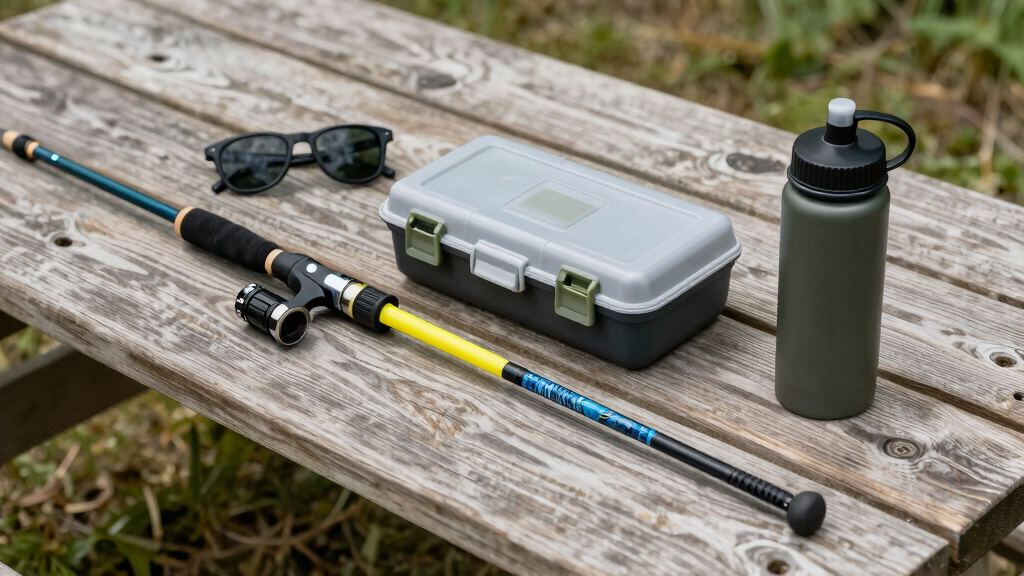
For example, a fishing tackle box made from impact-resistant plastic with sealed compartments not only keeps your gear dry but also prevents damage from accidental drops or impacts. This durability means your gear remains functional over time, reducing the need for frequent replacements, which can be costly and inconvenient.
Look for gear with corrosion-resistant metals and reinforced joints because exposure to moisture and salt can quickly degrade standard materials. Investing in weatherproof gear might seem costly initially, but it pays off by extending lifespan and maintaining safety and efficiency. The tradeoff is often weight—more durable, weatherproof materials may add weight, so consider your capacity to carry heavier equipment versus the need for robustness. Selecting gear that balances these factors based on your typical conditions ensures you’re prepared for whatever nature throws your way, keeping your outdoor experiences safe and enjoyable.
weather-resistant outdoor kit for disabilities
As an affiliate, we earn on qualifying purchases.
As an affiliate, we earn on qualifying purchases.
The best way to choose portable, organized outdoor kits
Portability isn’t just about weight; it’s about how easily you can access your gear when needed. Selecting lightweight kits with compact designs allows you to carry everything comfortably, especially over uneven terrain or long distances. Modular compartments or quick-access pockets are essential—they help you organize your gear so you can find what you need quickly, minimizing frustration and saving time during critical moments.
For instance, a fishing bag with clearly labeled sections for tackle, accessories, and safety items enables quick retrieval, which is vital when you’re in a hurry or in unpredictable environments. Proper organization reduces the risk of losing items or fumbling with unorganized gear, which could lead to safety issues or missed opportunities.
Consider how you’ll transport your kit: sturdy shoulder straps or backpack straps distribute weight evenly, reducing fatigue. Durable zippers and clasps prevent accidental spills or equipment loss, ensuring your gear stays secure during movement. The tradeoff here involves balancing weight and capacity; overly lightweight kits might lack sufficient storage, while larger, more organized systems could be heavier. Finding the right balance based on your strength, endurance, and the length of your outings will ensure your kit enhances your outdoor experience without becoming a burden.
portable organized outdoor fishing kit
As an affiliate, we earn on qualifying purchases.
As an affiliate, we earn on qualifying purchases.
3 easy steps to customize your outdoor gear for your needs
- Assess your abilities and identify which features need support — like grip, weight, or visibility. Understanding your limitations helps you target specific modifications, ensuring your gear truly enhances your independence rather than complicating it.
- Choose gear with adjustable or customizable parts — such as rod grips, reel handles, or mounting options. This flexibility allows you to tailor your equipment to your comfort and safety, making outdoor activities more enjoyable and less frustrating.
- Add assistive accessories, like grip enhancers, tactile markers, or electronic aids, to further adapt your gear. These additions can compensate for specific challenges, such as limited hand strength or visual impairments, and can significantly improve usability and confidence during outdoor recreation.
For example, someone with limited hand strength might replace standard handles with cushioned, textured grips and add a lightweight, adjustable rod holder. Customizing your kit isn’t just about convenience; it’s about creating an environment where you can enjoy outdoor activities safely and independently. A well-tailored setup reduces fatigue and frustration, enabling you to focus on the experience and connection with nature.
adaptive outdoor gear with customizable accessories
As an affiliate, we earn on qualifying purchases.
As an affiliate, we earn on qualifying purchases.
Comparison table: Standard vs. Adaptive Outdoor Kits
| Feature | Standard Kit | Adaptive Kit |
|---|---|---|
| Handles | Small, standard grips | Ergonomic, textured, large grips |
| Material | Basic, lightweight plastic or metal | Impact-resistant, corrosion-proof, eco-friendly |
| Weight | Moderate | Lightweight for ease of transport |
| Adjustability | Limited | Fully adjustable or customizable |
| Weather Resistance | Basic | Waterproof, sealed components |
Safety tips for using accessible outdoor gear
Always double-check your gear before heading out. Make sure locks are secure, grips are intact, and batteries or electronic parts are functioning. Use non-slip mats or textured surfaces to prevent slips, especially on wet ground.
For example, a user with limited grip strength might attach a safety leash to their rod or reel to prevent accidental drops. Clear labels and instructions also help avoid mishaps, especially in unfamiliar environments.
Remember, staying aware of your surroundings and maintaining your gear regularly keeps your outdoor adventures safe and smooth.
Where to find resources and support for accessible outdoor recreation
Many organizations offer guides, workshops, and reviews of adaptive gear. Local outdoor clubs and disability support groups can connect you with resources and community experiences. Online forums are also rich with advice and firsthand stories.
Check out reputable sources like national parks’ accessibility pages or nonprofit organizations dedicated to inclusive recreation. They often list grants, equipment programs, or accessible trail maps to help you plan your outings confidently.
Utilizing these resources makes it easier to find gear that fits your needs and connect with others who share your passion.
Frequently Asked Questions
What features should I look for in an accessible fishing kit?
Look for ergonomic, textured grips, lightweight and impact-resistant materials, adjustable components, and waterproof features. These make handling easier and your gear more reliable in outdoor conditions.Are there affordable options for adaptive outdoor gear?
Yes, many organizations and community programs offer budget-friendly gear or grants. Focus on essential adaptive features first, and explore online reviews and local resources for affordable choices.How can I modify standard equipment to make it more accessible?
Add grip enhancers, replace handles with ergonomic options, or attach assistive accessories like tactile markers or electronic aids. Custom modifications can transform standard gear into a personalized, accessible setup.What resources are available to find adaptive outdoor gear?
Organizations, outdoor clubs, and online communities provide reviews, support, and grants. Reputable sites like national parks’ accessibility pages also list resources and trail maps for inclusive recreation.How do I ensure safety when using accessible outdoor equipment?
Regularly inspect your gear, secure all locks and attachments, and use non-slip surfaces. Staying aware of your environment and maintaining your gear ensures safe, enjoyable outdoor experiences.Conclusion
Choosing an accessible fishing or outdoor kit isn’t just about gear — it’s about reclaiming your outdoor independence. Focus on adaptive features, durability, and customization to enjoy nature confidently and safely. Remember, the right gear can turn a challenging outing into a moment of pure connection with the outdoors.
So, gear up smartly, and get ready to explore with confidence — nature is waiting.
Halloween Picks
halloween
As an affiliate, we earn on qualifying purchases.