
TL;DR

Get everyday helpers delivered free with Prime
- Fast, free delivery on millions of items
- Prime Video, Amazon Music and more included
- Member-only deals all year
Getting started with adaptive cycling involves choosing the right modified bike, ensuring proper fit, and understanding safety. Innovations like lightweight materials and electric assist are expanding options. With support, it’s a powerful tool for fun, health, and independence.
Imagine feeling the wind on your face, the sound of tires crunching pavement, and a fresh sense of freedom. Adaptive cycling makes this possible for many people with disabilities, turning mobility challenges into opportunities for joy and independence. You don’t need to be an athlete—just a willingness to explore new ways to move and participate.
This guide will walk you through what adaptive cycling is, the latest innovations, and how to get started. Whether you’re new or considering a step up in your journey, you’ll find practical tips and real-world examples to help you pedal toward your goals.
Choosing the right adaptive cycle depends on your physical abilities, comfort preferences, and riding goals.
Getting a professional assessment ensures your bike fits perfectly, increasing safety and enjoyment.
Recent innovations like lightweight materials and electric assist open new possibilities for riders of all levels.
Safety gear, proper fit, and accessible routes are essential for a confident, enjoyable ride.
Starting with small, safe practice sessions builds skills and confidence for longer adventures.
Getting Started with Adaptive Cycling
Feel the wind, hear the tires on the pavement, and discover a fresh sense of freedom. Modified cycles turn mobility challenges into opportunities for movement, health, connection, and independence—no athletic background required.
Which cycle suits you?
Adaptive cycling is not one-size-fits-all. Start with how you propel, balance, transfer, sit, steer, and brake—then match those needs to the terrain and kind of riding you want to enjoy.
Handcycle
Hand cranks provide propulsion and steering for riders with limited lower-limb function. Available in recreational and performance configurations.
Recumbent trike
A reclined seat distributes pressure and lowers the center of gravity, supporting comfort, control, and confidence over longer rides.
Upright trike
Three wheels add low-speed stability while retaining a familiar upright riding position and conventional pedal motion.
Side-by-side
Two riders sit together, allowing a companion to support navigation, braking, propulsion, or communication during the ride.
Custom frame
Harnesses, foot supports, custom seating, steering aids, and alternative controls create a configuration around the individual rider.
Electric assist
A motor supplements human effort, helping riders manage hills, fatigue, longer distances, and variable terrain without overexertion.
Fit creates control.
A professional assessment connects your measurements, strength, mobility, comfort, and riding goals. Like tailoring a suit, small adjustments can make the difference between strain and sustainable enjoyment.
Discuss ability, transfers, balance, vision, and goals.
Try different frames, seats, controls, and supports.
Fine-tune reach, alignment, support, and braking.
Build skills in a quiet, level, accessible area.
Your fitting checklist
- Schedule an assessment with an adaptive cycling specialist or therapist.
- Share your physical capabilities, comfort preferences, and riding ambitions.
- Test mounting, starting, stopping, turning, braking, and dismounting.
- Check pressure points, joint alignment, reach, restraint, and foot placement.
- Adjust until the cycle feels secure, predictable, and comfortable.
Lighter. Smarter. More adaptable.
New materials reduce handling effort, electric assistance extends range, and customizable controls accommodate more bodies. GPS, sensors, and connected apps can add navigation, safety, and motivation.
| Feature | Traditional cycles | Modern innovation |
|---|---|---|
| Frame weight | ✗Heavier and harder to transfer or transport | ✓Light alloys and carbon-fiber options |
| Motor support | ~Manual or basic electric assistance | ✓Adjustable assist for hills and distance |
| Configuration | ~Limited fixed component choices | ✓Modular seating, controls, and supports |
| Connectivity | ✗Little or no integrated technology | ✓GPS, sensors, ride data, and app links |
| Ride potential | ~Range shaped mainly by rider endurance | ✓Broader terrain and participation options |
What innovation unlocks
Conceptual impact based on the practical advantages described for current adaptive-cycle technology.
Assistance is a spectrum
Choose support that preserves meaningful movement while keeping terrain, distance, fatigue, and recovery manageable.
Plan the rider and the route.
Safety depends on the complete system: rider, cycle, protective gear, training, maintenance, environment, and local rules. Begin within your comfort zone and use a companion when extra support helps.
Protect
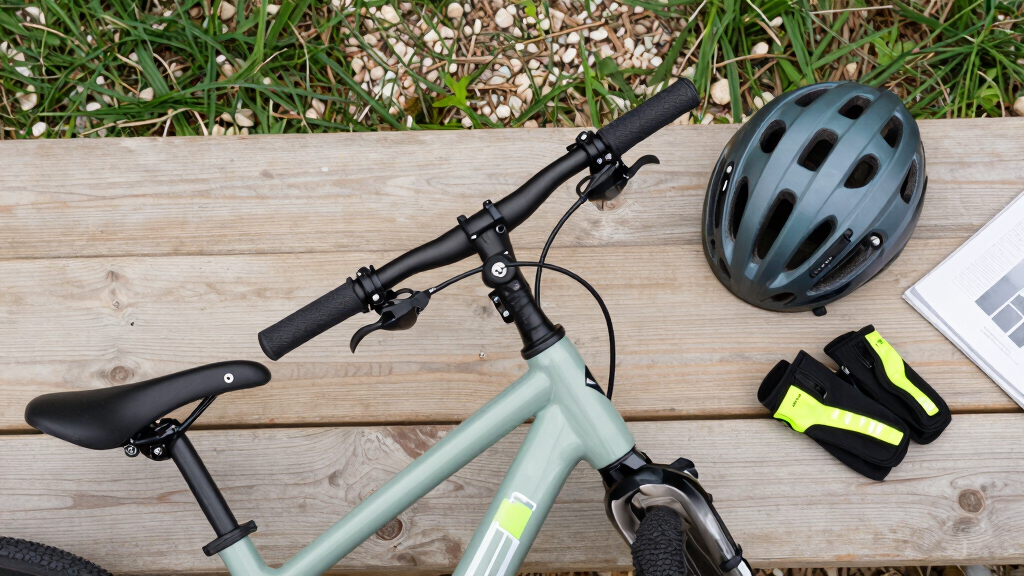
Wear a properly fitted helmet. Add lights, reflectors, visible clothing, and any recommended supports.
Inspect
Check tires, brakes, restraints, batteries, steering, fasteners, and transfer equipment before riding.
Practice
Rehearse starts, stops, turns, slopes, emergency braking, and communication in a protected space.
Navigate
Choose smooth surfaces, gentle slopes, clear signage, adequate width, rest points, and safe crossings.
Start small. Build forward.
Short, successful practice sessions create skills and confidence for longer adventures. The aim is not immediate speed or distance—it is a positive experience you want to repeat.
Find support
Contact a therapist, community program, hospital, or adaptive sports organization.
Try options
Rent or test several designs before committing to equipment.
Dial in fit
Adjust the seat, reach, controls, restraints, and supports.
Practice safely
Use a flat, quiet space and learn one skill at a time.
Expand gradually
Add distance, terrain, and independence as confidence grows.
What Types of Adaptive Cycles Will Suit You Best?
Adaptive cycling isn’t one-size-fits-all. It’s a flexible world of bikes and trikes designed to meet different needs. For example, handcycles are perfect if lower limb movement is limited—they’re powered by your arms. Recumbent trikes offer comfy, reclined seating, ideal for those with back or balance issues. Three-wheeled bikes give extra stability, making them a safe choice for beginners or those with balance concerns.
Consider your physical abilities, comfort preferences, and riding environment. For instance, someone with limited leg strength might prefer a motorized trike, while a person with good upper body mobility might enjoy a handcycle for a workout. Think about who will ride—children, seniors, or active adults—and pick a style that matches their needs.
Choosing the right type isn’t just about current ability; it influences your confidence, safety, and enjoyment. For example, a bike that’s too difficult to control may discourage regular use or pose safety risks, while an overly simple bike might not provide enough challenge or support for your goals. Understanding these tradeoffs helps ensure you select a cycle that encourages consistent use and growth in your mobility skills.
As an affiliate, we earn on qualifying purchases.
How to Find the Perfect Fit for Your Adaptive Bike
Getting the right fit is crucial for safety and enjoyment. Adaptive bikes are customized based on your size, strength, and mobility. An improper fit can lead to discomfort, reduce control, and increase the risk of falls or injuries—factors that can discourage regular use. When a bike fits well, it allows you to ride with confidence, reduces fatigue, and minimizes strain on your body, which is especially important for individuals with physical limitations.
Most suppliers recommend an assessment by a trained professional to measure your reach, comfort, and balance. Think of it like tailoring a suit—every detail matters because a poorly fitted bike can cause discomfort or even exacerbate existing issues. For example, if the handlebars are too high or low, it can strain your shoulders or back; if the seat isn’t properly aligned, it can affect your pedaling efficiency or stability.
Investing in a proper fit isn’t just about comfort—it directly impacts your safety and riding confidence. A well-fitted bike ensures you maintain control, reduces the likelihood of falls, and enables you to ride longer and more frequently. This, in turn, leads to better physical health, mental well-being, and a more enjoyable riding experience. Working with professionals to fine-tune your bike is a key step toward creating a positive, sustainable cycling habit.
- Schedule an assessment with a certified adaptive cycling specialist or therapist.
- Share your physical capabilities and preferences.
- Test different models and configurations.
- Adjust until you find a comfortable, secure fit.
- Practice in a safe, accessible area before hitting busy streets or trails.
As an affiliate, we earn on qualifying purchases.
The Latest Innovations Making Adaptive Cycling Easier and More Fun
Recent advances are transforming adaptive cycling by addressing traditional limitations and opening new possibilities for riders. Lighter, stronger materials like carbon fiber significantly reduce bike weight, which makes handling, mounting, and dismounting easier—especially for users with limited strength or endurance. This reduction in weight can be the difference between a bike that’s manageable and one that’s cumbersome, directly impacting how often and comfortably you ride.
Electric-assist motors are another game-changer. They provide pedal support that reduces physical fatigue, allowing riders to tackle steeper hills, longer distances, and more challenging terrains without overexerting. This not only enhances enjoyment but also broadens accessible environments—from city streets to rural trails—making cycling a more inclusive activity. Customizable parts, such as adjustable seats, handlebars, and controls, enable each bike to be tailored to individual needs, improving comfort and confidence.
Some adaptive cycles now incorporate smart technology—GPS navigation, sensors, and connectivity—that enhance safety and engagement. Imagine an electric trike with built-in navigation that guides you along safe routes or a handcycle connected to a smartphone app that tracks your rides and health metrics. These innovations foster a sense of community, motivation, and independence, encouraging sustained participation. As these technologies become more affordable and widespread, they are helping to create a more inclusive cycling culture that welcomes everyone regardless of ability or experience.
| Feature | Traditional Adaptive Cycles | Modern Innovations |
|---|---|---|
| Weight | Heavier, harder to handle | Lighter, portable materials |
| Motor Assistance | Manual or basic electric options | Advanced electric assist with customization |
| Connectivity | None | GPS, sensors, smart app integration |
As an affiliate, we earn on qualifying purchases.
What Do You Need to Know About Safety and Accessibility?
Safety is non-negotiable. Always wear a helmet, and consider additional safety gear like reflective vests or lights, especially if you plan to ride near traffic. Proper fitting is essential—ill-fitting bikes can cause discomfort or accidents. Regular maintenance and checks keep your cycle in top shape.
Accessibility isn’t just about the bike; it’s about where you ride. Seek out routes with smooth pavement, gentle slopes, and clear signage. Many communities are expanding accessible bike paths—look for local parks, bike trails, or dedicated cycling spaces.
For example, a rider with a visual impairment might use tactile cues or auditory signals to stay safe. Others might prefer riding in familiar areas until they build confidence. Always ride within your comfort zone and consider riding with a companion until you’re more confident.
Understanding safety and accessibility means recognizing that both equipment and environment impact your riding experience. Proper safety gear reduces the risk of injury, while choosing accessible routes ensures you can ride comfortably and confidently. Being aware of these factors helps prevent accidents and encourages a positive, injury-free experience that supports ongoing participation in cycling as a healthy, enjoyable activity.
lightweight adaptive cycling frame
As an affiliate, we earn on qualifying purchases.
As an affiliate, we earn on qualifying purchases.
Getting Started: Your First Steps into Adaptive Cycling
Starting is easier than you think. Begin by talking to a specialist or visiting a local adaptive cycling program. They can help you pick the right bike and offer beginner lessons. Practice in a quiet, flat area like a park or driveway to build confidence.
For example, a new rider might spend an hour learning how to steer, brake, and pedal in a safe space. Gradually, they can increase distance and complexity. Remember, patience is key—every rider progresses at their own pace.
Understanding that initial steps are about building confidence and familiarity is essential. Small, manageable practice sessions help you learn controls and develop muscle memory without feeling overwhelmed. Over time, this approach helps establish a solid foundation for longer rides and more challenging terrains, making the journey both safe and enjoyable.
- Identify your needs and physical abilities.
- Connect with a local adaptive cycling organization or professional.
- Attend an introductory session or trial ride.
- Practice regularly in safe environments.
- Join community rides or events to stay motivated.
Frequently Asked Questions
Who is suitable for adaptive cycling?
People with various disabilities—mobility impairments, neurological conditions, or balance issues—can often benefit from adaptive cycling. With the right modifications, many find it an accessible, fun way to stay active and independent.
How do I choose the right adaptive cycle?
Selection depends on your physical abilities, preferences, and riding environment. Consulting with a specialist or therapist helps match you with a cycle that’s safe, comfortable, and suits your goals.
Are adaptive cycles covered by insurance?
Coverage varies widely. Some regions and plans offer assistance or grants. Check with local programs or your insurer to explore options for support.
Where can I find adaptive cycling programs or equipment?
Many community centers, hospitals, and adaptive sports organizations offer programs. Equipment can be rented, purchased from specialized vendors, or customized to your needs.
How can I get started if I’m new to adaptive cycling?
Begin by consulting a professional or visiting a local program. Practice in familiar, safe environments, and take small steps—building confidence with each ride.
Conclusion
Adaptive cycling turns mobility into an adventure, not a barrier. Take the step—consult experts, explore options, and enjoy the wind on your face. With each pedal stroke, you move closer to independence and joy.
Remember, it’s not about perfecting the ride but enjoying the freedom it brings. So, gear up, find your route, and start pedaling toward a more active, connected life.
Halloween Picks
halloween
As an affiliate, we earn on qualifying purchases.