
TL;DR

Get everyday helpers delivered free with Prime
- Fast, free delivery on millions of items
- Prime Video, Amazon Music and more included
- Member-only deals all year
A well-designed bedroom minimizes obstacles, uses assistive devices, and incorporates technology to make transfers safer and easier. Small changes can significantly boost independence and safety.
Imagine waking up and stepping out of bed without fear of slipping or hitting obstacles. Simplifying transfers isn’t just about comfort — it’s about safety, dignity, and independence. Every detail in your bedroom layout can make a difference. From flooring choices to furniture placement, small adjustments can turn a tricky space into a safe haven.
In this guide, you’ll discover concrete strategies to make your bedroom more accessible. Whether you’re setting up your own space or helping a loved one, these practical tips will help you create a room that promotes confidence in every transfer.
Clear pathways, good lighting, and contrasting colors dramatically reduce transfer accidents.
Choosing an adjustable bed at the right height simplifies standing and sitting.
Selecting appropriate transfer aids depends on your mobility level and daily needs.
Smart tech and ergonomic furniture can boost independence without major renovations.
Proper room layout and safety features improve confidence and reduce caregiver strain.
Accessible bedroom field guide · Safety by design
Setting Up a Bedroom for Easier Transfers
A thoughtful room minimizes obstacles, supports natural movement and puts help exactly where it is needed. Small changes can strengthen safety, dignity and independence every time someone moves into or out of bed.
Recommended clear pathway around the bed
General range for a transfer-friendly bed height
Useful starting point for many seated transfers
Night lighting and essentials kept within reach
Build a clear runway
Transfers become more predictable when the route is visible, uncluttered and slip-resistant. Begin with the room itself before adding equipment.
Remove every obstacle
Relocate loose cords, shoes, rugs and small furniture. Preserve a continuous three-foot route between the bed, chair, bathroom and doorway.
01Layer the lighting
Combine glare-free ambient light with a reachable bedside lamp. Motion sensors or voice controls prevent fumbling for switches at night.
02Make edges obvious
Use non-slip flooring and strong color contrast between floors, furniture and edges. Avoid unstable mats unless they are firmly secured.
03Choose for the transfer
The right height lets both feet rest flat while the person sits near the bed edge. A bed that is too high or low can increase strain and instability.
Find the functional height
Start near 18 inches, then adjust for the person’s leg length, footwear, chair height and transfer technique. Adjustable beds offer the most flexibility.
| Transfer aid | Ease of use | Cost | Best suited to | Key tradeoff |
|---|---|---|---|---|
| Transfer board | Sliding from bed to chair | Requires technique and some upper-body control | ||
| Slide sheet | Reducing friction and repositioning | Often needs assistance for correct placement | ||
| Ceiling lift | Frequent or higher-support transfers | Lowest physical effort, but installation is needed | ||
| Powered transfer chair | Assisted transfers in compact spaces | Needs charging, storage and user training |
Put support in the right place
The safest layout reduces turning distance, keeps equipment available and gives both the user and caregiver enough room to move without twisting or reaching.
zone
Anchor stable support
Place a properly installed grab bar, bed rail or other suitable support beside the primary transfer point.
Create an arm’s-reach zone
Keep water, phone, call bell, glasses, medication and clothing accessible without stretching or standing.
Park the aid consistently
Store the transfer board, slide sheet or chair in the same reachable position after every use.
Protect caregiver space
Allow room for safe stance and equipment operation. Avoid forcing either person into tight corners.
The safer-transfer chain
Each layer supports the next. Weakness at any point can make the entire transfer less predictable.
04 · Independence amplifiers
Technology can remove friction
Voice controls, sensor lighting, programmable beds and compact powered aids can reduce effort without major renovation. Prioritize tools that fit the person’s routine and can be used reliably every day.
Quick answers
A transfer-friendly room can often begin with inexpensive changes. Equipment choices should still reflect individual strength, balance, cognition and daily support needs.
Which furniture works best?
Choose an adjustable bed and firm, supportive seating at a usable height. Controls should be simple and reachable; furniture should remain stable under load.
What can I change on a small budget?
Remove clutter, secure cords, improve lighting, add contrast tape, relocate essentials and use suitable non-slip surfaces before considering larger purchases.
How do I choose a transfer aid?
Consider mobility level, transfer frequency, room dimensions, caregiver availability, cost and the amount of physical effort the device requires.
How should users and caregivers train?
Request hands-on instruction from an occupational therapist, physical therapist or other qualified professional, then practice in a controlled setting.
Clear Pathways and Proper Lighting Make Transfers Safer
The first step to easier transfers? Clear, unobstructed pathways and good lighting. Think of it like a well-lit runway for your movements. Remove any clutter — shoes, cords, furniture — that could trip you up.
For example, keep a 3-foot wide pathway around the bed. Install bright, glare-free lights that turn on automatically at night. Use contrasting colors between the floor and furniture to improve visibility. A simple bedside lamp with a warm glow can prevent accidents during nighttime transfers.
Recent smart lighting systems even allow voice commands or motion sensors, making it easier to light your way without fumbling for switches.
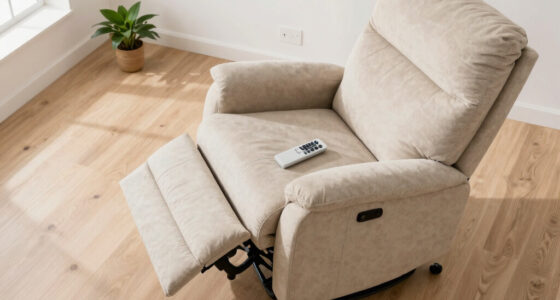
adjustable bed for mobility assistance
As an affiliate, we earn on qualifying purchases.
As an affiliate, we earn on qualifying purchases.
Choose the Right Bed and Position It for Easy Access
The bed is the centerpiece. An adjustable bed with easy-to-use controls can make a world of difference. You want the bed to be at a height that allows your feet to touch the floor comfortably — generally between 16 and 24 inches.
For example, a bed at 18 inches lets most people sit on the edge with their feet flat, ready to stand or pivot. Place the bed close to the wall or a sturdy support, like a grab bar, to aid transfers.
Using a bed with side rails or a slide sheet can help you shift positions smoothly. If space allows, position the bed near a wall or furniture to reduce the distance you need to move during transfers.
Choosing the correct bed height is crucial because it directly impacts your ability to stand up safely. Too high or too low can cause strain or imbalance, increasing fall risk. Additionally, proximity to support structures minimizes the effort needed to stabilize yourself during transfers, which is especially important for those with limited strength or balance issues.
As an affiliate, we earn on qualifying purchases.
Compare Popular Transfer Aids to Find What Fits Your Needs
| Device | Ease of Use | Cost | Best For |
|---|---|---|---|
| Transfer Board | Moderate | Low | Sliding from bed to chair |
| Slide Sheet | Easy | Moderate | Reducing friction during transfers |
| Ceiling Lift | Very Easy | High | Frequent transfers or heavy individuals |
| Powered Transfer Chair | Very Easy | Moderate | Assisted transfers in small spaces |
Choosing the right aid depends on your mobility level, budget, and space. For occasional use, a transfer board or slide sheet offers affordability and simplicity. For daily transfers, investing in a ceiling lift or powered chair can greatly reduce strain and risk.
Understanding the tradeoffs is key: manual aids like transfer boards are cost-effective but require some strength and technique, while powered devices provide ease but come with higher costs and maintenance considerations. Assess your specific needs, including how often you’ll use the device and your physical capabilities, to make the best choice.
As an affiliate, we earn on qualifying purchases.
Arrange Furniture and Equipment for Maximum Safety and Ease
Think of your room as a well-orchestrated stage. Place your bed where you have at least 3 feet of clearance on each side. Position a sturdy grab bar or rail beside the bed for support. Keep essential items like water, phone, or clothing within arm’s reach, ideally on a side table or accessible storage.
For example, if you use a transfer board, keep it close to the bed and chair. Avoid placing furniture in tight corners where you could bump into or trip over it. Use non-slip mats or flooring to prevent slips during transfers.
Simple adjustments like elevating furniture or adding contrast-colored tape to edges can make a big difference in safety and ease of movement.
Proper arrangement minimizes the risk of accidents and reduces the physical effort needed during transfers. For instance, strategically placing supports and keeping pathways clear ensures smoother, safer movements, especially for individuals with limited mobility or strength. It also reduces the likelihood of sudden obstacles that could cause falls, making the room both safer and more efficient to navigate.
As an affiliate, we earn on qualifying purchases.
Incorporate Technology and Ergonomic Supports to Boost Independence
Modern tech is transforming bedroom safety. Voice-activated lights, smart beds that adjust with a tap, and sensor alarms can alert caregivers if a transfer becomes unsafe. Ergonomic furniture tailored to your height reduces strain during movement.
For example, a smart lighting system can turn on as soon as you sit up in bed, guiding your steps. An adjustable bed with programmable settings can help you find the perfect position without exerting extra effort.
Recent innovations include compact ceiling lifts and powered transfer chairs, making assistive tech more accessible and easier to use in small rooms. These devices can significantly reduce physical effort and increase safety, but they also require initial investment and proper training to use effectively. Understanding how these technologies integrate into your routine can empower you to maintain independence longer while reducing the risk of injury during transfers.
Frequently Asked Questions
What are the best furniture options for someone with limited mobility?
Look for adjustable beds, beds with side rails, and chairs with firm, supportive cushions. Features like easy-to-use controls and proper height make transfers safer and less tiring. Always choose furniture that suits your specific mobility needs and space constraints.
How can I make my bedroom safer for transfers?
Ensure clear, wide pathways, install proper lighting, and add non-slip flooring or mats. Keep essential items within reach and use assistive devices like grab bars or transfer boards. Regularly assess your space for obstacles or hazards that could cause falls.
What assistive devices are recommended for easy transfers?
Popular options include transfer boards, slide sheets, ceiling lifts, and powered transfer chairs. The best choice depends on your mobility, frequency of transfers, and room size. Consult a healthcare professional for personalized recommendations.
Are there affordable solutions for setting up a transfer-friendly bedroom?
Yes, simple adjustments like adding non-slip mats, installing grab bars, and rearranging furniture can be inexpensive and effective. Also, look for second-hand or DIY assistive aids to keep costs manageable while improving safety.
How do I train myself or a caregiver to use transfer aids safely?
Start with hands-on training from a healthcare professional or physical therapist. Practice using each device in a controlled setting, focusing on proper technique. Regularly review safety procedures and encourage open communication for feedback and adjustments.
Conclusion
Designing a bedroom for easier transfers isn’t about big renovations — it’s about smart choices. Prioritize safety, accessibility, and comfort in every detail. With these steps, you can turn your space into a safe haven where independence is within reach.
Start small, think practically, and remember: a few well-placed aids and thoughtful layout changes can change everything. Your safer, more confident future begins with the room you create today.
Columbus Day / Indigenous Peoples' Day Picks
long weekend sales
As an affiliate, we earn on qualifying purchases.