TL;DR

Get everyday helpers delivered free with Prime
- Fast, free delivery on millions of items
- Prime Video, Amazon Music and more included
- Member-only deals all year
Selecting a positioning wedge or pillow requires matching your needs with the right size, angle, and material. Recent trends like memory foam and modular designs improve comfort and customization. Proper choice supports recovery and daily comfort.
Match the wedge or pillow size and angle directly to your specific needs, like elevation or pressure relief.
Material choice impacts both comfort and hygiene; prioritize breathable, washable covers and supportive foam.
Latest trends include adjustable, modular designs and cooling gels, increasing customization and comfort.
Proper support can reduce pressure sores by up to 50% and improve circulation, making correct selection vital.
Always consider safety features like non-slip bases and proper firmness to prevent slipping or discomfort.
How to Choose a Positioning Wedge or Pillow
Match the support to your goal, body, and routine—not just to what feels soft in the store. The right combination of size, incline, firmness, stability, and washable materials can improve alignment, pressure distribution, and everyday comfort.
Leg elevation, reflux support, post-operative positioning, pressure relief, reading, or sleep.
Enough structure to hold position, without creating strain or concentrated pressure.
A non-slip base and removable washable cover make daily use safer and easier.
What must the support actually do?
Your intended use determines nearly every useful specification. Clarifying the body area, duration, location, and desired outcome prevents common mistakes such as buying a wedge that is too steep, too narrow, or too soft to hold its shape.
Recovery & circulation
Look for stable, full-width support that elevates the intended limb without creating a hard pressure edge behind the knee or ankle.
Reflux & breathing
Choose an incline that supports the torso—not only the head—so the neck remains neutral and the body does not fold at the waist.
Reading & sleeping
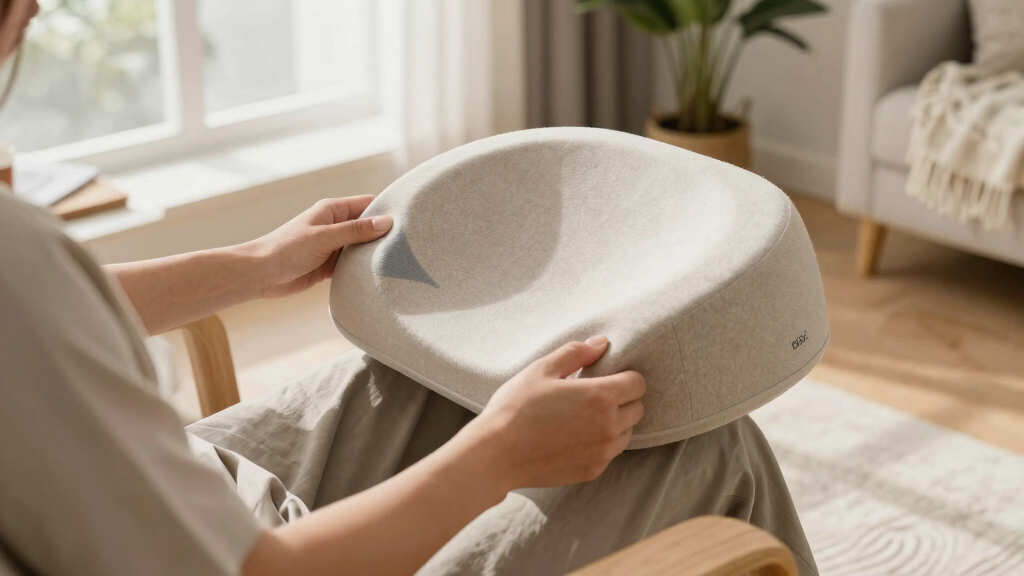
Contoured or modular options offer softer transitions, adaptable positions, and easier adjustment as your posture changes.
Comfort is only one part of the material decision.
Foam and fabric affect heat, pressure response, durability, hygiene, and skin comfort. Select the interior and cover as a working system.
Memory foam
Molds to the body and distributes pressure well, but may retain warmth during prolonged use.
Gel-infused foam
Adds cooling properties to the contouring feel of memory foam—useful for warm sleepers and extended sessions.
Cotton or bamboo cover
Breathable fabrics can reduce sweat buildup and irritation. Hypoallergenic options may suit sensitive skin.
Removable cover
A zip-off, machine-washable cover is especially valuable for daily use, shared care, or recovery environments.
Choose the smallest angle that does the job comfortably.
Height alone does not define an incline; wedge length matters too. Measure the body area that needs support and confirm the product’s actual angle, width, length, and height.
Typical support spectrum
Which design fits your lifestyle?
Fixed wedges excel at repeatable elevation, contoured pillows follow natural curves, and modular systems adapt as needs change. Use the highlighted column when customization is the priority.
| Feature | Triangular wedge | Contoured pillow | Modular support |
|---|---|---|---|
| Shape | Fixed triangular incline | Ergonomic curves | Multiple configurable pieces |
| Support | ✓ HIGH + CONSISTENT | ~ VARIABLE | ✓ ADJUSTABLE |
| Best for | Post-operative elevation, pressure relief | Reading, sleeping, everyday comfort | Changing or multi-purpose needs |
| Portability | ✓ LIGHTWEIGHT | ✓ COMPACT | ~ CONFIGURATION DEPENDENT |
| Setup | ✓ SIMPLE | ✓ SIMPLE | ~ MORE ADJUSTMENT |
| Customization | ✗ LOW | ~ MEDIUM | ✓ HIGH |
Support products are becoming more adaptive.
Newer designs focus on temperature control, reconfiguration, lower-impact materials, and more personalized feedback.
Inspect these six details before checkout.
A promising shape can still fail in daily use. Confirm the specifications, care requirements, and return policy—then test the setup gradually.
The decision chain
How to Know Exactly What You Need in a Wedge or Pillow
Before buying, clarify your goal. Are you trying to elevate your legs, support your back, or prevent pressure sores? For example, if you’re recovering from surgery, your doctor might recommend a specific incline. If you suffer from acid reflux, an angle that keeps your head elevated can make a big difference.
Ask yourself: How long will I use it? Do I need something portable or fixed? Knowing your purpose guides the size, shape, and firmness you should look for. It’s like choosing the right tool for a job — precision matters for comfort and safety.
Understanding your specific needs helps avoid common pitfalls, such as choosing a wedge that’s too high, which can cause neck or back strain, or too soft, which may not provide adequate support. The tradeoff often lies between firmness and comfort; a firmer wedge offers more support but might feel less cozy, so balancing these factors based on your condition is essential.
adjustable positioning wedge pillow
As an affiliate, we earn on qualifying purchases.
As an affiliate, we earn on qualifying purchases.
The Most Important Material Choices That Impact Comfort & Safety
The fabric and foam inside your wedge or pillow aren’t just about softness — they affect durability, hygiene, and temperature regulation. Memory foam provides support and molds to your shape but can trap heat, leading to discomfort during extended use. Gel-infused memory foam offers a cooler experience, which is crucial for individuals who tend to overheat or live in warm climates.
Breathable covers made from cotton or bamboo enhance airflow, reducing sweat buildup and skin irritation. Removable, washable covers are a must for hygiene, especially if used daily or in a healthcare setting, since they facilitate easy cleaning and longevity of the product. Think of it like choosing a mattress: comfort, breathability, and ease of cleaning all matter, but so does the choice of hypoallergenic or antimicrobial fabrics that can prevent infections or allergic reactions, especially for sensitive skin.
Ultimately, material choices impact your experience—poor-quality foam may degrade quickly, leading to sagging and reduced support, while non-breathable covers can cause heat buildup, making the support less effective and uncomfortable over time. The tradeoff here involves balancing cost, durability, and comfort to find the best long-term solution.
As an affiliate, we earn on qualifying purchases.
How to Pick the Perfect Size and Angle for Your Support Needs
Size and angle are key to effective support because they determine how well your body is aligned and whether pressure is evenly distributed. Wedges vary from 4 inches to 12 inches in height, and choosing the right size depends on your body size and the support goal. For example, elevating your legs post-surgery with a 6-inch wedge can improve circulation and reduce swelling, but a larger wedge might cause unnecessary strain if it’s too high for your comfort level.
Angles typically range from 30° to 45°. A 30° wedge offers gentle elevation, suitable for general comfort or mild reflux, while a 45° angle provides more pronounced support for severe reflux or specific post-op needs. The tradeoff here is between support intensity and comfort; too steep an angle can cause neck or back strain, while too shallow may not be effective enough.
Measuring your height and understanding your support needs helps in selecting the right size and angle. Proper measurement prevents issues like neck strain from an overly high wedge or insufficient relief from a too-low support. The key implication is that the wrong size or angle can negate the benefits of the support, leading to discomfort or even injury over time.
As an affiliate, we earn on qualifying purchases.
Comparing Common Types of Wedges and Pillows — Which One Fits Your Lifestyle?
| Feature | Triangular Wedges | Contoured Pillows | Modular Supports |
|---|---|---|---|
| Shape | Sharp triangle, fixed incline | Ergonomic curves, adaptable | Multiple pieces, customizable |
| Support Level | High, firm support | Variable, softer to firm | Adjustable firmness and height |
| Best For | Post-surgery, pressure relief | Daily comfort, reading, sleeping | Personalized needs, multi-purpose |
| Portability | Lightweight, easy to move | Compact, space-efficient | Depends on configuration |
Choosing between them depends on your needs. For example, if you need firm elevation for a post-surgical leg, a triangular wedge works well because it provides stable, consistent support that keeps your limb elevated without shifting. On the other hand, if your goal is comfort for sleeping or reading, a contoured pillow can conform to your body’s natural curves, reducing pressure points and enhancing relaxation. Modular supports are ideal if your needs change over time or you want to customize support for different body parts, but they may require more setup and adjustment, which can be a tradeoff in convenience.
Understanding these differences helps you select a support that aligns with your lifestyle and specific health needs, ensuring you get the most benefit and comfort from your investment.
ergonomic post-operative support pillow
As an affiliate, we earn on qualifying purchases.
As an affiliate, we earn on qualifying purchases.
Latest Trends and Innovations to Watch For
Recent advances make wedges more versatile and comfortable, reflecting a deeper understanding of user needs. Memory foam with cooling gel, for example, not only maintains support but also actively manages heat, preventing discomfort during prolonged use. Adjustable modular wedges allow users to customize height and angle, accommodating changing health conditions or preferences without needing to buy multiple products. This flexibility can be a game-changer for recovery or long-term support, as it adapts to your evolving needs.
Eco-friendly fabrics, like organic cotton and recycled foam, are gaining popularity, addressing environmental concerns without sacrificing quality. High-tech options are emerging that incorporate heating or cooling elements, or even sensors that monitor your posture and adjust support dynamically. These innovations turn basic support tools into smart devices, providing real-time feedback and personalized adjustments. The implication is clear: the future of support products is increasingly focused on customization, sustainability, and integrated technology, offering safer and more effective solutions.
Key Facts That Will Change How You Choose Your Wedge or Pillow
Research indicates that an incline of about 30° to 45° can significantly reduce acid reflux symptoms — with up to 60% improvement in some cases. Proper support can also cut pressure sore risk by half, according to clinical studies. These facts highlight the importance of precise support selection, as small variations in angle or firmness can have substantial health implications. For example, a slightly steeper angle might improve reflux but could cause neck discomfort if not aligned properly. Conversely, inadequate support can lead to persistent pressure points that worsen skin breakdown or cause pain. The key is understanding the tradeoff between support effectiveness and comfort, and tailoring your choice accordingly.
Regular cleaning and maintenance are also crucial, as neglecting hygiene can lead to bacterial buildup or skin irritation, especially for users with sensitive skin or in healthcare settings. Proper care extends the lifespan of your support and ensures ongoing safety and hygiene. The implication here is that your choice isn’t just about initial comfort but also about long-term health and safety management.
Answering Your Top Questions About Picking a Wedge or Pillow
Q: How do I pick the right size or height? Consider your height, the support purpose, and comfort preferences. For legs, 6-8 inches often provides effective elevation without causing strain; for back support, 4-6 inches may be sufficient. Measuring your body and testing different options when possible helps ensure proper fit. The implication is that choosing the wrong size can negate the benefits of elevation or support, leading to discomfort or even injury if the support is too high or too low.
Q: Are adjustable wedges worth it? Yes. They offer the flexibility to modify support as your needs change, which is especially valuable during recovery or for long-term use. The tradeoff is that adjustable models may be more expensive and slightly bulkier, but their versatility often outweighs these drawbacks for many users.
Q: How often should I clean my support pillow? Removable covers should be washed weekly, and the core cleaned as per manufacturer instructions to prevent bacteria buildup and skin irritation. Regular cleaning maintains hygiene, prolongs the product’s lifespan, and reduces health risks associated with prolonged use.
Q: Can I use a regular pillow instead of a wedge? Regular pillows can provide temporary support, but they lack the ergonomic design, stability, and safety features of purpose-built wedges. They may shift or flatten over time, reducing effectiveness and potentially causing strain or misalignment. The tradeoff is convenience versus safety and support quality.
Q: What safety features matter most? Look for non-slip bases, stable support, and appropriate firmness to prevent slipping, sliding, or causing strain. Proper safety features ensure the support stays in place during use, reducing the risk of falls or injuries, especially for individuals with limited mobility or in clinical settings.
Frequently Asked Questions
How do I know which wedge or pillow is right for my condition?
Start by consulting with a healthcare provider to identify the ideal support angle and firmness. Your needs—whether pressure relief, elevation, or spinal support—guide your choice.What size or height should I choose?
Choose based on your height and the support purpose. For example, 6 inches is common for leg elevation, while 4-6 inches work for back support. Measure and test if possible.Are there safety concerns I should watch out for?
Yes. Ensure the wedge has a non-slip base, stable support, and the right firmness. Poor support can cause slipping, strain, or discomfort.Can I replace a wedge with a regular pillow?
While a regular pillow can provide temporary support, purpose-built wedges are designed for ergonomic safety and specific support needs, making them more reliable.How should I clean and maintain my wedge or pillow?
Use removable, washable covers weekly. Follow manufacturer instructions for cleaning the core to keep it hygienic and extend its lifespan.Conclusion
Selecting the right positioning wedge or pillow is about understanding your body, your needs, and the latest innovations. It’s a small choice with a big impact on comfort, recovery, and daily wellbeing. Take your time, test different options, and remember — support that fits your life makes all the difference.Halloween Picks
halloween
As an affiliate, we earn on qualifying purchases.