
TL;DR

Get everyday helpers delivered free with Prime
- Fast, free delivery on millions of items
- Prime Video, Amazon Music and more included
- Member-only deals all year
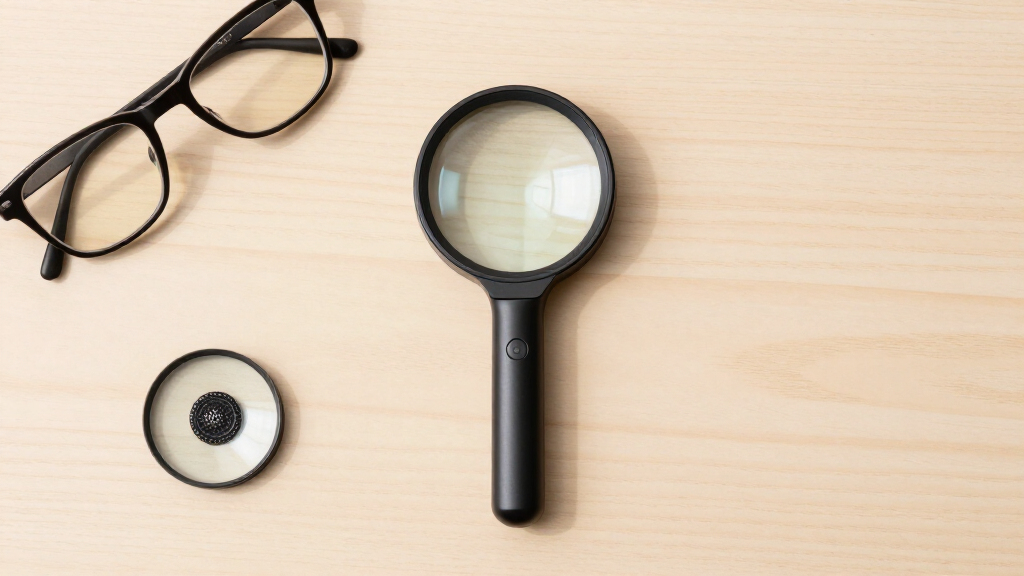
Selecting a handheld magnifier with light involves balancing magnification power, lens quality, and adjustable LED lighting. Focus on your main use, portability, and battery life for the best experience. High-quality lenses and bright, adjustable LEDs make a noticeable difference.
Match magnification power with your main tasks—2x to 5x for reading, higher for detailed hobbies.
Opt for LED lighting with adjustable brightness to see clearly in different environments and extend battery life.
Choose lenses made of high-quality acrylic or glass for clarity and durability, depending on your portability needs.
Consider size and battery life based on where you’ll use the magnifier—compact for portability, larger for stability.
Stay updated on digital options if you want features like photo capture or digital zoom, but remember traditional models often offer simplicity and affordabili…
What’s the right magnification for your needs?
Choosing the right magnification power is the first step. If you’re reading small print on medicine bottles or labels, 2x to 5x magnification usually does the trick. For hobbyists or detailed crafts, higher magnification—up to 20x—might be necessary. Think about your typical tasks. A 2x magnifier makes reading labels easy, while a 10x is perfect for examining fine jewelry or stamps.
For example, someone with mild vision loss might prefer a 3x magnifier for daily reading, but a craft enthusiast might need 15x for detailed work. Consider your eyesight and what you want to see clearly without eye strain.
Understanding the appropriate magnification for your needs helps prevent unnecessary eye fatigue or frustration. Too low magnification may make details blurry, forcing you to strain or adjust frequently, while too high can narrow your field of view and cause distortion. Balancing magnification with clarity and ease of use ensures you get the best visual experience tailored to your tasks.
As an affiliate, we earn on qualifying purchases.
How to pick the best lens type and quality
Lens quality makes a big difference. Acrylic lenses are lightweight, shatter-resistant, and affordable. Glass lenses offer sharper clarity and less distortion but are heavier. Aspheric lenses help reduce image distortion, making your view clearer at higher magnifications.
Choosing the right lens material involves weighing durability against optical clarity. Acrylic lenses are less prone to breaking and easier to carry around, making them suitable for everyday use. However, they may introduce slight distortions at high magnification, which can strain your eyes over time. Glass lenses provide crisper images, reducing eye fatigue, but are more fragile and heavier, so they may not be ideal for frequent, portable use.
High-quality lenses with anti-glare or anti-reflective coatings can significantly improve your viewing experience by reducing glare and reflections, especially in brightly lit environments. This can lessen eye strain and improve detail recognition during prolonged use. Consider your typical environment and tasks when choosing lens material—durability for portability, optical clarity for detailed work—to optimize your experience and comfort.
magnifying glass for reading with light
As an affiliate, we earn on qualifying purchases.
As an affiliate, we earn on qualifying purchases.
What kind of lighting makes a difference?
Lighting is key—without bright, even light, even the best magnifier struggles. LED lights are the gold standard today: they’re bright, energy-efficient, and last a long time. Adjustable brightness levels allow you to tailor the light to different environments or tasks.
Picture reading a menu at a dim restaurant. A magnifier with adjustable LED lighting makes the text pop, no matter the setting. This flexibility is crucial because different tasks and environments demand different lighting intensities. For instance, reading in a well-lit room may require less brightness, while detailed crafting or reading in low light benefits from higher, adjustable brightness levels. The ability to fine-tune light intensity helps prevent glare, shadows, and reflections that can obscure details or cause eye discomfort, ultimately improving your viewing clarity and reducing fatigue.
Some models have lights built into the rim, others have side-mounted LEDs. Adjustable brightness and position help you reduce glare and shadows for a crystal-clear view. The placement of the light affects how evenly the area is illuminated; side-mounted LEDs can sometimes cast shadows, so models with adjustable positioning provide more control. Bright, evenly distributed lighting is essential for detailed work, ensuring you see every detail without straining your eyes.
digital handheld magnifier with adjustable brightness
As an affiliate, we earn on qualifying purchases.
As an affiliate, we earn on qualifying purchases.
Size, portability, and battery life — what works best?
Think about where and how you’ll use your magnifier. Smaller, lightweight models slip into a pocket or purse, perfect for on-the-go use. Larger models offer bigger lenses and sometimes better lighting but can be cumbersome.
Battery life varies. Rechargeable models with USB charging are convenient, lasting from a few hours to a full day. For example, someone visiting the library might prefer a compact, rechargeable magnifier that’s easy to carry and recharges quickly.
Decide if portability or a bigger, more stable design suits your lifestyle better. If you frequently move between locations, a smaller, lightweight model with long battery life ensures you can always have your magnifier ready without hassle. Conversely, if your tasks require a larger lens or more stable grip, a bigger model might provide better comfort and stability, even if it’s less portable. Weighing these factors helps you select a device that seamlessly integrates into your daily routine, reducing frustration and maximizing usability.
magnifier with high-quality acrylic lens
As an affiliate, we earn on qualifying purchases.
As an affiliate, we earn on qualifying purchases.
Latest trends: What’s new in handheld magnifiers?
Recent innovations include digital magnifiers with screens, camera attachments, and connectivity to smartphones. These models can capture images, offer adjustable digital zoom, and store photos. They’re perfect for sharing or reviewing details later.
LED lighting has improved, with some models offering multiple brightness levels and even color temperature adjustments. Ergonomic designs now focus on comfort, especially for those with limited hand strength.
Eco-friendly options with rechargeable batteries are also on the rise, reducing waste and boosting convenience. These advancements are driven by the need for enhanced functionality, portability, and user comfort, making magnifiers more versatile and accessible for a range of users from casual readers to professionals.
What do the numbers tell us? Key facts to know
Higher magnification requires brighter, more focused lighting for clarity. LED lights extend battery life by up to 80% over traditional bulbs, according to recent tech reviews.
Lens quality directly impacts reading comfort—poor lenses can cause distortion and eye fatigue. Price varies widely: basic models start around $20, while advanced digital magnifiers can reach $200 or more.
Understanding these facts helps you balance cost and features for your specific needs. For example, investing in a higher-quality lens and adjustable LED lighting can reduce eye strain and improve overall usability, which may justify a higher price point. Conversely, if your needs are simple, a basic model might suffice. Recognizing the tradeoffs between cost, quality, and features allows you to make informed decisions that best serve your personal needs and budget.
Your burning questions answered
- What is the best magnification level for reading small print? Usually 2x–5x suffices for most reading tasks, but personal eyesight and comfort matter most. Higher magnification can make details clearer but may reduce the field of view and cause distortion, so finding a balance based on your eyesight is key.
- Are LED lights better than incandescent bulbs? Yes, LEDs are brighter, last longer, and consume less power, making them ideal for portable magnifiers. They also generate less heat, reducing discomfort during extended use.
- How do I know if a magnifier suits my needs? Think about your main tasks—reading, crafts, or detailed work—and choose features like adjustable lighting or focus accordingly. Trying out different models can help determine what feels most comfortable and effective.
- Can I use a handheld magnifier outdoors? Absolutely, but pick models with high-brightness LEDs and adjustable settings to handle sunlight or shadows. Consider also the lens quality and size for ease of handling in outdoor conditions.
- What’s the typical battery life? Rechargeable models last from a few hours to a full day based on brightness and usage patterns. Look for models with rechargeable batteries and quick-charging options to keep your device ready when needed.
Frequently Asked Questions
Can I use a magnifier with light outdoors in bright sunlight?
Yes, but ensure the magnifier has a high-brightness LED and adjustable settings. Bright sunlight can wash out the illumination, so models with adjustable brightness help you see clearly without glare.What is the most important feature to consider first?
Magnification power is key, but matching it to your main tasks—like reading or detailed crafts—ensures you get the most useful device. Then, focus on lighting and lens quality.Are digital magnifiers worth the extra cost?
Digital models offer features like image saving, zoom, and connectivity, which can be very helpful. However, for basic reading or hobby work, traditional magnifiers often suffice and are more budget-friendly.Conclusion
Picking a handheld magnifier with light isn’t just about magnification—it’s about matching features to your daily needs. A well-chosen device can turn a frustrating task into a simple, bright moment of independence. Think about your primary use, test different models if you can, and remember: clarity and comfort make all the difference. Your best magnifier is the one that feels like a natural extension of your vision.Halloween Picks
halloween
As an affiliate, we earn on qualifying purchases.