Assistive listening devices help improve hearing clarity in challenging environments, making conversations and announcements easier to follow. The best models vary in range, features, and ease of use, with options suited for personal, group, or professional settings. The Williams Sound Pocketalker Ultra stands out as the overall top choice for its portability and affordability, while the Avantree Audiplex MX offers superior multi-channel support for larger groups. However, tradeoffs often involve balancing sound quality, range, and price. Keep reading for a detailed breakdown to help you find the best fit for your hearing needs.
Open a free Amazon Business account
Business pricing, bulk buying and tax-exempt orders.
Create a free accountAs an affiliate, we earn on qualifying purchases.
Complete the kit


Key Takeaways
- Top contenders excel in either range, audio clarity, or ease of setup, but rarely all three at once.
- Group systems with multiple channels and receivers are ideal for larger venues, though they come at a higher cost.
- Personal amplifiers are more portable and straightforward, making them better for individual use, especially seniors.
- Wireless systems with rechargeable batteries and Bluetooth compatibility tend to offer better convenience and connectivity.
- Price varies widely, but investing in a reliable system often means better sound quality and durability.
| Williams Sound Pocketalker Ultra Hearing Amplifier with Batteries and Accessories |  | Best Overall for Simplicity and Portability | Amplification: up to 40dB | Batteries Included: 20 AAA batteries | Microphone Extension Cord: 12 ft | VIEW LATEST PRICE | See Our Full Breakdown |
| 10-Person Assistive Listening System with 3-Year Warranty |  | Best for Large Groups and Multi-User Environments | Capacity: 10 people | Warranty: 3 years | Support: US-based phone support | VIEW LATEST PRICE | See Our Full Breakdown |
| Retekess TT042 Assistive Listening System with Bone Conduction Headphones |  | Best for Comfort and Versatile Listening | Battery Capacity: 200mAh | Battery Life: 8 hours | Connectivity: Type-C, 3.5mm adapter | VIEW LATEST PRICE | See Our Full Breakdown |
| ConvoAssist™ Personal Sound Amplifier with Wireless Microphones and Rechargeable Case |  | Best for Multi-Person Conversations and TV Clarity | Wireless Microphones: 2 included | Battery Life: Up to 8 hours | Charging Case: Yes, recharges microphones | VIEW LATEST PRICE | See Our Full Breakdown |
| Retekess TT119 Assistive Listening System with 300m Range and Multiple Channels |  | Best for Large-Scale, Multilingual Venues | Range: 300 meters / 984 feet | Channels: 17 | Receivers supported: up to 10 | VIEW LATEST PRICE | See Our Full Breakdown |
| Assistive Listening System with Neckloops and Carrying Case (For 10 People) |  | Best for Small Groups and Personal Use | Includes: Carrying Case CAS-10 | Warranty: Lifetime Limited Warranty | Battery: 2 AAA batteries | VIEW LATEST PRICE | See Our Full Breakdown |
| Williams Sound PockeTalker Ultra DUO Sound Amplifier with Headphone & Earbud |  | Best for Personal, Versatile Listening | Acoustic Gain: 20-40 dB | Battery Life: up to 100 hours | Microphone: Removable with extension cord | VIEW LATEST PRICE | See Our Full Breakdown |
| 4-Person Assistive Listening System with Carrying Case and ADA Plaque |  | Best for Small Venues with Accessibility Needs | Includes: Carrying Case CAS-10, ADA plaque | Warranty: 3 years | Supports: Up to 4 listeners, expandable with additional receivers | VIEW LATEST PRICE | See Our Full Breakdown |
| SuperEar SE5000 Personal Hearing Amplifier with Headphones and Accessories |  | Best for Individual Hearing Enhancement | Amplification: up to 50 decibels | Total Decibel Gain: 107 dB | Battery Life: up to 30 hours | VIEW LATEST PRICE | See Our Full Breakdown |
| Rechargeable Hearing Amplifier with Headphone and Microphone for Seniors |  | Best for Easy-to-Use, Long-Lasting Hearing Help | Maximum Sound Gain: 65dB | Battery Life: Up to 120 hours | Charging Time: 1 hour | VIEW LATEST PRICE | See Our Full Breakdown |
| Reizen Loud Ear 110dB Gain Personal Amplifier |  | Best for Personal Use and Mobility | Gain: 110dB | Sensitivity: 120dB | Microphone: Built-in | VIEW LATEST PRICE | See Our Full Breakdown |
| Non-Electric Hearing Amplifier |  | Best for Simplicity and Budget-Conscious Users | VIEW LATEST PRICE | See Our Full Breakdown | |||
| Avantree Quartet 2 Wireless Group Listening Headphones & Transmitter |  | Best for Large Group and Multi-User Listening | Connectivity: Optical, AUX, Bluetooth | Frequency: 2.4GHz | Latency: 25ms | VIEW LATEST PRICE | See Our Full Breakdown |
| Avantree Audiplex MX Multi-Channel Assistive Listening System with 1 Transmitter and 10 Receivers |  | Best for Multi-Channel and Venue Use | Channels Supported: Up to 4 | Latency: 30ms | Wireless Transmission: 2.4G | VIEW LATEST PRICE | See Our Full Breakdown |
| Retekess T130 Assistive Listening System, Tour Guide Headsets, 16-Port USB Charging Station, Wireless System for Church and Tours |  | Best for Tours and Small Group Settings | FCC Certification: Yes | Transmission Range: 50-60 meters | Battery: Built-in rechargeable lithium | VIEW LATEST PRICE | See Our Full Breakdown |
More Details on Our Top Picks
Williams Sound Pocketalker Ultra Hearing Amplifier with Batteries and Accessories
This model shines for users seeking an easy-to-operate device that enhances speech clarity in small settings. Compared with the Retekess TT042, the Pocketalker Ultra is more straightforward, with fewer modes but excellent for personal use. Its lightweight design and large battery supply make it ideal for seniors on the go, though it stops short of replacing professional hearing aids due to limited amplification power. The adjustable tone and volume controls allow customization, but the 40dB max gain might fall short for those with severe hearing loss. The included accessories and long warranty add value, making it a dependable choice for everyday listening needs.
Pros:- Easy to use with simple controls for volume and tone
- Compact, lightweight, and ergonomic design
- Includes a large supply of batteries and multiple accessories
Cons:- Limited amplification up to 40dB, not suitable for severe hearing loss
- Requires frequent battery replacements
Best for: Seniors or individuals with mild to moderate hearing loss seeking a simple, portable amplification device.
Not ideal for: People with severe hearing impairment or those needing high-decibel amplification, as it may not provide enough power.
- Amplification:up to 40dB
- Batteries Included:20 AAA batteries
- Microphone Extension Cord:12 ft
- Accessories:Headphones, mini earbud, neck lanyard, microfiber cloth, user manual
- Warranty:5 years
Our verdict“This device is perfect for users prioritizing simplicity and portability over high-power amplification.”
10-Person Assistive Listening System with 3-Year Warranty
This system stands out for venues that need to support multiple users simultaneously, such as churches or conference halls. Unlike the Pocketalker Ultra, which targets individual use, this setup supports up to 10 listeners, with expandability for larger groups. Its inclusion of a 3-year warranty and US-based support enhances reliability, but the need to purchase additional receivers for more users can add up. The system’s straightforward operation and ADA compliance make it a strong choice for institutions, though the limited details on included accessories suggest a potential need for extra components depending on use case.
Pros:- Supports up to 10 users simultaneously
- Includes a 3-year warranty and US-based support
- Expandable with additional receivers and accessories
Cons:- Additional receivers required for more users, increasing cost
- Limited details on included accessories
Best for: Large venues like churches, classrooms, or conference centers needing multi-user assistive listening.
Not ideal for: Small-scale or personal use, as the system is designed for multiple users and requires additional receivers for expansion.
- Capacity:10 people
- Warranty:3 years
- Support:US-based phone support
- Includes:ADA plaque
Our verdict“Ideal for organizations needing scalable, multi-user listening support in large or loud environments.”
Retekess TT042 Assistive Listening System with Bone Conduction Headphones
The Retekess TT042 offers a unique open-ear experience with bone conduction technology, making it suitable for users who find traditional headphones uncomfortable or who need to remain aware of their surroundings. Unlike the Pocketalker Ultra, which amplifies sound directly, this device transmits audio via bones, providing a different sensory experience. Its dual modes support both personalized and external sound, with an impressive 8-hour battery life and broad device compatibility. However, its lack of detailed durability specs and limited weight information make it less ideal for rugged outdoor use. This pick makes the most sense for those who value comfort and versatility over raw power or extensive features.
Pros:- Comfortable open-ear bone conduction design
- Dual listening modes for flexibility
- Long 8-hour battery life with visible indicator
Cons:- No specific weight or durability info provided
- Limited water or dust resistance details
Best for: Seniors or individuals who prefer open-ear, bone conduction hearing solutions for comfort and situational awareness.
Not ideal for: Users requiring high amplification for severe hearing loss, as bone conduction may not deliver sufficient volume for profound impairments.
- Battery Capacity:200mAh
- Battery Life:8 hours
- Connectivity:Type-C, 3.5mm adapter
- Headphone Type:Bone conduction, open-ear
- Volume Levels:6 independent levels
Our verdict“Best suited for those prioritizing comfort and situational awareness over maximum amplification.”
ConvoAssist™ Personal Sound Amplifier with Wireless Microphones and Rechargeable Case
This device is designed by an ENT specialist to improve understanding in conversations and TV dialogue, standing out for its wireless microphones and compatibility with existing headphones. Unlike the Pocketalker Ultra, it emphasizes speech clarity through direct transmission, with the added benefit of two microphones for multi-person interactions. Its automatic pairing feature simplifies setup, and the rechargeable case ensures portability for all-day use. Nevertheless, the need to use headphones for optimal listening and the limited range of 100 feet might restrict its versatility in larger spaces. This pick makes sense for users who want a compact, conversation-focused device with flexible microphone options.
Pros:- Automatic pairing and easy setup
- Compatible with any headphones for personalized comfort
- Includes two wireless microphones for multi-user interactions
Cons:- Requires headphones for use, adding to the setup
- Range limited to 100 feet, less suitable for large venues
Best for: Individuals who frequently participate in multi-person conversations or watch TV and want clear audio transmission with minimal fuss.
Not ideal for: People who prefer standalone amplifiers without headphones or need a longer wireless range for large spaces.
- Wireless Microphones:2 included
- Battery Life:Up to 8 hours
- Charging Case:Yes, recharges microphones
- Connectivity:Automatic pairing
- Range:Up to 100 feet
Our verdict“Excellent for users seeking a compact, multi-microphone system to improve speech clarity in conversations and TV listening.”
Retekess TT119 Assistive Listening System with 300m Range and Multiple Channels
The Retekess TT119 excels in environments like churches or conference halls where long-range and multi-channel communication are essential. Its 300-meter range far surpasses the Pocketalker Ultra and ConvoAssist, making it ideal for large spaces. It supports up to 10 receivers and multiple languages, simplifying communication in diverse settings. Unlike smaller personal devices, this system’s robust range and channel options make it a powerful tool for large audiences. However, it requires an external recording device for audio, and the default mono setting may need adjustments for stereo use. This system is best suited for organizations needing reliable, wide-area assistive listening, though it isn’t tailored for personal, everyday use.
Pros:- Long-range communication up to 300 meters
- Supports multiple languages simultaneously
- Lightweight and easy to operate
Cons:- Requires external recording device for audio recording
- Default mono setting may need adjustment for stereo sound
- Limited to 10 receivers per transmitter
Best for: Large venues requiring extensive, multi-language assistive listening capabilities for sizable audiences.
Not ideal for: Small gatherings or personal use, as its large-scale design and setup are overkill for intimate settings.
- Range:300 meters / 984 feet
- Channels:17
- Receivers supported:up to 10
- Weight of receiver:90 grams
- Battery life:up to 10 hours
- Input options:XLR, AUX, RCA, USB
Our verdict“Best for large venues needing extensive, multi-channel communication over long distances with multilingual support.”
Assistive Listening System with Neckloops and Carrying Case (For 10 People)
This system stands out for its simplicity and durability, making it ideal for small venues or personal use, especially compared to larger multi-user systems like the 4-Person Assistive Listening System with Carrying Case and ADA Plaque. Its long battery life of up to 55 hours and multiple carrying options provide flexibility, but it’s limited to supporting only 10 users at once, which could be a drawback in larger settings. The inclusion of a lifetime warranty and free tech support adds value, yet the system’s audio quality details are sparse, requiring potential buyers to test for clarity in their environment. If you need a reliable, portable solution for a small audience or personal use, this model offers a practical choice.
Pros:- Long battery life of up to 55 hours
- Multiple carrying options for convenience
- Lifetime warranty and free tech support
Cons:- Designed for only 10 people, limiting scalability
- Requires AAA batteries, which need regular replacement
- Limited details on audio quality
Best for: Small venues, personal use, or small group settings where durability and battery life matter
Not ideal for: Large venues or events needing support for more than 10 users, due to its limited capacity
- Includes:Carrying Case CAS-10
- Warranty:Lifetime Limited Warranty
- Battery:2 AAA batteries
- Battery Life:Up to 55 hours
- Carrying Options:Belt clip, Velcro armband, neck strap
Our verdict“This system works well for small groups or personal use but isn’t suited for larger audiences.”
Williams Sound PockeTalker Ultra DUO Sound Amplifier with Headphone & Earbud
The PockeTalker Ultra DUO excels as a portable, adjustable sound amplifier for individuals seeking personalized volume control, making it a strong alternative to larger, less flexible devices like the SuperEar SE5000. Its adjustable gain of 20-40 dB provides sufficient amplification for moderate hearing needs, but might fall short for severe hearing loss, which could limit its use. The long battery life of up to 100 hours and included accessories—headphones, earbuds, microphone—add to its versatility, yet it requires two AAA batteries (not included) and lacks wireless connectivity, which could be a drawback for tech-savvy users. Overall, this device offers excellent portability and customization for everyday listening tasks.
Pros:- Adjustable volume and tone controls
- Long battery life of up to 100 hours
- Includes multiple accessories for various uses
- Removable microphone and belt clip for convenience
Cons:- Requires two AAA batteries (not included)
- Limited to 20-40 dB gain, may not suit severe hearing loss
- No wireless connectivity options
Best for: Individuals with mild to moderate hearing loss needing portable amplification for daily activities
Not ideal for: Severe hearing loss or users wanting wireless TV or smartphone connectivity
- Acoustic Gain:20-40 dB
- Battery Life:up to 100 hours
- Microphone:Removable with extension cord
- Belt Clip:Removable
- Operating Batteries:2 AAA batteries
- Warranty:5 years
Our verdict“This amplifier offers personalized, portable sound enhancement best suited for moderate hearing needs.”
4-Person Assistive Listening System with Carrying Case and ADA Plaque
This system is tailored for environments like churches or classrooms where up to four users need amplification, and it includes an ADA plaque for compliance. Compared to single-user options like the SuperEar SE5000, its support for multiple users and expandability make it more versatile for group settings. Its three-year warranty and phone support offer peace of mind, but it’s limited to four listeners without additional receivers, which can increase costs for larger groups. The lack of specific price information might also be a consideration for budget-conscious buyers. For small venues seeking a scalable, accessible solution, this model stands out.
Pros:- Includes carrying case and ADA plaque for accessibility
- U.S.-based 3-year warranty and phone support
- Expandable system for additional users
Cons:- Limited to 4 users without additional receivers
- Requires additional purchase for expansion
- No detailed pricing info available
Best for: Small venues like churches or classrooms needing expandable support for multiple users
Not ideal for: Large groups or events where more than four users need simultaneous amplification
- Includes:Carrying Case CAS-10, ADA plaque
- Warranty:3 years
- Supports:Up to 4 listeners, expandable with additional receivers
Our verdict“A scalable, accessible system ideal for small venues that plan to expand user support over time.”
SuperEar SE5000 Personal Hearing Amplifier with Headphones and Accessories
The SuperEar SE5000 is designed for users seeking a portable, high-gain personal amplifier, especially suitable for outdoor or indoor use. Its amplification of up to 50 decibels and total gain of 107 dB make it comparable to the Rechargeable Hearing Amplifier, but it’s less suited for severe hearing loss due to its maximum gain limits. Its lightweight, pocket-friendly design and customizable volume offer convenience, though its effectiveness depends on individual hearing profiles. It doesn’t connect wirelessly to TVs or smartphones, which limits its versatility for some users. This device is best for those needing targeted amplification rather than comprehensive hearing solutions.
Pros:- Portable and lightweight, fits in a pocket
- Customizable volume control
- Long battery life up to 30 hours
- Compatible with disposable earpad covers
Cons:- Effectiveness varies based on individual hearing needs
- No wireless TV or Bluetooth connectivity
- Limited maximum gain for severe hearing loss
Best for: Seniors or adults needing a portable, high-gain personal amplifier for specific environments
Not ideal for: Users with severe hearing loss or who require wireless TV or smartphone integration
- Amplification:up to 50 decibels
- Total Decibel Gain:107 dB
- Battery Life:up to 30 hours
- Includes:headphones, earbuds, AAA battery, belt clip
- Compatibility:Works with disposable earpad covers and extension cable
Our verdict“This personal amplifier provides strong targeted sound enhancement for portable use but isn’t a comprehensive hearing solution.”
Rechargeable Hearing Amplifier with Headphone and Microphone for Seniors
The Rechargeable Hearing Amplifier offers a straightforward, user-friendly design with a single volume knob and directional noise-canceling microphone, making it ideal for seniors or adults seeking simplicity. Its impressive 120-hour battery life on a quick one-hour charge surpasses many competitors like the SuperEar SE5000, providing peace of mind for all-day use. However, its maximum gain of 65dB may not meet the needs of users with severe hearing loss, and the absence of included ear tips or accessories could require additional purchases. Still, its ease of use and long battery life make it a practical choice for everyday hearing assistance.
Pros:- Simple single-volume knob for ease of use
- Up to 120 hours of battery life with fast charging
- Effective noise reduction improves speech clarity
- Compact and lightweight design
Cons:- Limited maximum gain of 65dB may not suit severe hearing loss
- No included ear tips or accessories
- Requires regular charging for continuous use
Best for: Seniors or adults who prioritize ease of operation and long battery life in their hearing devices
Not ideal for: Individuals with severe hearing loss requiring higher gain or wireless connectivity features
- Maximum Sound Gain:65dB
- Battery Life:Up to 120 hours
- Charging Time:1 hour
- Warranty:2 years
- Microphone Type:Directional noise-canceling
Our verdict“This amplifier offers long-lasting, simple operation ideal for everyday use by seniors and adults with moderate hearing needs.”
Reizen Loud Ear 110dB Gain Personal Amplifier
The Reizen Loud Ear stands out for its powerful 110dB gain, making it suitable for individuals who need significant amplification in everyday environments. Compared with the Williams Sound Pocketalker Ultra, it offers higher gain but lacks the medical-grade certification and advanced features of professional assistive devices. Its simple design and included batteries make it accessible and easy to operate, but the amplification is limited to personal use only and isn’t appropriate for those with severe hearing impairments. The device’s range of up to 100 feet adds flexibility for outdoor or distance listening, yet it requires batteries, which might be inconvenient for extended use. Overall, this amplifier makes the most sense for active individuals seeking portable, high-gain audio enhancement without complicated setup.
Pros:- Powerful 110dB gain for significant amplification
- Adjustable volume for personalized listening
- Includes batteries and dual earphones for immediate use
Cons:- Limited to personal, non-medical use
- Requires batteries, adding ongoing cost and maintenance
Best for: Individuals with mild to moderate hearing loss who need a portable, high-gain personal amplifier for daily use
Not ideal for: People with severe hearing loss or those seeking medical-grade hearing solutions, as it lacks clinical certification
- Gain:110dB
- Sensitivity:120dB
- Microphone:Built-in
- Earphones:Dual
- Batteries:2 AAA included
- Distance:Up to 100 feet
Our verdict“This device is best suited for active users with mild to moderate hearing loss who need portable amplification for everyday situations.”
Non-Electric Hearing Amplifier
This non-electric hearing amplifier offers a straightforward, no-fuss solution, making it ideal for those who prefer minimal technology. Unlike electronic devices such as the Reizen Loud Ear, it relies on simple plastic cups and an elastic cord, providing basic sound enhancement at an unbeatable price point. While it’s highly portable and easy to use, its limited amplification means it’s best suited for mild hearing challenges or situational listening. It’s less effective in noisy environments or for those with more significant hearing loss, but for quick conversations or TV viewing in quiet settings, it performs adequately. This pick makes the most sense for users seeking an affordable, low-maintenance alternative without complex setup.
Pros:- Simple, easy-to-use design without batteries or electronics
- Affordable and portable for quick, casual use
- Lightweight and minimal setup required
Cons:- Provides limited sound amplification
- Less effective in noisy or complex environments
Best for: Older adults with mild hearing difficulties or those looking for a backup device for casual use
Not ideal for: Users with severe hearing impairments or in noisy settings, where electronic amplification would be more effective
Our verdict“This simple, no-electronics amplifier is ideal for budget-minded users with mild hearing issues or for occasional use in quiet settings.”
Avantree Quartet 2 Wireless Group Listening Headphones & Transmitter
The Avantree Quartet 2 excels in environments where multiple people need to listen simultaneously, such as classrooms, churches, or group homes. Its support for up to 100 users and easy plug-and-play setup make it more scalable than the Avantree Audiplex MX, which is more tailored for large venues with multiple channels. While it doesn’t connect directly via Bluetooth—requiring the included transmitter—this setup ensures synchronized audio with low latency, a key benefit over basic wired systems. However, the need for additional headphones for expansion and its limited to specific compatible models can be inconvenient. This system is best for groups seeking a straightforward, scalable solution for shared audio content, especially when ease of use is a priority.
Pros:- Supports up to 100 users for large groups
- Easy plug-and-play setup, no pairing needed
- Low latency ensures audio sync
Cons:- Headphones connect via included transmitter, not direct Bluetooth
- Requires additional compatible headphones for expansion
Best for: Educational institutions, large households, or places of worship needing multiple wireless listening stations
Not ideal for: Small groups or individuals seeking direct Bluetooth connectivity without extra equipment
- Connectivity:Optical, AUX, Bluetooth
- Frequency:2.4GHz
- Latency:25ms
- Range:~100 ft
- Expandable Capacity:Up to 100 users
Our verdict“This system makes the most sense for large groups requiring scalable, synchronized wireless audio over extended distances.”
Avantree Audiplex MX Multi-Channel Assistive Listening System with 1 Transmitter and 10 Receivers
The Avantree Audiplex MX offers a robust multi-channel solution suited for larger venues like churches and schools, supporting up to 4 channels and 10 receivers out of the box. Its long wireless range of over 1,000 feet and low latency make it ideal for large, multi-language or multi-group settings. Compared with the simpler Avantree Quartet 2, it provides more channels but requires wired earbuds for each receiver, which could be less convenient for users expecting wireless earbuds. Its limited to four channels, which might be restrictive in very large or complex setups. Still, for venues needing multiple simultaneous audio streams, this system delivers clear, synchronized sound across sizable spaces with room to expand.
Pros:- Supports up to 4 channels for diverse group needs
- Long wireless range of 100 meters
- Includes 10 wired earbuds, expandable with additional receivers
Cons:- Requires wired earbuds, potentially less convenient than wireless options
- Limited to 4 channels, not suitable for extremely large or complex setups
Best for: Large venues requiring multi-channel audio distribution, such as conference centers or multilingual churches
Not ideal for: Small groups or casual users who don’t need multiple channels or long-range coverage
- Channels Supported:Up to 4
- Latency:30ms
- Wireless Transmission:2.4G
- Range:100 meters / 1028 feet
- Number of Receivers:10 (expandable)
- Included Earbuds:3 wired on-ear
Our verdict“This system is ideal for large venues needing multiple audio channels and long-range coverage, especially when multi-language support is required.”
Retekess T130 Assistive Listening System, Tour Guide Headsets, 16-Port USB Charging Station, Wireless System for Church and Tours
The Retekess T130 offers a versatile, FCC-certified wireless system designed for guided tours, churches, and training sessions. Its range of 50-60 meters suits small to medium-sized venues, and the rechargeable transmitter and receivers reduce ongoing costs. The system’s support for one-way audio transmission is sufficient for guided instructions, but it lacks stereo or bidirectional communication, limiting its use for conversations. The 16-port USB charging station simplifies device management for organizations with multiple units. Compared to the Avantree systems, it provides a more compact, integrated solution but with a shorter range. This makes it perfect for tour guides or trainers who need reliable, straightforward wireless audio in a compact setup.
Pros:- Range of up to 60 meters for effective coverage
- Rechargeable transmitter and receivers save costs
- Includes a 16-port USB charging station for easy management
Cons:- Limited to one-way audio transmission
- Requires external AUX cable to connect media devices
Best for: Tour guides, church translators, or trainers who need a reliable, one-way communication system in medium-sized venues
Not ideal for: Users needing stereo or two-way communication, or larger venues requiring longer-range systems
- FCC Certification:Yes
- Transmission Range:50-60 meters
- Battery:Built-in rechargeable lithium
- Charging Station:16-port USB
- Number of Receivers:10
- Protection Features:Over-voltage, temperature, short-circuit
Our verdict“This system makes the most sense for guided tours or small group settings where simple, reliable wireless audio suffices.”
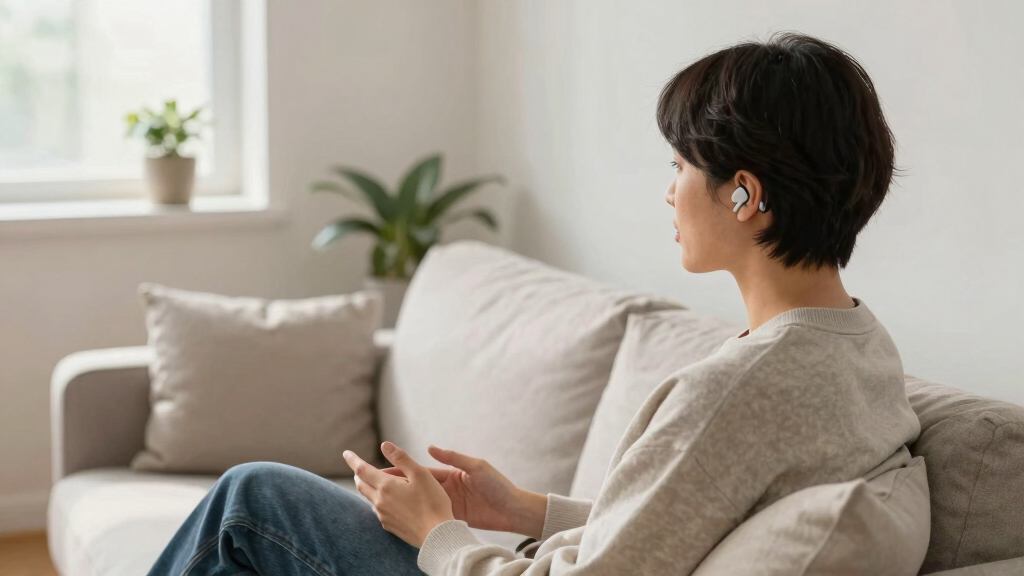
How We Picked
These products were evaluated based on performance, ease of use, build quality, versatility, and value. Priority was given to how well they amplify sound in different environments, their setup complexity, and their suitability for various user needs. We also considered customer reviews and warranty support to ensure reliability. Rankings reflect a balance between features and price, with the best overall picks offering a combination of high audio quality, ease of use, and expandability for different settings.Factors to Consider When Choosing Assistive Listening Devices
Choosing the right assistive listening device depends on several key factors. Understanding your environment, hearing needs, and technical preferences will help narrow your options. Consider whether you’ll need a portable personal amplifier or a larger group system, and how important features like range, battery life, and ease of setup are for you. Avoid common pitfalls such as overpaying for unnecessary features or selecting systems incompatible with your existing devices. Making an informed decision involves balancing performance, convenience, and budget to find the best fit.Range and Coverage
Assess the size of the space where you’ll use the device. Personal amplifiers typically cover a few feet, ideal for one-on-one conversations or small gatherings. Larger venues or group settings require systems with extended range, sometimes up to hundreds of meters, and multiple receivers. Investing in a system with sufficient coverage prevents the need for multiple upgrades or replacements later on. Keep in mind that increased range may come with higher costs and more complex setup, so match the system to your primary environment.
Ease of Use and Setup
Ease of use is critical, especially for seniors or those less comfortable with technology. Look for models with simple controls, clear instructions, and minimal setup time. Wireless systems with automatic pairing and rechargeable batteries tend to reduce hassle and ongoing maintenance. Conversely, more complex multi-channel systems may require technical know-how to operate effectively. A balance between functionality and simplicity ensures consistent use without frustration.
Sound Quality and Clarity
Clear audio is the main goal of any assistive listening device. Features like noise reduction, feedback suppression, and high-quality microphones make a noticeable difference. Personal amplifiers with directional microphones can focus on speech and reduce background noise. For group systems, multi-channel support helps prevent cross-talk and interference. Investing in a device with good sound fidelity ensures that important details are not lost, especially in noisy environments.
Battery Life and Power Options
Long-lasting batteries are essential for continuous use, especially in settings like tours or church services. Rechargeable batteries offer convenience and lower ongoing costs, but may have limited lifespan compared to replaceable batteries. Consider the device’s standby time and charging options—fast charging and portable power banks can be valuable. Poor battery performance can disrupt usage, so prioritize models with proven longevity and easy recharging options.
Compatibility and Connectivity
Check whether the device supports Bluetooth or other wireless standards if you want to connect to smartphones, TVs, or other audio sources. Compatibility ensures seamless integration with your existing tech ecosystem. Also, verify if the system supports multiple users simultaneously, which is beneficial in group settings. Incompatibility can limit functionality, so selecting a versatile model compatible with current devices will save you headaches later.
Frequently Asked Questions
Can I use a personal amplifier with my existing hearing aids?
Many personal amplifiers can be used alongside hearing aids, especially if they support Bluetooth or have audio output options compatible with hearing aids. However, some hearing aids have built-in Bluetooth or telecoil features that might make external amplifiers redundant. It’s important to check compatibility with your specific hearing aids and consider consulting an audiologist to ensure optimal pairing and sound quality. Proper matching ensures you get the maximum benefit without creating feedback or interference.
What is the best assistive listening device for large venues?
For large venues, systems with extensive range and multiple channels are preferred. The Avantree Audiplex MX stands out for its multi-channel support and up to 10 receivers, making it suitable for theaters, churches, or conference halls. These systems typically include transmitters with high output power and multiple receivers, allowing several users to listen simultaneously without cross-interference. While more expensive, these setups provide reliable coverage and sound clarity across wide spaces.
Are wireless systems more reliable than wired ones?
Wireless assistive listening systems offer greater flexibility and ease of use, especially in portable or changing environments. They eliminate the clutter and setup time associated with wires, making them more convenient for most users. However, wireless systems can sometimes face interference from other wireless devices or environmental factors, which might impact reliability. Wired systems, while less flexible, often provide a more consistent connection and are preferred in fixed installations where interference is a concern.
How long do rechargeable batteries typically last?
Rechargeable batteries in assistive listening devices generally last between 8 to 20 hours on a full charge, depending on the model and usage. Higher-end devices with advanced power management features tend to offer longer run times. It’s advisable to choose systems with quick-charging capabilities or spare batteries to minimize downtime. Regular maintenance, such as proper charging and storage, can extend battery life and ensure your device remains ready when you need it.
Is it worth paying more for a multi-user or professional system?
Investing in a multi-user or professional-grade system makes sense if you regularly need to accommodate larger groups or require high audio fidelity. These systems offer extended range, multiple channels, and better build quality, which justify the higher cost. For occasional or personal use, simpler systems often suffice and provide better value. Consider your specific needs, environment, and budget to determine whether the added features will genuinely enhance your listening experience.
Conclusion
For individual users or seniors seeking straightforward amplification, the Williams Sound Pocketalker Ultra provides reliable clarity at an affordable price. Larger venues or organizations should consider systems like the Avantree Audiplex MX for multi-user support and extensive coverage. If budget is a concern, many personal amplifiers deliver solid performance without breaking the bank. For those willing to invest in premium features, models with Bluetooth, longer range, and multiple channels offer future-proof flexibility. Ultimately, choosing the right device depends on your environment, hearing needs, and technical comfort level.
Flea & tick season Picks
flea and tick prevention
As an affiliate, we earn on qualifying purchases.