TL;DR

Get everyday helpers delivered free with Prime
- Fast, free delivery on millions of items
- Prime Video, Amazon Music and more included
- Member-only deals all year
Medication reminder systems help prevent missed doses and improve health outcomes. This guide covers types, recent tech advances, and tips to choose the right system for your lifestyle.
Choose a medication reminder system that matches your tech comfort level and medication complexity.
Recent advances like AI and smart devices make reminders more personalized and reliable.
Always prioritize privacy and security when selecting digital health tools.
Start simple—test basic tools before moving to more advanced systems.
Consistent use of a reminder system can increase medication adherence by up to 50%.
A Guide to Medication Reminder Systems
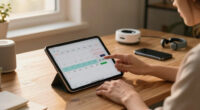
From a labeled pill organizer to an AI-powered dispenser, the right reminder system reduces missed doses, simplifies complex routines, and supports healthier independence.
“The best system is the one that fits naturally into your real daily routine.”
Three ways to remember
Medication reminder systems range from completely manual tools to connected devices that record and share dose activity. Many people get the best result by combining two approaches.
Digital apps
Flexible smartphone tools for people who want detailed schedules, repeated alerts, notes, and adherence history.
- Custom times, doses, and instructions
- Automatic logs and refill prompts
- Possible health-app or EHR syncing
Smart devices
Pill bottles, wearables, and automatic dispensers that connect reminders directly to medication storage or delivery.
- Audible, visual, or voice alerts
- Dispensing and dose confirmation
- Optional caregiver notifications
Traditional methods
Reliable, familiar options that work without accounts, subscriptions, smartphones, charging, or internet access.
- Weekly pill organizers
- Paper calendars and checklists
- Clock or kitchen-timer alarms
What makes a reminder useful?
A strong system does more than make noise. It delivers the right cue at the right moment, supports the complexity of the regimen, and makes follow-through easy to see.
Specific schedules
Set exact times, doses, medication names, food instructions, and repeat patterns.
Effective alerts
Choose sound, vibration, visual cues, voice prompts, or repeated notifications.
Adherence logging
Record taken and missed doses to reveal patterns that need attention.
Multiple medications
Organize overlapping routines without confusing one medicine for another.
Health integration
Share useful records with compatible apps, caregivers, or health providers.
Privacy controls
Look for encryption, clear permissions, account security, and transparent policies.
Consistency compounds
Studies suggest that reminder systems can improve medication adherence by 20–50%, depending on implementation and the education or support surrounding them.
Capability versus complexity
More technology can add automation and insight, but it may also introduce cost, setup, connectivity, and a learning curve. Choose only the capability you will actually use.
| Feature | Digital apps | Smart devices | Traditional methods |
|---|---|---|---|
| Customization | ✓ High — times, doses, notes | ~ Moderate — programmed schedules | ✗ Low — manual setup |
| Ease of use | ~ Requires smartphone comfort | ✓ Often simple once configured | ✓ Familiar and direct |
| Automatic tracking | ✓ Yes — adherence logs | ✓ Yes — dispensing records | ✗ No — manual checklist only |
| Connectivity | ✓ High — apps and some EHRs | ~ Limited — model dependent | ✗ None |
| Typical cost | ~ Varies — free to premium | ✗ Higher — hardware and subscription | ✓ Low — purchase or DIY |
| Internet required | ~ Sometimes | ~ For connected features | ✓ Never |
Technology is reducing the mental load
Recent tools can adapt, dispense, listen, connect, and escalate. Their value is greatest when automation remains understandable and users retain control over sensitive health data.
Adaptive reminders
Machine learning identifies missed-dose patterns and adjusts the timing or frequency of prompts.
Telemedicine links
Compatible systems let care teams monitor adherence remotely and intervene when patterns emerge.
Smart dispensing
Connected dispensers release scheduled doses and reduce manual sorting or handling errors.
Voice assistance
Hands-free prompts support people with mobility, dexterity, or vision challenges.
Accessible interfaces
Larger controls, clearer language, and streamlined screens improve usability for older adults.
Stronger data controls
Encryption, permissions, and clearer privacy settings help protect sensitive health information.
Pick for the life you live
Begin with your daily behavior—not the feature list. A low-tech system used every day is more effective than an advanced device that feels difficult or intrusive.
Identify when and where doses are most often forgotten.
Choose controls and alerts that feel clear without constant help.
Account for multiple medicines, changing doses, and special instructions.
Review permissions, encryption, data sharing, and provider integrations.
Start with a basic app, alarm, or organizer and upgrade only when needed.
Quick answers before you begin
Reminder tools support medication routines, but they do not replace instructions from a pharmacist or healthcare professional. Confirm any uncertainty about timing or dosage with your care team.
Are medication reminder apps safe and private?
Reputable apps may use encryption and follow relevant health-data rules, but protections vary. Review permissions, privacy terms, update practices, and who can access or receive your data.
Which system works best for elderly users?
Simple interfaces, large displays, clear audio, strong contrast, and voice assistance often work well. The best choice should also match vision, hearing, dexterity, and caregiver needs.
Can a system connect to provider records?
Some apps and devices integrate with electronic health records or telehealth platforms. Compatibility varies, so verify support with both the product maker and healthcare provider.
Are free options available?
Yes. Basic reminder apps, phone alarms, calendars, and simple organizers can be free or inexpensive. Advanced analytics and automatic dispensing may require a purchase or subscription.
Match the system to your routine, medication complexity, technology comfort, and privacy expectations—then use it consistently. Small, dependable cues can create meaningful health benefits.
What Are the Main Types of Medication Reminder Systems?
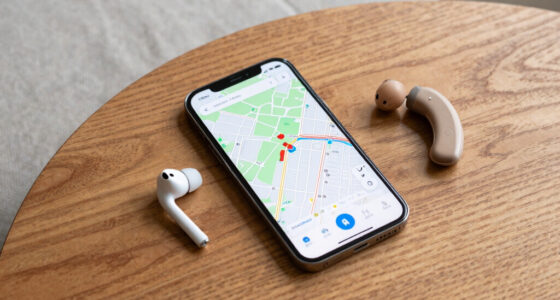
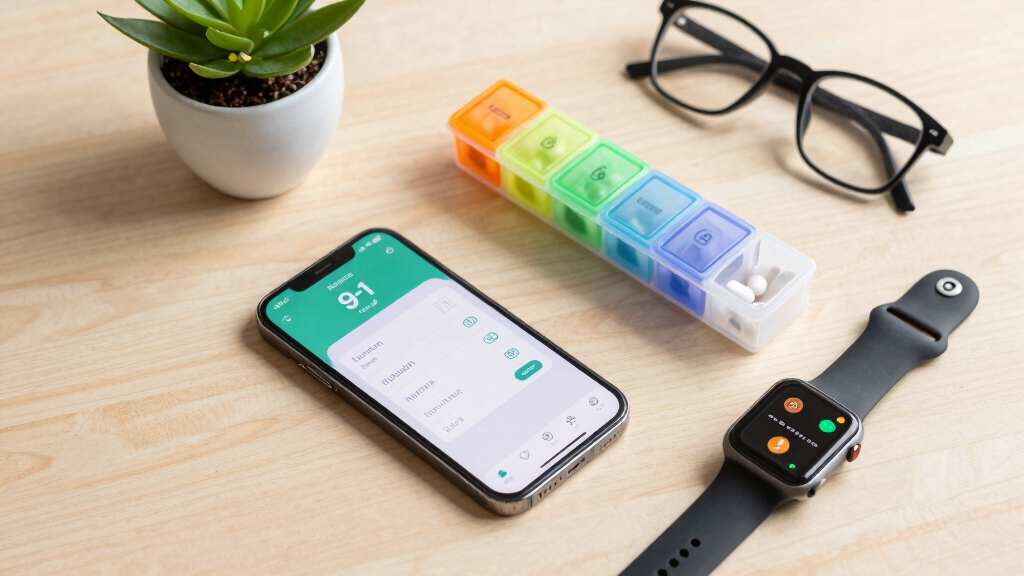
Medication reminder systems come in three broad categories. Digital apps on smartphones are popular, offering customizable alerts and tracking features. Smart devices like pill bottles that automatically remind you or dispense medication are increasingly common. Traditional methods such as pill organizers, paper calendars, and alarms still hold value, especially when combined with digital tools.
For example, a person juggling multiple medications might use a smartphone app to set alarms and a pill organizer with labeled compartments for each dose.
As an affiliate, we earn on qualifying purchases.
Key Features to Look for in a Medication Reminder System
When choosing a system, focus on customization. Can you set specific times, doses, and medication types? Notifications should be loud, vibrant, or vibrating enough to grab your attention. Tracking and logging features help you see your adherence patterns. If managing multiple medications, look for systems that handle complex routines. Compatibility with other health apps or devices can streamline your health management.
Understanding these features matters because medication adherence is often hindered by forgetfulness, complexity, or lack of motivation. Customizable reminders ensure that alerts are timely and relevant, reducing the risk of missed doses. Tracking features provide data that can reveal adherence patterns, helping both patients and healthcare providers identify issues early. Compatibility with other health tools ensures a holistic approach, making it easier to manage your overall health. The tradeoff, however, is that more advanced systems may require a learning curve or higher cost, so balancing functionality with user comfort is key.
For example, a caregiver might prefer an app that logs missed doses and shares data directly with a healthcare provider, enabling proactive management and support.
As an affiliate, we earn on qualifying purchases.
How Do Recent Tech Advances Make Medication Reminders Smarter?
Recent developments have turned medication reminders into intelligent tools. AI and machine learning adapt alerts based on your habits—if you often forget doses in the evening, the system learns and adjusts notifications accordingly. This personalization enhances adherence because it addresses individual patterns and potential forgetfulness at specific times. Integration with telemedicine platforms allows doctors to monitor adherence remotely, enabling timely interventions if doses are missed consistently. Smart dispensers can automatically dispense pills, reducing manual handling errors and ensuring correct doses. Voice-activated reminders via Alexa or Google Assistant offer hands-free ease, especially helpful for those with mobility or vision challenges. Privacy improvements ensure your health data stays protected, which is crucial as more sensitive data gets collected and shared.
Understanding these advances is important because they significantly reduce the cognitive load on users, making adherence easier and less error-prone. However, tradeoffs include potential privacy concerns, higher costs, and the need for a reliable internet connection to maximize benefits. For example, a person with Parkinson’s might use a voice assistant to confirm medication intake, reducing confusion and ensuring consistency, but they must also trust that their data remains secure.
As an affiliate, we earn on qualifying purchases.
Comparison Table: Digital Apps vs. Smart Devices vs. Traditional Methods
| Feature | Digital Apps | Smart Devices | Traditional Methods |
|---|---|---|---|
| Customization | High — set reminders, doses, notes | Moderate — programmed with specific schedules | Low — manual setup |
| Ease of Use | Requires smartphone skills | Intuitive, often with simple interfaces | Very simple, no tech needed |
| Tracking | Yes — logs adherence data | Yes — records dispensing and doses | Manual, no automatic tracking |
| Connectivity | Yes — syncs with health apps & EHRs | Limited — some connect to mobile apps | None |
| Cost | Varies — free to premium | Higher — device purchase + possible subscription | Low — mostly just purchase or DIY |
As an affiliate, we earn on qualifying purchases.
Practical Tips for Picking Your Perfect Reminder System
- Assess your routine: Do you prefer digital alerts or simple alarms?
- Consider your tech comfort: Are you comfortable using smartphones or smart gadgets?
- Check medication complexity: Do you need reminders for multiple doses or special instructions?
- Prioritize privacy and security: Read app privacy policies and encryption standards.
- Start simple: Test a basic app or device before investing in more complex options.
What’s Next? Embrace Tech for Better Health and Independence
Medication reminder systems are evolving fast, making health management more accessible and reliable. From AI-powered alerts to connected dispensers, these tools support your independence and reduce health risks. Take a moment to evaluate your needs, explore options, and pick a system that fits your lifestyle. Small changes today can lead to big health benefits tomorrow.
Imagine a future where forgetting medication is a thing of the past—where technology seamlessly supports your daily routine. That future starts with making an informed choice today.
Frequently Asked Questions
Are medication reminder apps safe and private?
Most reputable apps use encryption and comply with health data regulations, but it’s wise to review privacy policies before sharing sensitive information. Always choose trusted sources and keep your app updated to protect your data.
Which system is best for elderly users?
Simpler interfaces with larger displays, clear visuals, and voice-assisted options tend to work best. Devices like voice-activated speakers or easy-to-read pill dispensers can make a big difference in usability.
Can these systems connect with my healthcare provider’s records?
Some apps and devices offer integration with electronic health records (EHRs), but compatibility varies. Check if your provider supports specific health apps or platforms before choosing a system.
Are there free options available?
Yes, many basic apps and simple devices are free or low-cost. Premium features, like detailed tracking or automatic dispensing, may require a subscription or purchase but start with free options to test what works best for you.
How much can medication reminder systems improve adherence?
Research indicates that these systems can boost adherence by 20-50%, especially when combined with education and support. Understanding the importance of consistent use and selecting the right system for your needs is crucial for maximizing benefits.
Conclusion
A well-chosen medication reminder system isn’t just about remembering pills; it’s about reclaiming your independence and peace of mind. Think of it as a personal health assistant, quietly supporting your daily routine. The right system can turn forgetfulness into confidence—making health management a natural part of life.Fall Picks
fall essentials
As an affiliate, we earn on qualifying purchases.