TL;DR

Get everyday helpers delivered free with Prime
- Fast, free delivery on millions of items
- Prime Video, Amazon Music and more included
- Member-only deals all year
Hearing amplifiers use different batteries, each with strengths and drawbacks. Disposable zinc-air batteries are cheap but short-lived, while rechargeable lithium-ion batteries offer convenience but need proper care. Knowing your device and usage helps you pick the best power source.
If you rely on a hearing amplifier, understanding your battery options isn’t just technical; it’s about keeping your device alive and your hearing clear. The right choice can mean fewer interruptions and more freedom. But with so many types—disposables, rechargeables, and more—how do you pick the best fit for your lifestyle?
In this guide, we’ll explore the most common hearing amplifier batteries, what makes each one unique, and practical tips to keep your power sources performing their best. Because knowing your batteries isn’t just about saving money—it’s about preserving your independence and confidence.
Choose zinc-air batteries for affordability and simplicity, but expect to replace them every few days.
Rechargeable lithium-ion batteries offer convenience and eco-friendliness, with about a 1-day runtime per charge.
Proper storage and handling extend battery life—keep zinc-air batteries in original packaging, and clean contacts on rechargeable devices.
Environmental impact favors rechargeable batteries, but they require careful management and eventual professional replacement.
Stay alert to signs of battery issues—shut down, overheating, corrosion, or reduced runtime signal it’s time for a checkup.
Understanding Hearing Amplifier Battery Options
Battery choice is about more than cost. It determines how often your hearing is interrupted, how easily you can manage your device, and whether its power system fits the way you travel, stream, work, and live.
Reported share of new hearing-aid sales using rechargeable lithium-ion power—not necessarily all personal amplifiers.
Approximate zinc-air life across standard sizes, with substantial variation by device and use.
Typical use per charge; streaming and high amplification can shorten the day.
Four ways to power clearer listening
“Hearing amplifier” may mean a personal sound amplification product, an over-the-counter hearing aid, or a prescription device. Similar-looking batteries are not automatically interchangeable. Start with the manufacturer’s instructions.
| Feature | Zinc-air | Lithium-ion | AA / AAA alkaline |
|---|---|---|---|
| Typical runtime | 3–20 days by size | About 1 day per charge | Device-dependent |
| Handling | ~ Tiny, frequent swaps | ✓ Place in charger | ✓ Larger and easy to grip |
| Travel flexibility | ✓ Carry spare packs | ~ Charger or case needed | ✓ Widely available |
| Routine waste | ✗ Frequent disposal | ✓ Lower over its service life | ✗ Repeated disposal |
| Long-term service | Replace the cell yourself | ~ Sealed-cell service may be required | Replace the cell yourself |
| Best fit | Low upfront cost and no charger | Convenience and daily routine | Larger, simple amplifiers |
Battery life is a range, not a promise
Manufacturer estimates usually come from controlled testing. Amplification level, wearing time, Bluetooth, device-to-device communication, signal processing, weather, moisture, and battery age all change real-world performance.
Zinc-air size spectrum
Bars show the maximum end of each approximate range against a 20-day scale.
Choose for your routine—not the label
The right battery is the one your device supports and you can manage reliably. Consider hand dexterity, access to outlets, streaming habits, travel, replacement costs, and what happens if power runs out away from home.
You value flexibility
You travel without predictable charging access, prefer carrying instant spares, or want a lower initial device price.
Trade-off: frequent replacement and more battery waste.You value simplicity
You can charge nightly, dislike handling tiny cells, and want fewer routine battery purchases.
Trade-off: downtime while charging and eventual sealed-cell service.Your device is designed for it
You use a larger amplifier and prioritize widely available, easy-to-grip AA or AAA replacements.
Trade-off: more bulk and repeated disposable waste.Make zinc-air last
- Keep unused cells cool and dry in their original packaging; do not refrigerate them.
- Remove the tab only when ready to use the battery.
- Wait roughly one to five minutes before installation to help activation.
- Do not replace the tab; oxygen activation cannot be reversed.
- Never carry loose cells beside coins, keys, or other metal objects.
Protect rechargeables
- Use only the charger and cable approved for the device.
- Keep charging contacts clean, dry, and free of debris.
- Avoid hot cars, heaters, direct sun, and extreme cold.
- Turn the device off when it is not in use, if the manual recommends it.
- Have swelling, heat, corrosion, or sharply reduced runtime checked promptly.
Your five-step power check
The future is faster—and more seamless
Newer systems are moving toward longer-lasting cells, faster top-ups, portable cases with multiple charges, and contactless charging. The goal is dependable power with less handling and less listening downtime.
What emerging systems promise
Some recent devices advertise full-day use after a short quick charge. Actual results still depend on amplification, streaming, battery age, and the manufacturer’s test conditions.
What Are Zinc-Air Batteries and Why Are They Still Popular?
Zinc-air batteries are the tiny, blue, or brown button-sized powerhouses that have been around for decades. They work by using oxygen from the air to generate electricity, which is why you need to remove a small tab to activate them. Once activated, they keep discharging until they run out of oxygen, typically lasting 3 to 14 days depending on the size and device use.
Imagine you’re at a coffee shop, and your hearing aid suddenly cuts out. That’s often a sign your zinc-air battery is running low. These batteries are popular because they’re inexpensive, compact, and provide a steady power supply—ideal for many hearing aid models.
For example, a size 312 (brown) battery might last about 5 days for someone who uses their device 12 hours daily, with moderate streaming. However, environmental factors like heat and humidity can cut that time short, so proper storage and handling matter.
hearing amplifier rechargeable batteries
As an affiliate, we earn on qualifying purchases.
As an affiliate, we earn on qualifying purchases.
Rechargeable Lithium-Ion Batteries: The Modern Powerhouse
Rechargeable lithium-ion batteries are changing the game, offering a simple, eco-friendly way to power your hearing device. Most new amplifiers feature these sealed batteries, giving you about a full day of use on a single charge—perfect for busy days or frequent streaming.
Imagine waking up and plugging your device into a sleek charging case overnight. By morning, you’re set for the day—no tiny batteries to handle or worry about. The convenience is undeniable, especially for those with dexterity challenges or limited access to batteries.
But keep in mind, lithium-ion batteries gradually lose capacity over time. After 2-3 years, you might need a professional to replace the sealed cell or upgrade to a new device. Also, high streaming volumes or Bluetooth use can shorten daily runtime.
As an affiliate, we earn on qualifying purchases.
How Do Disposable Alkaline Batteries Compare to Rechargeables?
Disposable alkaline batteries, like AAA or AA cells, are common in larger, budget-friendly hearing amplifiers. They’re easy to replace and widely accessible. But they tend to be bulkier and generate more waste compared to rechargeable systems.
Think of it like using disposable batteries in a flashlight—they’re reliable, but you need to keep a stock handy. Rechargeables are like your smartphone—they handle multiple charges, reducing waste and ongoing costs.
Here’s a quick comparison:
| Feature | Disposable Zinc-Air | Rechargeable Lithium-Ion |
|---|---|---|
| Cost per year | Lower upfront, ongoing replacement costs | Higher initial price, lower ongoing costs |
| Convenience | Requires manual replacement | Plug in, charge overnight |
| Environmental impact | More waste from batteries | Less waste, recyclable |
| Battery life | 3–20 days depending on size | About 1 day per charge |
Choosing between them depends on your lifestyle, device support, and environmental values. If you travel often or dislike handling tiny batteries, rechargeables might be better.
As an affiliate, we earn on qualifying purchases.
What Affects Your Hearing Amplifier’s Battery Life?
Battery life isn’t just about size. In fact, your daily habits and device features play a huge role. Using high amplification, streaming music or calls via Bluetooth, or wearing your device all day can drain batteries faster.
For example, if you love listening to podcasts with Bluetooth streaming, you might notice your lithium-ion battery running out by late afternoon. Conversely, if you keep your device off when not in use or turn it down in noisy environments, you can extend its runtime.
Temperature and humidity also matter. Cold weather can reduce battery efficiency, while moisture can cause corrosion or short circuits, shortening lifespan. Even the age of your batteries impacts how long they last—rechargeable batteries slowly lose capacity after about 2-3 years.
long-lasting hearing amplifier batteries
As an affiliate, we earn on qualifying purchases.
As an affiliate, we earn on qualifying purchases.
Which Battery Type Is Right for You? Pros and Cons
Choosing between disposable zinc-air and rechargeable lithium-ion batteries boils down to your lifestyle and preferences. Here’s a quick rundown:
- Zinc-air: Cheaper upfront, easy to swap out, but create waste and need frequent replacing.
- Rechargeable: Convenient, eco-friendly, reduces waste, but higher initial cost and potential device limitations during charging.
For example, if you’re often on the go with limited charging options, disposables might be your best bet. If you prefer convenience and don’t want to fuss with tiny batteries, rechargeable models fit better.
Latest Battery Tech: What’s New and What’s Coming?
Battery technology is rapidly evolving, making hearing devices smarter and more reliable. Recent highlights include longer-lasting lithium-ion batteries, faster charging options, and portable cases with multiple charges. Some newer models even support contactless or wireless charging—think of just placing your device on a pad and walking away.
For instance, a recent development is a rechargeable hearing aid that offers 24 hours of use with just a 30-minute quick charge. This means less downtime and more listening, especially in emergencies or when traveling.
As tech advances, expect more durable, environmentally friendly, and user-friendly batteries that cater to those with limited dexterity or vision. The trend is toward seamless, “set-it-and-forget-it” power solutions.
How to Care for Your Hearing Amplifier Batteries and Make Them Last
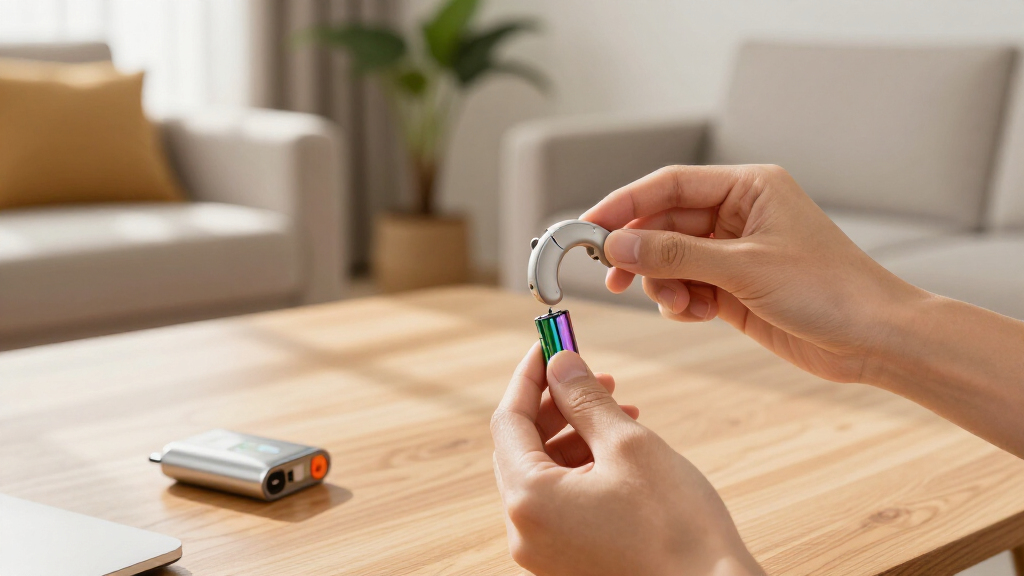
Proper battery care can extend their life and keep your device performing its best. For zinc-air batteries, store them in a cool, dry place in their original packaging, and don’t refrigerate. Always remove the tab just before use, and avoid carrying loose batteries with coins or keys that could cause short circuits.
Rechargeable batteries require keeping contacts clean, using the right charger, and avoiding extreme heat. For example, don’t leave your device charging in a hot car or near a heater. Regularly check for signs of swelling or corrosion, and replace damaged batteries immediately.
Good habits include turning off your device when not in use and opening the battery door overnight if recommended. These simple steps can prevent premature failure and ensure your hearing remains clear.
Safety First: Handling and Disposing Batteries Properly
Button batteries pose serious risks if swallowed, especially for children and pets. Store batteries securely, away from curious hands or mouths. If a battery is swallowed, seek emergency help immediately—this is a medical emergency.
Dispose of used batteries according to local regulations. Zinc-air and lithium-ion batteries should go to designated recycling centers. Never throw them in regular trash or expose damaged batteries to heat or water, as they can leak or ignite.
Handling damaged or swollen batteries carefully is essential. If you notice any signs of damage, stop using the device, disconnect it from charging, and consult a professional or follow manufacturer instructions.
Signs Your Battery Needs Help—What to Watch For
Pay attention to warning signs like sudden volume drops, unexpected shutdowns, or the device not charging fully. If your device produces low-battery tones or the runtime shortens unexpectedly, it’s time to check the battery.
Other clues include the device feeling hot during use or charging, corrosion around contacts, or physical damage to the battery or device. These signals often mean your batteries are nearing the end of their life or there’s a maintenance issue.
Always troubleshoot systematically—try replacing batteries, cleaning contacts, or resetting your device before assuming a battery fault.
Frequently Asked Questions
Can I use any battery that fits my hearing amplifier?
No. Even if a battery fits physically, it might not match the required chemistry or voltage. Always use the exact type specified by your device’s manufacturer for safe and reliable performance.
How long does a rechargeable hearing amplifier battery last per charge?
Most modern rechargeable hearing aids provide about 24 hours of use per full charge. Streaming, high amplification, and cold weather can shorten this, so check your device’s specifications for precise estimates.
Why do zinc-air batteries seem weak when new?
They might not have been activated fully. Remove the tab and wait 1-5 minutes before installation to allow oxygen to enter. Improper storage or old stock can also reduce their power from the start.
Should I replace the tab on a zinc-air battery after activation?
No. Once the tab is removed, the chemical reaction begins. Replacing it won’t stop the discharge, so activate the battery only when ready to use.
Is it safe to leave my device charging overnight?
Most modern devices are designed for overnight charging and will stop or slow down once full. Always follow your manufacturer’s instructions to avoid overcharging or damage.
Conclusion
Knowing your hearing amplifier’s battery type isn’t just about saving money—it’s about keeping your world clear and your independence strong. Whether you prefer the simplicity of zinc-air or the convenience of rechargeables, understanding your options empowers you to make smarter choices.
Remember, your device’s battery is its lifeline. Treat it well, and it will serve you reliably for years to come. After all, the right power source isn’t just a detail—it’s your connection to better hearing every day.
Columbus Day / Indigenous Peoples' Day Picks
long weekend sales
As an affiliate, we earn on qualifying purchases.