TL;DR

Get everyday helpers delivered free with Prime
- Fast, free delivery on millions of items
- Prime Video, Amazon Music and more included
- Member-only deals all year
Choosing the right non-slip bath mats and flooring boosts bathroom safety. Look for high slip resistance, water-resistant materials, easy maintenance, and certifications. Recent innovations make safety stylish and eco-friendly.
Prioritize products with high slip-resistance ratings certified by recognized standards.
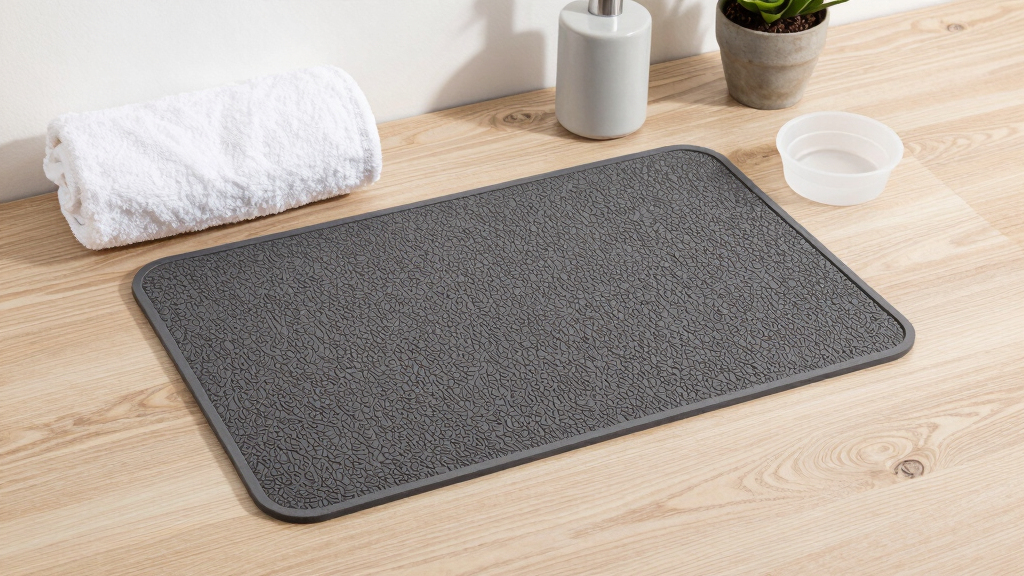
Rubber and silicone mats provide the best grip—choose textured designs for maximum safety.
Eco-friendly options like cork and recycled rubber now include anti-slip features, combining sustainability with safety.
Regular cleaning and maintenance are essential to keep your surfaces slip-proof and hygienic.
Recent innovations, like nano-coatings and antimicrobial finishes, make bathroom safety stylish and effortless.
What Makes a Bath Mat or Floor Truly Slip-Resistant?
Slip resistance isn’t just about having a rough surface. It’s about how well the mat or flooring grips when wet, which is critical because water drastically reduces friction between surfaces, increasing fall risk. Materials like rubber and silicone are engineered with high-friction textures that maintain grip even in wet conditions, making them essential for safety. Certifications like ASTM or CE are not just labels; they are benchmarks that indicate a product has been tested under rigorous conditions, ensuring real-world performance. The textured surfaces, such as honeycomb patterns or deep suction cups, increase the contact points and friction, creating a more secure footing. Choosing products with proven safety ratings and textured surfaces minimizes the chance of slips, especially in bathrooms where water pooling is common. The tradeoff often lies in aesthetics or ease of cleaning; textured surfaces can sometimes trap dirt or be harder to wipe clean, so balancing grip with maintenance is key.
As an affiliate, we earn on qualifying purchases.
Best Materials for Non-Slip Bathroom Surfaces
Material choice directly impacts safety, durability, and how well the surface performs over time. Rubber and silicone are top contenders because their natural grip and water resistance prevent slipping even when wet. Recycled rubber and cork are eco-friendly options that provide a softer underfoot feel, reducing fatigue and offering natural anti-slip properties. Textured vinyl and ceramic tiles can also be designed with slip-resistant patterns that enhance safety without sacrificing style. For example, textured vinyl mimicking natural stone offers a sophisticated look while providing better grip and easier cleaning than traditional smooth surfaces. Cork tiles are naturally slip-resistant due to their cellular structure, but they require sealing to prevent water damage, highlighting a tradeoff between natural beauty and maintenance. To ensure ongoing safety, regularly clean and inspect your chosen materials, reapplying sealants or replacing worn items as needed. This proactive approach keeps your surfaces slip-proof and hygienic over time.
eco-friendly non-slip bathroom flooring
As an affiliate, we earn on qualifying purchases.
As an affiliate, we earn on qualifying purchases.
How to Pick the Perfect Size and Style for Your Bathroom
Choosing the right size and style isn’t just about matching your decor; it’s about creating a safer environment. A large, textured mat or flooring piece covers more high-traffic and water-prone areas, significantly reducing slip hazards. Proper measurement ensures coverage extends beyond the shower or tub, preventing water from reaching uncovered spots that could cause slips. To make practical decisions, measure your bathroom’s most trafficked zones and select mats or flooring that provide ample coverage, especially near the shower, tub, and sink. When selecting style, prioritize textured surfaces that offer maximum grip but also match your aesthetic preferences. For example, a textured vinyl floor that resembles natural stone can elevate your bathroom’s look while providing superior grip. Conversely, a bold, patterned anti-slip mat can add personality and serve as a visual cue for caution. Remember, safety features like textured surfaces are most effective when properly sized and thoughtfully placed, turning functional safety elements into a seamless part of your overall bathroom design.
As an affiliate, we earn on qualifying purchases.
Easy Maintenance Tips to Keep Your Non-Slip Surfaces Safe
Maintaining slip-resistant surfaces is essential because dirt, soap scum, and mold can compromise their grip over time. To keep your surfaces safe, establish a routine: clean your mats and floors at least once a week with non-abrasive, mild cleaners. Regular cleaning prevents soap scum and mold buildup, which can create slippery films or degrade textured surfaces. For rubber mats, rinse thoroughly and allow them to air dry to prevent mold growth; for textured tiles or vinyl floors, sweep and mop with gentle cleaners, paying special attention to grout lines. When cleaning, avoid harsh chemicals or abrasive scrubbers, as they can damage surface textures and protective coatings. A simple routine of warm water and a mild dish soap can maintain both cleanliness and slip resistance. Additionally, periodically inspect your surfaces for signs of wear or damage—replacing or resealing as needed—so safety features remain effective. Consistent maintenance not only prolongs the lifespan of your non-slip surfaces but also ensures your bathroom stays a safe environment for everyone.
water-resistant slip-resistant bathroom tiles
As an affiliate, we earn on qualifying purchases.
As an affiliate, we earn on qualifying purchases.
Latest Innovations: What’s New in Non-Slip Bathroom Solutions?
Recent technological advances are transforming bathroom safety. Nano-technology-based coatings, for example, create microscopic textures that enhance grip even when surfaces are wet, without altering the appearance or feel of the material. Eco-friendly options like cork or recycled rubber infused with anti-slip properties merge sustainability with safety, reducing environmental impact while maintaining high performance. Some mats now feature antimicrobial finishes, which inhibit mold and bacteria growth, prolonging their effective slip resistance and enhancing hygiene. Moisture sensors embedded in mats or flooring can alert you to excess moisture or mold risk, enabling proactive maintenance—this allows you to address potential hazards before they become serious. Drainage-enhanced designs incorporate channels that direct water away from walking surfaces, preventing pooling and reducing slip hazards. For instance, a textured vinyl with embedded nano-coatings not only provides superior grip but also resists staining and simplifies cleaning. These innovations do more than improve safety—they align with modern values of eco-consciousness and health, making bathroom safety more stylish, sustainable, and effortless than ever before.
Compare: Rubber, Vinyl, Cork, and Ceramic – Which Is Best for Your Bathroom?
| Feature | Rubber | Vinyl | Cork | Ceramic Tiles |
|---|---|---|---|---|
| Slip Resistance | High, rated with certifications, maintains grip when wet | Variable, textured options provide good grip but depend on design | Excellent, naturally slip-resistant due to cellular structure | Good, especially with textured surfaces; surface treatments enhance safety |
| Water Resistance | Excellent, resists water absorption and mold growth | Excellent, non-porous and easy to clean | Good, but requires sealing to prevent water damage over time | Excellent, but grout lines can harbor mold if not properly maintained |
| Durability | Very durable, resistant to mold and wear | Good, but may wear or fade with heavy use | Moderate, needs sealing and careful maintenance to prevent water damage | Very durable when properly installed and maintained; prone to cracking if mishandled |
| Eco-Friendliness | Recycled options available, eco-conscious manufacturing | Some biodegradable and recyclable options | Highly sustainable, renewable resource | Less eco-friendly, but long-lasting and recyclable |
| Ease of Cleaning | Easy, rinse and wipe; resistant to mold | Easy, non-porous surface resists stains and mold | Requires sealing and careful cleaning to prevent water damage | Requires regular cleaning and sealing grout to prevent mold and water spots |
Simple Steps to Improve Bathroom Safety Right Now
- Inspect your current surfaces for wear, mold, or slickness. Recognizing early signs of degradation helps prevent accidents.
- Replace worn or slick mats with textured, high-traction options, considering size and placement for maximum coverage.
- Add anti-slip adhesive strips or decals on existing tiles, especially in high-risk zones like near the shower or bathtub, to enhance grip without major renovations.
- Use a quick-drying, textured mat outside your shower or tub to absorb water and provide a stable footing, reducing the risk of slipping when stepping out.
- Implement a regular cleaning routine—rinsing mats and mopping floors with gentle cleaners—to remove soap scum and prevent mold buildup that can compromise slip resistance.
To make practical safety improvements, start by measuring your bathroom’s high-risk areas and selecting appropriately sized textured mats or applying anti-slip strips where needed. Schedule weekly inspections and cleaning routines to catch wear early. Small, deliberate actions—like adding a textured mat outside the shower—can significantly reduce slip hazards and make your bathroom safer for everyone. Approach safety upgrades as an ongoing process, not a one-time fix, to maintain a secure environment over time.
Frequently Asked Questions
What is the safest material for a non-slip bath mat?
Rubber and silicone are considered the safest because they naturally provide high grip when wet. Look for products rated with certifications like ASTM or CE for added assurance.
How often should I replace my non-slip bath mat?
Replace your bath mat when it shows signs of wear, mold, or loses grip—usually every 6 to 12 months. Regular inspection helps maintain safety and hygiene.
Are eco-friendly non-slip options available?
Yes, cork, recycled rubber, and biodegradable plastics are eco-friendly choices that also offer good slip resistance. Just ensure they have non-slip features and proper sealing if needed.
How can I improve safety with existing slippery flooring?
Use non-slip adhesive strips, apply anti-slip coatings, or add a textured, quick-drying rug or mat near high-traffic areas. Regular cleaning also helps prevent mold and soap scum buildup, maintaining grip and safety.
What features should I look for in non-slip flooring?
Look for textured surfaces, water-resistant and mold-resistant materials, and safety certifications. These features ensure your bathroom remains slip-proof and easy to maintain, reducing accident risks and prolonging surface life.
Conclusion
A slip in the bathroom can turn a simple morning routine into a painful accident. Choosing the right non-slip mats and flooring isn’t just about looks—it’s about protecting your independence and loved ones. Invest in safety today, and turn your bathroom into a secure, welcoming space where every step feels confident and steady.Columbus Day / Indigenous Peoples' Day Picks
long weekend sales
As an affiliate, we earn on qualifying purchases.