TL;DR
Listen free for 30 days with Audible
Thousands of audiobooks and originals — cancel anytime.
Start your free trialAs an affiliate, we earn on qualifying purchases.
A fall-safer bathroom combines support features, non-slip surfaces, and good lighting to prevent accidents. Many modifications are straightforward and cost-effective, helping maintain independence and safety.
Install grab bars and non-slip mats in strategic spots around the bathroom.
Choose textured, slip-resistant flooring materials like textured ceramic or vinyl.
Improve lighting with bright LEDs and night lights for safer navigation.
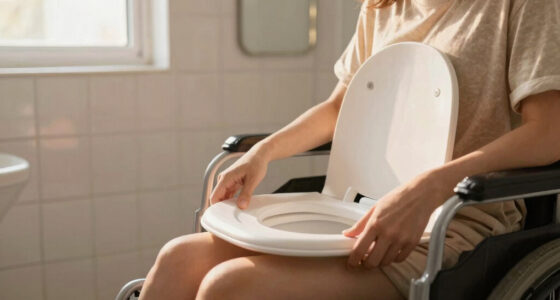
Widen doorways and add seating to enhance accessibility.
Keep pathways clear and secure loose rugs to prevent trips.
How to Spot the Biggest Fall Hazards in Your Bathroom
Identifying risks is the first step to a safer bathroom. Think about the areas where slips happen most—wet floors, uneven surfaces, cluttered spaces. For example, a loose rug or a soap dish that causes you to stumble can be dangerous. Conduct a quick safety check: look for shiny tiles, water on the floor, or clutter blocking pathways. Making a mental map of hazards helps you target your improvements effectively.
As an affiliate, we earn on qualifying purchases.
5 Key Features That Make Your Bathroom Fall-Proof
Here are the five most impactful safety features you can add:
- Grab bars—Install next to the toilet, in the shower, and at the bathtub entry. These bars provide essential support when standing, sitting, or balancing, especially if you feel dizzy or unsteady. Proper placement and secure installation are critical; poorly mounted bars can cause falls if they give way. They act as reliable anchors, reducing the risk of slips during transfers or while standing.
- Non-slip mats—Place inside and outside the shower, and on the bathroom floor. Non-slip mats help prevent falls on wet surfaces, which are the most common cause of bathroom accidents. Choosing mats with a textured surface or those that grip firmly to the floor minimizes slipping hazards. Remember, even a small amount of water can make surfaces dangerously slick, so these mats are a simple yet vital safety layer.
- Walk-in or curbless showers—Eliminate the step-over barrier for easier access. These designs reduce the chance of tripping while entering or exiting the shower, especially for those with limited mobility or using assistive devices. However, they require proper drainage and slip-resistant flooring to prevent water pooling and falls. The tradeoff is that while they improve accessibility, they may involve more initial renovation costs.
- Good lighting—Bright, even lighting reduces shadows that can hide hazards. Adequate illumination helps you see water, clutter, or uneven surfaces clearly, decreasing the likelihood of missteps. Installing layered lighting—overhead, task, and night lights—ensures visibility at all times. Well-lit spaces promote confidence in movement and minimize accidental slips or trips.
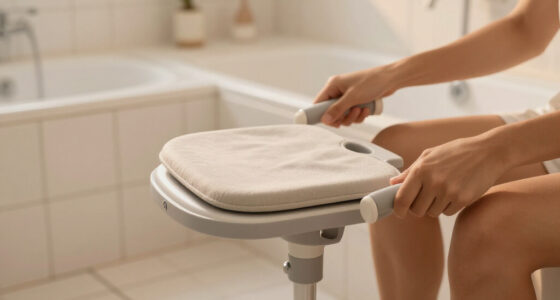
- Shower chairs or benches—Offer stability for seated bathing, especially for those with mobility issues. These fixtures support users who might tire easily or need to sit while washing. Properly positioned, they prevent slips caused by fatigue or loss of balance. The tradeoff involves space and ensuring the chair is sturdy and waterproof to prevent additional hazards.
As an affiliate, we earn on qualifying purchases.
Compare Flooring Options for Non-Slip Safety in Your Bathroom
| Material | Slip Resistance | Durability | Cost |
|---|---|---|---|
| Textured ceramic tile | High | Excellent | Moderate |
| Vinyl flooring | Very high | Good | Low |
| Polished marble | Low | High | High |
As an affiliate, we earn on qualifying purchases.
Simple Steps to Make Your Bathroom More Accessible
Making your bathroom accessible doesn’t mean big renovations. Here’s a straightforward 4-step process:
- Widen doorways if possible—aim for at least 32 inches for wheelchair access.
- Install grab bars near the toilet and shower—use adhesive options if you prefer no drilling.
- Add a shower seat or bench—look for lightweight, waterproof chairs.
- Replace your shower with a walk-in or curbless design—this reduces tripping hazards and eases entry.
As an affiliate, we earn on qualifying purchases.
Lighting Tips That Make a Big Difference in Bathroom Safety
Good lighting is often overlooked but is vital. Bright, even lighting cuts down shadows that can hide hazards. Consider installing bright LED bulbs, adding night lights, or motion-activated fixtures. For example, a well-lit pathway from the bedroom to the bathroom can prevent falls during nighttime visits.
How to Choose the Right Non-Slip Surfaces for Your Bathroom
Not all surfaces grip your feet equally. Textured tiles, vinyl with a slip-resistant coating, and non-slip mats are your best bets. Avoid polished marble or glossy ceramic without slip treatment—they can quickly turn wet floors into skating rinks. A good rule: look for surfaces with a textured finish or add non-slip coatings for extra grip.
Preventing Clutter and Slips: The Small Things That Matter
Clutter and loose rugs are silent fall triggers. Keep pathways clear, secure or remove rugs that slide, and store toiletries neatly. For example, use double-sided tape or non-slip rug pads under mats. Clearing a cluttered vanity or shower shelf can prevent accidental knocks or trips.
Emergency Safety Devices to Keep You Protected
Adding emergency call buttons or alarms can make a big difference. For example, a waterproof wristband or a wall-mounted alarm can alert someone quickly if a fall occurs. GFCI outlets are crucial for preventing shocks, especially in wet environments. These devices add peace of mind without major renovations.
Frequently Asked Questions
Can I install grab bars myself?
Many grab bars are designed for DIY installation using adhesive or surface-mounted hardware. However, for more secure, load-bearing support, especially in shower areas, professional installation is recommended to ensure safety.
What’s the best non-slip flooring for a budget?
Vinyl flooring with a textured surface is affordable, easy to install, and provides excellent slip resistance. Non-slip coatings can also be applied to existing tile floors to improve safety without replacing them.
Are walk-in showers truly safer?
Walk-in, curbless showers reduce tripping hazards by removing the step-over barrier. They’re especially beneficial for those with limited mobility but should be paired with non-slip surfaces and grab bars for maximum safety.
How often should I check safety features?
Regularly inspect grab bars, non-slip mats, and lighting—at least every 6 months. Replace or repair any worn or loose items promptly to maintain a safe environment.
Conclusion
A few focused upgrades can turn your bathroom into a safe space for everyone. Think support, grip, and good lighting—simple changes with a big impact. Remember, safety isn’t just about avoiding falls; it’s about preserving independence and confidence every day.Fall Picks
fall essentials
As an affiliate, we earn on qualifying purchases.