
TL;DR

Get everyday helpers delivered free — and shop member deals
- Fast, free delivery on millions of items
- Access to Prime Big Deal Days deals on October 6–7
- Prime Video, Amazon Music and more included
Creating an accessible emergency plan requires considering diverse needs, using multiple communication methods, and regularly updating procedures. Recent tech and standards make planning more effective and inclusive.
Start by understanding the specific needs of your community members to tailor your emergency plan effectively.
Use multiple communication formats—visual, auditory, tactile—to ensure everyone receives clear alerts.
Identify and prepare accessible emergency locations with features like ramps and tactile signage.
Practice inclusive drills regularly to build confidence and quick response among all participants.
Partner with local organizations and keep your plan updated to stay relevant and effective.
Start by Knowing Who Needs Special Help and How
To create an accessible emergency plan, begin with a clear understanding of your community’s needs. Who requires assistance during an emergency? Think about people with mobility aids, hearing or vision impairments, language barriers, or cognitive challenges. For example, a senior using a wheelchair or someone with a speech impairment.
Gather this info through surveys, conversations, or working with local disability groups. This step ensures your plan addresses real needs, not assumptions. Think of it as creating a detailed map before navigating unknown territory.
For instance, knowing that a neighbor relies on a motorized scooter allows you to plan accessible exits or evacuation help. This personalized approach makes your plan resilient — tailored to your community’s fabric.
Understanding these needs is crucial because it influences every aspect of your plan—from communication methods to shelter locations. Overlooking specific needs can lead to dangerous gaps, where vulnerable individuals might become trapped or confused, risking their safety. Therefore, this initial assessment is the foundation for an inclusive, effective emergency response.
As an affiliate, we earn on qualifying purchases.
Design Clear, Multi-Format Communication Strategies
Communication is the backbone of any emergency plan. Yet, many plans rely solely on verbal or written instructions, leaving some people in the dark. To be truly inclusive, use multiple formats—visual, auditory, and tactile.
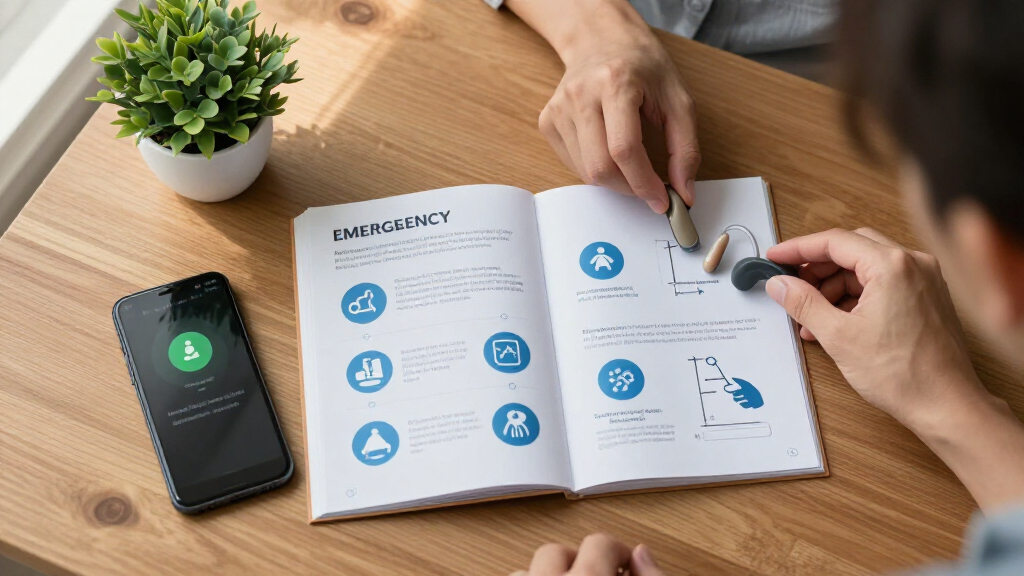
Employing diverse communication methods ensures that information reaches everyone, regardless of sensory or language barriers. For example, visual aids like pictograms and large-print signs are vital for those with hearing impairments or literacy challenges. Bright, flashing lights combined with loud alarms can alert individuals with hearing loss. Tactile cues, such as textured flooring or braille signage, are essential for those with vision impairments.
During a recent community drill, a building used both spoken announcements and vibrating pagers to alert residents. This multi-sensory approach significantly reduced missed alerts, illustrating how layered communication strategies can save lives. The tradeoff is often increased complexity and cost, but the safety benefits far outweigh these challenges. The key is balancing resource investment with the critical need for inclusivity, ensuring no one is left behind in an emergency.
vibrating pager for hearing impaired
As an affiliate, we earn on qualifying purchases.
As an affiliate, we earn on qualifying purchases.
Identify and Prepare Accessible Emergency Locations
Where will people go when disaster strikes? An accessible emergency location must be reachable and usable by everyone. Think beyond just a safe spot—consider terrain, signage, and amenities.
Designating such locations involves more than selecting a nearby building; it requires evaluating whether these sites are physically accessible, properly marked, and equipped to handle diverse needs. For example, a shelter with ramps, wide doorways, accessible restrooms, and quiet zones for sensory-sensitive individuals ensures inclusivity. Clear, high-contrast signs with tactile indicators help guide people with visual impairments, reducing confusion and delays during evacuation.
In a recent community effort, local officials mapped out multiple accessible shelters, including a gym with ramps and automatic doors. They also trained staff on assisting people with disabilities, transforming a static plan into a practical safety network. Accessibility isn’t just a compliance issue; it reflects a community’s commitment to dignity, safety, and trust. When everyone can reach and use emergency locations comfortably, it minimizes chaos and potential injuries, making the entire response more effective.
As an affiliate, we earn on qualifying purchases.
Practice and Teach Your Emergency Plan Regularly
A plan isn’t worth much if no one knows it or how to use it. Regular drills help everyone understand their role and build confidence. But for an accessible plan, drills must be inclusive.
Scheduling practice sessions that accommodate different needs ensures that all community members can participate meaningfully. Use visual cues, sign language interpreters, assistive listening devices, or tactile materials to make the drills effective for everyone. For example, a community center included a mock evacuation for wheelchair users, with staff practicing assistance and accessible routes. This not only boosts individual confidence but also reveals unforeseen gaps in the plan.
Teaching residents and staff how to help others—such as guiding someone with limited vision or communicating with non-verbal neighbors—creates a culture of mutual support. Repetition and inclusive training turn procedures into instinct, reducing hesitation during real emergencies. The tradeoff is time and resource investment, but the payoff is a community that responds cohesively and confidently under stress.
Ultimately, consistent, inclusive practice fosters automatic responses, critical during high-stakes situations, and helps save lives.
As an affiliate, we earn on qualifying purchases.
Stock and Customize Emergency Supplies for All Needs
Emergency kits aren’t one-size-fits-all. To make your plan truly accessible, include supplies tailored to diverse needs. Think about medications, hearing aids, mobility aids, and sensory comfort items.
For instance, a family might keep a go-bag with extra hearing aids, specialized medication, and a portable charger for medical devices. Label everything clearly in large print or braille. Keep supplies in accessible locations known to everyone. This preparation ensures that in the chaos of an emergency, no one is left without essential items that support their safety and well-being.
During a recent power outage, a family with a cochlear implant had a backup battery ready, ensuring they could still hear emergency alerts. Such details are often overlooked but can be lifesaving when time is critical. Regular checks and updates are necessary because needs and technology evolve. Tailoring supplies to individual requirements acknowledges that safety is personal—what works for one may not work for another, and customization can significantly reduce risks during crises.
Partner with Local Agencies and Community Groups
You’re not alone in this. Collaborate with local emergency services, disability advocacy groups, and community organizations. They can offer guidance, resources, and training to enhance your plan’s effectiveness.
Building these partnerships allows for sharing expertise and resources, which can lead to more comprehensive and realistic planning. For example, working with a local disability center, a neighborhood created a shared registry of residents with special needs. Emergency responders trained on these residents’ specific requirements can respond more effectively, reducing delays and confusion during crises. Such collaborations foster mutual trust and ensure that the plan reflects real community needs, rather than assumptions. They also help in organizing joint training exercises, resource pooling, and community outreach, making the emergency response more coordinated, efficient, and inclusive.
Community involvement is essential for building resilience. When diverse groups are engaged, the plan becomes more accepted and practiced, leading to faster, more effective action in emergencies.
Keep Your Plan Fresh with Regular Reviews and Updates
Your emergency plan isn’t a static document. As community demographics, infrastructure, and technology change, so must your plan. Regular reviews—at least annually—ensure that your procedures remain relevant and effective. Major events like new housing developments, updated assistive technologies, or recent drills can reveal gaps or outdated information.
Updating contact details, adding new accessibility features, or revising evacuation routes based on recent experiences keeps your plan reliable. For example, after a flood drill, a community added new accessible routes and updated shelter locations, directly improving response time and safety.
Staying current demonstrates ongoing commitment and builds community trust. It also prepares you for unforeseen challenges, as a well-maintained plan adapts to evolving circumstances. Incorporate community feedback, document lessons learned, and set reminders for regular review sessions to institutionalize this process, making safety an ongoing priority rather than a one-time effort.
Ultimately, a regularly updated plan reflects a proactive approach to safety, ensuring preparedness in any situation.
Frequently Asked Questions
How do I make my emergency plan accessible for people with different disabilities?
Use multiple communication methods—visual signs, loud alarms, tactile cues—and ensure physical spaces are fully accessible. Personalize plans when needed, and involve those with disabilities in planning to identify gaps.What are best practices for communicating emergency information to diverse populations?
Combine clear, simple language with visual aids, captions, sign language interpreters, and accessible digital platforms. Test your methods regularly to confirm everyone understands the alerts.How often should I review and update my emergency plan?
At least once a year, or after community changes, drills, or emergencies. Regular updates keep your plan relevant and reliable in unpredictable situations.What resources can help me create an accessible emergency plan?
Reach out to local emergency management agencies, disability advocacy groups, and consult federal guidelines like FEMA and ADA standards for best practices and tools.How can I involve the community in developing an accessible emergency plan?
Engage representatives from diverse groups in planning meetings, solicit feedback, and conduct inclusive drills. Their insights will make your plan more practical and accepted.Conclusion
An accessible emergency plan isn’t just a list of instructions — it’s a promise to protect everyone, no matter their needs. When you include diverse communication methods, accessible locations, and regular practice, you turn chaos into coordinated action. Safety is a shared responsibility — make sure no one is left behind when it counts most.Fall Picks
fall essentials
As an affiliate, we earn on qualifying purchases.