TL;DR
Listen free for 30 days with Audible
Thousands of audiobooks and originals — cancel anytime.
Start your free trialAs an affiliate, we earn on qualifying purchases.
Making stairs safer at home involves good lighting, sturdy handrails, non-slip surfaces, and regular upkeep. Recent innovations like smart lighting and advanced coatings are enhancing safety and accessibility for everyone.
Install bright, even lighting to improve visibility and prevent missteps.
Secure handrails on both sides at the right height for maximum support.
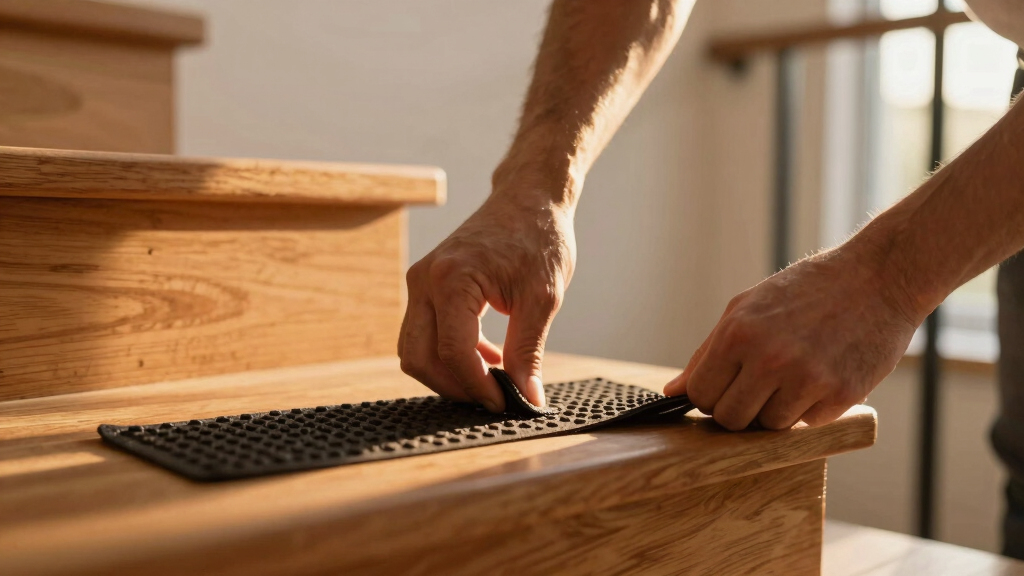
Use non-slip tapes, treads, or coatings to prevent slips on polished surfaces.
Maintain uniform step dimensions and inspect regularly for damage.
Keep stairs free of clutter and add contrasting color markings for clarity.
Brighten Up: How Good Lighting Prevents Falls
Proper lighting is the first line of defense against stair accidents. Dim or uneven lighting can hide hazards and cause missteps. Installing bright, even fixtures or motion-activated lights makes every step clear, even in the middle of the night.
For example, a homeowner in Minnesota installed motion-activated LED strips along their staircase. Nighttime trips dropped by 80%. Bright, reliable lighting helps your eyes see every edge and surface, reducing the risk of slips.

KOMIGAN KMG-3233 Motion-Activated LED Stair Lighting Kit with Wall Switch, 42" Long Cuttable LED Strip Light for Indoor LED Stair Lights (Warm White 3000K, 16 Stairs)
- Motion-Activated Lighting: Sequential lighting as you step
- Customizable Settings: Adjust step count, brightness, and delay
- Switch Modes Easily: Automated or continuous lighting modes
As an affiliate, we earn on qualifying purchases.
As an affiliate, we earn on qualifying purchases.
Why Sturdy Handrails Are Your Best Support
Sturdy handrails are essential for stability. They should run the full length of the stairs and be anchored securely at the right height—around 34 to 38 inches from the tread. Installing handrails on both sides benefits everyone, especially those with balance issues.
Imagine a grandmother gripping both sides during a visit—her confidence grows, and so does her independence. Simple upgrades like replacing loose handrails or adding extensions can make a big difference.

Clear Stair Treads Non-Slip Indoor 24" x 4" 18-Pack – Stair Grips for Wood
- Safety Enhancement: Prevents slips and falls on stairs
- Pet-Friendly Design: Safe for pets to climb stairs
- Easy to Install: Simple application with adhesive
As an affiliate, we earn on qualifying purchases.
As an affiliate, we earn on qualifying purchases.
Stop Slipping: The Best Non-Slip Surfaces for Your Stairs
Non-slip surfaces dramatically cut fall risks. Adhesive strips, rubber treads, or textured paint add grip where floors get slippery—like polished wood or tile. These materials are affordable and easy to apply, making safety quick to upgrade.
For instance, a family in Florida added non-slip adhesive strips to their staircase after a young child slipped. No more worries about wet shoes or spills turning into falls.

Handrails Wall Mount Stair Safety Handle Non-Slip Step Metal U-Shape Grab Yard Mounted Garage Porch Garden Hand Railings Powder Coated Heavy Duty Indoor or Outdoor Safe Bars Black for 1 to 3 Steps
- Wall Mounted Design: Easy to install near entryways
- Heavy Duty Non-Slip Grip: Provides safe support for stairs
- Rust-Resistant Coating: Protects against outdoor elements
As an affiliate, we earn on qualifying purchases.
As an affiliate, we earn on qualifying purchases.
Keep It Uniform: Why Consistent Step Dimensions Matter
Irregular riser heights or uneven treads trip people up. When steps vary in height or depth, your brain has trouble predicting where your foot will land, increasing the risk of missteps and falls. Ensuring each step matches in height and depth provides predictable footing, which is especially important for elderly or mobility-impaired individuals who rely on muscle memory and visual cues. Measuring risers (preferably 7 to 8 inches high) and treads (around 10 inches deep) for uniformity helps create a natural rhythm and reduces cognitive load during ascent or descent. Regular inspections and repairs not only maintain aesthetics but also prevent hazards from developing over time, such as loose boards or warped surfaces that can cause trips.

uxcell Stair Nosing, 3.3 ft (2 x 2 Inch) Vinyl Non-Slip Self-Adhesive Staircase Step Edge Protector Waterproof Stair Treads Trim for Outdoor Indoor Floors, Black
- Size and Package: 3.3 ft long, 2×2 inch width
- Durable Material: Waterproof, wear-resistant PVC
- Non-Slip Design: Triangular serrations for grip
As an affiliate, we earn on qualifying purchases.
As an affiliate, we earn on qualifying purchases.
Clear the Clutter: Why an Obstacle-Free Stairs Are Safer
Objects on stairs create tripping hazards. Toys, laundry baskets, or loose cords can turn a safe staircase into a danger zone. Keeping stairs free of clutter is crucial because even small objects can cause trips, especially in low light or when hurried. Use storage solutions like baskets, hooks, or shelves to prevent items from piling up on the stairs. Regularly tidying stairs not only reduces immediate hazards but also encourages a safety-conscious household culture, where everyone understands the importance of maintaining a clear path. This proactive approach minimizes the risk of falls and can be a simple daily habit that saves lives.
Add Color: How Contrast Markings Help Visibility
Using contrasting colors or tape on the edge of each step makes each one stand out. This visual cue helps the eye distinguish where one step ends and the next begins, which is vital for those with visual impairments or aging eyes. Bright yellow or white tape on dark stairs creates a clear boundary, aiding depth perception and reducing missteps. Think of it as creating a visual roadmap for your feet. Regularly replacing worn or faded contrast markings ensures they remain visible, especially in low-light conditions. This simple visual enhancement can significantly improve safety for all users, particularly the elderly or those with impaired vision.
Regular Check-Ups: Why Maintaining Your Stairs Keeps Them Safe
Inspect your stairs monthly for loose boards, damaged handrails, or worn surfaces. Repair issues promptly because small problems can quickly escalate into serious hazards. Over time, wood can warp, nails can loosen, and paint can wear thin—each hazard waiting to happen. Regular maintenance, such as tightening loose screws, replacing worn treads, or repainting chipped surfaces, extends the lifespan of your staircase and maintains safety standards. Creating a routine inspection schedule helps you catch potential hazards early, avoiding costly repairs and preventing accidents before they happen. Think of it as a proactive safety check that keeps your home secure and your family protected.
Smart Tech & Modern Solutions for Safer Stairs
Recent innovations are transforming stair safety. Motion-sensor lighting turns on the moment you step near, eliminating the need to fumble for switches. High-traction coatings and adhesive strips stay effective longer and work on various surfaces, reducing slips. Some homes incorporate sensor-based alerts or wearable devices that notify users of hazards or falls, adding an extra layer of safety. These technologies can be integrated into daily routines, providing peace of mind and immediate support during emergencies. While investing in smart solutions may have upfront costs, they often pay off by significantly reducing accident risks and enabling quicker responses to hazards, especially for vulnerable household members.
How to Make Your Stairs Safe for Elderly Family Members
Focus on installing sturdy handrails on both sides, adding non-slip treads, improving lighting, and removing clutter. Consider wider stairs and gentle slopes for easier navigation. These modifications directly address common mobility challenges faced by seniors, helping them move confidently and safely. For example, wider stairs reduce the risk of missteps when turning or carrying items, while gentle slopes minimize the effort needed to ascend or descend. Removing clutter reduces obstacles that could cause trips, especially for those with limited vision or balance issues. By tailoring your staircase to meet the needs of elderly family members, you create an environment that promotes independence and reduces fall risks, ultimately enhancing their quality of life and peace of mind for caregivers.
Quick and Budget-Friendly Fixes to Boost Safety
Simple, inexpensive steps include adding tape to mark step edges, installing temporary handrails, or upgrading lighting with affordable LED bulbs. These small changes can make a big impact by improving visibility and grip, often without professional help. For instance, applying glow-in-the-dark tape on the edge of each step provides a visual cue in low light, helping everyone see each step clearly. Installing temporary or removable handrails offers support without permanent modifications, ideal for renters or those on a tight budget. Upgrading to energy-efficient LED bulbs ensures consistent, bright lighting that reduces shadows and dark spots. These practical actions can be implemented quickly and affordably, significantly reducing fall risks in your home.
Are Your Stairs Meeting Safety Standards? Here’s How to Check
Consult local building codes or hire a professional for a safety inspection. Standards typically specify handrail height, tread depth, and slip resistance. Compliance isn’t just legal—it’s a vital safety measure. Understanding these standards helps you identify whether your stairs are safe or need modifications. For example, if handrails are too low or too high, they may not provide adequate support. If treads are uneven or too shallow, they increase the risk of missteps. Even minor adjustments, such as adding non-slip coatings or extending handrails, can align your staircase with safety standards and prevent accidents. Conducting regular checks ensures ongoing compliance and peace of mind, especially when renovating or after noticing wear and tear.
Frequently Asked Questions
How can I make stairs safer for elderly family members?
Focus on installing sturdy, continuous handrails on both sides, adding non-slip treads, and improving lighting. Removing clutter and ensuring consistent step sizes also help boost confidence and safety.
What are the most effective non-slip solutions for stairs?
Adhesive strips, rubber treads, and textured paints are excellent options. They provide a durable grip, especially on polished or slick surfaces, and are easy to apply or replace.
Are there affordable ways to improve stair safety?
Absolutely. Simple fixes like adding glow-in-the-dark tape, improving lighting with LED bulbs, and removing clutter are inexpensive and highly effective.
How do I know if my stairs meet safety standards?
Check local building codes or consult a professional inspector. Key aspects include handrail height, tread depth, and slip resistance. Regular inspections help ensure ongoing safety.
When should I consider professional help for stairs?
If structural repairs are needed, or if you want a full safety audit, hiring a contractor or safety expert is wise. They can identify hazards you might overlook and recommend proper solutions.
Conclusion
Every step counts when it comes to home safety. Simple upgrades like lighting, handrails, and non-slip surfaces create a staircase that supports confidence and independence. Your home should be a place where every step feels secure—because falling isn’t just inconvenient, it can be dangerous.Back to school Picks
back to school
As an affiliate, we earn on qualifying purchases.