
TL;DR

Get everyday helpers delivered free with Prime
- Fast, free delivery on millions of items
- Prime Video, Amazon Music and more included
- Member-only deals all year
Selecting a home entrance ramp requires understanding your user’s needs, choosing the right type and material, and ensuring compliance with safety standards. A well-chosen ramp improves safety and independence for mobility-challenged individuals.
Always measure your entrance carefully to determine the right length and slope for safety and comfort.
Choose materials that match your climate and maintenance willingness; aluminum and composites are low maintenance and weather-proof.
Safety features like handrails, curb edges, and non-slip surfaces are non-negotiable for secure use.
Modular and eco-friendly ramp options are trending, offering flexibility and sustainability.
Get professional help if you’re unsure about building codes or installation — safety depends on it.
How to Pick the Perfect Ramp Type for Your Home
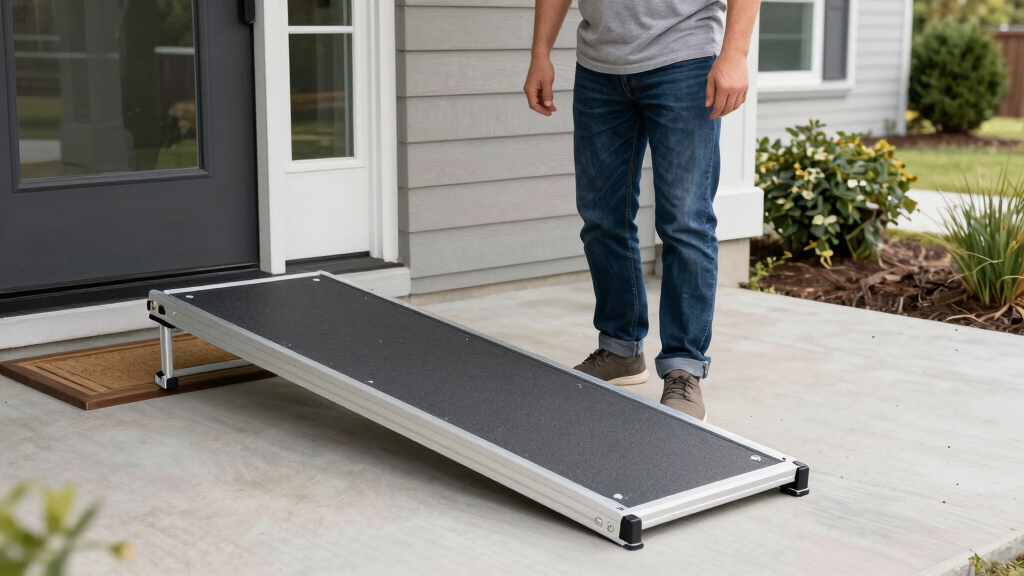
The first step is understanding the different types of ramps and what suits your situation best. Portable ramps are lightweight and foldable, ideal if you need flexibility or temporary use, like for travel or visitors. Threshold ramps are small, perfect for door thresholds that are just a few inches high. Permanent ramps are built into your entrance, offering a long-term solution for daily use. Custom ramps fit unique spaces or unusual slopes, tailored to your home’s architecture.
Imagine a family with an elderly parent; a portable ramp might help for outings, but a permanent, sturdy aluminum ramp provides safety for everyday use. Think about your long-term needs and living situation before choosing.
As an affiliate, we earn on qualifying purchases.
Picking the Right Material to Last and Look Good
Material choice impacts durability, maintenance, and appearance. Aluminum ramps are lightweight, corrosion-resistant, and perfect for outdoor use, especially in wet climates. Wood offers a warm look and easy customization but needs regular sealing and maintenance to prevent rot. Steel is incredibly strong but heavier and prone to rust unless treated. Composite materials combine weather resistance with low upkeep, making them a smart choice for many homes.
Picture a homeowner in a rainy region choosing a sleek aluminum ramp that resists rust and looks modern over a wooden one that might warp over time. Your climate, budget, and aesthetic preferences should guide your material choice.
As an affiliate, we earn on qualifying purchases.
How Long and Steep Should Your Ramp Be?
| Factor | Recommendation |
|---|---|
| Slope ratio | 1:12 — for every inch of height, 12 inches of length |
| Ideal length for a 30-inch elevation | at least 360 inches (30 feet) |
| Comfort and safety | Keep the incline gentle — avoid steeper slopes that are hard to climb or dangerous |
For example, if your porch rises 24 inches, a ramp should be at least 288 inches long — that’s 24 feet of gentle incline. Ramps steeper than 1:12 can cause fatigue or accidents, especially in wet or icy conditions.
As an affiliate, we earn on qualifying purchases.
Key Safety Features That Keep You Secure
- Handrails on both sides give support and balance.
- Edge curb or barrier prevents wheels from slipping off.
- Non-slip surface is essential, especially in rain or snow.
- Anchoring the ramp securely prevents wobbling or sliding.
Think about a rainy day: a non-slip surface with sturdy handrails makes the difference between confident independence and a slip-risk. Safety features are your best friends on uneven or slick surfaces.
As an affiliate, we earn on qualifying purchases.
Latest Trends Making Ramps Safer and More Flexible
Today’s ramps are smarter and more adaptable than ever. Modular systems let you assemble or resize the ramp without professional help, perfect for changing needs or temporary setups. Eco-friendly materials from recycled plastics are gaining popularity, reducing environmental impact. Some new models include weather-resistant coatings and integrated safety features like built-in handrails or sensors that alert if stability is compromised.
Imagine a family that needs a ramp for a short-term rental—modular, easy-to-install ramps save money and hassle. Technological enhancements mean safer, more durable options for everyone.
How to Pick a Ramp That Fits Your Home and Budget
Choosing the right ramp isn’t just about safety — it’s about fitting your space and budget. Measure your entryway carefully. Think about whether you want a temporary or permanent solution. Set a budget range; portable ramps can start around $150, while custom-built, permanent ramps can go over $2,000.
Here’s a quick checklist:
- Measure the height of your doorstep.
- Decide on the type of ramp based on your needs and space.
- Choose your preferred material considering climate and maintenance.
- Determine your budget range.
- Compare safety features and warranty options.
For example, a family on a tight budget might opt for a durable aluminum portable ramp, while a homeowner wanting a seamless look might invest in a custom concrete ramp with handrails.
Frequently Asked Questions
How do I know what slope is safe for my ramp?
The ADA recommends a slope ratio of 1:12, meaning 1 inch of rise for every 12 inches of length. This offers a gentle incline that balances safety and usability. For steeper elevations, consult a professional to prevent hazards.
What material should I pick for durability in bad weather?
Aluminum and composite materials are excellent choices for outdoor ramps because they resist rust, weather, and require minimal maintenance. Wooden ramps, while attractive, need regular sealing and are less weather-resistant.
Can I install a ramp myself or should I hire a professional?
For simple portable or threshold ramps, DIY installation is usually straightforward. However, for permanent or custom ramps that must meet building codes, hiring a professional ensures safety, proper anchoring, and compliance.
How much should I expect to spend on a home entrance ramp?
Prices vary widely. Portable ramps can start around $150, while custom-built, permanent structures often cost over $2,000, depending on materials, size, and complexity. Budget planning is key.
What safety features are essential to look for?
Look for handrails on both sides, non-slip surfaces, edge barriers, and secure anchoring. These features significantly reduce the risk of slips or falls, especially in adverse weather conditions.
Conclusion
A well-chosen ramp transforms your home into a truly accessible space. It’s about more than compliance — it’s about dignity, independence, and peace of mind. Take the time to measure, compare, and select thoughtfully. Your front door should welcome, support, and stand strong for years to come.Columbus Day / Indigenous Peoples' Day Picks
long weekend sales
As an affiliate, we earn on qualifying purchases.