
TL;DR

Get everyday helpers delivered free with Prime
- Fast, free delivery on millions of items
- Prime Video, Amazon Music and more included
- Member-only deals all year
Choosing an automatic door opener depends on your door type, weight, safety needs, and tech preferences. Modern options now offer smart integration, backup power, and sleek designs, making them essential for accessible and secure homes.
Assess your door type, size, and weight before choosing an opener to ensure compatibility and safety.
Prioritize models with reliable battery backups, especially if power outages are common in your area.
Opt for smart controls and sensors to enhance convenience and safety, making everyday tasks easier.
Choose quiet, stylish openers to maintain a peaceful and cohesive home aesthetic.
Invest in professional installation and regular maintenance to maximize safety and longevity.
How to Match Your Door Type to the Right Automatic Opener
Automatic openers are designed for specific door types, and choosing the wrong one can lead to performance issues or safety hazards. For example, swing doors require different mechanisms than sliding doors because of their movement dynamics. Using an arm or jackshaft opener on a swinging door ensures smooth operation and reduces strain on the door and opener components. Conversely, sliding doors need track-based systems that support their horizontal movement, preventing misalignment or jamming.
Beyond mere compatibility, selecting the right opener affects safety and longevity. An improperly matched system may strain the door, increase wear and tear, or fail prematurely. For heavy doors—those over 150 pounds—it’s critical to choose a high-capacity opener to prevent motor burnout or mechanical failure. Measuring your door’s dimensions and understanding its weight distribution are essential steps. Failing to do so can result in systems that operate sluggishly, risk damaging your door, or pose safety hazards like unexpected closures or failures.
In essence, matching your door type isn’t just about functionality; it’s about ensuring safe, reliable operation over time. Properly chosen systems minimize maintenance costs and improve user safety, especially for those with mobility challenges who rely heavily on dependable automation.
automatic door opener for swing doors
As an affiliate, we earn on qualifying purchases.
As an affiliate, we earn on qualifying purchases.
Choosing Power Sources and Backup Options That Keep You Moving
Most automatic door openers operate on standard household power, but reliance solely on mains electricity can be problematic during outages. Power failures can leave your door stuck closed or inoperable, which is especially concerning for accessibility needs or emergency egress. Battery backups serve as a critical safety feature, ensuring your door remains functional during blackouts, storms, or power surges. This feature provides peace of mind, knowing that your access isn’t compromised when you need it most.
Considering backup options involves evaluating the capacity and reliability of the battery system. Longer-lasting batteries—up to 48 hours or more—are now common, but they come with trade-offs such as increased cost or larger physical size. Deciding between wired and battery-powered systems depends on your home’s wiring infrastructure, the criticality of continuous operation, and your willingness to invest in backup technology. For example, a home in an area prone to frequent outages benefits more from a robust backup system, whereas a less vulnerable location might suffice with a basic configuration.
Ultimately, integrating a dependable backup power source enhances safety and convenience, especially for households with mobility aids, children, or seniors who depend heavily on automated access. It’s a small investment that significantly reduces the risk of being locked out or unable to exit during emergencies.
battery backup automatic door opener
As an affiliate, we earn on qualifying purchases.
As an affiliate, we earn on qualifying purchases.
Control Your Door Effortlessly with Smart Tech and Sensors
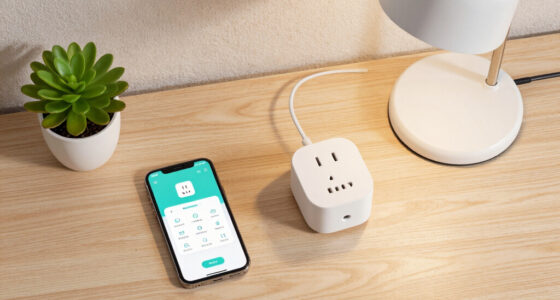
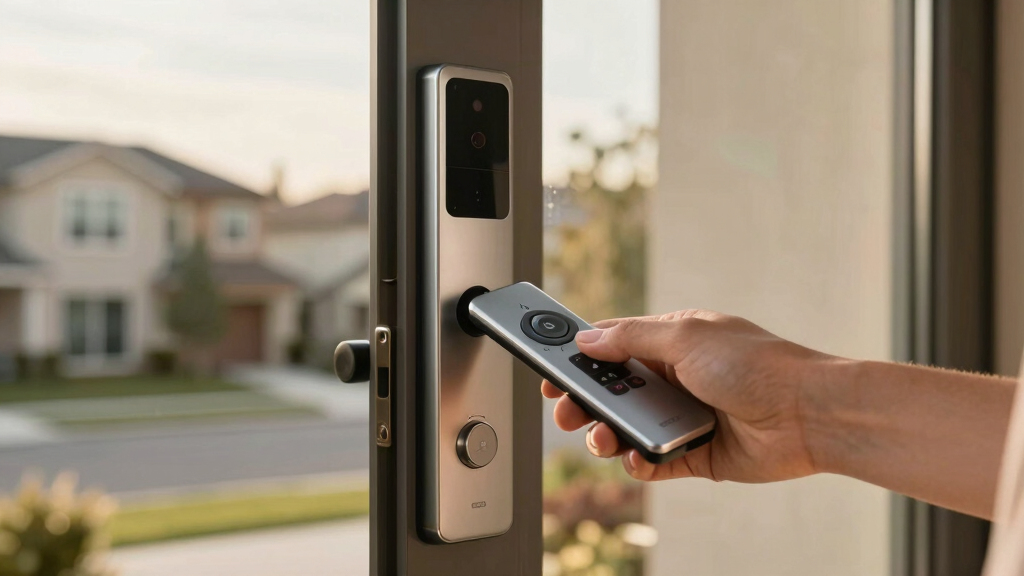
Modern automatic openers offer a spectrum of control options that significantly enhance convenience, safety, and integration with your daily routines. Wireless remotes allow simple, handheld operation, but the real game-changer is smart technology integration. Smartphone apps enable remote control and monitoring, giving you the ability to open or close your door from anywhere, check its status, or receive alerts if something’s amiss. Compatibility with home automation platforms like Alexa or Google Home further streamlines control, allowing voice commands to operate your door seamlessly.
Beyond convenience, sensors and automation features provide critical safety benefits. Presence sensors or motion detectors can automatically open the door as you approach, reducing physical effort and minimizing contact — especially useful when your hands are full. Photoelectric sensors act as safety guards, stopping or reversing the door if an obstacle is detected in its path, preventing injuries or damage. Manual releases are vital during power outages or system malfunctions, ensuring you maintain control in emergencies.
Choosing control options aligned with your tech comfort level — whether basic remotes or advanced smart integrations — makes daily interactions more intuitive and secure. These features also help prevent accidents, protect your home, and add an element of modern convenience that adapts to your lifestyle.
As an affiliate, we earn on qualifying purchases.
Safety First: Features That Protect You and Your Loved Ones
Safety features are essential in automatic door openers because they directly impact the well-being of users, especially children, pets, and vulnerable individuals. Auto-reverse sensors are designed to detect obstacles in the door’s path; when triggered, they stop and reverse the door’s movement, preventing injuries or damage. Photoelectric sensors serve as an additional safety layer, ensuring that even small objects or people are detected before the door closes completely. These safety measures are not just regulatory requirements but vital components that reduce risk and liability.
Understanding the implications of these features helps you appreciate their importance. For instance, if a sensor malfunctions or is misaligned, it could lead to the door closing on a person or pet, causing injury or trauma. Regular testing and maintenance ensure these safety systems function correctly, safeguarding your household. Manual release levers are also crucial, providing a way to operate the door manually during power failures or emergencies, ensuring access and egress at all times.
Prioritizing safety features isn’t just about compliance; it’s about creating a secure environment where accidents are minimized. This proactive approach protects everyone’s safety and reduces potential liability issues for homeowners.
As an affiliate, we earn on qualifying purchases.
Quiet, Sleek, and Stylish — Why Design Matters
The aesthetic aspect of automatic door openers influences how seamlessly they integrate into your home environment. Quiet operation isn’t just a luxury; it’s a necessity in spaces like bedrooms, nurseries, or home offices where noise can be disruptive. Modern openers incorporate sound-insulating materials and quieter motors, which significantly reduce operational noise, making daily use unobtrusive.
Design also impacts the overall look and feel of your home. Sleek, minimalist models with streamlined profiles and hidden components blend effortlessly with contemporary decor, avoiding the bulky, industrial appearance of older systems. This aesthetic consideration helps maintain your interior’s visual harmony, especially in open-concept layouts.
Choosing an opener that balances function with form ensures your home remains stylish and peaceful. A well-designed system not only performs reliably but also enhances your space’s overall ambiance, making your automation an unobtrusive yet functional feature.
Installation and Maintenance Made Simple
Professional installation is highly recommended because it guarantees that your automatic door opener adheres to safety standards, operates correctly, and complies with local building codes. Skilled technicians can assess your specific doorway, wiring, and space constraints, ensuring optimal placement and performance. Proper installation reduces the risk of malfunctions, safety hazards, or premature wear, ultimately saving you money and stress.
Regular maintenance extends the lifespan of your system and preserves safety. Lubricating moving parts, checking sensors, and cleaning tracks are simple yet crucial steps. For example, dirty sensors may fail to detect obstacles, leading to safety risks, while unlubricated hinges can cause noisy, sluggish operation. Many modern openers feature user-friendly access points and clear maintenance guides, making routine upkeep manageable.
Investing in professional setup and scheduled maintenance is a wise decision that ensures your system remains reliable, safe, and efficient over its lifespan. It also gives you peace of mind, knowing your automation functions as intended when you need it most.
What’s New? Recent Tech Innovations in Automatic Door Openers
Recent advances in automatic door technology focus on enhancing safety, convenience, and aesthetic appeal. Integration with smart home ecosystems allows voice commands and remote monitoring, making control more flexible and accessible. AI-driven obstacle detection systems analyze movement patterns and environmental cues to optimize operation, reducing false triggers and enhancing safety. Battery technology has also improved, offering longer backup times and quicker recharge cycles, ensuring your system remains operational during outages.
Sleeker, more integrated designs now blend seamlessly into modern homes, reducing visual clutter. Wireless installation kits and DIY-friendly features empower homeowners to install or upgrade their systems with minimal fuss, while still ensuring safety and reliability. These innovations collectively make automatic door openers smarter, safer, and more aesthetically pleasing, aligning with contemporary lifestyle needs.
Frequently Asked Questions
What type of automatic door opener is best for my home?
It depends on your door type, size, and weight. Swing doors need arm or jackshaft openers, while sliding doors require track systems. Measure your door carefully and choose a model rated for your door’s specifications.Are automatic door openers safe for children and pets?
Yes, if equipped with safety features like auto-reverse sensors and photoelectric detectors. These systems stop or reverse if something is detected in the doorway, preventing accidents.How much do automatic door openers typically cost?
Prices vary widely based on features and complexity, ranging from around $300 for basic models to over $1,500 for advanced, smart systems. Factor in installation costs for an accurate budget.Can I install an automatic door opener myself?
While some DIY kits exist, professional installation is recommended for safety, code compliance, and correct operation. A licensed technician ensures the system works flawlessly.What maintenance do automatic door openers require?
Routine checks include lubricating moving parts, testing safety sensors, and cleaning tracks. Regular maintenance prevents malfunctions and extends the lifespan of your system.Conclusion
A well-chosen automatic door opener transforms your home into a more accessible, secure space. Think beyond basic functions—consider safety features, control options, and design to find your perfect match. As you upgrade, remember: the right system isn’t just about opening doors — it’s about opening new possibilities for independence and peace of mind.Halloween Picks
halloween
As an affiliate, we earn on qualifying purchases.