
TL;DR

Get everyday helpers delivered free with Prime
- Fast, free delivery on millions of items
- Prime Video, Amazon Music and more included
- Member-only deals all year
Choosing an accessible home entry involves balancing safety, compliance, usability, and style. Recent innovations like smart ramps and eco-friendly materials make solutions more tailored and affordable, ensuring independence and safety.
Picture this: you or a loved one want to come and go freely without risking a stumble or feeling embarrassed by awkward, clunky solutions. That’s the goal behind choosing the right accessible home entry. It’s about blending safety and independence seamlessly into your daily routine.
In this guide, you’ll learn how to spot the best options for your home, what recent tech and design innovations can help, and how to avoid common pitfalls. Because an accessible entry isn’t just a feature—it’s your gateway to more freedom and dignity.
Always measure the space and user needs before choosing your solution.
Compare options using clear criteria like cost, durability, and ease of use.
Recent innovations like smart, eco-friendly ramps boost independence and sustainability.
Safety standards matter—ensure your solution meets local building codes and ADA guidelines.
Some features are DIY-friendly; others benefit from professional installation to ensure safety.
How to Pick the Perfect Entry Solution That Fits Your Home and Budget
The first step in choosing an accessible home entry is understanding your specific needs and your home’s layout. Do you need a temporary solution or a permanent one? Are stairs the only obstacle, or are there multiple challenges?
For example, a family with an aging parent might start with a portable ramp to test ease of use before investing in a custom-built, permanent solution. Remember, the goal is safety, ease, and style—without breaking the bank.
Here’s a quick checklist:
- Assess the entryway’s height and space available
- Consider the user’s mobility and strength
- Balance budget with long-term durability
Popular right now

Samsung 42-Inch S90H OLED 4K Smart TV Bundle

LG C2 Series 65-Inch OLED evo 4K Smart TV (OLED65C2PUA, 2022)

De'Longhi Linea Classic Espresso Machine with Adjustable Milk Frother
As an affiliate, we earn on qualifying purchases.
Compare Common Accessibility Options to Find What Works Best
Choosing an accessible entry starts with understanding your options. Here’s a comparison table to help visualize what fits different needs:
| Solution Type | Ideal For | Cost Range | Pros | Cons |
|---|---|---|---|---|
| Portable Ramps | Temporary or multi-use | $100–$500 | Affordable, easy to install | Less sturdy, needs storage |
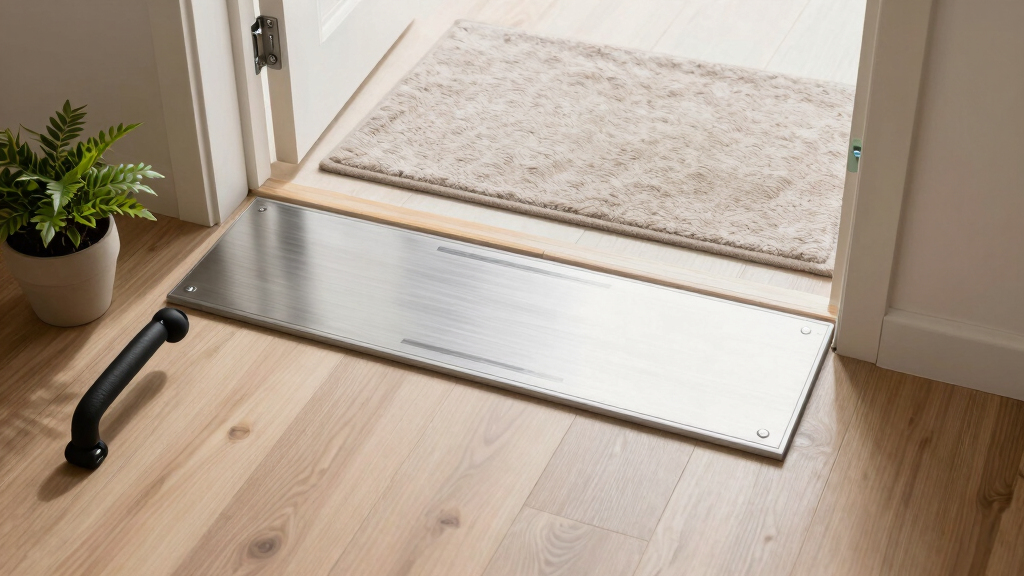
| Threshold Ramps | Minor elevation changes | $50–$200 | Simple, quick fix | Limited height clearance |
| Permanent Ramps | Long-term, consistent access | $1,000–$10,000 | Sturdy, customized | Installation required |
| Home Elevators & Lifts | Multi-story homes | $10,000–$50,000 | Full independence | High cost, space needs |
Smart and Eco-Friendly Innovations Making Accessibility Easier
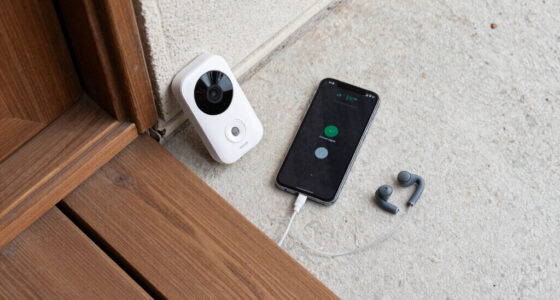
Recent developments in accessible entry solutions are more than just functional—they’re smart and sustainable. Imagine a sensor-activated door that opens when you approach, eliminating the need for physical contact and reducing strain—this not only enhances convenience but also promotes hygiene and reduces touchpoints, which is especially important in health-conscious environments.
A lightweight, portable ramp made from recycled materials isn’t just easy to carry; it also signifies a shift towards environmentally responsible design. These eco-friendly materials often provide durability while reducing the environmental footprint, making them a practical choice for eco-conscious homeowners.
For instance, modular ramps made from recycled plastics can be adjusted for different entry points, providing flexibility without sacrificing sustainability. Similarly, compact home elevators that operate quietly and are designed with energy-efficient motors exemplify how technology can enhance independence while respecting the environment. These innovations often come with smart features, such as remote control or app integration, making operation more intuitive and accessible.
Key trends include:
- Smart technology integration for remote or app control
- Lightweight, durable, sustainable materials
- Customizable design options for aesthetics
Making Sure Your Entry Meets Safety and Building Standards
Safety and compliance are non-negotiable when choosing an accessible home entry. A ramp must have a slope of 1:12, meaning every inch of rise needs 12 inches of length, to meet ADA standards in the U.S. This ratio is critical because it balances safety, ease of use, and structural integrity. A steeper slope can be dangerous, increasing the risk of slips, falls, or difficulty in maneuvering, especially for users with limited strength or stability issues.
Why does this matter? Because a poorly designed ramp can lead to accidents, injuries, or even legal liabilities if it doesn’t meet safety standards. The slope isn’t just a guideline; it’s a safeguard that ensures users can navigate independently without risking falls or discomfort. Additionally, non-slip surfaces and sturdy handrails aren’t just comfort features—they are crucial safety components that help prevent slips and provide support during adverse weather conditions or for users with limited grip strength.
Always verify local building codes or consult a professional to ensure your modifications meet safety standards. This step not only protects your loved ones but also reduces potential liability and future expenses from non-compliance or accidents. Properly designed and compliant ramps promote confidence and independence, making your home safer for everyone.
Can You Install Accessibility Features Yourself or Need a Pro?
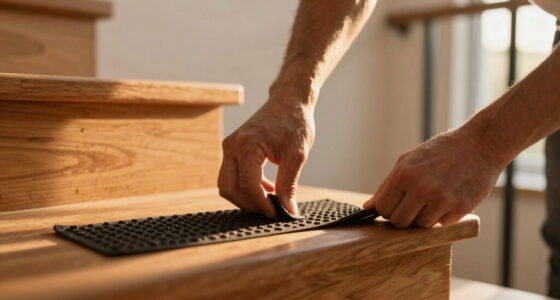
Many accessibility solutions, like threshold ramps and portable lifts, are designed for straightforward installation—perfect for DIY enthusiasts. These solutions often come with instructions and require only basic tools, making them accessible for many homeowners. However, more complex projects, such as permanent ramps, home elevators, or structural modifications, involve precise measurements, adherence to safety standards, and sometimes permits. Incorrect installation can compromise safety, violate building codes, or reduce the lifespan of the features.
Why does this matter? Because improper installation can lead to dangerous situations, costly repairs, or legal issues. For example, a DIY-installed ramp that isn’t properly anchored or has an incorrect slope could collapse or cause falls, putting users at risk. On the other hand, professional installation ensures the features are built to code, tested for safety, and optimized for your specific home layout. This investment in professional help reduces the risk of accidents, saves you time, and often results in better long-term performance.
If you’re unsure about your skills or the scope of the project, consulting a licensed contractor or accessibility specialist is wise. They can ensure that the installation meets all safety standards, functions correctly, and lasts for years to come, ultimately saving you time, money, and potential safety concerns.
Frequently Asked Questions
What is the most affordable way to improve home accessibility?
Starting with portable or threshold ramps is often the most budget-friendly option. They’re quick to install, easy to remove, and cost a few hundred dollars or less. For long-term solutions, consider investing in a permanent ramp or lift when budget allows.
How do I determine the right type of entry solution for my needs?
Assess your space, mobility needs, and budget. Measure the height of steps or thresholds, consider the user’s strength, and think about whether you want a temporary or permanent fix. Consulting with an accessibility expert can help clarify the best fit.
Are there any government grants or financial assistance programs available?
Yes. Many local and federal programs offer grants or tax credits for home modifications. In the U.S., the Department of Housing and Urban Development (HUD) and the VA provide assistance, and some states have specific grants. Checking with local agencies can uncover options tailored to your situation.
How do I ensure my home entry solution complies with safety standards?
Verify that ramps follow the 1:12 slope rule, have non-slip surfaces, and include sturdy handrails. Consulting local building codes or an accessibility specialist ensures your modifications meet safety regulations and provide lasting security.
Can I install accessibility features myself, or do I need professional help?
Simple solutions like threshold ramps and portable lifts are often DIY-friendly. However, more complex projects—like custom ramps or home elevators—usually benefit from professional installation to ensure safety and compliance.
Conclusion
Choosing an accessible home entry isn’t just about compliance—it’s about restoring independence and dignity. With so many options and innovations, you can find a solution that fits your home, your budget, and your lifestyle.
Imagine stepping out confidently onto a sleek, eco-friendly ramp that blends seamlessly with your home’s aesthetic. Every step you take becomes a little easier—your home truly working for you.