
TL;DR

Get everyday helpers delivered free with Prime
- Fast, free delivery on millions of items
- Prime Video, Amazon Music and more included
- Member-only deals all year
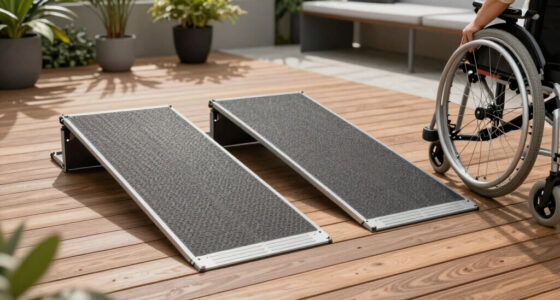
Threshold ramps bridge the gap at sliding doors, making entry safer for wheelchairs and strollers. Proper size, slope, and material matter. The right ramp improves safety and independence.
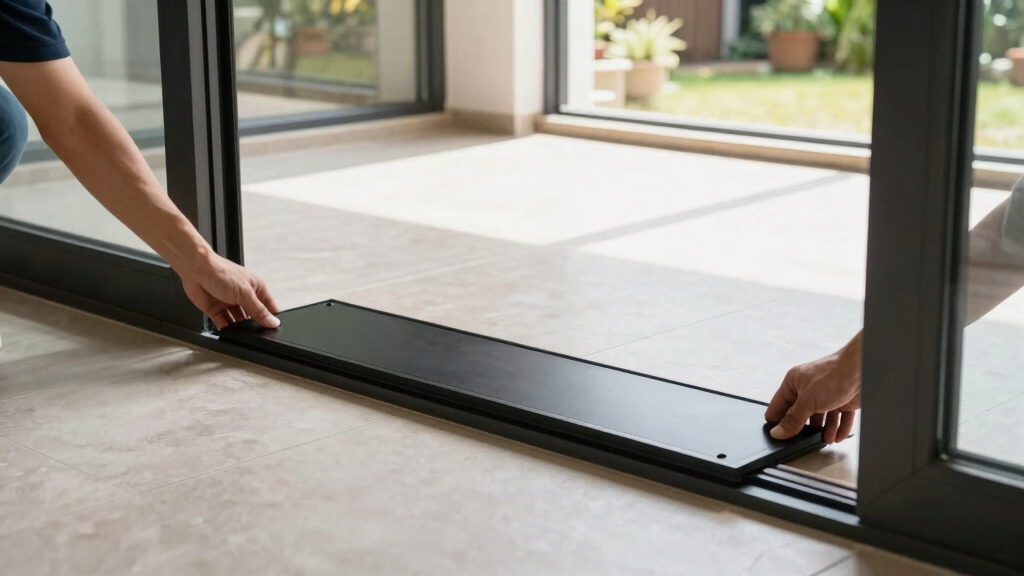
Ever try stepping from your porch onto a threshold and stumble because of that tiny lip? Now imagine that lip is a barrier for a wheelchair or a stroller. Threshold ramps are the practical fix for that, turning uneven, hazardous edges into smooth, safe passages.
They’re more than just convenience—they’re a lifeline for independence, safety, and compliance. In this guide, you’ll learn how to pick the right ramp, the best materials, and what recent innovations make life easier for anyone needing better access to sliding doorways.
Always measure your threshold carefully and stick to the 1:12 slope guideline for safety.
Choose materials suited to your environment—aluminum for outdoors, rubber or vinyl for indoor use.
Consider whether you need a portable or fixed ramp based on your lifestyle and space.
Recent innovations like modular and smart ramps can offer more flexibility and safety.
Professional installation ensures your ramp is both safe and compliant with accessibility standards.
Why a Threshold Ramp Could Be Your Best Home Upgrade
Threshold ramps are simple yet powerful tools that make sliding door entries safer and more accessible. Imagine a family with a wheelchair user trying to step outside—an uneven lip can turn a smooth outing into a risky balancing act. A well-chosen ramp eliminates that worry.
They also help move furniture, large boxes, or even a pet’s crate through sliding doors without hassle or injury. Plus, they make your space compliant with accessibility laws, avoiding potential legal or safety issues.
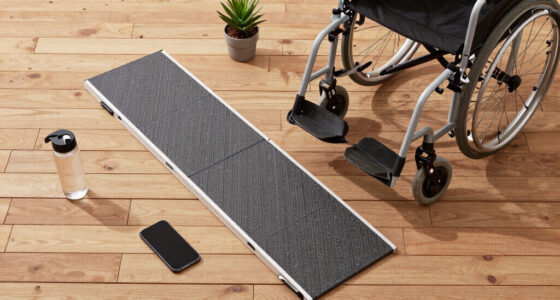
For example, a homeowner with a portable aluminum ramp found it easy to switch between indoors and outdoors, even in wet weather, thanks to non-slip surfaces and lightweight design.
As an affiliate, we earn on qualifying purchases.
Pick the Perfect Threshold Ramp: 5 Must-Know Tips
- Measure accurately: Check the height of your threshold and the doorway width. Precise measurements ensure the ramp will fit perfectly and function safely. An ill-fitting ramp can create tripping hazards or fail to provide adequate slope, compromising safety and accessibility.
- Choose the right material: Material choice affects durability, traction, and weather resistance. Aluminum, for example, offers a good balance of lightweight strength and weatherproofing, but may become slippery if not textured. Rubber or vinyl provide superior grip indoors but might wear faster outdoors. Understanding these tradeoffs helps you select a ramp that balances safety, longevity, and cost.
- Consider portability: Will you need to move the ramp frequently? Portable, foldable ramps offer flexibility for temporary needs or multi-use scenarios, but might be less stable than fixed options. Conversely, fixed ramps integrate seamlessly into your home, offering stability but less versatility. Choosing depends on your lifestyle and safety priorities.
- Check safety features: Non-slip textures, raised edges, and reflective strips are critical. Non-slip surfaces prevent accidents, especially in wet conditions. Raised edges help contain wheels, preventing roll-offs, and reflective strips increase visibility in low light, reducing the risk of accidents during night or foggy conditions. These features directly impact user safety and confidence.
- Think about permanence: Decide if the ramp is a temporary solution or a permanent fixture. Fixed ramps, embedded into the ground or attached securely, provide stability and compliance but require installation effort. Portable ramps are easier to set up and remove but may not offer the same stability or safety features. Your choice influences long-term safety and convenience.
As an affiliate, we earn on qualifying purchases.
How Do Different Materials Stack Up?
| Material | Pros | Cons |
|---|---|---|
| Aluminum | Lightweight, durable, rust-resistant, weatherproof | Can be slippery if not textured |
| Rubber/Vinyl | Non-slip surface, good for indoor use, easy to clean | Less durable outdoors, can wear over time |
| Concrete/Wood | Permanent installation, strong, stable | Heavy, more expensive, less portable |
non-slip threshold ramp for outdoors
As an affiliate, we earn on qualifying purchases.
As an affiliate, we earn on qualifying purchases.
Recent Innovations Making Ramps Smarter and Safer
Today’s threshold ramps incorporate advanced materials and innovative designs that significantly enhance safety and usability. Modular ramps, which can be adjusted in length, offer a tailored fit for various door heights without needing multiple ramps, reducing clutter and cost. These designs often include interlocking sections for stability and ease of assembly, making them suitable for DIY projects or professional installation.
New surface coatings with non-slip properties are now more effective, even when wet, minimizing slips and falls. Reflective strips and tactile indicators have become standard, improving visibility for users with visual impairments and increasing safety during low-light conditions or adverse weather.
Emerging smart technologies, such as ramps with sensors that detect weight or stability, are still in early stages but hold promise for future safety enhancements. These innovations aim to make ramps more adaptable, intuitive, and reliable, accommodating a wider range of users and environments.
As an affiliate, we earn on qualifying purchases.
Quick Facts You Should Know Before Buying
- The ADA recommends a 1:12 slope for ramps, making them safe and compliant. This ratio ensures that the incline isn’t too steep, reducing the risk of falls and making wheelchair navigation easier.
- Most ramps handle heights up to 1.5 inches without special modifications. For higher thresholds, custom solutions or additional ramp sections are necessary to maintain safety and compliance, highlighting the importance of precise measurement and planning.
- Proper installation is key—professional help can ensure your ramp is securely anchored, level, and meets all safety standards. Improper installation can lead to instability, accidents, or legal non-compliance.
- Prices generally range from about $50 for small portable ramps to $300+ for custom permanent ones. Investing in quality and features like non-slip surfaces and reflective strips can enhance safety and longevity, making the higher initial cost worthwhile in the long run.
Your Top Questions About Threshold Ramps Answered
What’s the best ramp for outdoor sliding doors? Aluminum portable ramps are ideal because they combine weather resistance with lightweight portability, making outdoor use easier and safer. Their durability ensures they withstand elements over time, reducing maintenance needs and ensuring consistent safety.
How do I measure my threshold? Use a tape measure to find the height of the lip and the width of the doorway. Accurate measurements are crucial because they determine the appropriate ramp length and slope. Remember, keeping the slope at or below 1:12 is essential for safety, so precise measurement prevents choosing a ramp that’s too steep or too shallow.
Are ramps suitable for heavy-duty or outdoor use? Yes, especially those made of durable materials like aluminum or concrete. These materials resist weathering and can support heavier loads, making them suitable for outdoor environments and high-traffic areas. Choosing the right material ensures longevity and safety for all users.
Can I install a ramp permanently? Absolutely, fixed ramps are designed for permanent installation, often embedded into the ground or attached securely to the structure. This stability is essential for consistent safety, especially in high-use scenarios or for individuals with mobility challenges.
How much should I expect to spend? Ranges from around $50 for basic portable ramps to several hundred dollars for custom solutions. While initial costs vary, investing in quality features like non-slip surfaces, proper sizing, and professional installation can prevent costly accidents and repairs later.
Conclusion
Every step counts when it comes to making your home accessible. A properly chosen threshold ramp turns a potential hazard into a smooth, safe passage—empowering independence for everyone.
Think about your needs, measure carefully, and don’t hesitate to explore new designs that make life easier. After all, accessibility is about turning barriers into bridges.
Fall Picks
fall essentials
As an affiliate, we earn on qualifying purchases.