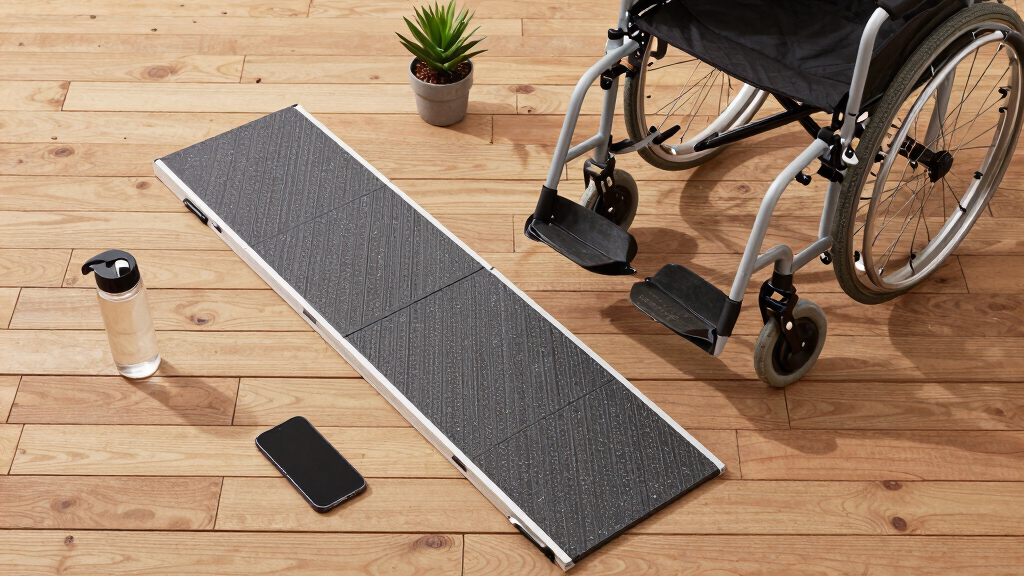

TL;DR

Get everyday helpers delivered free with Prime
- Fast, free delivery on millions of items
- Prime Video, Amazon Music and more included
- Member-only deals all year
To pick a portable wheelchair ramp, measure your rise first, then choose a ramp with the proper length and slope. Consider the type, weight capacity, and safety features to match your needs. Proper selection improves safety and independence.
Imagine trying to roll your wheelchair up a ramp that’s way too steep or too short. Frustrating, unsafe, and downright dangerous. Picking the right portable ramp isn’t just about convenience — it’s about safety and independence. You need the perfect fit for your home, your vehicle, and your mobility device. This guide walks you through every step — from measuring your rise to choosing the right style and safety features — so you can confidently pick a ramp that works for you.
Whether you’re helping an aging parent, planning a trip, or upgrading your home setup, understanding what to look for makes all the difference. A well-chosen ramp opens doors and keeps you steady on your feet — or wheels. Let’s break down what matters, so you can make smart, safe choices every time.
Always measure your rise in inches before choosing a ramp, then multiply by 12 to find the minimum length needed at a 1:12 slope.
Select the ramp type based on your use — folding for travel, telescoping for adjustability, threshold for small steps.
Verify weight capacity and width to ensure your safety and stability, especially with power chairs or scooters.
Prioritize safety features like non-slip surfaces, side rails, and secure attachment points to prevent accidents.
Check local rules or permits for longer or semi-permanent ramps, and consider professional help for installation if needed.
How to Choose a Portable Wheelchair Ramp
A ramp that’s too short or too steep isn’t a convenience — it’s a hazard. The right choice starts with one number: your rise. Measure it accurately, match the slope, the type, the weight capacity, and the safety features — and a well-chosen ramp opens doors while keeping you steady on your wheels.
The Golden Rule: Rise × 12 = Minimum Length
Measure from the ground to the top of the landing or threshold — with a tape measure, not a guess. That rise in inches, multiplied by 12, gives you the minimum ramp length for the ADA-recommended 1:12 slope. The most common buying mistake is underestimating the rise, which produces ramps that are dangerously steep.
Example: a 15-inch porch step needs at least a 15-foot ramp at 1:12. Divide by 2 instead and you get the commonly cited assisted-use ratio — acceptable only for unoccupied chairs or short distances. For a 24-inch rise (a few porch steps), a compliant ramp runs roughly 24 feet — beyond what a single portable ramp can cover, which is when modular systems enter the picture.
Five Ramp Types, Five Different Jobs
Your choice depends on where and how you’ll use it. A threshold ramp is perfect for a single step but useless for a porch; a folding ramp trades some rigidity for true portability. Approximate costs below — verify current prices before buying.
| Ramp Type | Best For | Typical Rise / Length | Approx. Cost | Portability | Long Spans |
|---|---|---|---|---|---|
| ThresholdRubber / Aluminum | Doorways, sliding-door tracks, single steps | 1–6″ rise | $30–$150 | ✓ Compact, instant setup | ✗ Not for long spans |
| Folding / SuitcaseSingle- or Multi-Fold | Travel, everyday portable use | 2–8 ft lengths | $100–$400 | ✓ Carries like a suitcase | ~ Limited max length |
| TelescopingChannel Tracks | Adjustable length, versatile setups | 3–10+ ft extended | $200–$500 | ✓ Light per piece | ~ Wheelbase must match tracks |
| Roll-UpHinged Aluminum Slats | Longer distances, vehicle access | Longer spans | $$$ higher | ~ Compact storage, heavy to deploy | ✓ Good for long spans |
| ModularSemi-Permanent Systems | Permanent or semi-permanent installs | Reconfigurable runs | $$$$ premium | ✗ Reconfigurable, not carried | ✓ Durable, adaptable |
Weight Capacity Is Your Safety Net
Add your weight + your chair’s weight + any caregiver assistance — then choose a ramp rated well above that total. The margin absorbs dynamic forces like sudden shifts and uneven terrain. A ramp that can’t support the combined load may bend, crack, or collapse under stress.
Add Everything Up
Rider 180 lbs + power chair 200 lbs = 380 lbs total. Plan for a ramp rated at least 600 lbs — never right at your calculated load.
30–36″ Is Standard
Enough for most wheelchairs and scooters. Wider chairs need the usable width verified — a narrow ramp causes instability, especially when turning or on uneven ground.
Scooters & Channels
Three-wheel scooters can be unstable on telescoping channel ramps. Power chairs and scooters generally need gentler slopes and wider platforms than manual chairs.
Safety Features That Keep You Steady
Safety features are non-negotiable. Ramps shifting during use is a leading cause of accidents — every feature below addresses a specific, common failure mode.
Non-Slip Surface
Grit tape or extruded tread prevents slips — critical in wet weather. Check that traction covers the full running surface.
Side Rails / Curbs
Typically 2 inches high, these keep wheels from rolling off the edge — essential on turns and longer runs.
Transition Plates
A top lip and bottom plate smooth the entry and exit so casters don’t catch or slam at either end.
Secure Attachment
Pins or a lip that hooks over the threshold stop the ramp shifting mid-use. Also check door-swing clearance and landing space top and bottom.
From Tape Measure to First Roll
Follow the chain in order — each step constrains the next, and skipping one is how unsafe ramps get bought.
Five Takeaways Before You Buy
Portable ramps generally don’t require permits; permanent modular installations sometimes do. Medicare typically doesn’t classify ramps as durable medical equipment — check Medicaid waivers, VA benefits, state aging programs, and nonprofits for current funding options.
Measure rise in inches first, then multiply by 12 to find the minimum length needed at a 1:12 slope.
Select type by use case — folding for travel, telescoping for adjustability, threshold for small steps.
Verify weight capacity and width — especially with power chairs or scooters, which demand more of both.
Prioritize safety features — non-slip surfaces, side rails, and secure attachment points prevent accidents.
Check local rules for longer or semi-permanent ramps, and consider professional installation help if needed.
Match the ramp to your life — frequency of use, transport, and storage matter as much as specs. A 30-lb “portable” ramp is hard to deploy daily.
How to Measure Your Rise for a Safe Ramp
The first step in choosing a ramp is accurate measurement. Measure from the ground to the top of the landing or threshold where the ramp will sit. Don’t guess — use a tape measure and note the height in inches. For example, if your porch step is 15 inches high, that’s your rise.
Once you have the rise, you can determine the minimum ramp length needed. The ADA recommends a slope of 1:12 — meaning 1 foot of ramp for every inch of rise. So, a 15-inch rise needs at least a 15-foot ramp. For less steep slopes, some manufacturers suggest 2:12 or even 3:12 ratios, but these are suitable only for unoccupied chairs or short distances.
Remember: many people underestimate their rise, which leads to dangerous, overly steep ramps. Always double-check your measurements before buying or building.
Understanding why this matters: an improperly measured or chosen ramp can compromise safety significantly. A ramp that’s too short for the rise will be too steep, increasing the risk of slips, falls, or tipping over. Conversely, an overly long ramp may be cumbersome and difficult to transport or store. Accurate measurement ensures a safe, manageable slope that balances ease of use with safety. This precision directly impacts your independence and confidence in navigating different environments.
As an affiliate, we earn on qualifying purchases.
Choosing the Right Ramp Type for Your Needs
Not all ramps are the same. Your choice depends on where and how you’ll use it. Here’s a quick overview:
| Ramp Type | Best For | Pros | Cons |
|---|---|---|---|
| Threshold Ramps | Doorways, small steps | Compact, easy to set up | Limited height, not for long spans |
| Folding/Suitcase Ramps | Travel, portable use | Lightweight, folds in half | Limited length, weight varies |
| Telescoping Ramps | Adjustable length, versatile | Extends easily, lightweight | Requires matching wheelbase, more setup |
| Roll-up Ramps | Longer distances, vehicle access | Compact storage, versatile | Heavy to carry, assembly needed |
| Modular Ramps | Permanent or semi-permanent setups | Reconfigurable, durable | More costly, setup time |
Choosing the right ramp type is more than just picking a style — it’s about matching the features to your specific needs and environment. For example, a threshold ramp might be perfect for a single step but inadequate for longer or more complex elevations. Folding ramps are great for portability but may sacrifice some stability compared to modular systems designed for permanent installation. Understanding these tradeoffs helps you avoid buying a ramp that’s either overkill or insufficient, which could lead to safety hazards or inconvenience. Think about how often and where you’ll use the ramp; this consideration influences not only safety but also ease of transport and storage, ultimately supporting your independence and confidence in different settings.
Deep understanding of these options helps you weigh the tradeoffs: while threshold ramps are simple and portable, they can’t handle high rises or long distances. Folding ramps offer a good balance between portability and stability but may not be as sturdy as modular systems for frequent or heavy use. Modular ramps, though more expensive and requiring setup time, provide durability and adaptability for permanent or semi-permanent needs. Considering your environment, frequency of use, and physical capabilities allows you to select a ramp that not only fits your current needs but can also adapt as those needs evolve, ensuring ongoing safety and independence.
folding wheelchair ramp for travel
As an affiliate, we earn on qualifying purchases.
As an affiliate, we earn on qualifying purchases.
How to Pick a Ramp That Handles Your Weight and Width
Weight capacity isn’t just a number — it’s your safety net. Most quality aluminum ramps hold between 600 and 800 pounds. Add your weight, your chair’s weight, and any caregiver assistance to find the total load. For example, if your power chair weighs 200 pounds and you weigh 180, plan for a ramp rated at least 600 pounds to stay safe.
Why this matters: choosing a ramp with insufficient weight capacity can lead to dangerous failures. A ramp that can’t support your combined weight may bend, crack, or collapse under stress, risking injury. Therefore, always select a ramp with a higher weight capacity than your total expected load. This extra margin accounts for dynamic forces — like sudden shifts or uneven terrain — and provides peace of mind.
Width matters too. Standard ramps are 30 to 36 inches wide — enough for most wheelchairs and scooters. If you use a wider chair or scooter, double-check the usable width. A narrow ramp may seem convenient, but it can cause instability or tipping hazards, especially when turning or maneuvering over uneven surfaces. Ensuring the correct width is essential for safety, stability, and comfort.
Understanding these factors: selecting a ramp with appropriate weight capacity and width isn’t just about meeting minimum standards — it’s about providing a safe, reliable platform that supports your independence. The right specifications help prevent accidents and give you confidence when navigating different environments, whether at home or on the go.
Considering weight capacity and width thoroughly is crucial because these specifications directly influence your safety and ease of use. A ramp with too low a weight limit might fail unexpectedly, causing injury or damage. Similarly, an inadequate width can make maneuvering difficult, especially on turns or uneven terrain, risking tipping or falls. Balancing these factors involves understanding your specific device’s dimensions and your weight, as well as potential environmental challenges. Investing in a ramp with a higher weight capacity and wider platform than your current needs provides a safety margin, accommodating future needs or unexpected shifts in load, thus maintaining your independence and confidence across different settings.
adjustable telescoping wheelchair ramp
As an affiliate, we earn on qualifying purchases.
As an affiliate, we earn on qualifying purchases.
Safety Features That Keep You Safe on Your Ramp
Safety features are non-negotiable. Look for a non-slip surface — grit tape or textured extruded tread — to prevent slips, especially in wet weather. Side rails or curbs, usually 2 inches high, keep wheels from rolling off the edge. Transition plates at the top and bottom smooth out entry points, avoiding tripping hazards.
Secure attachment methods are vital. Ramps with hooks, pins, or lips that grip over thresholds stay put during use. Avoid ramps that shift or slide — that’s a safety risk. In rainy or snowy weather, consider ramps with weather-resistant surfaces or plan for extra traction mats.
Imagine a ramp with a gritty, textured surface, secure side rails, and a lip that hooks firmly over your threshold. That’s the kind of safety setup that prevents accidents and gives you peace of mind. Recognizing the importance of these features: safety features aren’t just add-ons — they are essential components that directly influence your stability and accident prevention. Non-slip surfaces mitigate the risk of falls, especially when weather conditions are poor. Side rails serve as physical barriers, guiding your wheels and preventing them from slipping off the edge, which could lead to falls or injuries. Secure attachment points ensure the ramp remains stable during use, reducing the chance of shifting that could cause loss of control. Incorporating these safety features into your choice isn’t just about compliance; it’s about protecting your well-being and ensuring confidence every time you use your ramp.
As an affiliate, we earn on qualifying purchases.
Do You Need a Permit or Help? Know the Rules
Most portable ramps don’t require permits — they’re considered temporary or removable. However, check local building codes or your landlord’s rules if you’re installing a longer, semi-permanent system. Some areas may require permits for certain modifications, especially if they involve structural changes.
Understanding the importance of local regulations: permits and codes exist to ensure safety, structural integrity, and compliance with community standards. Ignoring these rules can lead to fines, unsafe installations, or the need to undo modifications later. When in doubt, consulting with a home modification professional or local authorities can save you time and prevent costly mistakes. If you’re renting, always get approval from your landlord before making any modifications. For vehicle ramps, regulations can vary widely by state and vehicle type, so always verify local requirements. Being proactive about permits and professional advice helps you avoid legal issues and ensures your ramp is safe and compliant, giving you peace of mind and supporting your independence in a responsible way.
Match Your Ramp to Your Specific Situation
Each use scenario has its own demands. For example, a threshold ramp for a 4-inch doorway is different from a 15-foot portable ramp for a van. Measure your total rise, consider your device, and think about the terrain and weather. For home steps, a folding ramp might suffice; for vehicle access, telescoping or roll-up ramps provide flexibility.
Why matching your ramp to your situation matters: selecting the right ramp prevents accidents and ensures ease of use. A ramp that’s too short or too steep compromises safety, increasing the risk of slips or tipping. Conversely, an overly long ramp can be cumbersome and hard to transport or store, reducing your independence. For example, if you’re loading a scooter into your van, a 6-foot roll-up ramp offers a gentle slope for safe loading. For a porch with 8 inches of rise, a 12-foot folding ramp balances manageability with safety. Considering your environment, device, and mobility needs allows you to choose a ramp that fits seamlessly into your routine, fostering confidence and reducing the risk of mishaps. Proper matching of the ramp to your specific situation ensures consistent safety and comfort, empowering you to navigate different spaces with ease and independence.
Frequently Asked Questions
How long of a ramp do I need for my steps?
Measure the total rise in inches, then multiply by 12 for the minimum length needed at a 1:12 slope. For example, a 10-inch rise requires at least a 10-foot ramp for safe, ADA-compliant access.
What’s the difference between ADA slope and home recommendations?
The ADA recommends a 1:12 slope for wheelchair ramps — 1 foot of length per inch of rise — for safety and comfort. Some home guidelines accept steeper slopes like 2:12 or 3:12, but these are less gentle and can be unsafe for unassisted use.
Can one person set up a portable ramp alone?
It depends on the ramp’s weight and size. Many folding or telescoping ramps are designed for one person, but heavier models or longer spans may require assistance. Always check the product weight and your strength before attempting setup alone.
Will it work with my power wheelchair or scooter?
Ensure the ramp’s width exceeds your chair’s width, and verify it can support your weight, especially if you have a heavy power chair. Also, gentle slopes are safer — a steep ramp might cause stability issues for some scooters.
How do I keep the ramp from slipping or moving during use?
Look for ramps with non-slip surfaces, side rails, and secure hooks or lips that grip over thresholds. Adding weather-resistant mats or grip tape in wet weather further enhances safety. Always double-check stability before rolling on.
Conclusion
The right portable ramp gives you freedom and peace of mind. Measure carefully, choose the right type, and never compromise on safety. A well-selected ramp transforms barriers into open doors — literally and figuratively.
Remember, safety starts with proper planning. Every step you take toward understanding your needs makes your daily life more accessible and confident. Now, go measure, compare, and choose wisely — your independence depends on it.
Evergreen bestsellers Picks
bestsellers
As an affiliate, we earn on qualifying purchases.