TL;DR

Get everyday helpers delivered free with Prime
- Fast, free delivery on millions of items
- Prime Video, Amazon Music and more included
- Member-only deals all year
Selecting resistance bands for seated fitness requires matching resistance levels, materials, and size to your needs. High-quality, durable bands improve safety, comfort, and workout effectiveness, especially for adaptive fitness routines.
Start with light or medium resistance bands to match your current strength and avoid strain.
Choose high-quality, durable bands with reinforced seams for safety and longevity.
Opt for medium-length bands (~5 feet) to balance range of motion and control in seated exercises.
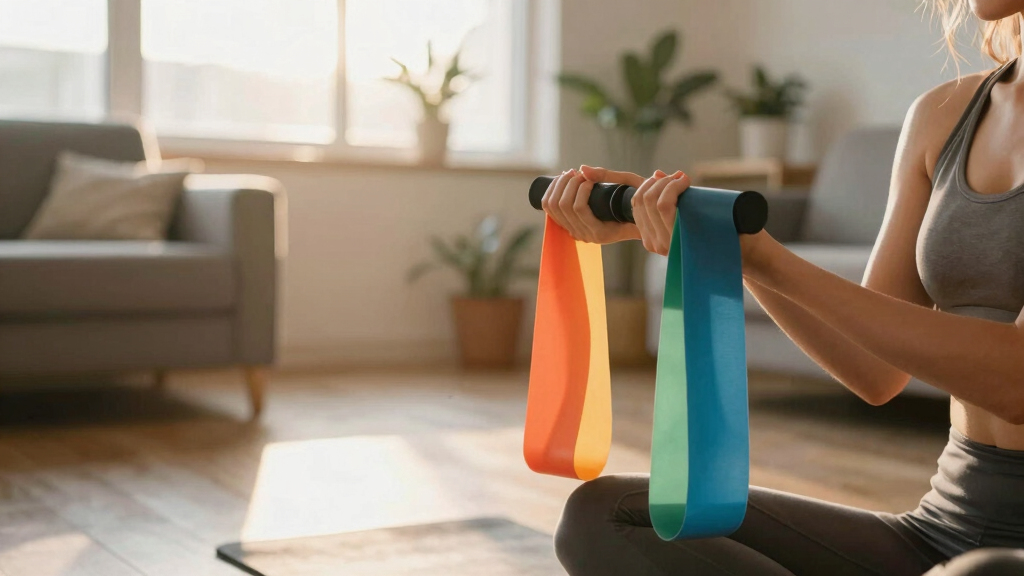
Consider bands with padded handles for a more comfortable grip and better control during workouts.
Invest in versatile, portable bands that fit your lifestyle—whether at home or on the go.
How to Choose Resistance Bands for Seated Fitness
Match resistance, material, length, and grip to your body—not the other way around. The right band turns a comfortable chair into a controlled, low-impact strength station.
Enough challenge to build strength while preserving smooth, stable form.
Balanced slack, control, and range of motion for most chair-based exercises.
Potential lifespan for bands made with reinforced seams and high-tensile materials.
The five decisions that matter
Prioritize control and comfort over maximum tension. A band is suitable when it challenges the working muscles without pulling you out of alignment or making you grip excessively.
Start conservatively
Choose light or medium resistance, then progress only when your repetitions remain controlled.
Inspect construction
Reinforced seams, consistent thickness, and high-tensile material reduce failure risk.
Aim near five feet
A medium-length band offers useful slack without becoming difficult to manage from a chair.
Protect your hands
Padded, ergonomic handles distribute pressure and support a secure, relaxed grip.
Fit your routine
Balance portability, durability, and storage so the band is easy to use consistently.
Find challenge without losing control
Band colors are not universal across brands. Use the stated resistance range—and your movement quality—rather than assuming yellow, red, or blue always means the same thing.
Latex or fabric?
Neither material wins every category. Latex favors elasticity and exercise variety; fabric favors comfort, stability, and frequent use.
| Decision factor | Latex / rubber | Fabric | Best choice when… |
|---|---|---|---|
| Elastic range | ✓ High | ~ Moderate | You need varied upper-body movements |
| Roll resistance | ~ Can roll | ✓ Stable | Comfort against legs is important |
| Skin comfort | ~ Varies | ✓ Soft | You exercise for longer sessions |
| Allergy concern | ✗ Check latex | ✓ Latex-free options | You have known latex sensitivity |
| Compact travel | ✓ Excellent | ~ Bulkier | Your band must fit a small bag |
| Daily durability | ~ Protect from heat | ✓ Often resilient | You train frequently at home |
Always follow the manufacturer’s care and allergy guidance; construction quality varies by product.
Build around your seated range
Measure the distance required by your usual movement, then allow approximately one to two extra feet for anchoring, grip adjustment, and smooth tension.
The 4–6 ft control zone
Medium-length bands typically provide the strongest balance between usable movement and manageable slack.
Rows and shoulder work
Choose enough length to maintain an upright torso without shrugging or reaching awkwardly.
Leg lifts and presses
A slightly longer band can accommodate a larger movement arc while keeping tension controlled.
Match the muscle group
Thinner bands suit smaller muscles; wider, thicker bands typically provide greater resistance.
Small details decide consistency
A technically capable band is only useful if it feels secure, stores easily, and supports the routines you will actually perform.
Padded handles
Cushioning distributes pressure, limits hand fatigue, and makes longer seated rows or presses more comfortable.
Look for: firm padding · sturdy joins · non-slip textureCompact enough to use
Lightweight latex packs smallest. Fabric takes more room but may tolerate frequent home use better.
Match to: drawer · tote · suitcase · daily setupMulti-level sets
Sets make gradual progression easier and let you use different resistance for arms, shoulders, legs, and mobility work.
Prefer: labeled levels · storage bag · replaceable parts- Check the seams: no loose threads, splits, bubbles, or thin spots.
- Test the handles: cushioned, secure, and comfortable without over-gripping.
- Confirm the material: choose a latex-free option if sensitivity is a concern.
- Read the rating: use stated resistance, not color alone, to compare brands.
- Check the anchor: attachments should be designed for the intended setup.
- Choose convenience: storage and portability should suit your actual routine.
One safe decision supports the next
Strength, mobility, goals, allergies, and typical exercises.
Resistance, material, length, width, and handle style.
Complete 8–15 slow repetitions with stable seated posture.
Check surfaces, seams, handles, and anchors before every use.
Increase tension gradually only after control is consistent.
Keep the band workout-ready
Product age alone does not determine safety. Usage frequency, storage conditions, material, and visible wear should guide replacement.
Inspect the full length, seams, handles, clips, and anchor points.
Wipe gently according to the manufacturer’s instructions and dry fully.
Keep away from direct sunlight, sharp edges, heaters, and extreme temperatures.
Review condition regularly; many users reassess around 6–12 months depending on use.
What Resistance Level Do You Need? How to Match Bands to Your Strength
Picking the right resistance level is like choosing the perfect weight—challenging yet doable. Resistance bands come in light, medium, heavy, and extra-heavy, often indicated by color. For seated exercises, starting with a light or medium band usually works best, especially if you’re new or recovering from injury. For example, a senior doing gentle arm raises might find a yellow or red band ideal, while someone building strength could progress to a blue or black band.
Choosing the correct resistance level is crucial because it directly impacts your workout effectiveness and safety. Using a band that’s too light may not provide enough stimulus for muscle growth, while a band that’s too heavy can cause improper form or injury. The key is to find a balance—challenging your muscles without compromising control. This balance will vary based on individual strength, the exercise performed, and personal goals. As you progress, increasing resistance ensures continual challenge, but jumping too quickly can lead to overexertion. Therefore, start conservatively and adjust gradually.
Tip: Test different resistance bands by doing a few reps. If you can do more than 15 without effort, it’s time to move up. If you struggle to complete 8, try a lighter one. This method helps tailor resistance to your current capacity, preventing injury and encouraging steady gains.
resistance bands for seated workouts
As an affiliate, we earn on qualifying purchases.
As an affiliate, we earn on qualifying purchases.
Material Matters: Latex vs. Fabric Resistance Bands — Which Is Better?
Resistance bands are made from latex, rubber, or fabric. Latex bands are elastic, versatile, and widely used. Fabric bands, often woven from durable textiles, feel softer and don’t roll up during use. For example, if you dislike the sticky feel of latex or have allergies, fabric bands offer a comfortable alternative.
Choosing between latex and fabric isn’t just about comfort; it also involves considering durability and resistance to wear and tear over time. Latex bands tend to be more elastic, providing a wider range of resistance levels, but they can degrade faster with frequent stretching or exposure to sunlight. Fabric bands, on the other hand, are often more resilient to fraying and tearing, making them suitable for daily use, especially in seated routines where consistent tension is needed. The tradeoff is that fabric bands may offer slightly less elasticity, which could limit certain dynamic movements. Understanding these tradeoffs helps you select a band that aligns with your exercise frequency, environment, and comfort preferences. For example, if you exercise daily and want longevity, fabric may be preferable; if you need versatile resistance, latex might suit better.
Tip: Choose latex for versatile, high-elasticity exercises, and fabric for comfort and durability during extended seated routines. Matching material to your specific needs ensures safety and sustained performance over time.
high-tensile strength resistance bands
As an affiliate, we earn on qualifying purchases.
As an affiliate, we earn on qualifying purchases.
Size and Length: How to Pick the Perfect Fit for Seated Workouts
Size really matters when it comes to resistance bands for seated fitness. Too short, and you struggle to reach or create tension; too long, and your movements become awkward or inefficient. Medium-length bands, around 4 to 6 feet, hit the optimal range for most seated exercises because they provide enough slack for controlled movement without excess. The correct size ensures that you can maintain proper form, avoid overstretching, and target muscles effectively.
For example, a person working on shoulder presses might prefer a 5-foot band for easy control, while someone doing leg lifts might choose a longer one to accommodate bigger range of motion. The length of the band affects the tension you experience; too short, and you may feel overly constrained, limiting your exercise options. Too long, and you might find it hard to maintain tension, reducing effectiveness. By selecting a band with an appropriate length, you ensure that your movements are smooth, safe, and targeted, which is especially important for seated routines where stability and control are vital.
Tip: Measure your typical seated range of motion. Add 1-2 feet to get the right band length, ensuring enough slack for comfortable, controlled movements. Proper sizing minimizes strain and maximizes exercise benefits.
resistance bands with padded handles
As an affiliate, we earn on qualifying purchases.
As an affiliate, we earn on qualifying purchases.
Grip and Comfort: Why Handles Make a Difference
Resistance bands with handles can turn a simple exercise into a more secure, comfortable experience. Handles should be padded, ergonomic, and sturdy enough to withstand repeated pulling. For example, gripping a padded handle during a seated row feels more natural and reduces hand fatigue.
The quality of handles directly influences your ability to perform exercises with proper form and without discomfort. Poorly designed or unpadded handles can cause blisters or hand fatigue, which may lead to compromised form or reduced workout duration. Handles that are ergonomic and cushioned distribute pressure evenly across your hand, allowing you to focus on the movement rather than pain or discomfort. Additionally, secure grips prevent slipping, especially when hands are sweaty or during longer sessions. Investing in bands with quality handles enhances safety, control, and overall exercise enjoyment, making your seated workout more effective and less tiring.
Tip: Test the handles for comfort before purchasing. They should feel secure and cushioned in your hand, especially if you plan to use the band frequently. Comfortable handles support longer, more consistent workouts, which are key to progress.
5 foot resistance bands for chair exercises
As an affiliate, we earn on qualifying purchases.
As an affiliate, we earn on qualifying purchases.
Portability and Storage: How to Pick Bands That Fit Your Lifestyle
Want to exercise anywhere, anytime? Choose lightweight, compact bands that fit into a small bag or drawer. Fabric bands tend to be bulkier but can withstand more wear and tear, making them ideal for regular home use or travel. The portability of your resistance bands impacts how consistently you can incorporate them into your routine. Smaller, lighter bands are easier to carry, encouraging spontaneous or on-the-go workouts, which can be especially beneficial for maintaining momentum and motivation.
For example, a traveler might prefer a small, foldable latex band that easily fits into a suitcase or backpack, while a home user might opt for a durable fabric set that stays conveniently stored nearby. The tradeoff is that very lightweight bands might be less durable or provide less resistance, so balancing portability with durability and resistance options is key. Choosing the right size and weight ensures that your workout routine remains flexible and accessible, fitting seamlessly into your daily life without sacrificing safety or effectiveness.
Tip: Consider how often you’ll carry or store your bands. The lighter and smaller, the easier it is to keep your workout routine flexible and consistent, no matter where you are.
Price, Quality, and Safety: Making Your Investment Count
High-quality resistance bands can last years, whereas cheaper ones might snap or lose elasticity after a few months. Investing in durable, well-made bands minimizes the risk of sudden breakage during exercise, which is especially important for seated routines where stability is critical. Reputable brands often incorporate reinforced seams, high-tensile materials, and quality manufacturing processes that ensure safety and longevity. This not only protects you from potential injuries but also saves money over time, as you won’t need frequent replacements.
Choosing safety-oriented, high-quality bands means you are less likely to experience sudden failures that could cause falls or strains. The tradeoff is that premium bands tend to cost more upfront but provide better value through durability and safety. By prioritizing quality, you reduce the risk of accidents and ensure your workouts remain effective and injury-free. Remember, a well-made resistance band is an investment in your health and safety, especially when used regularly for seated exercises.
Tip: Read reviews and choose bands with high tensile strength and reinforced seams for peace of mind. Investing in quality is essential for long-term safety and reliable performance.
Latest Trends: What’s New in Resistance Bands for Seated Fitness?
Innovation is shaping the future of resistance bands. Newer models feature eco-friendly materials, textured grips, and even smart technology. Some bands connect to apps that track your resistance and progress, turning workouts into interactive sessions.
For example, a smart band with sensors can alert you if your resistance levels are inconsistent or if you’re overexerting, making your seated workouts safer and more effective. These technological advancements provide real-time feedback, helping you optimize your routine and prevent injury. Additionally, eco-friendly materials reduce environmental impact, aligning your fitness goals with sustainability efforts. Staying updated on these trends can make your workouts more engaging, safe, and aligned with modern health practices.
Tip: If you enjoy tech-driven fitness, look for bands that offer connectivity and tracking features to enhance your routine. Integrating new technology can motivate you and improve your results.
Frequently Asked Questions
What resistance level should I start with for seated exercises?
Begin with light or medium resistance bands. They challenge your muscles without risking strain. As you build strength, gradually move to higher resistance levels for more challenge.
Are fabric resistance bands better than latex?
Fabric bands tend to be more comfortable, less likely to roll, and last longer with frequent use. Latex bands are more elastic and versatile but may cause allergies or discomfort for some users.
Can resistance bands replace weights?
Yes, resistance bands are effective for many low-impact, seated exercises. They provide controlled resistance that can match or exceed weights for building strength and endurance.
How do I care for my resistance bands?
Store them in a cool, dry place away from sunlight. Clean with mild soap and water regularly. Inspect for tears or loss of elasticity and replace if damaged.
Are resistance bands safe for seniors or those with joint issues?
Absolutely. They offer gentle, controlled resistance, reducing joint strain while building strength. Always choose appropriate resistance levels and consult a professional if needed.
Conclusion
Picking the right resistance band isn’t just about choosing a color or price. It’s about understanding your body, your goals, and your comfort. When you select a band that matches your strength, feels good in your hand, and fits your routine, exercise becomes an empowering part of your day.
Remember, every stretch and pull is a step toward greater independence and vitality. Your perfect resistance band is out there—ready to support your journey, one gentle tug at a time.
Halloween Picks
halloween
As an affiliate, we earn on qualifying purchases.