
TL;DR

Get everyday helpers delivered free with Prime
- Fast, free delivery on millions of items
- Prime Video, Amazon Music and more included
- Member-only deals all year
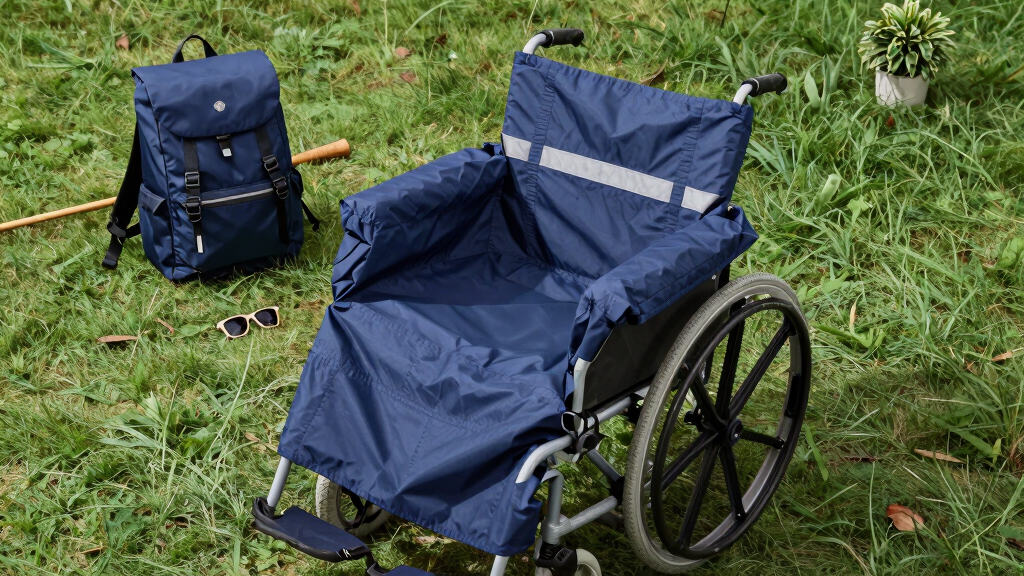
Selecting a weatherproof wheelchair cover requires focusing on durable, waterproof materials, proper sizing, and features like ventilation and portability. Recent advances improve longevity and safety, making outdoor storage safer and simpler.
Imagine waking up on a rainy morning, knowing your wheelchair is safe and dry outside. That peace of mind depends on choosing the right weatherproof cover. With so many options out there, how do you pick one that truly protects and lasts?
This guide will walk you through the key aspects to consider—materials, size, features—and highlight recent innovations that make outdoor storage easier and more reliable. Whether you’re a caregiver or a wheelchair user, understanding these details helps you make a smart, durable choice.
Prioritize high-quality, waterproof, UV-resistant fabrics like heavy-duty polyester or nylon.
Measure your wheelchair carefully and choose a cover with adjustable or slightly larger dimensions for a perfect fit.
Sealed seams and waterproof coatings are essential for complete weather protection.
Look for features like elastic hems, straps, and reflective strips to simplify handling and improve safety.
Recent innovations include breathable waterproof fabrics and eco-friendly materials for longer-lasting protection.
How to Choose Weatherproof Wheelchair Covers
A dependable cover balances waterproof construction, UV resistance, ventilation, secure sizing and easy handling—keeping a wheelchair dry without trapping the condensation that can encourage mold, mildew or corrosion.
The six-point selection test
Start with compatibility and construction, then assess convenience. The strongest choice is not necessarily the thickest cover—it is the one that fits the chair, climate and storage routine.
Material quality
Choose heavy-duty polyester or nylon with a polyurethane or PVC waterproof coating. Look for reinforced stress points and stated UV resistance.
Durability · Waterproofing · UVSize and fit
Measure the entire parked wheelchair, including accessories. Allow modest clearance without leaving enough loose fabric to flap or pool water.
Full enclosure · Adjustable edgeSealed seams
Water can enter through stitch holes. Taped or heat-sealed seams close this common weakness and support reliable rain protection.
Taped · Welded · Covered zipsVentilation
Breathable panels or protected vents let humid air escape, helping reduce condensation, odors, mold and corrosion beneath the cover.
Air exchange · Covered ventsAnchoring
Elastic hems, drawstrings and adjustable straps keep the cover close to the chair and reduce lifting, flapping and wind-driven exposure.
Hem · Buckles · Tie-downsPortability
A light, foldable cover with a storage pouch is easier to use consistently. Reflective strips add visibility in low-light storage areas.
Compact · Visible · Easy handlingLook beyond “waterproof”
A good textile specification combines mechanical strength with weather barriers and moisture management. Verify claims in the manufacturer’s documentation rather than relying on appearance alone.
A practical material stack
Heavy-duty polyester offers abrasion resistance and dimensional stability; nylon can provide strong tear resistance at a lower weight. A polyurethane coating is often more flexible, while PVC coatings can create a robust water barrier but may add bulk.
UV inhibitors help slow fading and brittleness from daily sun exposure. For long-term outdoor storage, breathable waterproof construction is especially valuable because it permits vapor to escape while repelling liquid water.
Measure once. Protect completely.
Measure the wheelchair in its normal storage configuration. A modest allowance makes installation easier and accommodates accessories, but excessive fabric creates wind and water-pooling risks.
Prepare
Park the chair as stored and include cushions, controls and attached equipment.
Measure
Record maximum length, width and height at the outermost points.
Add room
Allow a small clearance so the cover slips on without pulling at seams.
Verify
Check the sizing chart, hem system and compatibility with chair type.
Match construction to exposure
No material wins every category. Use this comparison to identify the most appropriate starting point, then confirm seam sealing, ventilation and anchoring on the finished product.
| Material type | Water barrier | UV potential | Breathability | Packability | Best suited to |
|---|---|---|---|---|---|
| Coated polyester | ✓ Strong | ✓ With inhibitors | ~ Varies | ~ Medium | Frequent outdoor storage and general durability |
| Coated nylon | ✓ Strong | ~ Check coating | ~ Varies | ✓ Good | Travel, lower weight and tear resistance |
| PVC-heavy fabric | ✓ Very strong | ~ Product specific | ✗ Limited | ✗ Bulky | Heavy rain where robust barrier performance leads |
| Breathable waterproof | ✓ Strong | ✓ Often enhanced | ✓ Best option | ✓ Often good | Long-term storage and condensation-prone climates |
| Basic uncoated fabric | ✗ Limited | ✗ Often limited | ✓ High | ✓ Good | Indoor dust and spill protection only |
✓ favorable characteristic · ~ specification dependent · ✗ meaningful limitation. Always verify the finished cover’s manufacturer specifications.
Design for your harshest day
Different conditions expose different weaknesses. Prioritize the features that address the most severe and frequent conditions at the wheelchair’s storage location.
Stop entry points
Specify waterproof coatings, sealed seams, covered openings and a shape that sheds water instead of allowing it to pool.
Anchor the perimeter
Elastic hems and adjustable straps reduce lift and flapping. Reinforced edges help withstand repeated movement.
Resist degradation
UV-resistant fibers or coatings slow fading and brittleness, supporting longer service in exposed locations.
Manage load and vapor
Remove accumulation promptly and use ventilation to limit trapped moisture that may contribute to mold or rust.
Newer covers solve old tradeoffs
Recent developments focus on extending service life, controlling condensation and making covers simpler to secure, carry and identify in low light.
Breathable barriers
Waterproof fabrics with improved vapor transfer help keep rain out without sealing humid air inside.
Enhanced UV coatings
Improved sun resistance helps slow fading, stiffness and fiber degradation during outdoor exposure.
Eco-aware options
More products now use recycled or environmentally considered materials; verify durability and coating performance.
Adjustable geometry
Flexible hems, multiple attachment points and refined shapes accommodate a wider variety of wheelchair designs.
Reflective visibility
Integrated reflective strips make a covered wheelchair easier to notice near paths, driveways and shared storage areas.
Integrated storage
Attached pouches and compact folding designs make the cover easier to carry, store and use consistently.
Why Material Quality Matters More Than You Think
Weatherproof wheelchair covers are only as good as the fabrics they’re made from. Heavy-duty polyester or nylon coated with waterproof layers stand up against rain, snow, and wind. For example, a cover made from 600D polyester with a PVC coating offers excellent durability and water resistance.
UV resistance is another critical factor. A cover exposed to the sun daily can degrade quickly if not designed for UV protection. Some fabrics include UV inhibitors, which extend the cover’s lifespan by preventing sun damage. Think of it like sunscreen for your cover—keeping it from becoming brittle or faded after months of outdoor use.
Recent advances include breathable, waterproof fabrics that prevent condensation—an issue that can cause mold or rust on your wheelchair. These materials let moisture escape while keeping water out, a game-changer for long-term outdoor protection.
Choosing the right fabric isn’t just about immediate weather resistance; it’s about balancing durability, breathability, and UV protection to ensure the cover remains reliable over time. Poor-quality materials may fail quickly, leading to increased replacement costs and potential damage to your wheelchair. Modern fabrics with advanced coatings also help prevent mold and mildew, which thrive in damp environments, protecting both your equipment and your health.
As an affiliate, we earn on qualifying purchases.
How to Find the Perfect Fit for Your Wheelchair
Choosing a cover that fits snugly isn’t just about aesthetics. An ill-fitting cover can flap in the wind or let moisture seep in, which can accelerate wear and compromise your wheelchair’s protection. Proper measurement ensures the cover can withstand the elements without risking damage or exposure.
Measure your wheelchair’s length, width, and height, including accessories like footrests or armrests. For example, a chair measuring 40″ long, 25″ wide, and 35″ high needs a cover slightly larger—about 42″ x 27″ x 37″—to ensure full coverage and room for accessories. This extra space also accommodates slight shifts or additional cushions, which are common in everyday use.
Many covers come in multiple sizes or are adjustable with elastic hems or drawstrings. This flexibility helps you get a tight fit, reducing the risk of wind damage, water pooling, or dirt ingress. For instance, elastic edges that grip the base of the chair help keep the cover secure even during storms or strong breezes.
Double-check the manufacturer’s sizing chart before purchase. Remember, a slightly looser fit often provides better protection against weather elements and allows for accessories, but it shouldn’t be so loose that it flaps excessively or exposes parts of the wheelchair. Accurate fitting minimizes the need for frequent adjustments and prolongs the life of the cover.
As an affiliate, we earn on qualifying purchases.
Weather Resistance: What Features Keep Your Wheelchair Dry?
Not all covers are created equal when it comes to weather resistance. The presence of sealed seams—stitched with waterproof tape or heat-sealed—can make a significant difference because they prevent water from seeping through stitch holes, which is a common vulnerability in cheaper covers. Waterproof coatings, such as polyurethane or PVC, form a barrier that repels water, but their effectiveness depends on quality and maintenance.
Snow, rain, and UV rays all threaten outdoor wheelchairs, but each presents unique challenges. Snow can accumulate and cause rust or damage if the cover isn’t snow-proof, while UV rays can degrade fabric fibers, making them brittle. A high-quality cover with sealed seams and UV-resistant coating can withstand both, but tradeoffs may include increased cost or reduced breathability. The choice often involves balancing these factors based on your climate and usage frequency.
Wind is another factor—stormy days can turn lightweight covers into sails that flap and tear. Straps or tie-downs help keep the cover anchored, preventing wind from lifting or damaging it. Some models include a wind-flap design that reduces flapping noise and prevents tears, which extends the lifespan of the cover and maintains your wheelchair’s protection during harsh weather.
Understanding these features helps you choose a cover that balances protection with durability. For example, a cover with waterproof seams and UV protection is ideal for year-round outdoor storage, but you might need additional features like reinforced edges or adjustable straps to handle extreme conditions. Recognizing the tradeoffs—such as cost versus longevity—ensures you make an informed decision aligned with your needs and environment.
As an affiliate, we earn on qualifying purchases.
Making It Easy: Features That Save You Time and Frustration
Ease of use can make or break your experience with a wheelchair cover. Features like elastic hems, drawstrings, or straps allow for quick and secure covering, saving you time and effort, especially in bad weather. An elastic edge that stretches around the base of the chair provides a snug fit and simplifies the process of covering or uncovering your wheelchair.
Lightweight materials are vital, especially if you need to carry or store the cover frequently. A foldable, compact cover with a dedicated storage pouch makes it easy to stow away when not in use, which is perfect for travel or quick outdoor setups. This convenience encourages consistent use, which is essential for long-term protection.
Reflective strips enhance safety, especially if you park your wheelchair outside in low-light conditions. Visible in the dark, these strips alert others to your wheelchair’s presence, reducing the risk of accidents. Some covers also feature pockets or compartments for small accessories—handy for keeping gloves, rain caps, or other essentials close at hand, so you’re always prepared.
Ultimately, selecting features that simplify handling and enhance safety encourages regular use and ensures your wheelchair remains protected without hassle or added risk.
breathable waterproof wheelchair cover
As an affiliate, we earn on qualifying purchases.
As an affiliate, we earn on qualifying purchases.
The Latest Tech: What’s New in Weatherproof Covers?
Recent advances focus on making covers smarter and more durable. Breathable waterproof fabrics now keep moisture out without trapping sweat or condensation inside, which is crucial for preventing mold and rust. This technology allows air circulation while maintaining waterproof integrity, reducing the risk of mold growth and corrosion that can compromise your wheelchair’s integrity over time. Integrated reflective elements improve visibility during low-light conditions, enhancing safety for outdoor storage.
Eco-friendly materials are gaining popularity, with biodegradable fabrics that reduce environmental impact. These materials don’t compromise on durability but offer a sustainable alternative, aligning with increasing environmental consciousness. Adjustable, flexible designs now accommodate a wider range of wheelchair shapes thanks to innovative stitching and elastic materials that adapt to different sizes and configurations, making the covers more versatile and long-lasting.
Some models include built-in storage pockets or lightweight, foldable designs that fit into a small backpack—making them perfect for active users or caregivers on the go. These technological and material innovations not only extend the lifespan of the covers but also improve safety, convenience, and environmental sustainability, reflecting a broader shift toward smarter outdoor protection solutions.
Frequently Asked Questions
What is the best material for a weatherproof wheelchair cover?
Heavy-duty polyester or nylon with waterproof coatings like PVC or polyurethane provides excellent protection against rain, snow, and UV rays. These fabrics balance durability with weather resistance, making them ideal choices.How do I choose the right size cover for my wheelchair?
Measure your wheelchair’s length, width, and height, including any accessories. Pick a cover that’s slightly larger to ensure full coverage, or opt for adjustable models with elastic or drawstring edges for a snug fit.Are weatherproof covers suitable for all outdoor weather conditions?
Most covers are designed for rain and snow, but check if they have UV resistance and windproof features. For extreme conditions, look for covers with sealed seams and reinforced edges to withstand storms and prolonged sun exposure.Can I use a wheelchair cover indoors?
Absolutely. Indoor use helps protect against dust, spills, or accidental damage, keeping your wheelchair in top shape whether inside or outside.How should I clean and maintain my wheelchair cover?
Follow the manufacturer’s instructions—usually, gentle washing with mild soap and air drying works well. Regular cleaning prevents dirt buildup and maintains waterproof and UV-resistant properties.Conclusion
Protecting your wheelchair from the elements isn’t just about keeping it dry. It’s about extending its life, maintaining safety, and giving yourself peace of mind. When you choose carefully—considering materials, fit, and features—you’re investing in durability and ease.
Imagine your wheelchair standing tall and dry, ready to go whenever you are. That’s the power of selecting the right weatherproof cover—simple, smart, and dependable protection for your independence.
Columbus Day / Indigenous Peoples' Day Picks
long weekend sales
As an affiliate, we earn on qualifying purchases.