
TL;DR

Get everyday helpers delivered free with Prime
- Fast, free delivery on millions of items
- Prime Video, Amazon Music and more included
- Member-only deals all year
Accessible yoga and stretching tools remove barriers, making physical activity inclusive and safe. With the right props and guidance, anyone can enjoy improved flexibility, strength, and mental well-being.
Imagine a room filled with soft light, gentle music, and a chair supporting someone as they stretch their arms toward the sky. Accessible yoga isn’t just about flexibility — it’s about breaking down barriers so everyone can experience its benefits. Whether you’re living with a disability, recovering from an injury, or simply seeking a more gentle practice, the right tools and modifications change everything.
In this guide, you’ll learn how specific props and smart adaptations can make yoga safe, comfortable, and effective for all. No matter your age or ability, accessible yoga opens the door to better mobility, mental clarity, and a sense of community.
Small modifications, like chairs and straps, open up yoga practice for everyone, regardless of mobility or strength.
Choosing the right tools depends on your personal needs — assess your abilities and consult with professionals when possible.
Online classes and community programs make accessible yoga more available than ever, fitting different lifestyles and needs.
Safety always comes first — listen to your body, use props to support joints, and avoid pushing into pain.
Accessible yoga isn’t just a trend; it’s a proven way to improve physical and mental well-being for all ages and abilities.
A Guide to Accessible Yoga and Stretching Tools
Accessible practice is not about performing a pose perfectly. It is about fitting movement to your body—with thoughtful support, gentle progression, and enough freedom to feel capable.
A stable seat can transform standing poses into supported movement.
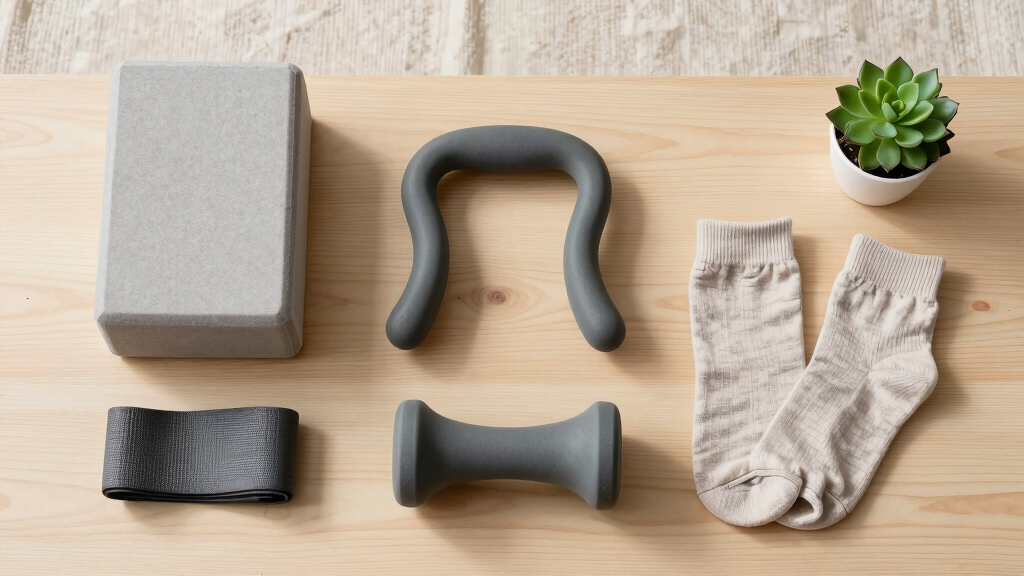
Blocks, straps, chairs, wall supports, and ergonomic cushions.
At-home digital guidance or in-person professional support.
Adaptable for children, adults, seniors, recovery, and disability.
Small changes make a big difference
Every body brings different strengths, limits, and goals. Adaptation replaces rigid expectations with choices that support comfort, confidence, and sustainable participation.
Add support
Use a chair, cushion, bolster, wall, or rail to improve balance and reduce joint load.
Change the base
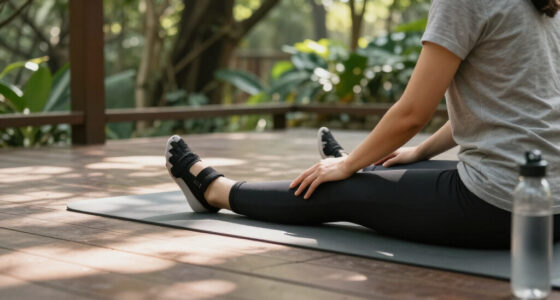
Choose seated or lying-down versions when standing feels tiring, painful, or unsteady.
Bridge the gap
Blocks and straps bring the pose closer without forcing muscles or compromising control.
Adjust the dose
Shorten the hold, reduce the range, add rest, or slow the pace to match today’s capacity.
A shallower, supported pose practiced safely is more useful than a deeper pose that causes pain, fear, or instability. Comfort encourages consistency—and consistency supports long-term progress.
Five props, five kinds of support
The best prop is the one that addresses a specific barrier without doing more work than necessary. Start simple, then adjust as strength, confidence, or mobility changes.
| Tool | How it helps | Ideal for | Use mindfully |
|---|---|---|---|
| Yoga blocks | Support hands or hips, extend reach, and help maintain comfortable alignment. | Good fit Limited flexibility, beginners, joint concerns |
Choose a stable height; avoid leaning onto an insecure edge. |
| Stretch straps | Bring limbs within reach and help hold a stretch without gripping or straining. | Good fit Tight muscles, limited range of motion |
Keep tension gentle; never pull a joint beyond a comfortable range. |
| Sturdy chair | Creates a stable base for seated or supported poses and lowers fall risk. | Good fit Balance challenges, seniors, mobility impairments |
Use a non-wheeled chair on a nonslip surface. |
| Wall ropes / bars | Provide steady contact for balance, rehabilitation, stretching, and alignment. | Good fit Rehab settings and balance support |
Confirm secure installation and seek guidance for unfamiliar setups. |
| Ergonomic cushions | Reduce pressure, improve seated comfort, and soften contact beneath sensitive joints. | Good fit Arthritis, chronic pain, seated practice |
Enough softness to cushion—enough firmness to remain stable. |
Find the support sweet spot
Too little support can increase strain; too much can limit useful movement. Aim for the least support that still makes the pose feel steady and comfortable.
Pick props for your needs
Personalization matters more than owning every accessory. Follow this sequence to make an informed, practical choice.
Assess your body
Notice mobility, balance, flexibility, fatigue, and what feels comfortable today.
Name your goal
Choose flexibility, strength, balance, relaxation, recovery, or pain-aware movement.
Seek guidance
Consult an adaptive instructor, therapist, or healthcare professional when possible.
Start versatile
Try a sturdy chair, strap, or pair of blocks before investing in specialist equipment.
Review and adapt
Reassess regularly as comfort, confidence, strength, or health needs change.
Practice where support works best
Accessible yoga now extends beyond traditional studios. Match the format to your transport needs, schedule, confidence, and desire for personalized feedback.
Virtual classes
Apps, recorded lessons, and live streams can reduce transportation barriers and make short, level-specific practices available at home.
In-person support
Community centers, disability organizations, rehabilitation programs, and adaptive instructors can offer social connection and real-time adjustments.
Safety firstGentle progress beats aggressive pushing.
More than flexibility
Accessible yoga can support physical capacity, mental well-being, recovery, and belonging. The visualization reflects areas of commonly reported benefit—not a clinical ranking or guaranteed outcome.
How adaptation creates access
The chain is simple: identify the obstacle, select a fitting modification, move with control, and build a practice that can last.
Recognize the barrier
Reach, balance, pain, fatigue, transport, or confidence
Choose an adaptation
Prop, position, pace, range, rest, or guidance
Practice safely
Stay supported, aware, and below the pain threshold
Build consistency
Progress toward mobility, calm, confidence, and connection
Accessible yoga FAQ
Use these starting points alongside advice from a qualified professional who understands your health history and goals.
What tools suit beginners with limited mobility?
A sturdy chair, blocks, strap, and wall support are versatile starting points.
Can yoga work with disability or chronic illness?
Often, yes—with individualized modifications and appropriate professional guidance.
How should I choose a prop?
Match it to your comfort, strength, reach, balance, goals, and specific condition.
Are online options available?
Yes. Look for adaptive instructors, clear modifications, and level-specific classes.
Is accessible yoga suitable for all ages?
Yes. Pace, position, intensity, and support can be adapted across life stages.
What is the most important precaution?
Listen to your body, avoid pushing into pain, and stop when a pose feels wrong.
What Makes Yoga Accessible? Simple Changes That Make a Big Difference
Accessible yoga is about customizing poses to fit your body and needs. It’s not about doing traditional poses perfectly but about feeling good and staying safe. For example, using a chair instead of standing for certain stretches helps people with balance issues stay steady. A simple modification like this can turn a challenging pose into an empowering experience.
Key adaptations include:
- Using chairs, cushions, or bolsters for support
- Choosing gentle, seated, or lying-down poses
- Adding straps or blocks to extend reach
- Adjusting the intensity and duration of stretches
Picture someone with limited hip mobility using a strap to reach their foot in a hamstring stretch — suddenly, the pose feels accessible instead of frustrating. Small tweaks like these make yoga a possibility for everyone.
These modifications are crucial because they recognize that each body has unique limitations and strengths. By adapting poses, practitioners can avoid injury, reduce frustration, and foster a sense of achievement. The tradeoff, however, is that some traditional alignment cues may need to be relaxed, which might influence the depth of the pose or the engagement of certain muscles. Still, the primary goal remains safety and comfort, which ultimately encourages regular practice and long-term benefits.
As an affiliate, we earn on qualifying purchases.
Top 5 Tools That Make Stretching Safer and Easier
| Tool | How It Helps | Ideal For |
|---|---|---|
| Yoga Blocks | Support your hands or hips, extend reach, and maintain proper alignment | Limited flexibility, beginners, those with joint issues |
| Stretch Straps | Assist in holding poses longer, deepen stretches safely | Limited range of motion, tight muscles |
| Chair | Provide stability for seated or supported poses, reduce fall risk | Balance challenges, seniors, mobility impairments |
| Wall Ropes/Bars | Offer support for balance, help with stretching and alignment | Balance issues, rehab settings |
| Ergonomic Cushions | Reduce strain on joints, add comfort during seated poses | Chronic pain, arthritis |
Imagine someone with arthritis gently pressing into a cushion while seated — that cushion not only eases discomfort but also lets them stay engaged in their practice longer. These tools are more than simple props; they are vital aids that address specific physical challenges, allowing practitioners to maintain safety and alignment. The choice of tool can influence how effectively and comfortably someone can perform a pose, but it also involves tradeoffs—over-reliance on props might limit natural movement, while insufficient support could risk injury. Understanding when and how to use these tools ensures a balanced approach that fosters both safety and progress.
As an affiliate, we earn on qualifying purchases.
How to Pick the Right Props for Your Unique Needs
- Assess your mobility and flexibility — know what feels comfortable and what doesn’t.
- Identify your main goals — increase flexibility, build strength, or improve balance.
- Consult with a trained instructor or therapist — they can suggest the best tools for your situation.
- Start with versatile, easy-to-use props like a yoga strap or chair.
- Practice consistently, adjusting your tools as you progress or your needs change.
For example, someone recovering from knee surgery might prioritize a sturdy chair and a cushion, while a person with limited arm mobility might focus on straps and wall supports. Tailoring your approach ensures safe, sustainable progress. Recognizing that not all props are suitable for every body or condition is key; some may offer more support at the expense of movement freedom, while others might encourage greater independence but require more skill to use safely. This balance impacts your long-term engagement and the effectiveness of your practice.
As an affiliate, we earn on qualifying purchases.
Virtual and In-Person Resources for Accessible Yoga
Accessible yoga isn’t limited to studios. Online classes and apps have exploded in popularity, offering tailored programs you can follow at home. Many platforms feature instructors trained in adaptive techniques, ensuring safe and inclusive guidance.
For instance, a senior might join a live-streamed class that focuses on chair yoga, while a person with mobility challenges can find step-by-step videos designed for their level. Local community centers and disability organizations often host classes, too, making in-person support accessible.
Research shows that online resources increase participation, especially for those who face transportation or mobility barriers. Plus, digital access allows you to practice anytime, anywhere. This flexibility can be a game-changer for many, but it also requires self-motivation and awareness of your own limits. Not all online classes are created equal—some may lack personalized feedback, which can be a tradeoff for convenience. Therefore, choosing reputable sources and supplementing digital practice with occasional professional guidance can enhance safety and progress.
As an affiliate, we earn on qualifying purchases.
Safety First: How to Practice Yoga Without Injury
Prioritize listening to your body. If a stretch causes pain or discomfort, ease up or modify. Use your props to support your joints and prevent overstretching. Remember, gentle progress beats aggressive pushing every time.
A good rule of thumb: If a pose feels wrong, stop. For example, if you feel sharp knee pain during a stretch, back off and try a supported seated version instead. Consulting a trained instructor can help you develop safe routines tailored to your abilities. Understanding your body’s signals and respecting your limits are fundamental. Pushing beyond pain or discomfort can lead to injury or setbacks, especially when using modifications that alter the typical biomechanics of a pose. The tradeoff is that you might not achieve the same depth or intensity as traditional poses, but the long-term safety and consistency of your practice are worth this compromise. Developing mindful awareness and patience ensures that yoga remains a safe, sustainable activity that enhances well-being rather than risking harm.
Frequently Asked Questions
What are the best tools for beginners with limited mobility?
Chairs, yoga blocks, straps, and wall supports are excellent starting points. They help provide stability and extend your reach, making poses safer and more comfortable.
Can I do yoga if I have a specific disability or chronic condition?
Yes, with proper modifications and guidance from trained instructors. Many adaptive yoga classes tailor poses to different needs, ensuring safety and effectiveness.
How do I choose the right props for my needs?
Consider your flexibility, strength, and comfort levels. Consulting with a knowledgeable instructor or therapist can help you select props that support your goals and keep you safe.
Are there online resources or classes for accessible yoga?
Absolutely. Many platforms offer tailored classes, including YouTube channels, apps, and websites dedicated to adaptive yoga for various abilities.
Is accessible yoga suitable for all ages?
Definitely. Accessible yoga can be adapted for children, seniors, and everyone in between, making it a versatile fitness option for life stages and abilities.
Conclusion
Accessible yoga tools transform what might seem impossible into achievable moments of strength and serenity. With a few simple props and a mindset tuned to safety and patience, everyone can enjoy the benefits of stretching and mindfulness.
Remember: Your body is unique, and your practice should be, too. Every stretch, every breath, is a step toward greater independence and joy — start where you are, with what you have, and watch your confidence grow.
Columbus Day / Indigenous Peoples' Day Picks
long weekend sales
As an affiliate, we earn on qualifying purchases.