
TL;DR
Open a free Amazon Business account
Business pricing, bulk buying and tax-exempt orders.
Create a free accountAs an affiliate, we earn on qualifying purchases.
Selecting a patient lift for home use requires matching it to the patient’s needs, safety features, and space availability. Knowing recent tech and common questions helps you make a confident, informed choice.
Match the lift type to your loved one’s mobility and your home layout.
Prioritize safety features like emergency stops and secure slings.
Check the weight capacity carefully — don’t guess your needs.
Regular maintenance and proper training extend your lift’s life and safety.
Be aware of recent tech upgrades that add safety alarms and portability.
How to Choose a Patient Lift for Home Use
Match the lift to the person, the caregiver and the room—not simply the price tag. The right combination of lift, sling, capacity and safety features can make transfers more dignified while reducing strain and fall risk.
Start with mobility and daily routines
Think through the actual transfers: bed to chair, chair to toilet, bathing and movement between rooms. The safest lift is the one designed for the person’s functional ability and used consistently in the available space.
Hoyer / traditional
A sling-based floor lift suitable for many people who need extensive or complete transfer assistance.
Best for broad support needsSit-to-stand
Assists a person who can participate in standing and follow directions during the transfer.
Best for assisted standingPortable
Compact and movable between rooms. Check turning radius, base width and storage dimensions.
Best for multiple roomsStationary
Fixed in a bedroom or bathroom for stable, repeatable transfers along a planned route.
Best for consistent routinesMove from needs to a short list
Can the person bear weight?
This separates sit-to-stand candidates from full-support lift needs.
Which transfers happen daily?
List bed, chair, toilet, shower and vehicle transfers separately.
Will the lift fit?
Measure doors, floors, turning areas, under-bed space and ceiling clearance.
Is the sling compatible?
Match attachment style, size, support level and intended task.
Can caregivers use it safely?
Confirm controls, charging, emergency lowering and hands-on training.
Never guess the working load
Weight capacity is a firm safety boundary. Check the patient’s current weight, allow for realistic change and verify the rated limit of every component, including the lift and sling.
Do not use a generic buffer as a substitute for the manufacturer’s instructions or a clinician’s assessment. Oversized equipment can also be heavier and harder to maneuver at home.
Typical home-lift capacity spectrum
Capacity varies by model. The lowest-rated component in the transfer system determines the usable limit.
Features that reduce transfer risk
Safety features help, but they do not replace correct positioning, an appropriate sling, inspection and training. Test controls and emergency functions before the lift enters routine use.
Emergency stop and lowering
Allows the caregiver to halt motion and lower the person if normal controls or power fail.
Reliable sling attachments
Hooks, clips or loops should be easy to verify visually and compatible with the chosen sling.
Wide, controlled base
The base should fit around furniture while remaining stable throughout the transfer route.
Battery and safety alerts
Low-battery, overload or imbalance warnings can surface problems before a transfer is interrupted.
Clear controls and brakes
Controls should be intuitive. Follow the manufacturer’s instructions for when brakes engage.
Inspection and maintenance
Check moving parts, batteries, fasteners, fabric, seams and labels on a regular schedule.
| Decision factor | Traditional floor lift | Sit-to-stand | Portable lift | Stationary lift |
|---|---|---|---|---|
| Full-body support | ✓ Strong fit | ✗ Usually not | ~ Model dependent | ~ System dependent |
| Partial weight-bearing | ~ Possible | ✓ Designed for it | ~ Model dependent | ~ System dependent |
| Move between rooms | ~ Check dimensions | ~ Check dimensions | ✓ Strong fit | ✗ Fixed location |
| Dedicated daily route | ✓ Suitable | ✓ Suitable | ✓ Suitable | ✓ Strong fit |
| Space sensitivity | ~ Turning room needed | ~ Base clearance needed | ✓ Often compact | ~ Installation dependent |
✓ favorable fit · ✗ generally unsuitable · ~ depends on the person, model or installation
The safe-transfer chain
A transfer is only as reliable as the weakest link. Trace every purchase decision from assessment through ongoing inspection.
Measure, verify and test
Pick the Right Type of Patient Lift for Your Home
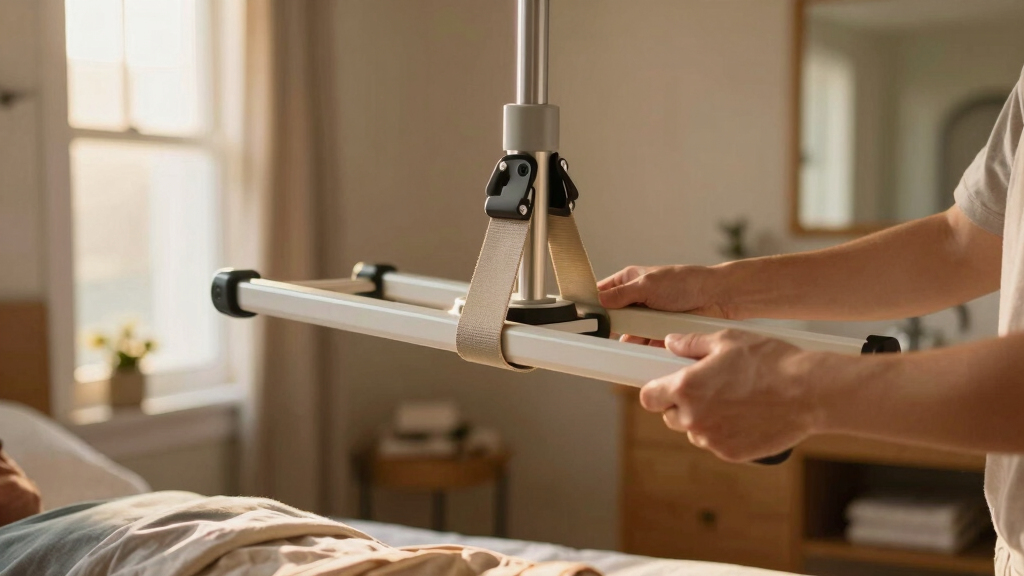
Knowing which lift suits your situation is step one. Hoyer lifts, also called traditional lifts, are like the workhorses of patient transfers. They use a sling and can handle a wide range of mobility levels, from those needing full support to partial weight-bearing. Sit-to-stand lifts are perfect if your loved one can partially bear weight but needs help standing. Portable lifts are lightweight, easy to move between rooms, and ideal if space is tight. Stationary lifts stay fixed, often in bathrooms or bedrooms, providing stability for daily routines.
Choosing the right type is crucial because it directly impacts safety, ease of use, and your loved one’s comfort. For example, a portable lift offers flexibility but might lack the stability of a stationary model, which is better for consistent tasks like bathing. Think about your daily routines — a lift that’s too heavy or cumbersome can become a source of frustration or even safety risk. Conversely, a lift that’s too small or underpowered can fail when needed most. The goal is to find a balance that fits your home environment while meeting your loved one’s mobility needs.
home patient lift with safety features
As an affiliate, we earn on qualifying purchases.
As an affiliate, we earn on qualifying purchases.
How Much Weight Can Your Lift Handle? Don’t Guess — Check!
Weight capacity isn’t just a number; it’s a safety boundary that protects both your loved one and you. Choosing a lift that supports only slightly above your loved one’s current weight might seem sufficient, but it leaves no room for error or future weight changes. For instance, if your loved one’s weight fluctuates or if they gain weight over time, a lift with a higher capacity provides a safety buffer that prevents overloading, which can cause mechanical failure or accidents. Overloading a lift can lead to sudden breakdowns or falls, risking injury. On the other hand, selecting a lift with a capacity well above your current needs can be more expensive and bulkier than necessary, which might make handling more difficult. The key is to evaluate current weight, consider potential future changes, and choose a model that offers a comfortable margin — typically 50-100% above the current weight. This approach ensures safety and longevity, minimizing risks associated with improper load handling and reducing the likelihood of costly repairs or replacements.
As an affiliate, we earn on qualifying purchases.
Safety Features That Save Lives and Make Transfers Smoother
Safety isn’t optional — it’s essential because it directly affects the risk of injury during transfers. Features like emergency stop buttons are critical—they allow immediate halting of the lift if something goes wrong, preventing accidents before they happen. Secure sling attachments ensure that the patient remains safely supported without slipping, which is especially important when handling individuals with unstable or unpredictable movements. A stable base that doesn’t wobble reduces the risk of tipping over, providing confidence during transfers. Alarms that alert you to issues such as low battery, loose slings, or imbalance serve as proactive safety mechanisms, allowing you to address problems before they escalate. Some lifts include auto-lock brakes, which engage automatically when the lift is stationary, preventing unintended movement. These safety features act as a safety net, reducing human error and increasing confidence during transfers. They also help prevent falls and injuries, which could have serious consequences for vulnerable patients. Investing in these features is investing in peace of mind—knowing that both you and your loved one are protected during every transfer.
portable patient lift for home use
As an affiliate, we earn on qualifying purchases.
As an affiliate, we earn on qualifying purchases.
Matching the Right Sling With Your Lift: Comfort Meets Safety
Choosing the right sling is like picking the perfect seatbelt — it’s all about fit and comfort, but it also has safety implications. A well-fitting sling distributes pressure evenly across the patient’s body, reducing discomfort and the risk of skin breakdown or pressure sores. For example, a sling that’s too tight can cause pain, restrict circulation, or make the patient feel squeezed, which can lead to distress and resistance during transfers. Conversely, a sling that’s too loose may slip or shift, risking a fall or injury. The type of sling also matters: full-body slings provide maximum support and are suitable for patients with limited mobility, but they may be less comfortable for longer periods. Toileting or bathing slings are designed for water exposure and ease of use in specific tasks. Regularly inspecting slings for wear and tear is essential because frayed fabric or weakened seams compromise safety. Properly maintained, a well-chosen sling enhances comfort and reduces the risk of injury, making transfers safer and more dignified. Remember, the goal is to select a sling that fits snugly without constricting, and always replace worn slings promptly to maintain safety standards.
patient lift sling for bariatric patients
As an affiliate, we earn on qualifying purchases.
As an affiliate, we earn on qualifying purchases.
Power Options: Electric or Manual — Which Fits Your Home Best?
Electric lifts, equipped with rechargeable batteries, are designed for ease of use and efficiency. They allow caregivers to perform transfers with minimal physical effort, reducing strain and fatigue, which is especially important during frequent or heavy transfers. This convenience often translates into safer, faster, and more comfortable transfers for the patient. However, they depend on reliable power sources and batteries, so understanding battery life and charging routines is critical to prevent unexpected failures. Manual lifts, on the other hand, are simpler, often lighter, and do not require electricity. They are useful in emergency situations, during power outages, or in homes where electrical outlets are limited or safety concerns about electrical devices exist. Manual models may require more physical effort, which could be a tradeoff if the caregiver has limited strength. The decision hinges on your home’s infrastructure, your caregiver’s physical capacity, and the frequency of use. Electric lifts tend to be more suitable for regular, daily transfers, while manual lifts might serve as backup or occasional solutions. Weighing these factors helps ensure you choose a lift that balances convenience, safety, and practicality for your specific situation.
How Much Space Do You Need? Measure Before You Buy
Size matters because a lift that doesn’t fit comfortably in your space can lead to difficulty, safety hazards, or damage. Portable lifts are designed for small spaces—they’re compact, easy to maneuver, and ideal for tight bathrooms or narrow hallways. Fixed lifts, while more stable and often more robust, require substantial room for both the base and the arm’s range of motion. Accurately measuring your environment is essential; consider door widths, ceiling height, and clearance around the lift’s path. For example, a lift with a 4-foot base might be perfect for a narrow hallway, but if your bathroom is only 5 feet wide, you’ll need a smaller, more maneuverable model to prevent congestion or accidental bumps. Also, consider the lift’s maximum height and reach to ensure it can perform transfers comfortably without hitting ceilings or fixtures. Taking these measurements beforehand prevents costly mistakes, ensures safety, and makes daily transfers smoother and less stressful for everyone involved.
Maintenance and Durability: Keep It Running Safe and Quiet
Regular maintenance isn’t just about keeping the lift functioning; it directly affects safety, reliability, and lifespan. Proper cleaning removes dust, dirt, and bodily fluids that can cause corrosion or mechanical issues. Inspecting bolts, joints, and welds ensures structural integrity, preventing unexpected failures. Battery health is critical: a weak or damaged battery can cause the lift to malfunction unexpectedly. Testing controls monthly verifies that all functions operate smoothly. Investing in a durable lift with high-quality materials like stainless steel or reinforced frames often means fewer repairs and longer service life. For example, a lift with a sturdy steel frame and sealed batteries can last 5-7 years with proper care, providing value over time. Many models come with warranties—taking advantage of these can save costs on repairs. Establishing a routine maintenance schedule and training all users on proper handling further enhances safety and durability. These practices not only extend the life of your lift but also ensure it performs quietly and reliably, giving you peace of mind during every use.
Cost, Insurance, and What You Should Expect to Pay
Prices vary widely — from about $1,000 for basic manual lifts to $5,000 or more for high-end electric models. While cost may seem intimidating, it’s important to view the investment as a critical safety and quality of life enhancement. Many insurance plans, including Medicare and Medicaid, may cover part of the cost if the lift is prescribed by a healthcare provider, but coverage varies based on individual plans, documentation, and medical necessity. Understanding your insurance policy early can help you avoid surprises and streamline the purchasing process. For example, Medicare Part B often covers durable medical equipment like patient lifts if your doctor certifies it as medically necessary. However, approval depends on proper documentation and sometimes requires prior authorization. Budgeting for the lift also includes considering ongoing costs such as maintenance, replacement slings, and batteries, which are essential for safety and longevity. Ultimately, balancing features, safety, and affordability will help you choose a model that fits your needs without compromising quality or safety.
Recent Tech Improvements That Make Your Lift Smarter and Safer
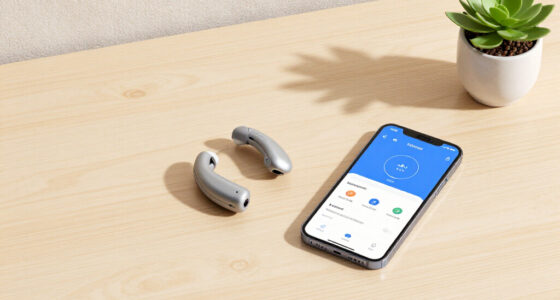
Recent technological advancements have significantly enhanced patient lift safety and usability. Longer-lasting batteries with quick-charging capabilities mean less downtime and more reliable operation. Safety alarms, such as low-battery alerts or sling detachment warnings, provide real-time feedback, reducing the risk of accidents. Remote controls or smartphone compatibility allow caregivers to operate lifts from a distance, increasing convenience and reducing strain. Compact, lightweight designs make lifts easier to maneuver and store, especially in small homes. These tech upgrades aren’t just about convenience—they directly improve safety by providing early warnings and making lifts easier to position accurately. For example, a lift with a built-in alarm that sounds if the sling slips or battery runs low can prevent a fall or injury, especially if the caregiver is distracted or inexperienced. Embracing these innovations ensures that your lift not only meets current safety standards but exceeds them, offering a smarter, safer experience for both caregiver and patient.
Your Top 5 Questions About Patient Lifts — Answered
- How do I know which lift is best for my loved one? Consider their mobility, weight, space, and daily routines. Matching the lift type and features to these needs is key. Think about whether they need full support or just assistance with standing, and how much space you have for maneuvering the lift. The right choice minimizes frustration and maximizes safety, making daily transfers less stressful for everyone involved.
- Will insurance cover the cost? Many plans, including Medicare, may help, but you need to confirm with your provider and get the proper documentation. Understanding your coverage options early can prevent delays and unexpected expenses. Don’t assume coverage—verify specifics, and inquire about required paperwork or prior authorization to streamline the process.
- Are lifts hard to operate? Modern lifts are designed for simple controls, but training is essential for safety. Most manufacturers provide instructions or in-home demos. Proper training ensures you can operate the lift confidently, reducing the risk of accidents or misuse. Remember, even the most advanced lift is only as safe as the person operating it.
- How often do I need to maintain the lift? Regular cleaning, inspections, and battery checks every month keep your lift safe and durable. Establishing a routine helps catch issues early before they become costly or dangerous. Well-maintained lifts perform more quietly, last longer, and provide peace of mind during every transfer.
- Can I use one lift for multiple tasks? Yes, if it’s compatible with different slings and designed for versatile transfers like bathing and toileting. Choosing a lift with adaptable sling options increases its utility, making it a more cost-effective and space-efficient solution. Be mindful that some lifts are optimized for specific tasks, so selecting a versatile model ensures safety and comfort across different routines.
Frequently Asked Questions
How do I pick the right sling for my loved one?
Focus on comfort and fit. Measure properly and choose a sling style suited for their specific needs, whether full-body, toileting, or bathing. Consult with a healthcare provider if unsure.Can I operate the lift myself, or do I need training?
Training is highly recommended. Most lifts come with instructions, and manufacturers often offer demos or videos. Proper training ensures safe, confident use for every transfer.Will a patient lift fit in my small bathroom?
Many portable lifts are designed to be compact for tight spaces. Measure your bathroom carefully, and choose a model with a small base and maneuverable arm to fit comfortably.How long does a typical patient lift last?
With proper maintenance, most quality lifts last between 5 and 7 years. Regular inspections and cleaning help maximize lifespan and safety.Conclusion
Choosing a patient lift isn’t just about moving someone safely — it’s about restoring dignity and independence. Take the time to match the right features to your home and your loved one’s needs. When you do, every transfer becomes a step toward greater confidence and comfort — for both of you.Back to school Picks
back to school
As an affiliate, we earn on qualifying purchases.