
TL;DR

Get everyday helpers delivered free with Prime
- Fast, free delivery on millions of items
- Prime Video, Amazon Music and more included
- Member-only deals all year
Choosing a beach wheelchair requires evaluating terrain type, tire design, portability, and durability. Recent innovations like flotation tires and lightweight frames improve outdoor mobility. Rental options and maintenance are also key considerations for a confident choice.
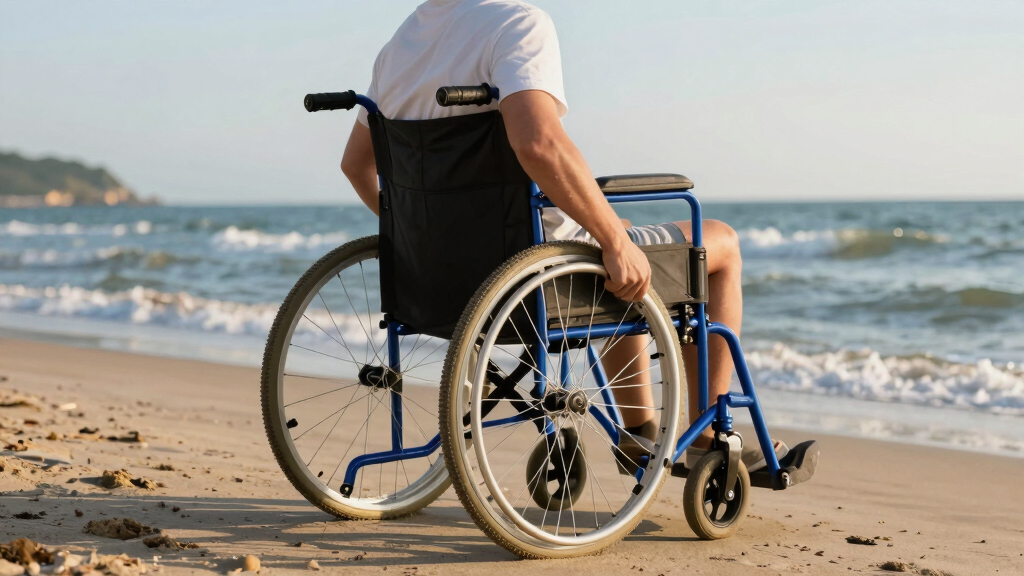
Imagine feeling the warm sun on your skin, the scent of salty air filling your lungs, and the soft crunch of sand beneath your feet. Now, picture that experience made possible for everyone, regardless of mobility challenges. That’s what the right beach wheelchair can do for you or someone you care about. But with so many options out there, how do you pick the one that truly fits your needs?
In this guide, you’ll learn exactly what to look for—what features matter most, recent tech breakthroughs, and practical tips to make your beach days carefree and comfortable. Whether you’re buying or renting, knowing these details helps you make a confident decision that opens up the ocean’s edge to everyone.
Focus on wheelchairs with large, flotation tires for soft sand and uneven terrains.
Lightweight frames made from durable materials help with portability and longevity.
Foldable or disassemblable models make transport and storage easier, especially for frequent travelers.
Recent innovations include inflatable flotation tires and modular designs that improve user experience.
Regular rinsing and maintenance extend the lifespan of your beach wheelchair.
Choose the chair that keeps beach days open, smooth, and safe.
TL;DR: Start with terrain and tire design, then weigh portability, frame durability, comfort, and maintenance. Large flotation tires, corrosion-resistant materials, and foldable or modular frames make the biggest difference when soft sand, saltwater, and transport are part of the day.
Larger flotation or balloon tires distribute weight more evenly, reducing sinking and push effort.
Basic beach models sit lower; electric or highly modular chairs can climb above this range.
The right tires are the access feature.
If the wheels sink, everything else becomes harder. Tire width, diameter, and flotation should lead the decision.
Terrain, tires, frame, storage, water resistance, comfort, controls, accessories.
Flotation tires are preferred for loose sand and uneven beach approaches.
Freshwater rinsing helps remove salt and sand before corrosion starts.
Rent for occasional visits; buy when fit, comfort, and repeat use matter most.
Start With the Sand
Beach wheelchairs are not just standard chairs with bigger wheels. They are engineered to stay on top of unstable terrain, resist salt and grit, and reduce fatigue for users and caregivers.
Match the chair to the beach.
Soft dry sand needs wide flotation tires. Packed sand, boardwalks, and ramps can handle narrower or more compact designs.
Choose flotation first.
Balloon-style or large pneumatic tires reduce pressure on sand. Small rubber wheels usually sink, drag, or get stuck.
Balance weight and strength.
Aluminum, titanium, and corrosion-resistant alloys make lifting easier while standing up to sun, salt, and sand.
The Five-Step Fit Check
Use this sequence before comparing brands. It keeps the decision anchored in real beach conditions instead of feature lists that look good on paper.
Map Terrain
Dry sand, wet sand, dunes, ramps, paths, and waterline access.
Size Tires
Prioritize large, wide flotation tires for soft or uneven areas.
Test Transport
Check folded size, disassembly steps, vehicle fit, and lifting weight.
Verify Support
Look for padding, footrests, armrests, belts, and user weight rating.
Plan Care
Rinse, dry, inspect tires, and check corrosion-prone hardware.
Feature Tradeoffs
The best model is rarely the one with every feature. It is the one whose compromises match how often you travel, who will push or drive, and what kind of shoreline you use.
Smoother ride, more upkeep.
Air-filled tires absorb bumps and help on uneven terrain, but they require pressure checks and puncture awareness.
Durable, less forgiving.
Solid tires are low maintenance and tough, but they can feel bumpier and may struggle more in deep, loose sand.
Lighter and simpler.
Manual chairs are easier to lift, store, rent, and rinse. They may require caregiver assistance on soft sand.
Powerful but heavier.
Powered chairs reduce physical effort and increase independence, but cost, battery care, water limits, and transport weight matter.
Beach Chair vs Standard Chair
A standard wheelchair can be excellent on pavement and indoor surfaces, but sand changes the physics. The comparison below shows where beach-specific engineering matters.
| Feature | Standard Wheelchair | Beach Wheelchair | Decision Signal |
|---|---|---|---|
| Soft Sand Mobility | ✗ Often sinks or stalls | ✓ Built for flotation | Choose wide tires if dry sand is common. |
| Wheel Type | Small rubber wheels | Large flotation or balloon tires | Tire size drives safety and effort. |
| Water Resistance | ✗ Rarely designed for salt | ✓ Corrosion-resistant options | Confirm specs before shoreline or water use. |
| Portability | ✓ Often foldable | ~ Varies by tire and frame | Measure trunk space and lifting weight. |
| Price Range | $300 to $1,000 | $500 to $2,500+ | Rent before buying if beach use is occasional. |
What Matters Most
This weighted view reflects the practical impact each feature has on a typical beach outing, from crossing loose sand to packing the chair after sunset.
Basic options can work for occasional use. Frequent beachgoers often benefit from better tires, lighter frames, and adjustable support.
Maintenance checklist
- Rinse saltwater and sand with fresh water after exposure.
- Check pneumatic tire pressure before beach trips.
- Inspect fasteners, bearings, brakes, and frame joints for corrosion.
- Dry fully before storage, especially around folds and hardware.
Portability Sweet Spot
Frequent travelers usually need a chair that breaks down quickly. Local beach users may accept a bulkier frame if flotation and comfort are stronger.
Convenience vs Sand Performance
Trace the Decision
Follow the chain from the shoreline you want to reach to the upkeep that keeps the chair dependable season after season.
Soft sand, wet sand, dunes, ramps, or mixed access.
Wide flotation tires reduce sinking and fatigue.
Seat width, support, footrests, and weight rating.
Fold, lift, disassemble, and fit into storage.
Rinseable, corrosion-resistant parts last longer.
Buy or rent with the right tradeoffs clear.
What features make a beach wheelchair perfect for soft sand?
The first thing to consider is how well the wheelchair handles soft, loose sand. The best models have large, wide tires or specialized flotation tires that stay afloat and don’t sink. These tires are crucial because they directly impact your ability to move smoothly across unpredictable surfaces. If a wheelchair’s tires are too small or made of standard rubber, they’ll sink or get stuck, leading to frustration and limited mobility. Choosing flotation tires or balloon tires isn’t just about ease of movement—it’s about safety and independence. When tires stay on top of the sand, they reduce the physical effort required, prevent getting stuck, and minimize fatigue. This means longer, more enjoyable outings and less strain on the user, which is especially important for those with limited strength or endurance. The tradeoff, however, is that these tires can sometimes make the wheelchair bulkier or more expensive, so balancing performance with convenience is key.
Imagine a family at the beach: one person struggles with a standard wheelchair, sinking into the sand with every push. The other uses a beach wheelchair with flotation tires, rolling effortlessly over the terrain. That’s the difference these features make.
As an affiliate, we earn on qualifying purchases.
How to pick the right tires and wheel size for your beach adventures
- Determine terrain needs: Soft sand demands larger, wider tires for stability. Larger tires distribute weight more evenly, reducing pressure on the sand and preventing sinking. This directly correlates with ease of movement and safety; inadequate tire size can lead to getting stuck or requiring excessive effort. Understanding your typical terrain helps in choosing tires that balance size with maneuverability.
- Choose tire type: Pneumatic tires absorb shocks and provide cushioning, which is beneficial on uneven terrain but require maintenance like air checks. Solid tires are more durable and low-maintenance but can transmit more shocks, potentially making the ride less comfortable. The choice affects performance, comfort, and upkeep—consider your frequency of use and terrain roughness to decide which tradeoff is best.
- Match wheel size to activity: Bigger tires (at least 24 inches) help roll over loose sand more easily, offering less resistance and better control. Smaller tires are often more compact and easier to transport but may struggle on soft sand. Larger wheels make a significant difference in mobility, especially on dunes or deep sand, enabling users to traverse more challenging terrains with less effort. However, larger tires can add weight and bulk, so weigh these factors according to your needs.
For example, a user planning frequent beach trips might prioritize larger, inflatable flotation tires for maximum ease. Conversely, someone who occasionally visits the beach might opt for a lightweight, foldable model with solid tires for portability. The key is understanding how tire size and type influence your overall experience and balancing convenience with performance.
lightweight portable beach wheelchair
As an affiliate, we earn on qualifying purchases.
As an affiliate, we earn on qualifying purchases.
Compare popular beach wheelchair features in a simple table
| Feature | Standard Wheelchair | Beach Wheelchair |
|---|---|---|
| Terrain Suitability | Hard surfaces only | Soft sand and uneven terrain |
| Wheel Type | Small, rubber wheels | Large, flotation tires |
| Portability | Lightweight, foldable options | Varies; some fold, others heavy |
| Water Resistance | Rarely water-resistant | Designed to resist saltwater and sand |
| Price Range | $300–$1,000 | $500–$2,500 |
As an affiliate, we earn on qualifying purchases.
Why lightweight and durable materials matter for beach outings
Beach trips often involve carrying or lifting the wheelchair into vehicles, on stairs, or across uneven ground. Choosing a model made from lightweight materials like aluminum or titanium makes this much easier. When a wheelchair is lightweight, it reduces the physical effort needed to load, transport, and maneuver, which is especially beneficial for users or caregivers with limited strength. This ease of handling encourages more frequent outings and reduces the risk of injury from lifting heavy equipment. Simultaneously, durability is essential because saltwater, sand, and sun can accelerate wear and corrosion. Materials designed to resist these elements—such as anodized aluminum or corrosion-resistant alloys—help ensure the wheelchair remains functional over time. This balance between lightweight design and durability directly impacts the user’s independence, safety, and the wheelchair’s lifespan, making it a critical consideration for outdoor use.
Think of it like a sailboat: built to handle salty seas, your wheelchair needs to be tough yet easy to handle. The right materials make all the difference in enjoying the outdoors without hassle or worry about damage.
corrosion-resistant beach wheelchair
As an affiliate, we earn on qualifying purchases.
As an affiliate, we earn on qualifying purchases.
How portability and storage features affect your beach day
Imagine arriving at the beach, eager to hit the sand, but struggling to carry a bulky, heavy wheelchair. That’s where foldable or disassemblable models shine. Many beach wheelchairs fold flat or break down into manageable pieces, making transport in car trunks or storage in small closets straightforward. This feature is especially important for users who travel frequently or have limited storage space at home or in vehicles. The ability to quickly assemble and disassemble the wheelchair reduces the physical strain and time spent preparing for outings. Additionally, lightweight folding models enable users to carry the wheelchair over stairs or into elevators without assistance, promoting independence. These features not only enhance convenience but also expand accessibility by making the wheelchair easier to handle and transport, encouraging more spontaneous and frequent beach visits.
For instance, a lightweight model that folds in two takes up less space and can be carried with one hand. If you plan multiple trips or need to store the chair when not in use, these features become game-changers, making outdoor adventures more feasible and enjoyable.
Are electric beach wheelchairs worth it? Pros and cons
Electric beach wheelchairs provide powered assistance that significantly reduces the physical effort needed to navigate challenging terrains like soft sand, dunes, or uneven surfaces. They are especially beneficial for users with limited upper body strength, joint issues, or endurance concerns, offering greater independence and confidence during outdoor outings. However, the tradeoffs include increased weight—making transportation and handling more demanding—and higher costs, often exceeding $2,000. Maintenance requirements are also more involved, including battery care and electrical component checks, which can add to the overall expense. The decision to choose an electric model hinges on your specific needs: if mobility limitations make manual propulsion difficult or impossible, the benefits of electric assistance can outweigh the drawbacks. Conversely, for infrequent or casual use, a manual wheelchair might be more practical and cost-effective, providing sufficient mobility without the added complexity.
For example, a family with a member who has arthritis might find the electric model worth the investment, as it makes rolling over dunes and soft sand effortless, extending outdoor opportunities. On the other hand, occasional beach visitors may prefer a lightweight manual model for simplicity and lower cost. Understanding your mobility needs and budget will help determine if the convenience of an electric wheelchair justifies the investment.
Latest innovations making beach wheelchairs more accessible
Recent advances include all-terrain flotation tires that stay afloat in soft sand, lightweight frames made from advanced composites, and even electric models with better battery life. These innovations directly address long-standing challenges, such as sinking into sand or the difficulty of transporting heavy equipment. Modular designs now allow users to customize their wheelchairs with accessories like cup holders, storage pouches, or even adjustable seating, enhancing comfort and convenience. Inflatable tires that can be adjusted for pressure enable users to optimize performance for different terrains, improving stability and ease of movement. Foldable frames made from lightweight composites make transportation and storage effortless, encouraging more frequent use. These technological improvements are transforming the beach wheelchair experience from a struggle to a seamless outdoor activity, making accessible recreation a reality for a broader range of users.
Imagine a wheelchair with inflatable tires that adjust pressure for different terrains or a foldable frame that fits into a small backpack. These innovations are turning beach outings from a challenge into an enjoyable experience for more people.
Maintenance tips to keep your beach wheelchair in top shape
After a day on salty sand and in the water, rinsing your wheelchair with fresh water is essential to prevent corrosion and salt buildup that can weaken structural components. Focus on tires, axles, and any moving parts, as these are most susceptible to damage. Regularly check tire pressure—under-inflated tires increase rolling resistance and can cause premature wear—and inspect for signs of rust or corrosion, especially in metal parts. Applying a light coat of corrosion-resistant lubricant to moving parts helps maintain smooth operation. For example, a user who rinsed the chair after every beach trip prevented rust buildup on the frame, extending its lifespan. Establishing a routine maintenance schedule ensures your wheelchair remains reliable, safe, and ready for your next adventure. Proper care not only prolongs the life of your equipment but also maintains its performance, making your outdoor experiences more enjoyable and stress-free.
Can I rent a beach wheelchair instead of buying?
Absolutely. Many beaches and mobility rental companies offer beach wheelchair rentals, often for just a few dollars per hour or day. This option is particularly advantageous if you only visit the beach occasionally or want to test different models before making a purchase. Renting allows you to experience various features and sizes firsthand, helping you determine what best suits your needs without a long-term financial commitment. Additionally, rental services often include maintenance and support, alleviating concerns about upkeep. For example, a family visiting a popular coastal town can rent a flotation-tire wheelchair for the day, enjoying the beach without the hassle of ownership or storage. This flexibility makes accessibility more affordable and offers the opportunity to try multiple models, ensuring you find the perfect fit for your lifestyle. It’s an excellent way to enjoy the beach while minimizing costs and maximizing convenience.
Frequently Asked Questions
What is the best type of beach wheelchair for soft sand?
The best beach wheelchairs for soft sand feature large, flotation tires or balloon tires that stay afloat and glide smoothly over loose terrain. These tires prevent sinking and make navigating easier, especially on dune-like surfaces.Are beach wheelchairs suitable for water?
Some beach wheelchairs are designed to be water-resistant or even used in shallow water. However, most are primarily for dry sand; always check specifications to confirm water compatibility before use.How much does a good beach wheelchair cost?
Prices vary from around $300 for basic manual models to over $2,000 for electric or advanced designs. Consider your needs and frequency of use when choosing a model within your budget.Can I rent a beach wheelchair instead of buying?
Yes, many beaches and mobility providers offer rental options, making it easier and more affordable to enjoy beach outings without long-term investment.What maintenance does a beach wheelchair require?
Rinse it thoroughly with fresh water after saltwater exposure, check tire pressure regularly, and inspect for corrosion or damage. Proper care helps your wheelchair last longer and stay reliable.Conclusion
Choosing a beach wheelchair isn’t just about the wheels—it’s about opening up a world of accessible oceanfront adventures. Focus on terrain-appropriate tires, lightweight yet durable frames, and features that fit your lifestyle. The right model turns a challenging day at the beach into a carefree escape, full of sunshine and salty air.
Next time you pack your bag, pack in confidence—knowing your beach wheelchair is ready to roll where you want to go. After all, the best days are those spent by the water, feeling free and connected to the world around you.
Columbus Day / Indigenous Peoples' Day Picks
long weekend sales
As an affiliate, we earn on qualifying purchases.