
TL;DR

Get everyday helpers delivered free with Prime
- Fast, free delivery on millions of items
- Prime Video, Amazon Music and more included
- Member-only deals all year
Adaptive clothing for sensory needs should prioritize soft fabrics, seamless construction, and easy closures. Recent innovations like magnetic fasteners and hypoallergenic textiles make dressing easier and more comfortable, improving independence and confidence.
Prioritize soft, breathable fabrics like cotton and bamboo for sensory comfort.
Choose seamless, tagless designs to prevent tactile irritation.
Opt for magnetic or Velcro closures to make dressing easier and foster independence.
Involve individuals in style choices to boost confidence and comfort.
Stay updated on innovations like hypoallergenic textiles and adjustable features to enhance daily wear.
How to Choose Adaptive Clothing for Sensory Needs
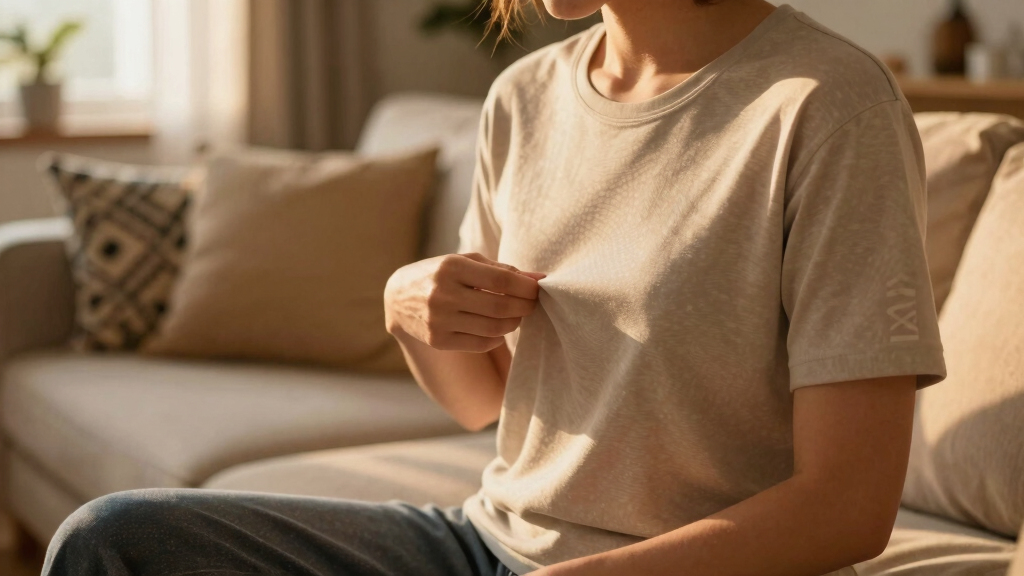
Adaptive clothing should feel calm from the first touch: soft fabrics, flat construction, tagless labels, and closures that make dressing easier. The best choices reduce sensory friction while protecting independence, confidence, and personal style.
Soft cotton, bamboo, hypoallergenic, or sensory-friendly textiles.
Rough seams, scratchy tags, stiff waistbands, and abrasive trims.
Magnetic closures, Velcro, elastic waists, and large buttons.
Style preferences matter because willingness to wear matters.
The sensory-first checklist
For sensory-sensitive wearers, small details can decide whether clothing feels calming or unbearable. Use these six checks before buying, trying, or recommending an adaptive garment.
Soft and breathable
Cotton, bamboo, and hypoallergenic blends reduce irritation while helping skin stay cool and dry.
Flat or seamless
Flat seams, smooth edges, and tagless labels minimize chafing during long periods of wear.
Easy to control
Magnets, Velcro, elastic waistbands, and larger buttons lower fine-motor effort and frustration.
Personally acceptable
Color, cut, pattern, and gender expression should match the wearer’s taste, not just the caregiver’s checklist.
Layer-ready
Lightweight base layers and warm, low-bulk options help prevent overheating or sudden chill.
Washable and durable
Machine-washable pieces protect sensory-friendly texture through repeated wear and cleaning.
What to choose, test, or avoid
The right garment balances comfort, independence, appearance, and care. This table turns common shopping claims into practical sensory checks.
| Feature | Sensory Benefit | Best Choice | Watchout | Fit Score |
|---|---|---|---|---|
| Cotton or bamboo | Soft, breathable, less abrasive | ✓ High-quality washable fabric | May wear faster if thin | Strong |
| Flat seams | Reduces chafing and distraction | ✓ Seamless or flatlock construction | Check inside seams, not just outside | Strong |
| Printed labels | Removes scratchy tag irritation | ✓ Heat-pressed or printed tags | Adhesive labels can still bother some skin | Strong |
| Magnetic closures | Supports independence and speed | ✓ Hidden magnets or easy snaps | Confirm medical-device safety where relevant | Situational |
| Stiff denim or wool | Often durable but tactilely intense | ✗ Avoid for high sensitivity | Can trigger itching, heat, or pressure | Low |
A calmer path from drawer to day
A sensory-friendly outfit works as a connected system: material, construction, fasteners, temperature, and personal preference all reinforce each other.
Touch Test
Let the wearer feel fabric before committing to the garment.
Inside Check
Inspect seams, labels, waistbands, cuffs, and hidden edges.
Closure Trial
Test magnets, Velcro, buttons, or elastic during real dressing.
Heat Scan
Choose breathable layers that can adapt through the day.
Style Consent
Keep the wearer involved so comfort also feels like identity.
Temperature regulation matters
Sensory discomfort is not only tactile. Overheating, chill, sweat, and bulky layers can all create distress. Natural fibers, moisture-wicking textiles, and flexible layering help clothing stay comfortable across school, work, therapy, errands, and rest.
Comfort spectrum for daily wear
Innovation is making adaptive clothing easier to love
The adaptive market is expanding as brands collaborate with occupational therapists, neurodivergent wearers, and caregivers to build clothing that is functional without looking clinical.
Hypoallergenic and antimicrobial textiles
Newer fabrics reduce irritation risk, manage moisture, and help clothes stay fresher through repeated use.
Magnetic closures replace tricky zippers
Low-effort closures can reduce frustration for people with fine-motor challenges or tactile aversion.
Adjustable fits support changing needs
Elastic zones, adjustable hems, and flexible waistbands help garments stay comfortable longer.
Non-toxic materials are gaining ground
Eco-friendly textiles can support sensitive skin while aligning with broader health and sustainability goals.
From sensory trigger to confident routine
The goal is not simply buying “adaptive” clothing. The goal is a repeatable dressing experience that lowers sensory overload and increases autonomy.
What fabrics are best?
Soft natural fibers like cotton and bamboo are strong first choices. Look for hypoallergenic, breathable, or sensory-friendly labels.
How do I spot sensory-friendly clothing?
Check for seamless construction, flat seams, printed labels, soft fabric, elastic comfort zones, and easy closures.
Can adaptive clothing be stylish?
Yes. Many brands now offer adaptive options in modern cuts, vibrant colors, gender-neutral basics, and trend-aware patterns.
Why Fabric Choice Matters for Sensory Comfort
Soft, natural fabrics like cotton and bamboo are your best friends. They feel smooth against the skin, breathe well, and reduce irritation. For individuals with sensory sensitivities, uncomfortable fabrics can lead to heightened distress, anxiety, or even avoidance of dressing altogether. Choosing the right fabric isn’t just about comfort; it directly impacts emotional well-being and the ability to participate confidently in daily routines. Hypoallergenic textiles further reduce the risk of skin reactions, which can be a significant barrier to independence. The tradeoff often involves balancing durability with softness—some natural fabrics may wear faster but offer superior comfort, so selecting high-quality, machine-washable options can mitigate this concern. Recognizing the importance of fabric choice helps caregivers and individuals make informed decisions that promote comfort, reduce sensory overload, and foster a positive dressing experience.
sensory-friendly adaptive clothing for adults
As an affiliate, we earn on qualifying purchases.
As an affiliate, we earn on qualifying purchases.
How Seamless and Tagless Design Eases Sensory Overload
- Seek clothes with flat seams or no seams at all. These eliminate the rough edges that can irritate sensitive skin and cause discomfort over time, especially during prolonged wear. Flat seams also reduce the risk of chafing, which can be distracting or painful, thereby allowing individuals to focus on their day rather than discomfort.
- Choose tagless shirts or those with printed labels. Tags often contain rough fibers or adhesives that can feel abrasive or cause itching, especially for individuals with heightened tactile sensitivities. Removing tags or opting for printed-on labels minimizes this tactile irritation, leading to a calmer dressing experience and reducing the likelihood of sensory overload triggered by tactile stimuli.
- Consider clothing with smooth, printed-on tags or heat-pressed labels for added comfort. These design features are not just about aesthetics—they directly influence how comfortable clothing feels throughout the day, which is crucial for individuals prone to sensory sensitivities. The goal is to create a seamless sensory experience that minimizes potential triggers, fostering independence and reducing morning stress.
magnetic closure adaptive shirts for sensory needs
As an affiliate, we earn on qualifying purchases.
As an affiliate, we earn on qualifying purchases.
Easy Closures That Empower Independence
Forget complicated zippers or tiny buttons. Magnetic closures, Velcro, and large, easy-to-grasp buttons are game changers because they reduce the fine motor demands of dressing. For individuals with motor challenges or tactile sensitivities, these fasteners can significantly decrease frustration and increase confidence. Magnetic closures, for example, allow for quick fastening with minimal effort, which is particularly beneficial for those with limited dexterity or sensory aversion to pinching or pulling. Velcro closures offer adjustable fit and are reusable, making them both practical and customizable. Large buttons, while traditional, can be easier to manipulate if designed with textured surfaces or spaced adequately apart. The tradeoff involves balancing aesthetics with functionality; some fasteners may look less sleek but provide superior ease of use. Selecting the right closure depends on individual needs—prioritizing ease of use can lead to greater independence and a more positive dressing experience, especially when sensory sensitivities are involved.
seamless tagless adaptive clothing for sensory sensitivities
As an affiliate, we earn on qualifying purchases.
As an affiliate, we earn on qualifying purchases.
Design and Style That Respect Personal Preferences
Comfort doesn’t mean sacrificing style. Many brands now offer adaptive clothing that looks fashionable and feels gentle. Think vibrant colors, playful patterns, or gender-neutral options that boost confidence.
For example, a young adult with sensory sensitivities might prefer a sleek, monochrome hoodie with soft fabric and no tags, matching their personal style. Involving the individual in choosing clothes ensures they feel good about what they wear, fostering independence and self-esteem.
hypoallergenic adaptive clothing for sensory processing
As an affiliate, we earn on qualifying purchases.
As an affiliate, we earn on qualifying purchases.
Stay Cool or Warm: Temperature-Regulating Choices
Comfort isn’t just about softness — it’s also about temperature. Sensory-sensitive individuals often overheat or get too cold without realizing it. Natural fibers like cotton and bamboo help keep temperatures in check, but understanding how to layer or select appropriate fabrics is key. For example, lightweight, breathable shirts can prevent overheating during active days, while thermal or fleece-lined options provide warmth without bulk, ensuring comfort in colder environments. The implications are clear: clothing that adapts to temperature fluctuations can prevent sensory overload caused by discomfort or thermal distress, thus supporting better emotional regulation and participation in daily activities. The tradeoff involves choosing versatile pieces that can be layered or adapted as needed, emphasizing the importance of understanding individual temperature sensitivities to optimize comfort and independence.
How Innovation Is Making Adaptive Clothing Better Than Ever
Recent advances are reshaping what adaptive clothing can do. Hypoallergenic, antimicrobial, and moisture-wicking fabrics make clothes gentler and more practical by reducing irritation and managing sweat or moisture that can exacerbate sensory discomfort. Magnetic fasteners are replacing tricky zippers, which often pose challenges for fine motor skills, and adjustable designs offer a tailored fit that accommodates growth or body changes. These innovations are not just about convenience—they can profoundly impact the wearer’s confidence and independence. For instance, clothing developed in collaboration with occupational therapists often incorporates features that minimize sensory overload while maintaining style, making daily dressing less stressful. Eco-friendly, non-toxic textiles are also gaining popularity, offering a safer, more sustainable choice that aligns with holistic well-being. These technological and design advancements are expanding options, allowing individuals with sensory needs to experience greater comfort, style, and autonomy in their daily routines.
Frequently Asked Questions
What fabrics are best for sensory-sensitive clothing?
Soft, natural fibers like cotton and bamboo top the list. They feel gentle against the skin, breathe well, and reduce irritation. Look for labels that specify hypoallergenic or sensory-friendly fabrics for the best results.
How can I tell if clothing is truly sensory-friendly?
Check for features like seamless or flat seams, tagless labels, soft fabrics, and easy-to-use closures like magnets or Velcro. Trying on clothes or reading reviews from others with sensory sensitivities can also help.
Are adaptive clothes more expensive than regular clothes?
They can be, but prices vary widely. Some affordable options exist, especially online. Investing in quality pieces often pays off by lasting longer and reducing dressing struggles.
Where can I buy adaptive clothing for sensory needs?
Many specialty brands and online retailers now carry adaptive lines, and some mainstream stores are expanding their offerings. Checking out dedicated adaptive clothing websites is a great start.
How do I choose clothing that my child or loved one will wear comfortably?
Involving them in the selection process — choosing colors, styles, and fabrics — increases the chances they’ll wear the clothes willingly. Comfort and personal preference are key.
Conclusion
Clothing that respects sensory needs transforms daily routines from stressful battles into moments of comfort and independence. When you choose pieces with soft fabrics, smart closures, and thoughtful design, you’re not just dressing — you’re empowering. Remember, comfort isn’t a luxury; it’s a right everyone deserves to feel every day.Halloween Picks
halloween
As an affiliate, we earn on qualifying purchases.