TL;DR

Get everyday helpers delivered free with Prime
- Fast, free delivery on millions of items
- Prime Video, Amazon Music and more included
- Member-only deals all year
Hearing amplifiers, also known as PSAPs, can boost sound clarity for students with mild hearing difficulties. Recent innovations like Bluetooth and noise reduction make them more effective and user-friendly, but proper selection and guidance are key.
Always tailor device choice to the student’s specific hearing needs and environment.
Recent tech advances like Bluetooth streaming and noise cancellation make amplifiers more effective and discreet.
Consult with audiologists for proper fitting and optimal use, especially for children.
School systems can enhance learning by integrating amplifiers with existing assistive listening technologies.
Hearing amplifiers are a helpful tool for mild hearing difficulties but do not replace professional medical devices for severe loss.
What Are Hearing Amplifiers and Why Do Students Need Them?
Hearing amplifiers are compact devices that boost environmental sounds, making speech clearer for the user. For students, especially those with mild hearing loss or in noisy classrooms, they can be a game-changer. Imagine a student struggling to catch the teacher’s words behind the hum of chatter; an amplifier can turn up the volume on that voice, cutting through the background noise.
These devices are often used as an alternative or supplement to traditional hearing aids when the hearing loss isn’t severe. For example, a student with slight difficulty hearing in crowded hallways or during group discussions might find an amplifier enough to stay engaged and confident.
Understanding why students need these devices goes beyond just improving sound. They enable students to participate more fully, reducing frustration and increasing confidence. When students can hear instructions clearly, their engagement and learning outcomes improve. Moreover, these devices can help prevent social withdrawal caused by communication struggles, fostering a more inclusive classroom environment. The tradeoff, however, is that they require proper fitting and adjustment to avoid amplifying background noise excessively, which could cause distraction rather than aid focus.
personal sound amplification device for students
As an affiliate, we earn on qualifying purchases.
As an affiliate, we earn on qualifying purchases.
How Do Hearing Amplifiers Actually Help Students in Class?
Hearing amplifiers work by amplifying sounds directly into your ear, making speech stand out from background noise. Think of them as a volume boost for your ears—imagine hearing your teacher’s voice clearly even when classmates are talking or if there’s a noisy air conditioner.
For instance, a student might use an amplifier during a science lesson where the teacher is at the front, and the room is filled with students chatting. With the device, the classroom’s chaos fades into the background, and the teacher’s instructions come through crisp and loud.
However, the true benefit goes beyond just making sounds louder. These devices help students focus their auditory attention, which is especially crucial in noisy environments where the brain has to filter out irrelevant sounds. Without proper management, though, amplification can sometimes make background noise just as loud as the target sound, potentially overwhelming the student. This highlights the importance of features like directional microphones and noise reduction—these technologies help balance amplification, ensuring that the student hears what they need without being bombarded by distractions. The implication is that the effectiveness of these devices depends heavily on their ability to enhance relevant sounds while minimizing irrelevant ones, directly impacting the student’s ability to learn and participate.
Bluetooth hearing amplifier for classroom
As an affiliate, we earn on qualifying purchases.
As an affiliate, we earn on qualifying purchases.
Which Features Make Hearing Amplifiers Perfect for Students?
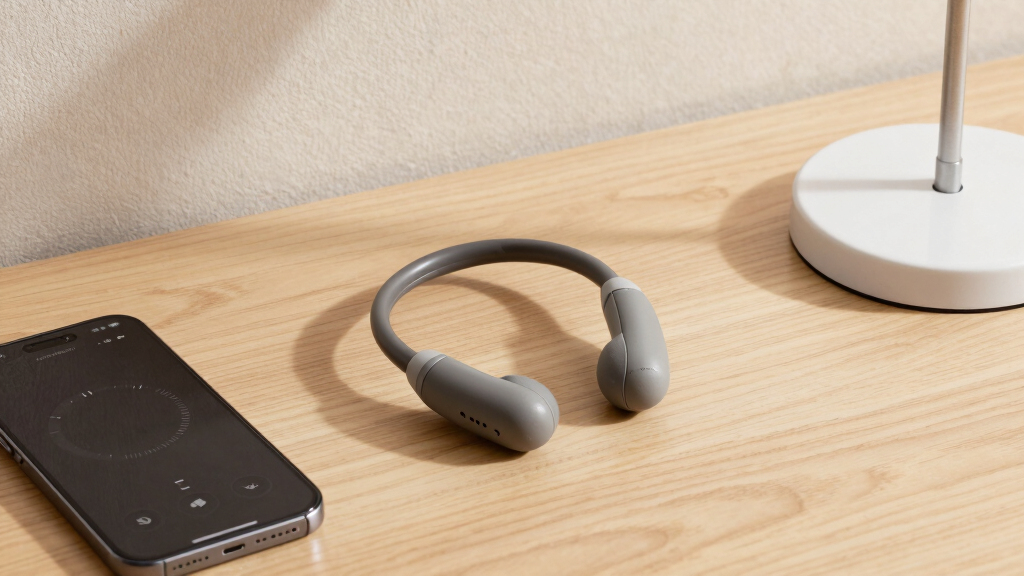
Not all amplifiers are created equal. Look for adjustable volume controls—so students can set the sound to their comfort level. Directional microphones help focus on the teacher’s voice, filtering out side chatter. Noise reduction features can cut down on distracting sounds, making listening less tiring.
For example, a student might prefer a device with Bluetooth connectivity to stream audio directly from a tablet or classroom microphone system. Some models include discreet designs, so students feel less self-conscious while wearing them.
Beyond basic features, understanding why these options matter enhances their utility. Adjustable volume controls are crucial because each student’s hearing profile and comfort vary; too loud can cause discomfort, while too soft reduces effectiveness. Directional microphones are beneficial because they help the device focus on sounds directly in front, like a teacher’s voice, reducing the impact of side noise. Noise reduction technology isn’t just about comfort; it’s about enabling students to concentrate without fatigue or frustration. Discreet designs matter because they influence social acceptance and confidence. When students feel comfortable and confident in their devices, they are more likely to use them consistently, which directly impacts their learning outcomes.
noise cancelling hearing amplifier for kids
As an affiliate, we earn on qualifying purchases.
As an affiliate, we earn on qualifying purchases.
Which Types of Hearing Amplifiers Suit Different Student Needs?
Hearing amplifiers come in various forms. Basic models are simple and affordable—great for mild hearing difficulties. More advanced devices include multiple channels to customize sound, Bluetooth for streaming, and noise filters for noisy environments.
For example, a student who often uses a tablet for classes might opt for an amplifier with Bluetooth. Conversely, a younger student needing something straightforward might choose a basic model that just turns up the volume.
Choosing the right type involves understanding the student’s specific listening environment and comfort. Basic models are less complex and more affordable, making them suitable for short-term or less severe needs. Advanced models, with multiple channels and connectivity features, offer greater customization but may require more training to use effectively. The tradeoff is that more sophisticated devices tend to be more expensive and may require professional fitting and ongoing adjustments. The key is matching the device’s capabilities with the student’s daily needs and their ability to manage the technology, ensuring they get the most benefit without unnecessary complexity or cost.
discreet hearing amplifier for students
As an affiliate, we earn on qualifying purchases.
As an affiliate, we earn on qualifying purchases.
What Are the Latest Tech Breakthroughs in Hearing Amplifiers?
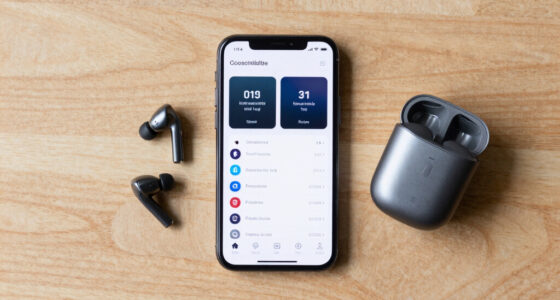
Recent tech innovations make these devices smarter and more discreet. Bluetooth integration allows students to stream audio directly from their devices, reducing the need for loudspeaker-like amplification. Noise reduction and feedback cancellation improve clarity, even in lively classrooms.
Miniaturization also means smaller, more discreet devices—perfect for students worried about appearance. For instance, some models resemble tiny earbuds, barely noticeable when worn.
These technological advances are significant because they directly address common frustrations with older devices, such as bulkiness and poor sound quality. Bluetooth streaming eliminates the need for cumbersome wires or external microphones, making devices more user-friendly and less stigmatizing. Noise reduction and feedback cancellation are crucial as they help maintain sound clarity in dynamic environments, which otherwise could cause fatigue or miscommunication. The tradeoff with miniaturization is that smaller devices may have shorter battery life or fewer features, but the overall benefit is a more natural and confident user experience. These breakthroughs collectively make hearing amplifiers more accessible, effective, and appealing for students, ultimately supporting better educational engagement.
How to Pick the Best Hearing Amplifier for a Student? 5 Practical Tips
- Assess the student’s specific needs: Mild hearing loss? Noise sensitivity? Communication environment? Understanding these factors helps determine which features are essential and which can be optional, ensuring the device effectively supports the student’s unique challenges.
- Consult with an audiologist: Professional guidance ensures the device matches their hearing profile and that the student receives proper fitting and instruction. This step minimizes the risk of misuse or ineffective amplification, which could lead to frustration or further hearing issues.
- Prioritize ease of use: Simple controls, clear instructions, and comfort matter. A complex device may discourage consistent use, negating potential benefits. Training and ongoing support can help, but initial ease of operation is critical for success.
- Consider compatibility: Bluetooth features or assistive listening systems used in classrooms can help integrate the device into daily routines. Compatibility ensures seamless use across different environments, maximizing the device’s utility.
- Set a realistic budget: Devices range from $50 to over $300; find a balance between features and affordability. Remember, investing in a quality device that fits the student’s needs can prevent costly replacements or upgrades later, and supports better learning outcomes.
How Do Schools and Parents Support Hearing-Improved Learning?
Many schools now have assistive listening systems, like FM or induction loop systems, compatible with hearing amplifiers. Parents should work with teachers and audiologists to ensure the device is properly integrated into daily learning.
For example, a parent might collaborate with the school to set up a microphone or transmitter that streams directly into the amplifier, making sure the student catches every word.
Supporting hearing-impaired students involves not just providing devices but also fostering an environment where their use is encouraged and understood. Teachers can be trained to recognize the importance of these tools and to adapt their teaching methods accordingly. Additionally, ongoing communication between parents, teachers, and audiologists helps troubleshoot issues, adjust settings, and ensure the device continues to meet the student’s evolving needs. The implication is that a collaborative approach maximizes the benefits, ensuring the student’s learning experience is truly enhanced, and the devices are used effectively as part of a comprehensive support system.
What Are the Limitations and When Not to Use Hearing Amplifiers?
Hearing amplifiers aren’t a cure-all. They can amplify background noise, making concentration harder for some students. They’re also ineffective for moderate or severe hearing loss, where professional-grade hearing aids are needed.
For example, a student might find their amplifier amplifies noisy cafeteria sounds so much that it becomes overwhelming, reducing its usefulness. In such cases, relying solely on amplification without addressing the underlying hearing loss can lead to frustration and diminished academic performance. Recognizing these limitations emphasizes the importance of consulting healthcare professionals for appropriate diagnosis and treatment options. It also highlights that amplification devices are best viewed as supplementary tools rather than comprehensive solutions for significant hearing impairments. Proper understanding of when and how to use these devices ensures they serve as effective aids without creating additional challenges.
Key Takeaways for Parents and Educators
- Choose devices with adjustable settings to match individual needs.
- Consult professionals for proper fitting and guidance.
- Look for recent tech features like Bluetooth and noise reduction for better experience.
- Support classroom integration with assistive listening systems and teacher cooperation.
- Remember: These devices help, but aren’t substitutes for medical treatment when necessary.
Frequently Asked Questions
Are hearing amplifiers safe for everyday use?
Yes, when used at appropriate volume levels. Always follow the manufacturer’s guidelines to prevent hearing damage, and consult an audiologist if unsure.Can a student use a hearing amplifier during exams?
Absolutely, as long as the device is permitted by the school. Amplifiers can help students hear instructions more clearly, reducing exam anxiety caused by communication issues.How long do hearing amplifiers last?
Most devices have a lifespan of 2-5 years with proper care. Regular cleaning and battery replacement are key to maintaining performance.Are there any downsides to using hearing amplifiers in class?
Some models can amplify background noise, and prolonged use at high volumes might cause discomfort. Choosing the right device and adjusting settings can minimize these issues.Will using a hearing amplifier make a student stand out?
Modern designs are quite discreet, resembling tiny earbuds. Plus, many students find that the benefits in clarity outweigh any concerns about appearance.Conclusion
A hearing amplifier can turn a noisy classroom into a clear stage for learning. When chosen and used wisely, these devices empower students to participate fully and confidently. Think of them as a simple, reliable way to give every student a louder voice in their education—and a clearer path to success.Fall Picks
fall essentials
As an affiliate, we earn on qualifying purchases.