
TL;DR

Get everyday helpers delivered free with Prime
- Fast, free delivery on millions of items
- Prime Video, Amazon Music and more included
- Member-only deals all year
Selecting the proper wheelchair cushions and backrests is key to comfort and preventing pressure sores. Advances in materials and customization options make tailored seating solutions more accessible than ever.
Seating in a wheelchair isn’t just about sitting — it’s about safety, comfort, and health. The right cushions and backrests can make a world of difference, especially during long hours of use. Yet, with so many options out there, knowing where to start can feel overwhelming.
This guide breaks down what you need to know about selecting, customizing, and maintaining wheelchair cushions and backrests. Whether you’re new to wheelchair use or looking to improve your current setup, you’ll find practical tips and insights to help you make the best choices for your needs.
Choosing the right cushion type depends on your health needs, lifestyle, and comfort preferences.
Proper measurements and fitting are essential for effective support and injury prevention.
Innovations like pressure mapping and smart tech are making seating safer and more personalized.
Regular maintenance and timely replacement keep your seating setup supportive and hygienic.
Supportive seating isn’t just comfort—it’s a key part of health and independence.
What makes a wheelchair cushion or backrest truly supportive?
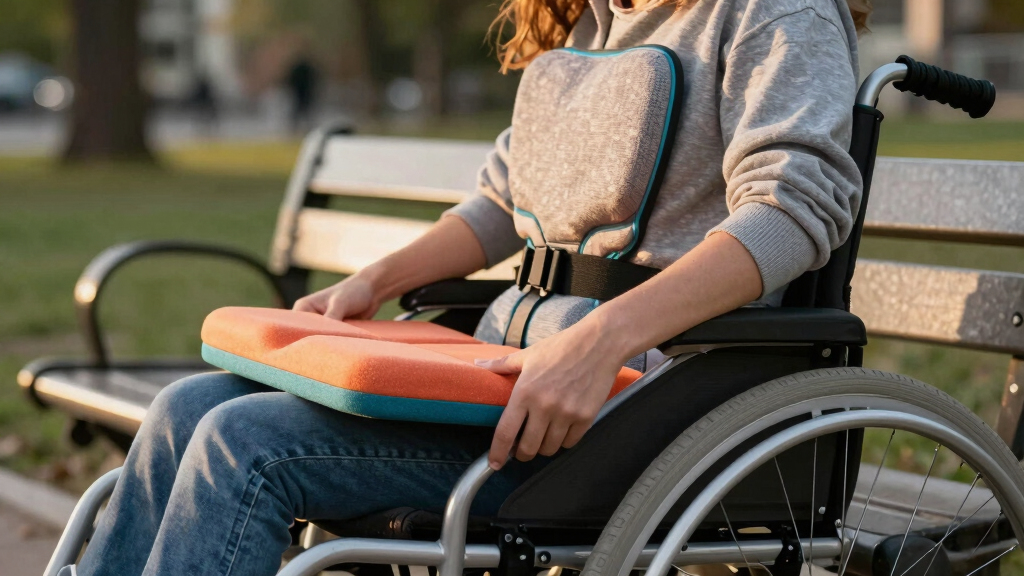
Supportive cushions and backrests evenly distribute pressure and align your spine. Imagine sitting on a soft, supportive cloud that molds to your body—this is what quality seating aims to achieve. Think of a well-designed cushion as a gentle hug that keeps your muscles relaxed and your bones aligned.
For example, a cushion with proper pressure distribution can reduce the risk of sores that develop within hours of prolonged sitting. A good backrest supports your natural spinal curves, preventing slouching and reducing fatigue.
In short, support isn’t just comfort—it’s about health and safety. When your seating system fits well and supports your posture, you’re less likely to experience pain or complications over time.
wheelchair pressure relief cushion
As an affiliate, we earn on qualifying purchases.
As an affiliate, we earn on qualifying purchases.
Which wheelchair cushion type suits your lifestyle?
Choosing the right cushion depends on your daily routine, health needs, and comfort preferences. Here’s a quick comparison:
| Type | Best For | Pros | Cons |
|---|---|---|---|
| Foam | Short-term use, lightweight needs | Affordable, lightweight, simple | Less pressure relief, wears out faster |
| Gel | Pressure sore prevention, comfort | Good pressure distribution, cooling | Heavier, more expensive |
| Air | Long-term support, adjustable needs | Customizable, excellent pressure relief | Higher maintenance, costly |
| Hybrid | Versatile support, tailored comfort | Combines benefits, adaptable | Complex, pricier |
Understanding these differences matters because each type has distinct tradeoffs that affect daily comfort, skin health, and mobility. For instance, foam cushions are lightweight and affordable but may lose their supportive shape quickly, making them less suitable for long-term pressure relief. Gel cushions, offering better pressure distribution, often come with increased weight and cost, which can impact portability and budget. Air cushions provide customizable support but require regular maintenance to prevent leaks and ensure consistent support. Hybrid options aim to balance these factors, but their complexity might require more user involvement. Recognizing these nuances helps you select a cushion that aligns with your specific health needs, lifestyle, and priorities, ultimately reducing discomfort and health risks over time.
As an affiliate, we earn on qualifying purchases.
How to measure and fit your wheelchair cushion and backrest
Getting the right fit is essential. An ill-fitting cushion or backrest can cause discomfort or even health issues. Here’s a step-by-step guide:
- Measure your seat width and depth. Use a soft tape to get the widest part of your hips and the length from your back to your knees.
- Choose a cushion that matches these measurements, leaving a small margin for comfort. Proper fit ensures even pressure distribution, reducing the risk of pressure sores and postural issues.
- For backrests, measure your spinal curve and shoulder width. A well-fitted backrest supports your natural spinal alignment, preventing slouching and fatigue.
- Test the cushion and backrest in your wheelchair, ensuring they don’t shift and support your posture naturally. Properly fitted supports can prevent secondary issues like muscle strain or skin breakdown.
- Seek professional advice if you’re unsure—many suppliers offer custom fitting for optimal support. Customized fittings can address unique body shapes or specific health concerns, enhancing overall comfort and safety.
For example, a person with a wider pelvis might need a cushion that covers more surface area to prevent sliding and pressure points. Accurate measurements and proper fitting are crucial because they directly influence your comfort, skin integrity, and ability to maintain a healthy posture during prolonged sitting.
As an affiliate, we earn on qualifying purchases.
Latest innovations that make cushions smarter and more supportive
New tech is transforming wheelchair seating. Imagine cushions that ‘know’ where pressure builds up and send alerts—no more guesswork. Recent innovations include:
- Memory foam with breathable fabrics that mold to your body while keeping you cool, reducing sweat and skin irritation, which are common precursors to pressure sores.
- Pressure mapping sensors embedded in cushions that identify high-pressure spots, helping prevent sores before they develop. This proactive approach can significantly improve skin health and comfort during long periods of sitting.
- Modular and adjustable designs that adapt as your needs change—think of a cushion that grows with you or can be reconfigured for different activities, providing consistent support over time.
- Smart cushions with Bluetooth connectivity that monitor sitting time and pressure distribution, alerting you or caregivers when adjustments are needed. This technology helps maintain optimal support, especially for those with limited sensation or mobility, reducing the risk of unnoticed pressure buildup.
For example, a smart cushion might beep softly if it detects prolonged high pressure on a specific area, prompting a shift in position. These innovations are more than just gadgets—they’re tools that empower users to take control of their health, ensuring better skin integrity and comfort over long periods. They also facilitate early intervention, potentially preventing costly and painful complications.
adjustable wheelchair seat cushion
As an affiliate, we earn on qualifying purchases.
As an affiliate, we earn on qualifying purchases.
How to maintain and replace your cushions and backrests
Proper maintenance extends the life of your seating supports and keeps them effective. Here’s what you should do:
- Regularly clean cushions and backrests according to manufacturer instructions—most can be wiped with mild soap and water. Proper cleaning prevents bacteria buildup that can cause skin irritation or infections.
- Inspect for wear and tear—cracks, flattening, or fabric damage mean it’s time for a replacement. Recognizing early signs of deterioration ensures ongoing support and skin protection.
- Check for loss of support—if your cushion feels less cushy or your backrest no longer supports your spine, consider replacing it. Diminished support can lead to postural problems and increased pressure risks.
- Keep an eye on hygiene—moisture and dirt can lead to mold or skin irritation. Use breathable covers and wash them frequently. Maintaining cleanliness is vital for skin health, especially for users with limited sensation who may not notice early signs of skin issues.
- Follow manufacturer recommendations for lifespan—most cushions last between 1-3 years depending on use and material. Regular replacement prevents support degradation and potential health complications.
For example, a gel cushion used daily might need replacing after 2 years to maintain pressure relief and prevent deterioration. Regular checks and timely replacements are crucial for preserving skin integrity, preventing discomfort, and ensuring long-term support that adapts to changing needs.
Frequently Asked Questions
How do I know if my cushion or backrest needs replacing?
If your cushion feels less supportive, shows visible signs of wear, or you notice increased discomfort or skin irritation, it’s time for a replacement. Regular inspections—every 6 months—help catch issues early and maintain optimal support.
Can I customize my wheelchair cushion to fit my body perfectly?
Yes, many cushions and backrests are customizable or adjustable. Professional fitting and custom-made options ensure your seating aligns with your body’s unique shape, reducing pressure points and improving comfort.
Are smart cushions worth the investment?
Smart cushions can offer significant benefits, especially for long-term users or those at risk of pressure sores. They provide real-time pressure monitoring and alerts, helping you adjust before issues develop. Consider your needs and budget when evaluating their value.
How often should I clean my wheelchair cushions?
Most cushions can be wiped with a damp cloth regularly. Wash covers weekly or as recommended—keeping them clean reduces bacteria and skin irritation. Check manufacturer instructions for specific cleaning tips.
What’s the typical cost for a good wheelchair cushion?
Prices vary widely depending on type and features, ranging from around $50 for basic foam cushions to over $300 for advanced gel or air models. Investing in quality supports your health and comfort long-term.
Conclusion
Your wheelchair support system is more than just a seat — it’s a foundation for your health and independence. Investing in the right cushions and backrests means better posture, less pain, and fewer worries about skin issues or discomfort. Remember, supports should adapt as your needs change, so stay vigilant and seek professional guidance when needed.
Imagine your seat as a steady, comforting hug that keeps you upright and safe—every day. That’s the power of choosing the right wheelchair cushions and backrests. Make informed choices, and your seated days will be more comfortable and secure than ever.
Columbus Day / Indigenous Peoples' Day Picks
long weekend sales
As an affiliate, we earn on qualifying purchases.