
TL;DR

Get everyday helpers delivered free with Prime
- Fast, free delivery on millions of items
- Prime Video, Amazon Music and more included
- Member-only deals all year
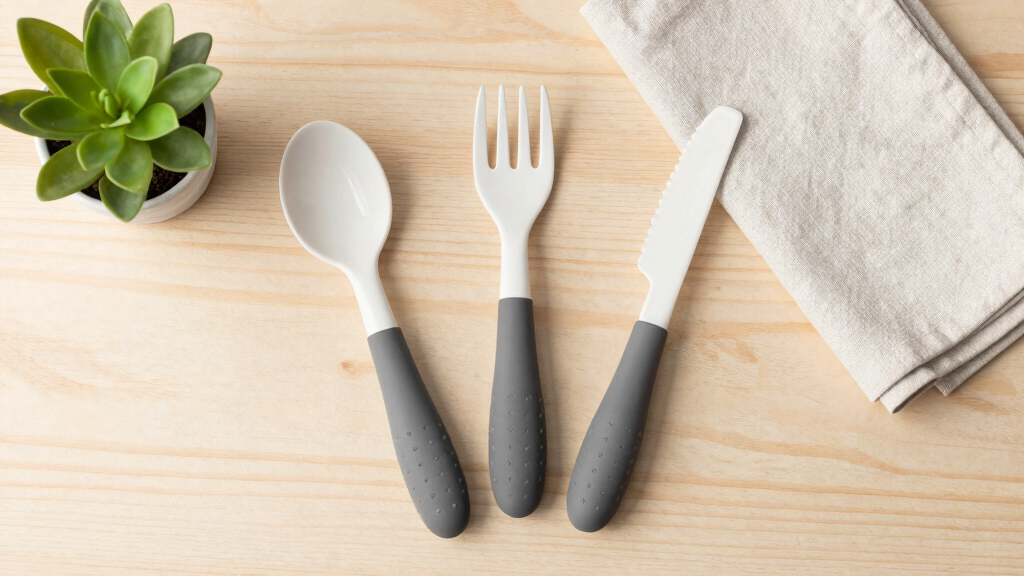
Easy-grip utensils are designed for comfort, safety, and better control. By understanding design features, materials, and recent trends, you can pick options that truly support independence in the kitchen and during meals.
How often do you struggle to hold a spoon or fork comfortably? For many, everyday utensils can feel like a challenge—especially for those with arthritis, tremors, or limited hand strength. Choosing the right easy-grip utensils isn’t just about comfort; it’s about reclaiming independence at mealtime.
This guide walks you through what makes a utensil truly easy to hold, the latest innovations, and how to pick options that fit your needs or those of loved ones. Let’s make every bite a little easier and a lot more confident.
Choose utensils with thick, textured, non-slip handles for better grip and control.
Prioritize lightweight, durable materials like silicone or high-quality plastic.
Select handle sizes that fit comfortably in your hand—around 1 to 1.5 inches in diameter.
Recent innovations include flexible, customizable, and smart utensils that adapt to your needs.
Simple DIY modifications can often turn regular utensils into easier-to-hold tools.
What Makes an Utensil Truly Easy to Grip?
Easy-grip utensils feature thick, contoured handles that fit comfortably in your hand. They often have textured or rubberized surfaces that prevent slipping, especially when hands are wet or sweaty. Imagine holding a spoon with a soft silicone handle that molds to your palm—no more squeezing tightly to keep it steady.
Look for handles that are lightweight yet sturdy. The right size should fill your hand without feeling bulky or too thin. For example, a senior with arthritis might prefer a handle that’s at least 1 inch thick, with a non-slip surface that offers control without extra effort.
Why this matters: Handles that are thick and textured distribute pressure more evenly across the hand, reducing fatigue and discomfort during prolonged use. This design minimizes the need for excessive grip strength, which can be a significant barrier for many users. The tradeoff is that excessively thick handles might feel cumbersome for some with smaller hands, so finding a balance is key. Properly designed handles also promote better control, decreasing accidental slips and spills, which enhances safety and independence at mealtime.
As an affiliate, we earn on qualifying purchases.
Choosing the Right Material for Comfort and Durability
Material choice impacts both comfort and longevity. Soft silicone or rubber handles provide a cushioned grip that reduces fatigue and minimizes hand strain, which is especially important for users with conditions like arthritis that cause pain or stiffness. Durable plastics or lightweight composites ensure the utensil remains sturdy over time without adding unnecessary weight that could tire the user. For example, a scoop made from BPA-free silicone resists stains and withstands dishwasher cleaning without cracking, maintaining its grip and safety over repeated uses.
Why this matters: Selecting the right material involves balancing comfort, safety, and maintenance. Soft, non-slip materials help distribute pressure evenly, reducing the effort needed to hold utensils securely—crucial for those with limited strength or dexterity. Additionally, choosing stain-resistant and dishwasher-safe materials simplifies cleaning, which is vital for hygiene and health, especially for immunocompromised individuals. The tradeoff is that softer materials might wear faster or be less rigid, so opting for high-quality, durable options ensures longevity without sacrificing comfort. Materials like medical-grade silicone or textured plastic also tend to be lightweight, reducing fatigue and supporting longer use, which is essential for fostering independence and reducing reliance on caregivers.
ergonomic non-slip handle utensils
As an affiliate, we earn on qualifying purchases.
As an affiliate, we earn on qualifying purchases.
How to Pick the Best Size and Weight for Your Needs
Size and weight significantly influence how easily a utensil can be used without causing fatigue. Handles that are too small or too heavy can require more effort and reduce precision, leading to frustration or even injury over time. Conversely, handles that are too large or too light may feel unwieldy or lack the control needed for accurate eating. For individuals with smaller hands or limited strength, choosing utensils with handles around 1 to 1.5 inches in diameter offers a comfortable grip that minimizes strain. For those with stronger grip capacity, slightly thinner handles might suffice, providing more dexterity without sacrificing comfort.
Why this matters: The proper size and weight of utensils directly impact safety, control, and confidence. Handles that are too heavy can cause fatigue, discouraging extended use and potentially leading to dropping or mishandling, which increases risk of injury or mess. Handles that are too small or thin can slip, especially if hands are wet or sweaty. Properly sized and lightweight utensils distribute weight evenly, making them easier to maneuver and reducing the physical effort needed. This promotes independence by enabling users to eat comfortably for longer periods without fatigue. The tradeoff involves balancing control with portability; overly large or heavy utensils may be cumbersome, while overly light or small ones may lack stability. Finding the right match supports a safer, more confident dining experience, encouraging continued use and independence.
As an affiliate, we earn on qualifying purchases.
Latest Trends and Innovations in Easy-Grip Utensils
Recent innovations focus on making utensils more adaptable and personalized, recognizing that one size does not fit all. Flexible, bendable handles allow users to customize the grip, reducing strain and accommodating various hand shapes and sizes. For example, a handle that can be bent or shaped to conform to an individual’s grip can significantly improve comfort and control, especially for those with limited dexterity or joint pain. Bright, customizable grips in fun colors or patterns not only assist with visibility but also boost engagement and motivation to use the utensils regularly.
Why this matters: These innovations acknowledge that comfort and usability are highly individual, and technology is enabling more tailored solutions. Bendable handles can be shaped to fit a user’s hand, distributing pressure more evenly and reducing strain on joints—especially beneficial for those with arthritis or joint issues. Customizable grips and vibrant colors can also help users identify their utensils easily, fostering independence and reducing confusion, particularly in multi-user environments. Emerging smart utensils with sensors are beginning to offer feedback on grip pressure, helping users develop better control and reduce fatigue. Although still in early stages, these innovations hint at a future where utensils can adapt dynamically to a user’s needs, providing real-time assistance. The tradeoff is that more complex features may increase cost or require maintenance, but they offer significant benefits in comfort and personalization, ultimately supporting a more autonomous and confident mealtime experience.
adaptive eating utensils for limited hand strength
As an affiliate, we earn on qualifying purchases.
As an affiliate, we earn on qualifying purchases.
Comparison Table: Which Features Matter Most?
| Feature | Why It Matters | Best For |
|---|---|---|
| Handle Thickness | Thicker handles are easier to grip, especially for weak or arthritic hands, providing increased surface area and reducing the need for tight squeezing that can cause pain or fatigue. | People with arthritis or tremors |
| Material | Soft, non-slip materials like silicone or textured plastics help distribute pressure evenly, minimize slipping, and reduce fatigue, which is vital for users with limited strength or dexterity. | All users, especially seniors |
| Size & Weight | Properly sized and lightweight utensils prevent unnecessary strain, enhance precision, and promote safety by reducing the risk of dropping or mishandling. | Children, elderly, those with limited strength |
| Flexibility | Flexible or bendable handles adapt to different hand shapes, making gripping easier and more comfortable, especially for those with joint pain or limited dexterity. | People with limited dexterity |
| Design & Colors | Bright, engaging designs can encourage use and boost confidence, particularly in children or neurodiverse users who benefit from visual cues and stimulating aesthetics. | Children, neurodiverse users |
Simple Tips to Make Your Existing Utensils Easier to Use
You don’t always need new utensils. Sometimes, a few quick modifications can make a significant difference in grip and control. Wrapping handles with silicone tubing or foam grip covers adds thickness and texture, making them easier to hold securely. These simple hacks can transform existing utensils into safer, more comfortable tools, especially for those with limited grip strength or joint pain.
Why this matters: These modifications are cost-effective and customizable, allowing users to adapt their current utensils to their specific needs. Thickening handles with silicone tubing or foam not only improves grip but also distributes pressure more evenly, reducing hand fatigue and increasing safety. These small changes can significantly enhance confidence and independence during meals. However, it’s important to consider the tradeoff: while these DIY solutions are inexpensive and easy to implement, they may not be as durable or precise as professionally designed ergonomic utensils, and they might require periodic replacement or adjustment to maintain effectiveness.
What to Watch Out for When Buying Easy-Grip Utensils
When shopping for easy-grip utensils, safety and comfort should be your highest priorities. Always check for features like rounded edges and textured, non-slip handles that prevent accidental slips or injuries. Avoid utensils that are excessively heavy or have sharp edges, as these can cause fatigue or harm during use. Materials should be BPA-free and dishwasher safe to ensure hygiene and reduce health risks, especially for those with sensitive skin or compromised immune systems.
Why this matters: Poorly designed utensils can pose safety hazards, such as sharp edges or overly heavy weights that increase the risk of injury or fatigue. Selecting utensils that meet safety standards like FDA approval ensures that you’re choosing products tested for durability and safety. Features like rounded edges and textured grips not only prevent accidents but also promote proper handling, which is crucial for maintaining independence. Being vigilant about these factors helps you avoid products that could cause discomfort or injury, thereby supporting sustained use and confidence in daily routines.
Frequently Asked Questions
What are the best utensils for people with arthritis?
Look for utensils with thick, cushioned handles made from soft, non-slip materials. Handles should be at least 1 inch thick for better grip. Always choose lightweight options to reduce strain during use. Brands designed for arthritis often have these features built-in.
How do I choose utensils that are easy to hold for elderly or children?
Pick utensils with handles that are appropriately sized—around 1 to 1.5 inches in diameter—and lightweight. Non-slip textures and soft grips help prevent slipping and reduce effort. Consider bright colors or fun designs to boost engagement for children.
Are there affordable options that still provide good grip and comfort?
Yes. Simple modifications like adding rubber or silicone covers to existing utensils are inexpensive. Many basic utensils with thick handles can be found at affordable prices, and DIY hacks can turn ordinary utensils into easier-to-use tools.
Can I modify regular utensils to make them easier to grip?
Absolutely. Wrapping handles with silicone tubing, attaching foam grips, or adding rubber bands can increase thickness and texture. These quick fixes are effective and budget-friendly, making everyday utensils more accessible.
What materials are safest and most durable for easy-grip utensils?
Look for BPA-free plastics, medical-grade silicone, and lightweight composites. These materials are resistant to staining, easy to clean, and gentle in your hand, ensuring both safety and longevity.
Conclusion
Getting the right easy-grip utensils can turn mealtime into a moment of independence, not frustration. Focus on handle size, material, and safety features—these are the keys to comfort and control.
Imagine a spoon that feels like an extension of your hand—confident, easy, effortless. Small changes can make a big difference. Start with what you already have, and see how simple tweaks can improve your daily life.
Evergreen bestsellers Picks
bestsellers
As an affiliate, we earn on qualifying purchases.