TL;DR

Get everyday helpers delivered free with Prime
- Fast, free delivery on millions of items
- Prime Video, Amazon Music and more included
- Member-only deals all year
Dressing aids help people with limited mobility or dexterity dress independently. Recent innovations in design, materials, and technology make these tools more effective and appealing, improving quality of life. Choosing the right aid depends on specific needs and clothing types.
Dressing aids like sock helpers, button hooks, and no-tie laces drastically reduce dressing time and effort.
Choosing the right aid depends on your specific dressing challenges and clothing types; professional guidance helps.
Recent innovations focus on ergonomic, lightweight, and smart designs that boost comfort and usability.
Safety and proper use are essential—regular checks and following instructions prevent injuries.
Incorporating dressing aids into your routine can restore independence and dignity, making mornings smoother.
Why Dressing Aids Boost Your Independence and Dignity
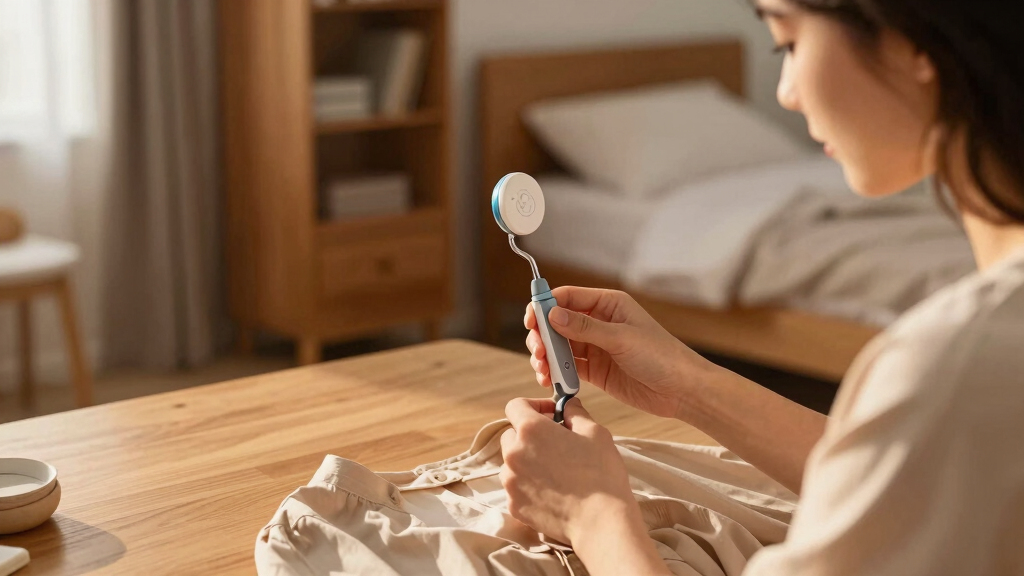
Dressing aids are devices created to help people with limited mobility, weak grip, or dexterity challenges dress themselves more easily and safely. They reduce frustration, cut down on falls, and keep your dignity intact. For example, a senior with arthritis might struggle with buttons—a button hook can turn that chore into a quick, effortless task. These aids aren’t just about convenience; they’re about reclaiming your independence and feeling confident each day.
As an affiliate, we earn on qualifying purchases.
Top 6 Dressing Aids That Make Dressing Easier
Here’s a breakdown of six common dressing aids and how they help you get dressed with less fuss:
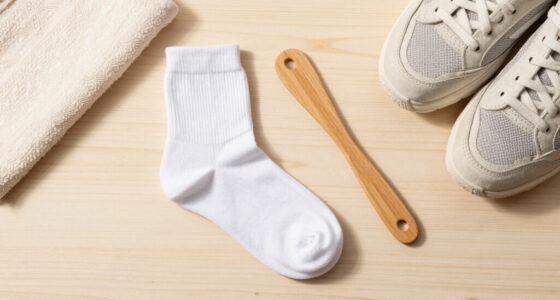
- Sock Aids: Curved plastic or fabric devices that hold your sock open, so you don’t need to bend over or struggle. They are particularly helpful for individuals with limited flexibility or back pain, as they reduce the need to reach or bend excessively. However, they may require some coordination to slide the foot in smoothly, so users should practice to master the technique.
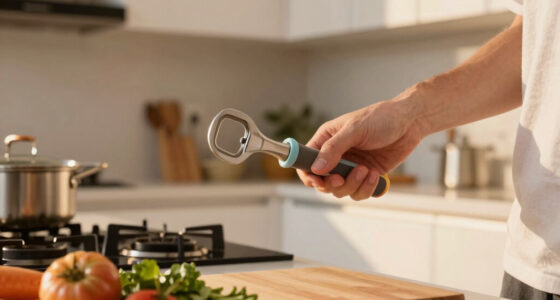
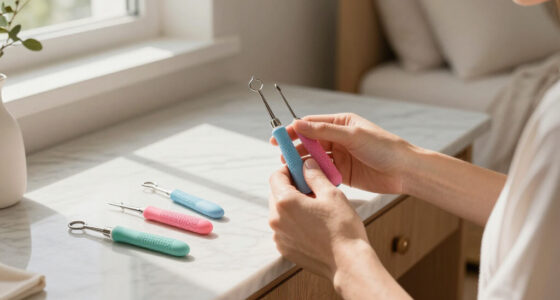
- Button Hooks: Long, hooked tools that grasp buttons, making it easier to fasten shirts or coats without pinching or fumbling. They are especially valuable for those with arthritis or reduced finger dexterity, but they can sometimes be less precise for very small buttons, leading to a tradeoff between ease and fine control.
- Zipper Pulls: Small devices that attach to zippers, providing a larger grip and simplifying zipping up your jacket or pants. They matter because zippers can be tricky for those with weak grip or limited finger strength, and these pulls make the task more manageable. Still, they may not fit all zipper types, so compatibility is a consideration.
- Reacher Graspers: Long tools with a gripping mechanism, helping you pick up clothing from the floor or reach high shelves without stretching or climbing. They are essential for reducing strain and preventing falls but may be cumbersome in tight spaces or for those with limited hand strength if the grip mechanism isn’t ergonomic.
- Velcro and Magnetic Closures: Replacements for traditional buttons or zippers, providing quick, secure fastening that’s easy to open and close. They promote independence by eliminating fine motor challenges but may not be suitable for all clothing styles or preferences, as some may find them less secure or less aesthetic.
- No-Tie Shoelaces: Elastic laces that turn your shoes into slip-ons, saving time and effort, especially for those with arthritis or limited finger strength. They can improve mobility and reduce frustration, but they might not provide the same level of support or fit as traditional laces, which can be a concern for high-performance activities or specific footwear needs.
As an affiliate, we earn on qualifying purchases.
How to Pick the Perfect Dressing Aid for Your Needs
Choosing the right dressing aid starts with understanding your specific challenges. Are you struggling with socks, buttons, or shoes? Do you have limited hand strength or trouble bending? Here’s a simple step-by-step process:
- Identify your main difficulty: Socks, shirts, shoes, or zippers. Recognizing the primary challenge helps target the most effective solutions.
- Assess your hand and arm strength: Do you need devices with larger grips or automated features? This evaluation ensures the aid provides sufficient support without causing fatigue.
- Match aids to clothing types: Sock aids for socks, button hooks for buttons, no-tie laces for shoes. Proper matching reduces frustration and increases independence.
- Try before you buy: Visit a medical supply store or borrow from a local charity to test how well a device works for you. Hands-on experience often reveals comfort and usability that descriptions can’t convey.
- Consult a professional: An occupational therapist can recommend the best options based on your needs, helping you avoid unnecessary purchases and ensuring safety.
As an affiliate, we earn on qualifying purchases.
Recent Innovations Making Dressing Aids Smarter and More Comfortable
New materials and clever design are changing how dressing aids look and feel. Lightweight, ergonomic handles fit comfortably in your hand—making use less tiring. Some devices now incorporate smart features, like automatic sock pullers that gently stretch and slide your foot in without effort. Modular designs let you customize aids to fit your clothing and personal preferences. Plus, modern styles blend seamlessly into your wardrobe, so dressing aids no longer look clinical—they look like everyday tools. These innovations matter because they directly impact user compliance and comfort, encouraging consistent use and reducing the stigma often associated with assistive devices.
As an affiliate, we earn on qualifying purchases.
Safety Tips for Using Dressing Aids Effectively
Using dressing aids safely is key to preventing falls or injuries. Always follow the manufacturer’s instructions. Start slow, especially if you’re new to a device. Keep the area clear of clutter—no slippery floors or loose rugs. Check your aids regularly for wear and tear. And if something doesn’t feel right, stop and reassess. For example, if your sock aid feels unstable, it’s better to switch to a different model than risk slipping or tripping. Incorporating safety checks and proper technique ensures that the benefits of dressing aids outweigh potential risks, fostering confidence and reducing accidents.
Making Dressing Aids Part of Your Daily Routine
Integrate these tools smoothly into your mornings. Place frequently used aids nearby—on your dresser or in a bedside drawer. Practice a few steps with each device to build confidence. Over time, using dressing aids can become second nature, turning what once felt like a struggle into a quick, routine task. For instance, a person with limited grip might start with a zipper pull and soon find zipping up jackets becomes a breeze. Establishing a consistent routine not only enhances independence but also reduces the mental effort involved in dressing, making mornings less stressful and more empowering.
Frequently Asked Questions
Can dressing aids help with all types of clothing?
Dressing aids work best with items like socks, shoes, shirts with buttons, and zippers. Some aids are versatile, but check if they suit your specific clothing for maximum benefit.Are dressing aids easy to learn and use?
Most are designed with simplicity in mind. With a little practice, many users find they become intuitive. Demonstrations or instructions from a professional can speed up the learning curve.How do I know which dressing aid is right for me?
Identify your main dressing challenges, assess your hand strength, and consider your clothing types. Consulting an occupational therapist can provide tailored recommendations.Are dressing aids covered by insurance?
Coverage varies depending on your provider and device. Some aids may be reimbursable if prescribed by a healthcare professional. Check with your insurance company for specifics.Where can I buy dressing aids?
You can find them at medical supply stores, pharmacies, online retailers, or through your healthcare provider. Trying aids in person can help find the best fit.Conclusion
A simple tool can turn a daily chore into a moment of independence. Dressing aids aren’t just gadgets—they’re gateways to dignity and confidence. Take the time to find what works for you, and watch your mornings become easier and more empowering.Columbus Day / Indigenous Peoples' Day Picks
long weekend sales
As an affiliate, we earn on qualifying purchases.