
TL;DR

Get everyday helpers delivered free with Prime
- Fast, free delivery on millions of items
- Prime Video, Amazon Music and more included
- Member-only deals all year
A reacher grabber extends your reach, making picking up objects easier. The best one fits your height, grip strength, and intended use, with recent models offering lightweight, multi-function options for greater convenience.
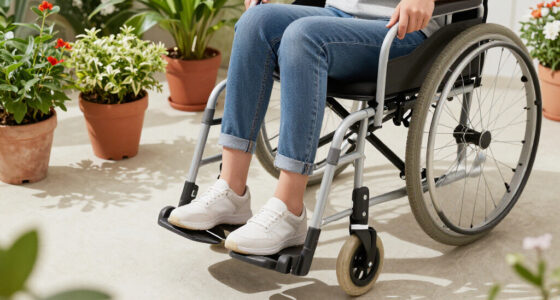
Ever reached for something just out of grasp and wished you had a helping hand? A reacher grabber tool turns that wish into a reality. Whether you’re dealing with limited mobility, recovering from injury, or just want to avoid bending and stretching—these tools are a game-changer.
But not all reacher grabbers are created equal. Picking the right one can feel overwhelming with so many options. This guide breaks down what to look for, recent tech improvements, and how to match a grabber to your unique needs—so you can grab with confidence and independence.
Choose a reacher grabber with a length that matches your typical tasks and height—24 inches for close items, up to 36 inches for high shelves.
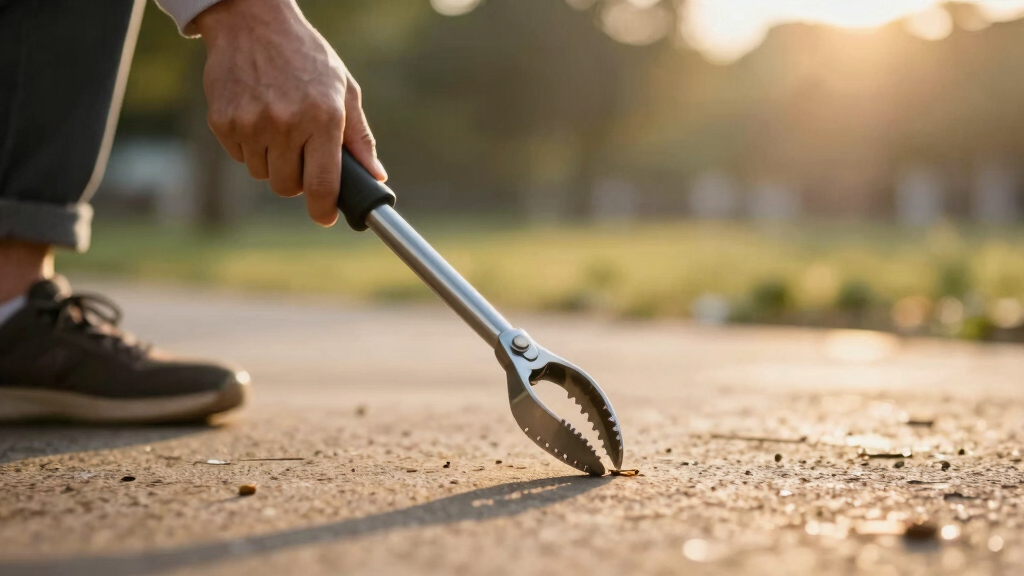
Opt for models with textured, rubberized claws and wide openings to securely grip a variety of objects, from delicate to heavy.
Prioritize ergonomic triggers and locking mechanisms to reduce hand fatigue and secure objects without constant pressure.
Select lightweight, rust-resistant materials like aluminum for durability and ease of use, especially outdoors.
Stay informed about recent tech features—like swiveling heads and magnets—that boost versatility and independence in daily tasks.
What Size Reacher Grabber Fits Your Needs Best?
The first thing to consider is length. Reachers typically range from 24 to 36 inches. The length you choose impacts both your comfort and safety. For instance, a shorter reacher offers greater control and precision, which is ideal for indoor tasks or for users with limited strength, but it might require you to get closer to the object, potentially risking overreach or imbalance. Conversely, longer reachers extend your reach but can sometimes compromise maneuverability, especially in tight spaces. The tradeoff is that longer tools can help prevent overextending your back or arms, reducing strain and injury risk, but they may be more cumbersome to handle for delicate tasks. Consider your typical environment—if you often need to reach high shelves or outdoor areas, a longer reacher could be more beneficial. If your tasks are mostly close-up or involve fine motor control, a shorter model might serve you better. Balancing length with ease of handling ensures safer, more comfortable use tailored to your specific needs.
As an affiliate, we earn on qualifying purchases.
Why Grip and Claw Design Matter for Picking Up Different Items
Grip quality isn’t just about holding objects securely; it directly influences safety, especially when dealing with fragile or heavy items. Rubberized or textured claws are designed to increase friction, which minimizes the risk of slipping—a critical feature when handling glass, ceramics, or small objects like jewelry. For example, a smooth claw might seem sufficient but can slip unexpectedly, leading to drops that cause breakage or injury. Textured claws, on the other hand, distribute pressure more evenly and grip better on a variety of surfaces, which is especially important when lifting heavier or irregularly shaped objects. The width of the claw opening also plays a crucial role; wider openings can accommodate bulkier items like a stack of magazines or a thick sweater, but may lack precision for small or delicate objects. Narrower claws excel at handling tiny or fragile items, reducing the risk of damage or dropping. Understanding these differences helps you select a grabber that aligns with your typical tasks. For instance, if you often pick up small metal parts or need to handle delicate items, a design with textured, narrow claws ensures better control and safety. Conversely, for heavier or bulkier objects, wider, textured claws provide a more secure grip, reducing effort and minimizing the risk of accidents. The right grip and claw design ultimately strike a balance between security, precision, and ease of use, empowering you to perform a wider range of tasks with confidence and safety.
ergonomic reacher grabber with locking mechanism
As an affiliate, we earn on qualifying purchases.
As an affiliate, we earn on qualifying purchases.
How to Pick a Reacher Grabber with the Right Trigger and Locking System
- Test the trigger. It should be smooth and easy to squeeze, especially if you have arthritis or limited hand strength. A stiff trigger can cause fatigue or make the tool difficult to operate over time, which can diminish your independence. An ergonomic trigger that requires minimal force reduces strain and allows for prolonged use without discomfort, encouraging consistent independence in daily tasks.
- Check for a locking mechanism. A good lock secures the object once grasped, freeing your hand and reducing the need to maintain continuous pressure. This feature is especially useful when handling heavier or awkwardly shaped items, or when you need both hands free for other tasks. However, locks that are too stiff or hard to engage can frustrate users, especially those with limited dexterity. The tradeoff lies in finding a lock that is secure yet easy to operate, ensuring safety without sacrificing ease of use. Properly functioning locks also prevent accidental drops, which can cause damage or injury, especially when working at heights or with fragile items.
- Try one-handed operation if possible. Many grabbers are designed for ease of use with one hand, but mechanisms that require two hands or complex maneuvers negate their convenience. A simple, intuitive trigger combined with a reliable lock mechanism enhances safety and usability, especially for users with limited dexterity or strength. This ensures that you can operate the grabber comfortably and confidently, reducing fatigue and promoting independence.
For example, an ergonomic trigger that requires minimal squeeze force reduces hand fatigue during extended use. A secure lock prevents items from slipping or falling during transport, which is essential for safety and efficiency. The right combination ensures you can operate the grabber comfortably and confidently, minimizing strain and maximizing independence.
lightweight aluminum reacher grabber
As an affiliate, we earn on qualifying purchases.
As an affiliate, we earn on qualifying purchases.
Frequently Asked Questions
What is the best reacher grabber for arthritis sufferers?
Look for models with ergonomic triggers, lightweight design, and easy-to-operate mechanisms. These features reduce strain and make grabbing effortless even with limited hand strength.
How do I choose the right length?
Match the reacher length to the objects you need to grab. Shorter for low or close items, longer for high shelves or hard-to-reach places. Think about your own height and typical tasks for best fit.
Are reacher grabbers suitable for outdoor use?
Yes, especially models made from weatherproof, rust-resistant materials. They’re handy for gardening, outdoor chores, or reaching into tricky spaces outside the house.
How should I maintain my reacher grabber?
Wipe it down with a damp cloth after use, check claws and triggers periodically for wear, and store in a dry spot. Proper maintenance extends the tool’s life and keeps it working smoothly.
Can I get a grabber with extra features like magnets or lights?
Absolutely. Multi-function models with built-in magnets or LED lights add versatility, helping you pick up small metal objects or see in dim areas—making everyday tasks easier and safer.
reacher grabber with textured rubber claws
As an affiliate, we earn on qualifying purchases.
As an affiliate, we earn on qualifying purchases.
Conclusion
Picking the right reacher grabber means understanding your specific needs—length, grip, and features matter. With recent innovations, these tools are more versatile and user-friendly than ever.
Remember: a well-chosen grabber can turn difficult reaches into simple, safe tasks. Grab one that fits your life, and enjoy a little more independence every day.
Fall Picks
fall essentials
As an affiliate, we earn on qualifying purchases.