
TL;DR

Get everyday helpers delivered free with Prime
- Fast, free delivery on millions of items
- Prime Video, Amazon Music and more included
- Member-only deals all year
Adaptive gardening tools for seated use make gardening accessible for people with limited mobility. They feature ergonomic designs, lightweight materials, and multi-functional options, helping users garden comfortably and safely. Choosing the right tools boosts independence and enjoyment.
Choose tools with ergonomic handles and lightweight materials to reduce fatigue.
Extended shafts and multi-functional designs make seated gardening easier and more efficient.
Recent innovations include smart sensors and modular tools that adapt to your needs.
Always test tools for comfort and safety before use to prevent strain or injury.
Modifying existing tools can be an affordable way to boost accessibility without buying new gear.
Adaptive Gardening Tools for Seated Use
Garden without bending, overreaching or unnecessary strain. Ergonomic grips, lightweight materials and longer shafts help people with limited mobility tend plants comfortably while seated—supporting greater independence, safety and enjoyment.
Five features that change the experience
The most useful adaptive tools reduce the effort required to grip, lift, reach and repeat a task. The ideal combination depends on hand strength, seated height, available reach and the garden’s layout.
Lightweight materials
Aluminum and quality composites reduce lifting effort while preserving strength. Check build quality because poorly manufactured lightweight tools may be less durable.
Ergonomic handles
Soft, non-slip and angled grips require less squeezing and help keep the wrist neutral. The handle should feel secure without creating pressure points.
Extended shafts
Extra reach limits bending and stretching. Adjustable lengths are especially useful because very long tools can become awkward in small or crowded beds.
Multi-functionality
Combined or interchangeable tools reduce storage, carrying and tool changes. Choose combinations that remain effective at each core task rather than adding unnecessary complexity.
Adjustability
Height settings and interchangeable parts tailor the tool to different bodies and jobs. Locking mechanisms should be sturdy, intuitive and easy to operate with limited hand strength.
Match the tool to the limitation
Start with the movement that causes the most difficulty. A specialized feature is valuable only when it directly solves a real grip, reach, strength or control challenge.
| Tool design | Best for | Primary benefit | Watch for | Useful tasks |
|---|---|---|---|---|
| Angled-handle trowel | Wrist pain or weak grip | ✓More neutral wrist position | Handle angle must suit the user | Planting, potting, light digging |
| Long-reach cultivator | Limited reach or flexibility | ✓Less bending and stretching | Can feel unwieldy in tight beds | Loosening soil, weeding, raking |
| Ratchet pruner | Limited hand strength | ✓Cut completed in smaller squeezes | Lock and release must be accessible | Flowers, stems, small branches |
| Modular handle system | Multiple tasks and small storage | ~One grip, several attachments | Connections must lock securely | Digging, raking, pruning, weeding |
| Battery-powered aid | Low strength or rapid fatigue | ✓Motor assists repetitive effort | Weight, charging and safety controls | Pruning and assisted digging |
Safety check: Test the grip, weight and balance from your actual seated position. Confirm that adjustable parts lock firmly and that blades, motors and release controls can be operated without overreaching.
Pick the right tool in four moves
Comfort is personal. A tool that looks accessible may still be too heavy, too long or poorly balanced for a specific chair, stool, hand size or garden bed.
Assess
Identify whether grip, wrist position, strength, reach or balance creates the main obstacle.
Match
Connect the limitation to a feature: angled grip, lighter weight, extra reach or powered assistance.
Test
Hold and move the tool from a seated position. Check security, comfort and maneuverability.
Verify
Inspect durability, rust resistance, locking parts, blade protection and safe storage.
Five-point comfort test
Grip: Can you hold it without squeezing hard?
Wrist: Does your hand remain in a neutral position?
Reach: Can you access the work without leaning?
Balance: Does the working end feel controlled?
Controls: Are locks and releases easy to operate?
Where to focus first
Adaptive tools are getting smarter
Recent developments focus on lower weight, better feedback, powered assistance and modularity—addressing fatigue, precision and the need to carry fewer tools.
Durable composites
Weather-resistant, lightweight structures improve control and help reduce fatigue during longer sessions.
Smart sensors
Moisture and planting-depth feedback can reduce guesswork and unnecessary repetitive checking.
Powered actions
Rechargeable pruners and digging aids reduce the force required for demanding or repeated movements.
Modular systems
One comfortable handle can accept trowel, rake, fork or pruner attachments, saving storage and carrying effort.
Five practical takeaways
The best adaptive setup is not necessarily the most expensive. It is the one that fits the user, the seated position and the gardening tasks safely and comfortably.
Choose ergonomic grips and low-weight materials to limit hand and arm fatigue.
Use extended or adjustable shafts to reduce bending and risky overreaching.
Consider modular, sensor-assisted or powered tools when they solve a specific need.
Test every tool from the intended seated position before regular use.
Adapt existing handles with safe grip padding or extensions when budgets are limited.
How Adaptive Gardening Tools Make Gardening Easier from Your Seat
Adaptive gardening tools are designed to fit your needs, not force you to adapt your body to the tool. Think of it like a friendly handshake—ergonomically shaped handles with soft grips that rest comfortably in your hand, reducing fatigue. For example, a lightweight trowel with an angled handle allows you to dig without twisting your wrist or bending over.
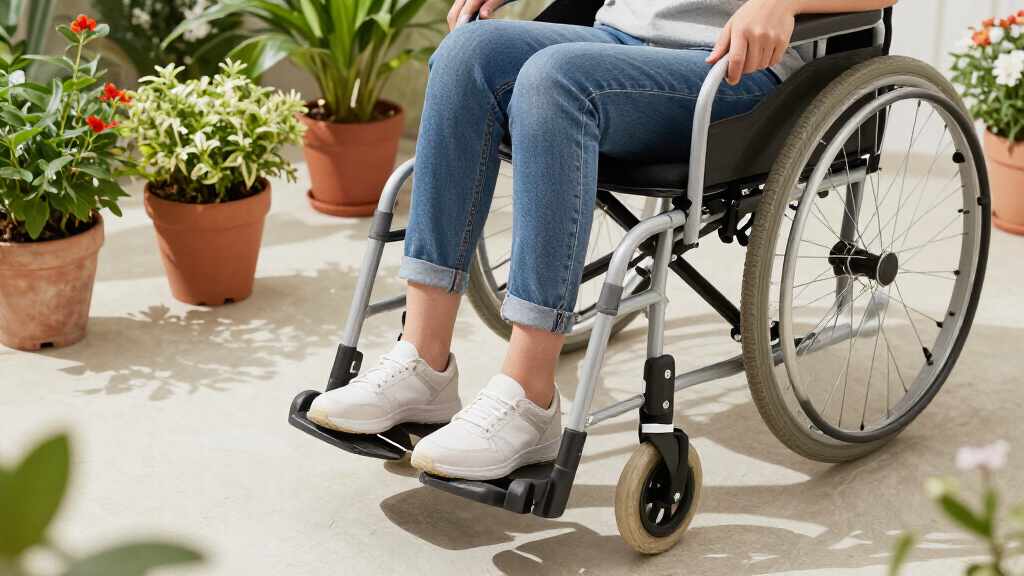
Many tools come with extended shafts, letting you reach plants or soil without kneeling or stretching. Imagine planting a flower bed while sitting on a garden stool—no backache, no strained muscles. These thoughtful features turn gardening from a chore into a relaxing activity.
Understanding how ergonomic design reduces physical strain is crucial because it directly impacts your comfort and safety. Handles that fit your grip reduce the effort needed to hold and manipulate tools, which is especially important during prolonged gardening sessions. Extended shafts prevent repetitive bending, lowering the risk of back pain or joint stress—tradeoffs include potentially increased tool length that might be less maneuverable in tight spaces, but the overall benefit is a more comfortable experience for seated users.
adaptive gardening tools for seated use
As an affiliate, we earn on qualifying purchases.
As an affiliate, we earn on qualifying purchases.
Top 5 Features to Look for in Adaptive Gardening Tools
- Lightweight Materials: Aluminum or composite plastics make tools easier to handle without sacrificing strength, which is essential because heavier tools can cause fatigue and reduce control, especially during extended use. The tradeoff is that some lightweight materials may be less durable if not properly manufactured, so choosing high-quality composites ensures longevity.
- Ergonomic Handles: Soft, non-slip grips that fit comfortably in your hand and reduce fatigue are vital for maintaining control and preventing strain. Proper handle design minimizes the effort needed to grip and maneuver, which is especially important for users with limited hand strength. The benefit is increased precision and less hand fatigue, but poorly designed handles can cause discomfort or blisters.
- Extended Shafts: Lengths that prevent bending or reaching, protecting your back and knees, are beneficial because they allow seated gardeners to work comfortably without risking strain or injury. The tradeoff might be that very long shafts can be unwieldy in small or crowded gardens, so selecting adjustable options provides flexibility.
- Multi-Functionality: Tools that combine functions, like a trowel with pruning shears, save space and effort by reducing the number of tools needed, which simplifies storage and handling. However, multi-functional tools may sometimes compromise on specialized performance, so choosing well-designed combinations ensures efficiency without sacrificing quality.
- Adjustability: Height-adjustable handles or interchangeable parts that customize the tool to your needs are crucial for tailoring tools to individual body sizes and limitations. This flexibility can significantly reduce strain, but adjustable mechanisms should be sturdy and easy to operate to prevent frustration or accidental adjustments.
ergonomic gardening tools with extended shafts
As an affiliate, we earn on qualifying purchases.
As an affiliate, we earn on qualifying purchases.
Innovations in Adaptive Gardening Tools You’ll Love
Recent advancements make gardening even easier. Imagine tools crafted from lightweight, durable composites that withstand weather and last for years. These materials reduce fatigue and make handling easier, especially for seated users who need lighter tools. Some tools now come with smart features—digital sensors that tell you when soil is dry or help you plant at precise depths, enhancing precision and reducing guesswork.
Motorized pruners or digging aids are becoming more common—powered by rechargeable batteries, they reduce effort and improve efficiency. Modular designs let you swap attachments, turning one tool into a multi-tasking powerhouse. For example, a single handle could connect to a trowel, rake, or pruner, saving space and money. These innovations address common challenges like fatigue, precision, and versatility, making gardening more accessible and enjoyable for seated gardeners.
lightweight gardening tools for limited mobility
As an affiliate, we earn on qualifying purchases.
As an affiliate, we earn on qualifying purchases.
How to Pick the Perfect Adaptive Tool for Your Garden
- Assess Your Needs: Do you struggle with grip, reach, or strength? Identifying your specific limitations helps target the right tools. For example, if wrist pain is an issue, look for tools with angled handles that reduce wrist strain. If reaching is limited, extended shafts can help you access distant plants without overextending or risking injury. Understanding your needs ensures you select tools that truly enhance your gardening experience.
- Match Features to Your Limitations: If wrist pain is common, look for tools with angled handles. For limited reach, opt for extended shafts. Matching features to your needs minimizes strain and maximizes comfort, but be aware that overly specialized tools may sacrifice versatility or ease of handling for certain tasks. Balancing these considerations ensures you get the most functional and comfortable tools for your gardening style.
- Test for Comfort: Hold the tool—does it feel secure? Is the handle comfortable to grip for extended periods? Testing helps you gauge whether the tool fits your hand and whether it’s easy to maneuver. Comfort directly influences how often and how effectively you garden, making this step crucial before purchasing.
- Consider Versatility and Budget: Modular tools or multi-function options can expand your capabilities while saving money. However, higher versatility might come with a higher price point or increased complexity. Evaluate your gardening needs and budget to find a balance that provides both functionality and affordability.
- Check Durability and Safety: Rust-resistant materials and safety-tested designs matter for longevity and confidence. Durable tools withstand the elements and frequent use, while safety features prevent accidents. Investing in quality tools reduces long-term costs and ensures safer gardening, especially important for seated users who rely heavily on dependable equipment.
multi-functional gardening tools for seniors
As an affiliate, we earn on qualifying purchases.
As an affiliate, we earn on qualifying purchases.
Comparison Table: Traditional vs. Adaptive Gardening Tools
| Feature | Traditional Tools |
|---|---|
| Handle Shape | Standard, straight handles |
| Material | Steel, wood |
| Weight | Heavier, less ergonomic |
| Reach | Limited, requires bending |
| Versatility | Single task per tool |
| Feature | Adaptive Tools |
|---|---|
| Handle Shape | Ergonomic, angled, or soft grips |
| Material | Lightweight composites, rust-resistant metals |
| Weight | Lightweight, easy to maneuver |
| Reach | Extended shafts for seated use |
| Versatility | Multi-functional, modular options |
Safety Tips for Using Adaptive Gardening Tools
Using adaptive tools correctly keeps you safe and makes gardening more enjoyable. Always check that handles are secure and free from cracks before use. When prying or digging, apply steady, controlled pressure—avoid sudden jerks that could cause slips or injuries.
If you’re using powered tools, follow the manufacturer’s safety instructions. Wear gloves with good grip, and keep your workspace clear of tripping hazards. Remember, a comfortable, well-maintained tool is safer and more effective.
Can I Modify My Existing Tools to Make Them More Accessible?
Yes, many existing tools can be adapted with simple modifications. For example, adding foam grips or replacing handles with ergonomic ones can improve comfort. Extending the handle length with a pipe or rod turns a standard trowel into a seated-friendly tool.
Some DIY enthusiasts attach rubber or silicone grips to improve slip resistance. If you’re unsure, consulting a specialist in adaptive tools or a local handyman can help customize your gear to your needs.
Frequently Asked Questions
What are the best adaptive gardening tools for someone with limited hand strength?
Look for tools with soft, ergonomic handles and lightweight materials. Multi-functional tools with easy-grip designs can help you work longer with less fatigue.How do I choose the right tools for seated gardening?
Assess your specific needs—reach, grip, strength—and try out different tools for comfort. Prioritize adjustable, lightweight, and multi-use options that fit your body and gardening style.Are there affordable options available?
Yes, many modifications can be DIY—adding grips or extending handles. Also, some companies offer budget-friendly adaptive tools designed for seated use without sacrificing quality.Can these tools be used for all types of gardening?
Most adaptive tools work well for flower beds, vegetable gardens, and container planting. Check tool specifications to ensure they suit your specific gardening tasks.What features should I look for in ergonomic gardening tools?
Prioritize handles with soft, non-slip grips, lightweight construction, adjustable length, and multi-functionality. These features help reduce strain and increase control.Conclusion
Adaptive gardening tools for seated use are a game-changer. They turn gardening from a physical challenge into a relaxing, rewarding activity. Picking the right tools means more independence, less pain, and a garden that’s as lively as your spirit.Columbus Day / Indigenous Peoples' Day Picks
long weekend sales
As an affiliate, we earn on qualifying purchases.