TL;DR
Prime for Young Adults — start your free trial
Fast free delivery, streaming and member deals for eligible 18–24 year olds.
Try it freeAs an affiliate, we earn on qualifying purchases.
Adaptive kitchen tools for one-handed cooking combine ergonomic design, innovative materials, and technology to promote safety and independence. Recent advances make these tools more accessible and customizable, helping you cook confidently with limited hand mobility.
Cooking with one hand might seem challenging — but it’s entirely doable with the right tools. Imagine peeling an apple, opening a jar, or slicing vegetables smoothly, all with one hand. That’s the power of adaptive kitchen tools, designed to turn a difficult task into a simple, safe experience.
Whether you’re recovering from an injury, managing a disability, or caring for someone, knowing which tools make a difference can transform your kitchen routine. In this guide, you’ll learn what makes these tools effective, recent innovations, and how to pick the right ones for your needs.
Choose tools with ergonomic grips and easy activation mechanisms to make cooking safer and more comfortable.
Recent innovations like electric openers and multi-functional devices save effort and reduce clutter.
Assess your specific needs and test tools before buying to ensure they fit your hand and task requirements.
Prioritize safety by inspecting tools regularly and handling blades or sharp edges carefully.
Adaptive tools are increasingly available and affordable, making independence in the kitchen more accessible than ever.
What makes adaptive kitchen tools for one-handed use truly effective?
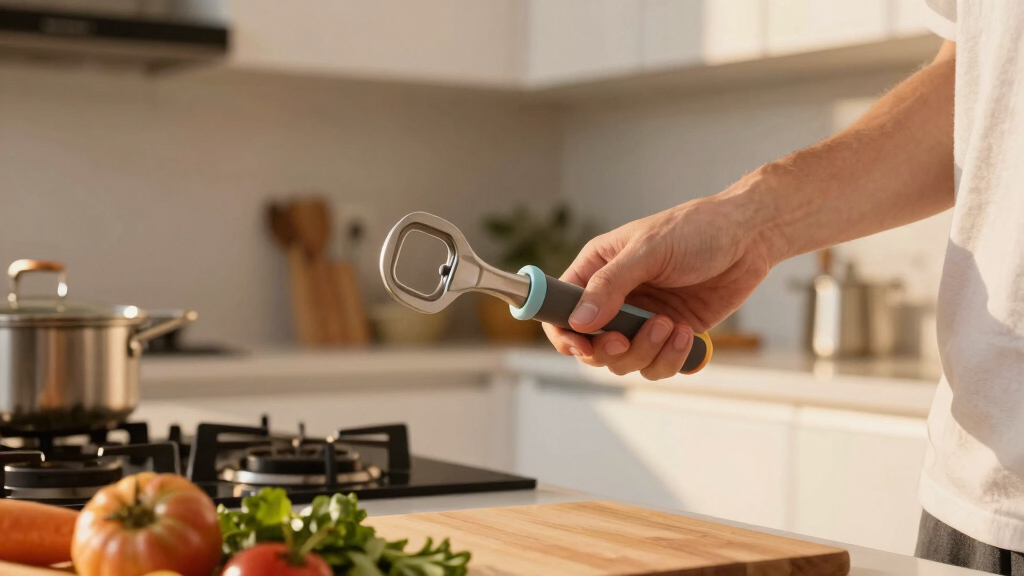
Adaptive kitchen tools are crafted with features that fit the needs of one-handed users—think ergonomic handles, easy-to-activate mechanisms, and secure grips. These design elements are crucial because they directly influence how comfortably and safely a person can perform daily tasks. For instance, ergonomic handles reduce strain on joints and muscles, preventing fatigue during extended use. Easy-to-activate mechanisms, such as one-touch buttons or lever releases, minimize the effort needed and reduce the risk of slips or accidents. Secure grips ensure the tool stays firmly in place, even if the user has limited strength or dexterity, which is vital for safety and precision.
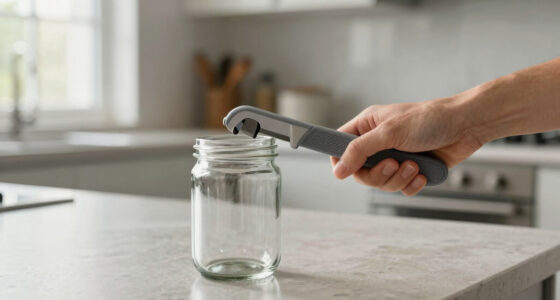
Imagine trying to open a stubborn jar with one hand. A jar opener that attaches firmly to the lid and requires minimal force not only makes the task easier but also reduces the risk of sudden slips that could cause injury. These features matter because they empower users to perform tasks independently, which can significantly boost confidence and reduce reliance on others. Moreover, intuitive design means that users don’t need to learn complicated techniques, making the tools more accessible and less intimidating. Some tools are adjustable, fitting different hand sizes and strengths, which broadens their usability across diverse users. Ultimately, these design features collectively create a kitchen environment where independence is prioritized, safety is enhanced, and frustration is minimized.
As an affiliate, we earn on qualifying purchases.
3 game-changing innovations in adaptive kitchen tools you should try
Adaptive kitchen tools are evolving rapidly, driven by advancements in materials and technology that directly benefit users. These innovations are not just about adding new gadgets but fundamentally improving how accessible and safe the tools are, which can influence overall independence in the kitchen. Here are three recent innovations:
- Lightweight, Ergonomic Materials: The development of new plastics and composites has led to tools that are significantly lighter without sacrificing durability. This is especially important for users with limited strength or joint issues, as heavy tools can cause fatigue or even injury over time. For example, a peeler made from lightweight, textured plastic provides a secure grip and reduces wrist strain, enabling smoother, safer peeling sessions. The tradeoff sometimes involves balancing durability with weight, but modern materials aim to optimize both, making tools easier to handle without compromising longevity.
- Smart, Automated Devices: Battery-powered openers, voice-controlled gadgets, and automatic cutting devices leverage technology to reduce manual effort. These devices are game-changers because they eliminate the need for physical force, which is often a barrier for users with disabilities. For example, a voice-activated can opener can be operated hands-free, allowing users with limited hand strength to open cans easily. The implication is that technology can significantly expand independence, but reliance on electronics introduces considerations like battery life, maintenance, and cost. Balancing automation with simplicity is key to ensuring these tools serve a broad user base effectively.
- Modular, Multi-Functional Tools: Combining multiple functions into one device—such as a tool that can be a grater, slicer, and peeler—reduces clutter and streamlines kitchen tasks. This integration is especially beneficial for users managing limited space or needing to minimize the number of tools they handle. It also offers convenience, as switching between functions becomes quick and effortless. However, the tradeoff might include slightly increased complexity in design, which could affect ease of cleaning or storage. When designed thoughtfully, these multi-functional tools can enhance independence by simplifying the cooking process while maintaining safety and ease of use.
These innovations reflect a broader trend toward personalized, user-centric design, making adaptive tools more accessible, safe, and effective for diverse needs. They also underscore the importance of ongoing research and development to address real-world challenges faced by users.
ergonomic kitchen tools for limited hand mobility
As an affiliate, we earn on qualifying purchases.
As an affiliate, we earn on qualifying purchases.
A simple step-by-step guide to picking your perfect adaptive kitchen tools
Choosing the right tools depends on your specific needs. Here’s a quick step-by-step process:
- Assess Your Strength and Range of Motion: Are your fingers weak? Do you have limited wrist movement? This assessment helps determine whether you need electric or manual tools, as well as the level of grip and control required. For example, if you have significant weakness, electric tools that require minimal effort may be more suitable. Conversely, if you have some strength but difficulty with precision, tools with larger grips or adjustable settings could be ideal. Understanding your physical capabilities allows you to select tools that complement your abilities and prevent strain or injury.
- Identify Tasks You Find Difficult: Opening jars? Peeling? Cutting? Make a list of your biggest challenges. Recognizing specific difficulties helps target your needs and avoid unnecessary purchases. For instance, if opening jars is the main obstacle, prioritize electric or lever-style openers. If peeling vegetables is problematic, look for ergonomic peelers with wide, cushioned grips. This step ensures that your investment in adaptive tools directly addresses your daily struggles, leading to more effective and satisfying use.
- Match Tools to Tasks: For stubborn jars, consider electric jar openers. For peeling, look for ergonomic peelers with wide grips. Matching tools to specific tasks ensures efficiency and safety. For example, using a manual peeler with a small handle on large, tough-skinned vegetables can cause hand fatigue or slips, increasing injury risk. Conversely, selecting tools designed for the task minimizes effort and enhances control. This tailored approach helps you develop a more confident, independent cooking routine.
- Test for Comfort and Ease of Use: Whenever possible, try out tools. Feel how they sit in your hand and how much effort they require. Testing in person allows you to assess whether the tool fits your grip comfortably and whether the activation mechanism is intuitive. If a tool causes discomfort or requires awkward movements, it may not be suitable long-term. Prioritizing comfort reduces the likelihood of fatigue or injury and encourages consistent use, ultimately supporting greater independence in cooking.
- Consider Adjustability and Compatibility: Will the tool fit your hand size? Does it work with your existing utensils? Versatile and adjustable tools can adapt to changing needs over time, providing long-term value. For example, a utensil with adjustable handles or interchangeable attachments can accommodate different tasks or hand sizes, making it a more flexible investment. Compatibility with other kitchen tools ensures a seamless cooking experience, reducing frustration and promoting continued independence.
Remember, selecting tools that feel right in your hand and suit your specific needs will encourage regular use and build confidence, transforming your kitchen experience into one of empowerment rather than frustration.
electric can opener for disabled users
As an affiliate, we earn on qualifying purchases.
As an affiliate, we earn on qualifying purchases.
Comparison of Popular Adaptive Kitchen Aids for One-Handed Use
| Feature | Manual Tools | Electric/Automated Tools |
|---|---|---|
| Ease of Use | Requires manual effort, some force | Minimal effort, push-button or voice control |
| Safety | Need careful handling to avoid injury | Safer, with automatic shut-off features |
| Versatility | Often task-specific | Multi-functional, with attachments |
| Cost | Generally affordable | Can be more expensive but offers convenience |
This comparison highlights that manual tools are budget-friendly but may require more physical effort and skill, which can be a barrier for some users. Automated tools, while more costly, often incorporate safety features and multiple functions that facilitate ease of use and reduce the risk of injury. The choice depends on individual needs, physical ability, and budget, but understanding these tradeoffs helps users make informed decisions that align with their lifestyle and safety considerations.
multi-functional adaptive kitchen gadgets
As an affiliate, we earn on qualifying purchases.
As an affiliate, we earn on qualifying purchases.
Safety tips to keep in mind when using adaptive kitchen tools
Safety is always key. Here are some practical tips:
- Always check that tools are in good condition—no cracks or worn parts. Damaged tools can break unexpectedly, causing injury or contamination. Regular inspection ensures that your tools remain reliable and safe for use.
- Use tools as intended. For example, don’t force a jar opener if it’s stuck—try adjusting your grip or letting the device do the work. Misuse can lead to slips, breakage, or injury, so understanding the proper operation prolongs the life of your tools and keeps you safe.
- Keep blades and cutting surfaces away from your body—use guards when available. Sharp edges pose a risk of cuts, especially if your hand is unstable. Proper handling and safety guards are critical in preventing accidental injuries.
- Clean and dry tools thoroughly after use to prevent slipping and rust. Residue or moisture can weaken materials and make surfaces slippery, increasing the risk of accidents during subsequent use.
- If you’re unsure how to operate a device, consult the instructions or seek guidance from an occupational therapist. Proper training or advice ensures correct and safe use, reducing the likelihood of mishaps and building confidence in handling adaptive tools.
Practicing safe handling and maintenance of your adaptive tools not only extends their lifespan but also ensures that your kitchen remains a space of empowerment rather than risk. Prioritizing safety practices is essential for maintaining independence without compromising well-being.
Frequently Asked Questions
What are the best adaptive kitchen tools for one-handed cooking?
Look for tools with ergonomic handles, one-touch activation, and secure grips. Examples include electric jar openers, easy-grip peelers, and multi-functional devices. These tools simplify common tasks and reduce strain.
How can I modify existing kitchen tools to make them more accessible?
You can add non-slip grips, extend handles with DIY attachments, or use rubber bands to improve grip. Small adjustments like these can make traditional tools much easier to handle with one hand.
Are there affordable options available?
Yes. Many adaptive tools are budget-friendly, often costing less than $20. Basic ergonomic peelers or manual jar openers are widely available at stores or online and provide good value.
How do I choose the right tools for my needs?
Start by identifying your most difficult tasks. Then, select tools designed for those functions, prioritizing comfort, safety, and ease of use. Testing a few options can help you find the best fit.
Are there resources that provide free or subsidized adaptive kitchen tools?
Some programs and non-profits offer assistance or grants for adaptive devices. Contact local occupational therapists, rehabilitation centers, or community organizations for guidance and support.
Conclusion
Adapting your kitchen with the right tools transforms cooking from a challenge into an empowering activity. Focus on ergonomic, easy-to-use devices that boost safety and confidence, and you’ll find your independence growing stronger every day.
Remember: the right tools aren’t just about convenience—they’re about reclaiming your space and your time. Your kitchen is your domain. Make it work for you—one-handed or not.
NFL season / tailgating Picks
team gear
As an affiliate, we earn on qualifying purchases.