
TL;DR

Get everyday helpers delivered free — and shop member deals
- Fast, free delivery on millions of items
- Access to Prime Big Deal Days deals on October 6–7
- Prime Video, Amazon Music and more included
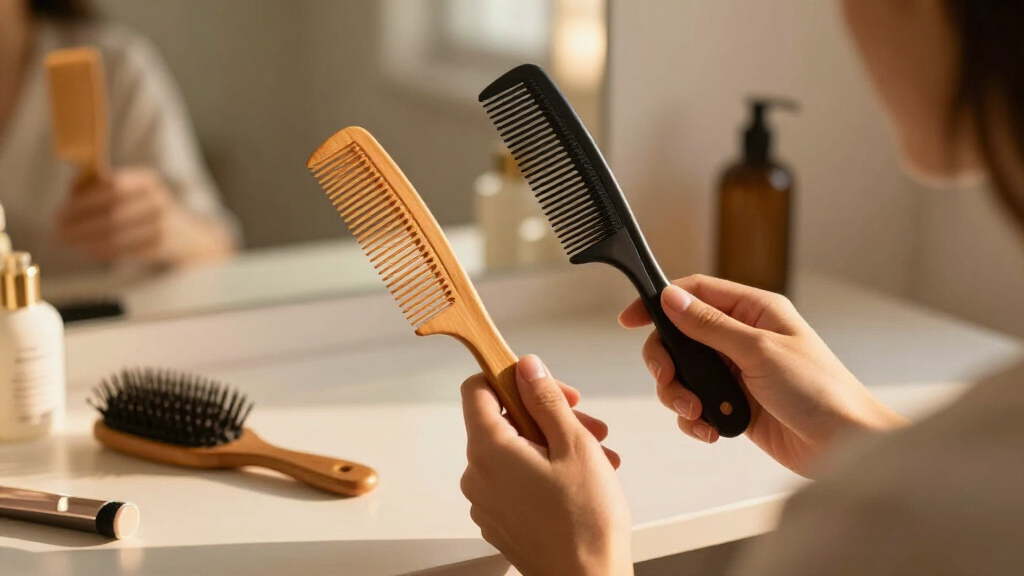
A long-reach comb or brush extends your grooming reach by 12-15 inches, making it easier for people with limited mobility or arm strength to care for their hair. Picking the right one depends on handle design, weight, grip, and hair type. This guide breaks down what to look for and how to choose confidently.
Choose a handle length of at least 12 inches, with 14 inches being ideal for full back reach.
Opt for curved or angled handles to reduce shoulder strain and keep your elbow close to your body.
Lightweight, ergonomic grips make a big difference for weak or arthritic hands.
Match the head design—wide teeth for thick hair, soft bristles for scalp comfort—and consider your hair type.
Budget around $8-$25, but prioritize comfort and durability over price for daily independence.
How to Choose a Long-Reach Comb and Brush
A long-reach comb or brush extends your grooming reach by 12–15 inches, making independent hair care possible for people with limited mobility or arm strength. The right choice comes down to handle design, weight, grip, and hair type — here’s exactly what to look for.
Who Needs a Long-Reach Comb or Brush?
If you find yourself stretching, leaning, or straining to reach the back or top of your head, this tool is for you. It’s not just convenience — it’s dignity, independence, and comfort.
Patients restricted from raising an arm for weeks after shoulder repair, replacement, or mastectomy can style hair without risking pain or re-injury.
Curved handles and cushioned grips reduce shoulder strain and pressure points, making daily grooming manageable with painful joints.
One-sided weakness (hemiparesis) or tremors call for one-handed tools with non-slip grips and lightweight, balanced construction.
An extended handle easily reaches the crown of the head from a seated position — no caregiver needed for every stroke.
Anyone whose natural reach falls short of the back of the scalp gains 12–15 extra inches of comfortable extension.
Easy-to-clean, non-porous models suit shared or clinical settings — a staple of post-surgery “hip kits” and recovery bundles.
Five Steps to the Right Tool
Work through these in order — each choice narrows the field until one tool clearly fits your body, your hair, and your routine.
Minimum 12″; aim for 14″+ to comfortably reach the back of your head.
Curved or angled handles keep your elbow low and reduce shoulder strain.
Stay under 4 oz (115 g). Balanced, molded plastic prevents arm fatigue.
Soft, non-slip rubber or foam; larger diameter for weak or arthritic hands.
Wide teeth for thick or curly hair; soft bristles for sensitive scalps.
Curved handles mimic natural hand positioning and let you reach the back of your head without lifting your arm above shoulder height. Straight handles suit those who only need a few extra inches.
Where the head meets the handle is a known failure point. Choose one-piece molded designs, smooth non-porous materials, and dishwasher-safe or antimicrobial plastics for easy hygiene.
Long-Reach Comb vs. Long-Reach Brush
Both extend your reach — but they serve different needs. Match the tool to your hair type and grooming goals, or choose a combination set.
| Feature | Long-Reach Comb | Long-Reach Brush |
|---|---|---|
| Primary Use | Detangling, styling, parting hair | Brushing, smoothing, scalp stimulation |
| Handle Length | Typically 12–15 inches | Typically 12–15 inches |
| Teeth / Bristles | Wide or fine teeth, matched to hair type | Soft or firm bristles; paddle or oval head |
| Best For | ✓ Thick, curly, or long hair; styling | ✓ Scalp comfort, smoothing, gentle detangling |
| Sensitive Scalps | ~ Depends on tooth spacing | ✓ Soft, flexible bristles are gentlest |
| Breakage Risk on Curls | ✓ Wide teeth reduce pulling | ~ Firm bristles may tug |
| Scalp Massage | ✗ Not designed for it | ✓ Soothing contact & stimulation |
How Much Reach Do You Actually Need?
Longer isn’t always better — extra inches add reach but can reduce maneuverability. Balance length against control.
Basic molded plastic. Fine for occasional use — inspect the head-to-handle joint carefully.
Ergonomic curves, soft-touch grips, comb + brush sets. Best durability per dollar for daily independence.
Usually out-of-pocket — rarely covered as durable medical equipment. HSA/FSA funds may apply; verify with your plan.
“Curved handles with lightweight, ergonomic grips significantly reduce grooming effort — especially for shoulder, arm, or grip limitations.”
Prioritize comfort over price. A tool used daily should never cause strain — spend for the grip and balance that fit your hand.
Expect trial and adjustment. Every body is different — an OT can help you test handle shapes before committing.
Buy the comb + brush pair. Sets cover detangling and smoothing in one purchase, usually at better value.
From Limitation to Independence
Surgery, arthritis, stroke, or reduced mobility blocks normal grooming.
Lightweight, soft-grip tool matched to hair type extends natural reach.
Full head coverage with the elbow low — no strain, no slips.
Dignity and self-care restored — no caregiver needed for every stroke.
Who Needs a Long-Reach Comb or Brush? Find Out If It’s Right for You
A long-reach comb or brush is designed for anyone who struggles to reach the back or top of their head. Think of a person with shoulder pain after surgery, someone with limited arm mobility due to arthritis, or a stroke survivor with one-sided weakness. These tools help maintain independence and self-care without strain.
For example, imagine a person recovering from rotator cuff surgery who can’t lift their arm comfortably. Using a long handle lets them style their hair without risking pain or injury. Similarly, a wheelchair user can easily reach the crown of their head with a tool that extends their natural reach—no caregiver needed for every stroke.
If you often find yourself stretching or leaning uncomfortably to reach your scalp, a long-reach comb or brush could be a simple, effective solution. It’s not just about convenience—it’s about dignity, independence, and comfort.
long-reach hair comb for limited mobility
As an affiliate, we earn on qualifying purchases.
As an affiliate, we earn on qualifying purchases.
How to Pick a Long-Reach Comb or Brush That Really Works for You
Choosing the right long-reach comb or brush hinges on a few crucial features. Focus on handle length and shape, weight, grip comfort, and head design. Let’s break down each factor with concrete tips.
- Handle length: Most extend 12-15 inches. If you want to reach the back of your head comfortably, aim for 14 inches or more. Keep in mind, a longer handle provides greater reach but may feel less maneuverable or heavier, so balancing length with comfort is key.
- Handle shape: Curved or angled handles help keep your elbow close to your body, which reduces shoulder strain and promotes a more natural, ergonomic movement. Straight handles, while simpler, might require more arm extension and can lead to fatigue over time. The choice depends on your specific mobility and comfort needs; curved handles often offer better leverage and less fatigue during prolonged use.
- Weight and balance: Lightweight tools (under 4 oz / 115 g) lessen fatigue, especially if you have weak grip strength or joint pain. Heavier tools can cause strain and reduce control, increasing the risk of slips or uneven grooming. Opting for molded plastic with a balanced weight distribution ensures less effort during use, making grooming less tiring and more precise.
- Grip design: Soft, non-slip rubber or foam grips are essential for maintaining control if your hands shake or are arthritic. Larger handles with cushioned grips reduce pressure points and improve grip stability, which is crucial for safety and comfort. If your grip strength is compromised, these features can make a significant difference in your ability to groom independently without frustration or risk of dropping the tool.
- Head design: The head’s shape and bristle or teeth type influence the tool’s effectiveness and comfort. Wide-tooth combs are better suited for thick, curly, or textured hair, as they reduce pulling and breakage. Soft or flexible bristles are gentle on sensitive scalps and for smoothing or finishing styles. Choosing the right head design ensures that your grooming is effective without causing discomfort or damage to your hair or scalp.
For example, a person with arthritis might prioritize a 14-inch curved handle with a soft grip and a paddle brush head with gentle, widely spaced bristles. This combination offers both comfort and functionality, reducing strain while enabling effective grooming. Recognizing that each individual’s needs are unique, trial and adjustment are often necessary to find the optimal setup for your specific situation.
ergonomic handle hairbrush for arthritis
As an affiliate, we earn on qualifying purchases.
As an affiliate, we earn on qualifying purchases.
Compare Long-Reach Comb vs. Brush — Which One Is Better for You?
| Feature | Long-Reach Comb | Long-Reach Brush |
|---|---|---|
| Primary Use | Detangling, styling, parting hair | Brushing, smoothing, scalp stimulation |
| Handle Length | Typically 12-15 inches | Typically 12-15 inches |
| Bristles / Teeth | Wide or fine teeth, depending on hair type | Soft or firm bristles, paddle or oval head |
| Best For | Thick, curly, or long hair; styling | Scalp comfort, smoothing, gentle detangling |
| Ease of Use | Good for detangling and styling at a distance | Better for scalp massage and gentle grooming |
Both tools extend your reach, but they serve different needs. Consider your hair type and grooming goals: a wide-tooth comb might be ideal for thick or curly hair that needs detangling without damage, while a soft-bristle brush can provide soothing scalp contact and smoothing for more delicate or sensitive scalps. Understanding these distinctions helps you select a tool that complements your hair and styling preferences, making daily grooming more efficient and comfortable.
extended reach grooming tools for seniors
As an affiliate, we earn on qualifying purchases.
As an affiliate, we earn on qualifying purchases.
Key Features to Focus On When Buying a Long-Reach Grooming Tool
- Handle Material and Shape: Ergonomic, curved handles with soft grips reduce fatigue and improve control. A handle that fits well in your hand minimizes strain during prolonged use, which is especially important for those with arthritis or limited grip strength. The shape influences how naturally your hand moves; curved handles often mimic natural hand positioning, reducing awkward wrist angles.
- Weight: Lightweight plastic keeps your arm from tiring—aim for under 4 ounces. Heavier tools may cause fatigue quickly, decreasing grooming efficiency and increasing discomfort over time. Light, well-balanced tools enable smoother, more controlled movements, which are crucial for precision and safety.
- Grip Comfort: Non-slip, cushioned handles make a big difference if your hands shake or hurt. A comfortable grip allows for better control, reducing accidental slips that could cause injury or damage to hair. Larger, cushioned handles distribute pressure evenly, easing the task for arthritic or weak hands, and encouraging independence in daily grooming routines.
- Head Type and Bristles/Teeth: Match the head to your hair—wide teeth for thick curls, soft bristles for gentle smoothing—and consider your hair’s texture and scalp sensitivity. The right combination improves grooming efficiency while minimizing discomfort and hair damage. For instance, a gentle, flexible head is ideal for sensitive scalps, whereas a sturdy, wide-tooth comb is better for thick, textured hair.
- Durability and Hygiene: Non-porous, easy-to-clean materials like smooth plastics or silicone prevent buildup and are easier to disinfect. This is especially important for shared use or clinical environments. Durable materials resist cracking or breaking over time, ensuring safety and longevity. Proper hygiene maintenance reduces the risk of infections and keeps grooming tools in optimal condition for daily use.
For example, a person with a sensitive scalp might prioritize a soft-bristle brush with a gentle head, while someone with thick hair may prefer a sturdy, wide-tooth comb with a non-slip handle. Recognizing these features ensures that the tool you select not only lasts longer but also provides a more comfortable, effective grooming experience tailored to your hair and scalp needs.
lightweight long-handled hairbrush
As an affiliate, we earn on qualifying purchases.
As an affiliate, we earn on qualifying purchases.
What About Cost? How Much Should You Expect to Pay?
Typical prices range from about $8 to $25. Basic models are affordable, but investing in a higher-quality, ergonomic tool can significantly improve your grooming experience and durability. Cheaper options may be less comfortable or break more easily, leading to frustration and additional expenses over time. Consider your budget as an investment in daily independence and comfort, especially if you rely on these tools for health or mobility reasons.
Many of these tools are included in post-surgery or arthritis kits, sometimes bundled with other adaptive aids. While Medicare generally doesn’t cover them as medical devices, you might be able to use HSA or FSA funds. Always verify your plan’s specifics, as some health plans or Flexible Spending Accounts may reimburse or cover these aids if prescribed or recommended by a healthcare provider.
For example, a simple 12-inch straight handle comb can cost around $8, but a more specialized curved handle brush with soft bristles and ergonomic features might be closer to $20-$25. Think of this as an investment that can improve your daily comfort and help maintain your independence, making the higher initial cost worthwhile in the long run.
Latest Trends: What’s New in Long-Reach Grooming Aids?
Product design has advanced with ergonomic, soft-touch handles, antimicrobial plastics, and dishwasher-safe materials. These updates are not just about aesthetics—they address real needs for hygiene, ease of cleaning, and durability. For example, antimicrobial plastics reduce bacterial buildup, which is especially important in shared or clinical settings, and dishwasher-safe features make regular cleaning effortless, maintaining hygiene without extra effort.
With the aging population growing, manufacturers now offer more options tailored to different needs—from ultra-lightweight models that minimize strain for fragile arms to stylish, easy-grip handles that promote comfort for extended grooming sessions. Online shopping broadens access to these innovations, but it’s important to read reviews and verify specifications to ensure you select a tool that truly enhances your grooming routine. Innovations like curved handles that mimic natural hand movements help reduce effort and fatigue, making grooming less tiring and more accessible for those with limited strength or endurance.
These trends reflect a focus on inclusivity and user-centered design, ensuring that everyone can find a tool that fits their specific needs and preferences, ultimately promoting independence and comfort in daily self-care routines.
Quick Facts: What You Should Know Before Buying
- Reach extension: Typically adds about 12-14 inches of extra reach, providing enough length to access difficult areas without overextending or risking imbalance.
- Handle curves: Curved handles help keep your elbow close to your body, which reduces shoulder strain and promotes more natural, less tiring movements. This ergonomic benefit can make a significant difference during longer grooming sessions or daily routines.
- Material choices: Light plastic with non-slip grips is standard; look for antimicrobial or dishwasher-safe options for better hygiene and ease of cleaning. These features help maintain tool longevity and prevent bacterial buildup, especially important for shared or clinical use.
- Hair type considerations: Wide-tooth combs are best for thick or curly hair as they reduce pulling and breakage, while soft-bristle brushes are gentle for sensitive scalps. Matching your tool to your hair type ensures effective grooming without discomfort or damage.
- Use case: Ideal after shoulder surgery, for arthritis, stroke recovery, or everyday convenience for limited reach. Understanding your specific needs ensures you select a tool that genuinely improves your daily routine and maintains your independence.
Knowing these facts helps you select a tool that fits your lifestyle, reduces effort, and enhances your grooming experience, ultimately supporting your independence and comfort.
Common Questions — Answered
Q1: Who actually needs a long-reach comb or brush?
A: If you struggle to reach the back or top of your head comfortably—due to pain, limited mobility, or weakness—these tools can help you maintain independence and dignity. They reduce the need for awkward stretching or assistance, allowing for more privacy and control over your grooming routine.
Q2: How long should the handle be?
A: Most extend 12-15 inches. For easier access to the back of your head, aim for 14 inches or more. Shorter handles might limit reach, while longer ones could be harder to maneuver—finding a balance tailored to your arm length and comfort is key.
Q3: Is a curved handle better than a straight one?
A: Generally, yes. Curved or angled handles help keep your elbow close to your body, which reduces shoulder strain during use. This ergonomic feature is especially beneficial for those with joint issues or limited mobility, as it promotes more natural movement and less fatigue.
Q4: Can I use one after shoulder surgery?
A: Absolutely. They’re often recommended during recovery to avoid lifting or stretching that could cause pain or delay healing. Using a long-reach tool allows you to maintain personal hygiene safely and comfortably without risking strain or injury.
Q5: How do I clean and disinfect it?
A: Use warm water and mild soap or disinfectant wipes. Choose models with smooth, non-porous surfaces for easier hygiene maintenance, and regularly clean after use to prevent bacterial buildup. Proper cleaning extends the lifespan of your tool and ensures safe, hygienic grooming.
Frequently Asked Questions
Can I use a long-reach comb or brush on all hair types?
Yes, but matching the head design to your hair is key. Wide-tooth combs work best for thick, curly hair, while soft bristles are gentle for sensitive scalps or fine hair. Choose accordingly for easy styling and comfort.Are long-reach grooming tools covered by insurance or Medicare?
Typically, they aren’t covered as medical equipment. However, you might be able to use HSA or FSA funds. Always check your plan’s specifics before making a purchase.How do I know if a tool will be comfortable for me?
Look for lightweight construction, ergonomic curved handles, and non-slip grips. If possible, try holding similar tools in-store or read reviews about comfort and ease of use.When should I start using a long-reach comb or brush after surgery?
Follow your healthcare provider’s advice. Usually, once you are cleared to start gentle grooming, a long-reach tool can help maintain hygiene without risking discomfort or injury.How often should I clean or replace my long-reach grooming aids?
Clean regularly with soap and water, especially after use. Replace if the handle becomes loose or cracked to ensure safety and effectiveness.Conclusion
A well-chosen long-reach comb or brush transforms daily grooming from a challenge into a manageable, even enjoyable task. Think of it as a simple tool that unlocks your independence—no matter your age or ability. Remember: the right handle, weight, and grip can make grooming feel natural again. So, pick one that fits your needs, and get ready to style with confidence every day.Fall Picks
fall essentials
As an affiliate, we earn on qualifying purchases.