
TL;DR

Get everyday helpers delivered free with Prime
- Fast, free delivery on millions of items
- Prime Video, Amazon Music and more included
- Member-only deals all year
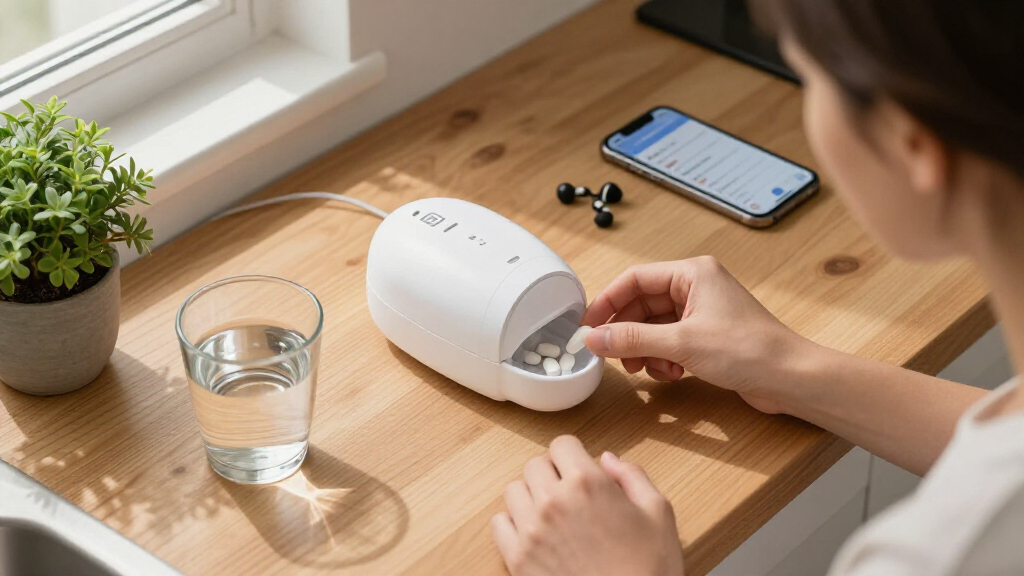
Selecting an automatic pill dispenser involves assessing medication capacity, access controls, alerts, ease of use, and safety features. The right device supports adherence and safety but doesn’t replace medical advice or supervision.
Imagine a device that takes the hassle out of managing multiple medications, reducing missed doses, and preventing accidental double-dosing. Sounds like a game-changer, right? But with so many options on the market, how do you pick the right one? The key lies in understanding what features matter most for your unique routine and abilities.
In this guide, you’ll learn how to evaluate the core aspects of automatic pill dispensers—from capacity to safety controls—so you can make a confident choice. Whether you’re caring for a loved one or managing your own health, knowing what to look for will make medication management safer and more reliable.
Assess your medication schedule and pill sizes to determine capacity needs before choosing a dispenser.
Prioritize safety features like locking compartments, tamper resistance, and error detection to prevent mistakes.
Select devices with customizable alerts—audible, visual, or spoken—to support adherence.
Ensure ease of use by testing controls, displays, and loading procedures, especially for users with dexterity challenges.
Consider remote monitoring and caregiver features if ongoing oversight or support is needed.
Practical Buying Guide · Medication Management
How to Choose an Automatic Pill Dispenser
A smart dispenser can reduce missed doses and prevent accidental double-dosing—but the right choice depends on your medication schedule, physical abilities, and level of caregiver oversight. This guide walks through the six decision factors that matter most, so you can buy with confidence.
At a Glance
Five Key Takeaways
Before comparing specific models, anchor your decision in these five principles.
Match Capacity to Routine
Assess your medication schedule and pill sizes first—complex regimens need larger, clearly labeled compartments.
Prioritize Safety Controls
Locking compartments, tamper resistance, and error detection prevent double-dosing and misuse.
Customize Your Alerts
Audible, visual, or spoken reminders—adjustable in volume and duration—reinforce daily habits.
Test Ease of Use
Try controls, displays, and loading procedures yourself—especially for users with dexterity challenges.
Plan for Oversight
Remote monitoring and caregiver notifications add accountability when ongoing support is needed.
Remember the Limits
Most devices handle dry, solid pills only—liquids, refrigerated medicines, and injections require other solutions.
Deep Dive · Part One
What to Evaluate in the Device Itself
Four features determine whether a dispenser will work reliably day after day in real-world conditions.
Medication Capacity & Schedule Fit
- Count doses per day and total pills before comparing models
- Check compartment size for large tablets or capsules
- Verify support for alternate-day or as-needed schedules
- Too small = frequent refills; too large = confusing to operate
Locking & Dose Safety
- Locked compartments open only when the timer signals
- Prevents early or duplicate doses—a digital gatekeeper
- Tamper resistance protects children and cognitively impaired users
- Check pill access during power or internet outages
Reminders That Act as a Coach
- Beeps, flashing lights, and spoken prompts at dose time
- Adjustable volume and reminder duration
- Escalating or repeated reminders for missed doses
- Caregiver phone notifications add accountability
Ease of Use for Every Ability
- Large, high-contrast screens and big, accessible buttons
- One-handed operation for arthritis or tremors
- Loading should take seconds, not minutes of fumbling
- Multiple-language support and clear labeling matter
Relative Weighting · Editorial Assessment
Which Factors Matter Most?
Weighting varies by user profile, but safety controls and capacity consistently top the list for complex regimens.
User Profiles
Matching the Dispenser to the User
The “best” device is profile-specific. Use this matrix to translate a living situation into feature priorities.
| User Profile | Priority Features | Locking | Remote Alerts | Typical Device |
|---|---|---|---|---|
| Occasional forgetfulness | Audible + visual alarms, simple timer | ~ Optional | ✗ Rarely needed | Basic timed carousel |
| Complex schedule (5+ meds) | Flexible programming, large capacity, adherence tracking | ✓ Recommended | ✓ Helpful | High-capacity smart dispenser |
| Dementia / double-dosing risk | Locked dispensing, missed-dose escalation | ✓ Essential | ✓ Essential | Caregiver-connected locked unit |
| Visual or hearing impairment | Large high-contrast display, multi-sensory alerts | ~ Optional | ~ Situational | Accessible-display model |
| Limited dexterity / strength | One-handed operation, low-force controls | ~ Depends | ~ Situational | Easy-open simplified unit |
| Independent living + family oversight | Remote schedule management, adherence reports | ~ Optional | ✓ Core value | Connected smart dispenser |
| Frequent travel | Compact, battery-powered, offline mode, time-zone adjust | ~ Travel lock | ~ If connected | Portable battery unit |
Medication Compatibility Check
What Dispensers Can — and Cannot — Handle
Most devices are engineered for dry, solid medications. Verify your regimen fits before you buy.
- Standard dry tablets and two-piece capsules
- Multiple pills per dose, if compartments are large enough
- Solid medications that can safely leave original packaging
- Liquids, refrigerated medicines, and injections
- Dissolvable, sticky, fragile, or moisture-sensitive tablets
- Very large or oddly shaped pills that jam mechanisms
- Blister-packed meds — consult a pharmacist before unpacking
Decision Flow
Your Path to the Right Dispenser
Work through these five steps in order—each one narrows the field before you compare prices.
Map Your Regimen
List every medication, dose time, and pill size.
Set Safety Needs
Decide on locking, tamper resistance, and access rules.
Choose Alerts
Pick multi-sensory reminders you won’t learn to ignore.
Add Oversight
Include caregiver notifications and adherence reports if needed.
Total the Cost
Price in subscriptions, trays, batteries, and warranty terms.
Reliability is non-negotiable. Look for battery backup with low-battery warnings, automatic jam detection, clear error notifications, and a sturdy tamper-proof case. A dispenser that fails mid-dose or stops alerting silently is worse than no dispenser at all—and strong customer support plus a real warranty can save major headaches later.
How to Match Dispenser Capacity to Your Medication Routine
The first step in choosing an automatic pill dispenser is figuring out how many pills and doses you need it to hold. Think about your daily schedule—do you take medications four times a day or just once? Do you need space for large tablets or multiple pills at once?
For example, someone on a once-a-day medication might get away with a smaller device, but a person with a complex schedule—say, five different medicines with varying doses—needs a larger capacity. Some dispensers can store up to 28 compartments, covering a full week, while others are designed for just a few days of medication.
Consider the size of your pills. Large tablets or capsules require bigger compartments. If you’re on multiple medications, look for a device that supports multiple doses and has clearly labeled sections to avoid confusion.
Choosing the right capacity is crucial because it directly impacts convenience and safety. A device that’s too small may require frequent refills, increasing the risk of errors or missed doses. Conversely, an overly large dispenser might be cumbersome and confusing to operate regularly. Finding a balance tailored to your routine ensures consistent medication intake and reduces the chances of mistakes.
Popular right now

Bose QuietComfort Wireless Noise-Cancelling Over-Ear Headphones, Black

Ninja Luxe Café Mini Plus Espresso and Drip Coffee Machine with AutoFroth, Stainless Steel, ES351

Dyson Ball Animal 2 Plus Corded Vacuum
As an affiliate, we earn on qualifying purchases.
Control Features That Keep Doses Safe and Prevent Mistakes
Automatic pill dispensers should do more than just store pills—they must control access to prevent accidental or intentional misuse. Features like locking lids or compartments help stop someone from taking future doses early or taking multiple doses at once.
Imagine a locked compartment that only opens when the device’s timer signals—it’s like a digital gatekeeper. If your loved one has cognitive challenges or is prone to double-dosing, these safety features become even more critical. Tamper-resistant designs can also prevent children from accessing medications.
Some devices alert caregivers if a dose is missed or if someone tries to access the wrong compartment, adding an extra layer of security and oversight. These controls matter because they directly influence safety—preventing accidental overdose, missed doses, or medication misuse. The tradeoff is that overly complex locking mechanisms or alerts might make the device harder to operate for the user, so balancing security with usability is key. Properly integrated safety features can provide peace of mind without sacrificing ease of access for intended users.
Why Alerts and Reminders Are Your Medication Coach
When medications are involved, timing is everything. An automatic dispenser with customizable alarms—like beeps, flashing lights, or spoken prompts—can nudge you when it’s time to take your dose.
For example, a device might beep loudly and flash a bright screen at 8 AM, with a spoken reminder saying, ‘Time to take your medication.’ Many models let you adjust volume and duration, so the alerts suit your hearing and preference.
Effective alerts not only remind you but also reinforce habits, which can significantly improve adherence, especially for individuals juggling multiple medications or with memory issues. The tradeoff is that overly intrusive alerts might cause annoyance or alert fatigue, leading users to ignore them over time. Customizable, multi-sensory alerts help strike a balance—supporting compliance without becoming a nuisance. Some systems even send notifications to caregivers if a dose is missed, adding an extra layer of accountability and support that can be crucial for vulnerable populations.
Making Ease of Use a Priority: Controls, Displays, and Loading
The best pill dispenser is one you can operate comfortably and confidently. Look for large, high-contrast screens, big buttons, and simple instructions. For someone with arthritis or tremors, one-handed operation or easy-to-open compartments can make all the difference.
Imagine loading the device in 30 seconds without fumbling or reading tiny print. Clear labeling, straightforward programming, and minimal steps reduce errors and frustration. Also, check if the device supports multiple languages if that’s relevant to your situation.
Always test how easy it is to remove pills. If it takes too much force or causes spills, it might not be suitable for everyday use.
Ease of use isn’t just about initial setup; it’s about consistent operation over time. A device with intuitive controls minimizes user errors, enhances safety, and encourages regular use. The tradeoff might be that highly simplified models sometimes lack advanced features, so consider your specific needs carefully to find the best fit.
How Remote Monitoring and Caregiver Features Improve Safety
If you or a loved one need ongoing oversight, look for dispensers with remote features. These allow caregivers or family members to adjust schedules, receive alerts, or check adherence reports without being physically present.
For instance, some devices notify a caregiver if a dose is missed or if the dispenser is tampered with—like a digital alarm system for medication security. This is especially helpful for dementia patients or those who forget doses often.
Remote features can significantly enhance safety by enabling timely interventions and reducing the risk of missed or incorrect doses. However, they also introduce considerations like reliance on internet connectivity, privacy, and data security. The tradeoff involves balancing the benefits of increased oversight with potential concerns about data privacy or technical complexity. Properly implemented remote monitoring offers peace of mind and improved safety, especially when used alongside professional medical advice.
Safety and Reliability: What to Look for in a Dependable Dispenser
Reliability isn’t glamorous, but it’s essential. Batteries should have a clear warning when low, and the device should detect jams or errors automatically. Imagine a dispenser that stops working mid-dose—disaster. Look for units with backup batteries or low-battery alerts to prevent interruptions.
Durability matters too. A sturdy, tamper-proof case protects against accidental damage or tampering. Customer support and warranties can save headaches if something goes wrong.
Choosing a reliable device means considering how it handles errors, power issues, and physical wear over time. A dependable dispenser minimizes the risk of missed doses due to technical failures, which can have serious health implications. The tradeoff often involves higher upfront costs or more robust design, but these investments are justified by the safety and peace of mind they provide for long-term medication management.
Medication Compatibility: What Pills Will and Won’t Work in These Devices
Most automatic pill dispensers are designed for dry, solid pills. Large, fragile, or sticky tablets may not dispense reliably. For example, a tiny, coated pill might get stuck or crumble, defeating the purpose.
If you use liquids, creams, patches, or refrigeration-required medications, these devices won’t do the trick. Always check if your medication can stay in its original packaging or if it’s safe to transfer into the dispenser.
Consult your pharmacist before loading new medications into a dispenser. Some medicines should never be removed from blister packs or bottles without guidance.
Understanding which medications are compatible is vital because incompatible pills can lead to ineffective dosing or damage the device. For example, sticky or moist medications can clog dispensers designed for dry pills, leading to jams or inaccurate doses. Professional advice ensures you don’t inadvertently compromise your treatment or damage your equipment, making safety and efficacy paramount in your choice.
Portability and Travel-Friendly Features
If you travel often, portability becomes a key factor. Compact, lightweight models with long battery life and easy clock adjustments make it simpler to keep up your routine on the go.
Picture packing a small device into your carry-on, with a lock to prevent accidental opening during airport security. Some models handle time-zone changes well, so your schedule stays consistent even when you fly across time zones.
Check if the device can be used offline, especially during power outages or internet disruptions, to keep your medication routine steady no matter where you are.
Travel-friendly features are important because they support continuity of care outside the home environment. A device that’s too bulky or complicated can disrupt your routine, increasing the risk of missed doses during trips. Ensuring your dispenser is lightweight, easy to set up, and resilient to different environments helps maintain safety and adherence wherever life takes you.
Understanding Cost and Subscription Factors
The price of automatic pill dispensers varies widely—from around $50 for basic models to over $300 for advanced, connected systems. Don’t forget recurring costs like app subscriptions, refill trays, or maintenance fees.
For example, some devices require monthly payments for remote monitoring or software updates, which can add up over time. Consider your budget and whether the features justify the long-term expense.
Also, check the warranty and return policies. A reliable customer support team can save headaches if the device malfunctions or if you need help setting it up.
Evaluating overall costs—including initial purchase, ongoing fees, and potential repairs—helps you make a financially sound decision. Sometimes paying more upfront for a reliable, feature-rich device reduces long-term costs associated with errors, replacements, or missed doses, ultimately supporting safer medication management.
Matching the Dispenser to Your Lifestyle and Needs
The right device depends on your unique situation. For occasional forgetfulness, a simple timer with alarms might suffice. But for complex schedules or cognitive challenges, look for locked compartments, remote alerts, and detailed adherence tracking.
Imagine a person with early-stage dementia who benefits from a locked, easy-to-program device with caregiver notifications. Or someone with arthritis who needs large buttons and simple loading procedures. There’s no one-size-fits-all—your choice should suit your daily life and abilities.
Assess your routine, physical condition, and whether you’ll need caregiver oversight before making a decision. Understanding your specific needs helps avoid purchasing features you won’t use and ensures the device supports your safety and independence effectively.
What’s New and Emerging in Automatic Pill Dispensers?
Technology keeps advancing. Connected devices now notify caregivers via Wi-Fi or cellular signals, making remote management easier. Some systems allow caregivers to modify schedules instantly, which is a big help for changing medication needs.
Accessibility improvements include spoken prompts, larger screens, and simplified controls. Pharmacy integration is also on the rise—some systems get medications pre-sorted into pouches, reducing loading errors.
While these innovations offer convenience, they often come with subscription fees and cybersecurity considerations. Always review data privacy policies and support options before buying.
Staying informed about emerging features helps you select a device that not only meets current needs but also adapts to future advancements, ensuring your medication management remains efficient and secure.
Frequently Asked Questions
Are automatic pill dispensers safe for everyone?
They are generally safe when properly loaded and programmed, but safety depends on correct use, medication compatibility, and ongoing oversight. Always verify the device’s features match the user’s needs.Who should load the dispenser?
A caregiver, nurse, or the user themselves can load it. For complex regimens or cognitive impairments, a second person should verify the medication, dose, and schedule to prevent errors.Can a dispenser prevent double-dosing?
Locked models with restricted access help prevent double-dosing. Basic reminder boxes may not, so choosing a device with safety locks and alerts adds extra protection.What happens if a dose is missed?
It varies by device. Some lock the dose away and notify caregivers, while others just record the event. Always follow your medication’s instructions and consult your healthcare provider if unsure.Will a power outage stop the dispenser from working?
Some have batteries or backup power that keep dispensing and alerts active during outages. Check the device’s specifications to ensure continuous operation when power is unavailable.Conclusion
Choosing the right automatic pill dispenser isn’t about the fanciest tech; it’s about what works best for you or your loved one. Think carefully about capacity, safety, ease of use, and how much oversight is needed. A well-chosen device becomes a quiet partner in maintaining independence and peace of mind.
Remember, no device replaces medical advice—use it as a tool, not a substitute. With the right choices, medication management can become a seamless part of daily life, freeing you to focus on what truly matters.