
TL;DR

Get everyday helpers delivered free with Prime
- Fast, free delivery on millions of items
- Prime Video, Amazon Music and more included
- Member-only deals all year
Researchers from Virginia Commonwealth University and Emory University deployed HomePal, a home sensor system, in the homes of 70 adults aged 65 and older for three months. The team is comparing sensor data with regular loneliness assessments, but has not established that the system can reliably identify loneliness or diagnose it.
Researchers from Virginia Commonwealth University and Emory University have tested a home sensor system called HomePal in the homes of 70 independently living adults aged 65 and older, exploring whether everyday activity patterns could help caregivers notice possible loneliness. The three-month study is still being analyzed: the researchers are comparing sensor readings with participants’ loneliness assessments and say the system is not a diagnostic tool.
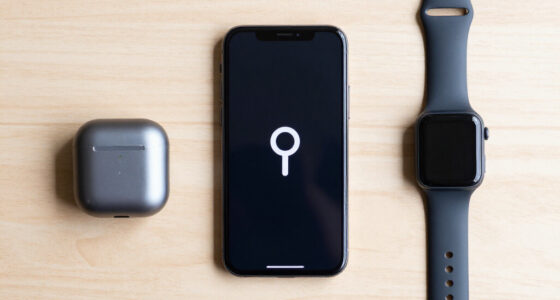
HomePal combines commercially available and custom devices to passively record aspects of life at home, including movement, daily activity, sleep and phone use. Its components include motion and door sensors, smart plugs connected to televisions, sleep sensors and smart speakers. Phone-call patterns are also considered as a possible measure of social connectedness. The system was installed in participants’ homes in the Atlanta metropolitan area.
The research team is matching these streams of data with loneliness assessments conducted every two weeks. The goal is to learn which observed behaviors, if any, correspond with people’s reported feelings. The team is using an AI model to analyze the patterns and plans to check its results against the assessment responses, rather than treating the model’s output as proof of loneliness.
The researchers describe HomePal as a developing prototype. They hope a future version could provide a daily score or longer-term trend for a person or caregiving team to review. That potential use remains a research aim, not a demonstrated outcome of this study. The paper, “Development of an AI-Enabled Remote Loneliness Assessment System for Older Adults Using Behavioral and Speech Data From IoT Sensors and Smart Speakers,” was published in the journal Assessment in 2026.
How Home Monitoring Could Aid Care
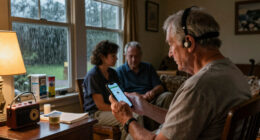
Loneliness can be hard for care teams to identify during a brief appointment, particularly if an older adult does not raise the issue. A system that tracks changes in household routines could, if validated, offer caregivers another reason to check in. The researchers’ proposed use is to flag patterns for follow-up, not to replace conversations, clinical judgment or a person’s own account of how they feel.
The approach also raises practical questions about monitoring private life. HomePal collects information from activities and devices within a person’s residence, so decisions about consent, data access and storage will matter if the system is developed further. The researchers say the setup can be adapted to store data locally and limit what is shared, but the study report does not establish a final commercial product or deployment policy.
As an affiliate, we earn on qualifying purchases.
From Sensor Readings to Loneliness Assessments
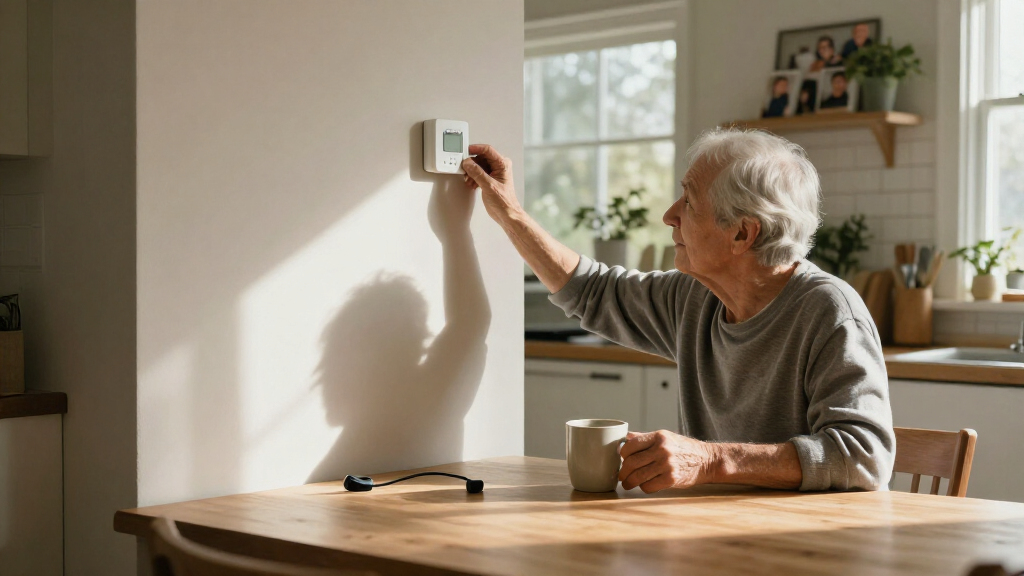
The study brings together researchers in computing and nursing to investigate whether passively collected household data can complement direct assessments. The sensors do not measure loneliness itself; they record behaviors that might be associated with it, such as changes in movement, sleep or phone use. Those behaviors can have many explanations, which is why the team is comparing them with participants’ reported feelings.
HomePal currently uses smart speakers and television plugs alongside other sensors. The researchers say they may adjust the system as analysis continues, including considering sensor configurations that keep information on a local network. Their longer-term vision is an installation that could be used in a home much like a security system, but commercial availability has not been reported.
“The main idea is to see whether everyday behavior at home can give early signs that an older adult may be experiencing loneliness or social withdrawal.”
— Mohamed Kamel, VCU computer science doctoral student and lead author
smart home monitoring systems for elderly
As an affiliate, we earn on qualifying purchases.
As an affiliate, we earn on qualifying purchases.
Accuracy and Privacy Still Under Study
The report does not provide a validated accuracy figure showing how often HomePal can identify loneliness, nor does it establish that any specific sensor pattern reliably signals it. The researchers are still analyzing the data and comparing model output with biweekly assessments. It is also unclear which behaviors will prove most informative, whether the approach will work beyond this 70-person Atlanta-area study, or how well it might perform across different living situations.
Privacy protections and the amount of information caregivers would receive also remain unsettled. Researchers say local storage and limits on data sharing are possible design choices, but the report does not specify a final system configuration. The findings should not be read as evidence that a sensor score can diagnose loneliness or determine a person’s care needs.
elderly loneliness detection devices
As an affiliate, we earn on qualifying purchases.
As an affiliate, we earn on qualifying purchases.
Further Analysis Before Any Rollout
The research team plans to continue analyzing the HomePal data, refining its AI models and adjusting the sensors as it identifies potentially relevant patterns. A key next step is to compare those model results with the participants’ regular loneliness assessments and establish how accurately, and under what conditions, the system can flag a possible concern.
The researchers have discussed a future product that could give a person or caregiver a daily score or trend, but no launch date or commercial release has been announced. For now, HomePal remains a research prototype, and any future use would depend on further testing and decisions about consent, data handling and how alerts should guide follow-up.
As an affiliate, we earn on qualifying purchases.
Key Questions
What is HomePal?
HomePal is a research prototype that combines home sensors and connected devices to record behaviors such as movement, sleep, television use and phone activity. Researchers are studying whether those patterns relate to reported loneliness.
Has HomePal been shown to detect loneliness accurately?
Not yet. The research team is still analyzing the data and comparing its AI model with biweekly assessments. The report does not give a validated accuracy rate.
Does the system diagnose loneliness?
No. Lead author Mohamed Kamel said the researchers are looking for patterns that may warrant follow-up, not diagnosing loneliness directly.
Who took part in the study?
The prototype was deployed for three months in the homes of 70 adults aged 65 and older who lived independently in the Atlanta metropolitan area.
When might HomePal become available to the public?
No release date has been announced. The researchers say they are continuing data analysis, model development and sensor adjustments; a commercial system remains a longer-term goal.
Source: rss
Halloween Picks
halloween
As an affiliate, we earn on qualifying purchases.