TL;DR
Open a free Amazon Business account
Business pricing, bulk buying and tax-exempt orders.
Create a free accountAs an affiliate, we earn on qualifying purchases.
Insurance often covers durable medical equipment if prescribed by a healthcare provider and obtained from approved suppliers. Coverage varies by plan, but understanding the criteria and steps can save you money and hassle.
When you think about the tools that keep you mobile, safe, and independent at home—like wheelchairs, oxygen tanks, or hospital beds—insurance plays a key role in making them affordable. Without understanding the ins and outs of coverage, you might find yourself facing unexpected bills or delays. But knowing how insurance covers durable medical equipment (DME) can turn a confusing process into a straightforward one. This guide will walk you through what qualifies, how to get coverage, and recent trends that could benefit you.
If you or a loved one need DME, getting the right equipment at the right price is essential for independence. By understanding the rules and steps involved, you’ll be empowered to navigate your insurance options confidently. Whether you’re new to this or looking to clarify your current coverage, knowing the ins and outs helps you focus on what truly matters—your health and your freedom.
Always get a detailed prescription from your healthcare provider that clearly states medical necessity.
Choose suppliers who are approved or enrolled with your insurance plan, especially for Medicare.
Decide between renting and buying based on your long-term needs and insurance coverage details.
Keep thorough documentation and don’t hesitate to appeal if your claim is denied.
Stay updated on new policies, telehealth options, and advanced DME options that could ease your access.
How Insurance Covers Durable Medical Equipment
Wheelchairs, oxygen concentrators, hospital beds, walkers—the tools that keep you mobile, safe, and independent at home. Insurance often covers them if prescribed by a provider and obtained from approved suppliers. Coverage varies by plan, but understanding the criteria and steps can save you money and hassle.
This guide walks you through what qualifies, how to get coverage, and the recent trends that could benefit you.
Medicare Part B typically covers 80% of approved DME costs after the deductible—making it one of the most comprehensive federal sources of DME coverage.
What counts as durable medical equipment?
DME includes items used repeatedly to treat or assist a medical condition at home—built to last, hence “durable.” A sturdy wheelchair with thick rubber tires, an oxygen concentrator humming quietly in the corner, a hospital bed with adjustable side rails.
Federal guidelines are non-negotiable: the equipment must be primarily and customarily used in your home and serve a genuine medical purpose. Recognizing what qualifies saves you from chasing coverage for items that don’t.
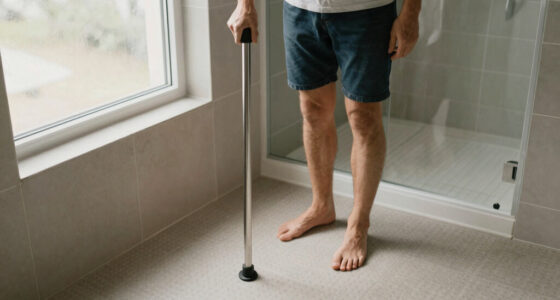
Insurers focus on equipment that is medically necessary and used mainly in the home. A doctor-prescribed walker qualifies; a decorative cane with no medical endorsement does not.
- ✓Wheelchairs & walkers — prescribed, reused, medically necessary
- ✓Oxygen equipment — treats a condition at home
- ✓Hospital beds — adjustable, serving a medical purpose
- ✗Decorative canes — no medical endorsement
- ✗Cosmetic or comfort items — generally excluded
How insurers decide what DME they’ll pay for
Valid Prescription
A prescription from a healthcare provider that clearly states the equipment is medically necessary. Without it, coverage is unlikely.
Approved Supplier
Equipment must come from an enrolled supplier—Medicare enforces strict standards under the DMEPOS program.
Meets Specifications
The item must match plan-approved specs, such as weight capacity or battery life, and be used primarily in your home.
Get your DME covered—without surprises
Get a Clear Prescription
Your provider must prescribe the equipment and state it’s medically necessary.
Choose an Approved Supplier
For Medicare, pick an enrolled supplier. Private insurers have preferred providers—check your plan.
Confirm Coverage Details
Ask what’s covered: rental vs. purchase, copays, and deductibles.
Submit Paperwork Correctly
Prescription, insurance info, and supplier details all accurate and complete.
Follow Up & Deliver
Track your claim, confirm coverage, and coordinate delivery to avoid delays.
Rental vs. purchase: which makes more sense?
| Factor | Rental | Purchase |
|---|---|---|
| Upfront cost | ✓ Lower — ideal for temporary needs | ~ Higher — but cost-effective long-term |
| Ownership | ✗ Returned after use, no maintenance worries | ✓ You own it — customize or upgrade freely |
| Insurance coverage | ✓ Often covered — but check specifics | ~ Depends on plan — may require upfront payment |
| Best for | Short-term recovery (e.g., post-surgery wheelchair) | Chronic conditions needing long-term mobility aids |
What to do if your claim is denied
- Review the denial letter carefully. Understand exactly why the claim was rejected—missing documentation, unmet standards, or lack of medical necessity.
- Gather supporting documents. Your prescription, detailed medical records, and supplier invoices.
- Appeal formally. Resubmit through your insurance’s formal appeals process. A quick call to customer service can also clarify misunderstandings.
- Explore alternatives. Community programs and other funding sources can assist with DME costs.
Tom’s claim for an oxygen concentrator was denied. He checked the stated reasons, added his doctor’s note emphasizing medical necessity, and resubmitted.
The second time, the claim was approved—saving him hundreds of dollars.
Similarly, Jane needed a hospital bed: a detailed prescription, a Medicare-approved supplier, and consistent follow-up saved her from unexpected costs and delays.
Latest shifts making DME coverage easier
Telehealth Consultations
Doctors can now prescribe equipment remotely, speeding up approvals and assessments.
Digital Platforms
Connect with approved suppliers quickly, reducing delays in getting equipment.
Smart DME
Adjustable beds with sleep tracking and advanced power wheelchairs are gradually gaining coverage.
Frequently asked questions
Can I buy DME outright instead of renting?
Yes—many plans, including Medicare, cover purchases if deemed medically necessary. Renting can be cheaper short-term; buying may save money over time.
What if my insurance doesn’t cover what I need?
Review the denial reasons, appeal with additional documentation or a new prescription, and explore community programs that assist with DME costs.
Is insurance covering new types of DME?
Increasingly, yes—smart beds with health monitoring and powered wheelchairs with advanced features. Stay informed on policy updates.
How do I find an approved supplier?
Start with your insurance provider’s list of approved or enrolled suppliers—Medicare maintains a searchable directory of DMEPOS-enrolled vendors.
What exactly counts as durable medical equipment and why does it matter?
Durable Medical Equipment, or DME, includes items used repeatedly to treat or assist a medical condition at home. Think of a sturdy wheelchair with thick rubber tires, an oxygen concentrator that hums quietly in the corner, or a hospital bed with adjustable side rails. These tools are built to last—hence ‘durable’—and are essential for many to maintain independence. Understanding what qualifies helps you know what your insurance might cover, and what you’ll need to pay for yourself.
For example, if your doctor prescribes a walker, it’s considered DME because it helps you move safely and is used repeatedly. But a decorative cane with no medical endorsement is not. Insurance providers focus on equipment that’s medically necessary and primarily used in your home. Recognizing this difference saves you from chasing coverage for items that don’t qualify.
As an affiliate, we earn on qualifying purchases.
How does insurance decide what DME they’ll pay for?
Insurance coverage depends on several key factors. First, you need a valid prescription from a healthcare provider that clearly states the equipment is medically necessary. Without this, coverage is unlikely. Next, the equipment must be obtained from an approved supplier—especially for Medicare, which enforces strict standards. Finally, the equipment must meet certain specifications and standards set by your insurance plan.
For instance, if your doctor prescribes a power wheelchair, it must be ordered from a supplier enrolled with Medicare. The equipment should also match the specifications your insurer approves, such as weight capacity or battery life. If all these boxes are checked, your insurer is more likely to cover the costs, either fully or partially.
According to federal guidelines, the equipment must be primarily and customarily used in your home and serve a medical purpose—these are non-negotiable for coverage.
oxygen concentrator approved supplier
As an affiliate, we earn on qualifying purchases.
As an affiliate, we earn on qualifying purchases.
Step-by-step: How to get your DME covered without surprises
- Get a clear prescription. Your healthcare provider must prescribe the equipment, stating it’s medically necessary.
- Choose an approved supplier. For Medicare, pick a supplier enrolled in the program. Private insurers also have preferred providers—check your plan.
- Confirm coverage details. Ask your insurer or supplier what’s covered, including rental or purchase options, copays, and deductibles.
- Submit paperwork correctly. Ensure your provider’s prescription, your insurance info, and supplier details are all accurate and complete.
- Follow up on approval and delivery. Track your claim, confirm coverage, and coordinate delivery to avoid delays.
For example, Jane needed a new hospital bed. Her doctor provided a detailed prescription. She chose a Medicare-approved supplier, confirmed her plan covered the purchase, and followed up to ensure quick delivery. This step-by-step process saved her from unexpected costs and delays.
As an affiliate, we earn on qualifying purchases.
Compare rental vs. purchase: Which makes more sense for you?
| Rental | Purchase |
|---|---|
| Lower upfront cost, ideal for temporary needs | Cost-effective long-term, suitable for ongoing use |
| Equipment returned after use, no maintenance worries | You own it, can customize or upgrade |
| Insurance often covers rental, but check specifics | Coverage depends on plan, may require upfront payment |
For instance, if you’re recovering from surgery and expect to need a wheelchair for a few months, rental makes sense. But if you have a chronic condition requiring a mobility aid long-term, buying might save money and give you flexibility.
durable medical equipment prescription
As an affiliate, we earn on qualifying purchases.
As an affiliate, we earn on qualifying purchases.
What to do if your insurance denies your DME claim?
Getting a denial isn’t the end of the road. First, review the denial letter carefully—understand exactly why your claim was rejected. Common reasons include missing documentation, equipment not meeting standards, or lack of medical necessity.
If you believe the denial is wrong, gather supporting documents: your prescription, detailed medical records, and supplier invoices. Then, appeal the decision through your insurance’s formal process. Sometimes, a quick call to customer service can clarify misunderstandings.
For example, Tom’s claim for an oxygen concentrator was denied. He checked the reasons, added his doctor’s note emphasizing medical necessity, and resubmitted. The second time, the claim was approved, saving him hundreds.
What are the latest trends making DME coverage easier?
Recent shifts are making DME more accessible through technology and policy updates. Telehealth consultations now allow doctors to prescribe equipment remotely, speeding up approvals. Digital platforms connect you with approved suppliers quickly, reducing delays.
Moreover, the rise of smart DME—like adjustable beds with sleep tracking—means insurance providers are gradually expanding coverage to include these advanced devices. During the COVID-19 pandemic, many plans temporarily broadened coverage to keep patients safe at home.
These trends are a sign that getting the right equipment is becoming faster and more integrated into your overall healthcare plan.
Frequently Asked Questions
Can I get my DME covered if I buy it outright instead of renting?
Yes, many insurance plans, including Medicare, cover the purchase of DME if it’s deemed medically necessary. However, coverage specifics vary, so check with your insurer first. Sometimes, renting is more cost-effective in the short term, but buying might save money over time.
What if my insurance doesn’t cover the equipment I need?
If coverage is denied, review the reasons carefully. You can appeal the decision, providing additional documentation or a new prescription. Also, explore other funding sources or community programs that assist with DME costs.
Are there any new types of DME that insurance is starting to cover?
Yes, increasingly, insurance plans are covering smart and adjustable DME, like beds with built-in health monitoring or powered wheelchairs with advanced features. Staying informed about policy updates can help you access newer technologies.
How do I find an approved supplier for my DME?
Start with your insurance provider’s list of approved suppliers or check the Medicare supplier directory. Ensure the supplier is enrolled and reputable to avoid delays or denied claims.
Conclusion
Knowing how insurance covers durable medical equipment lets you focus on what matters—your independence and health. Be proactive: get the right prescription, work with approved suppliers, and keep records organized. The right approach can turn a complicated process into a straightforward path to the tools you need.
Remember, your equipment is more than just a device; it’s a bridge to a more autonomous, comfortable life. Take charge, ask questions, and don’t settle for less than what your insurance can provide.
NFL season / tailgating Picks
team gear
As an affiliate, we earn on qualifying purchases.