
TL;DR

Get everyday helpers delivered free with Prime
- Fast, free delivery on millions of items
- Prime Video, Amazon Music and more included
- Member-only deals all year
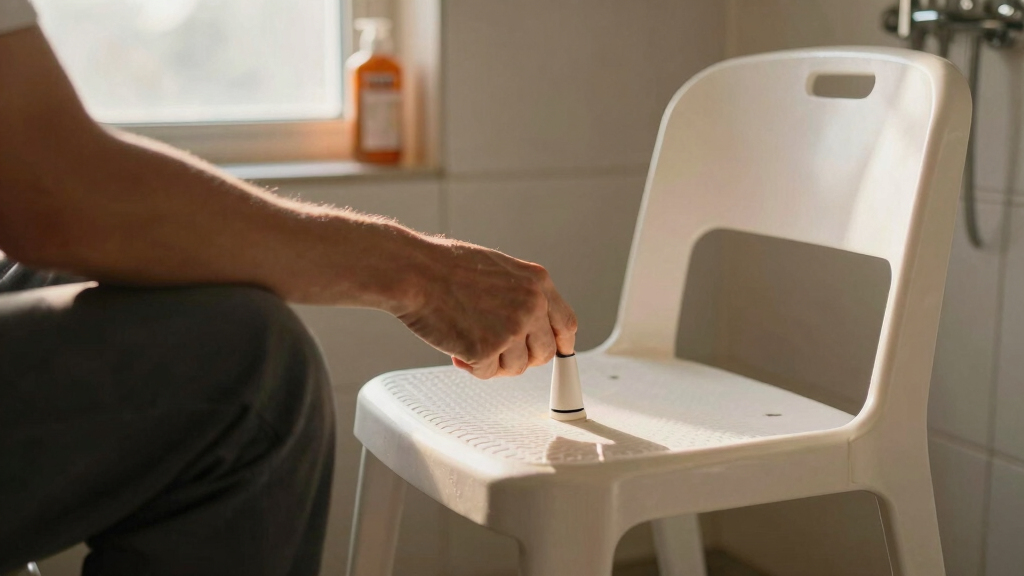
Shower chairs are portable seats placed inside the shower for stable sitting, while transfer benches extend outside the tub, aiding easier entry. Knowing which suits your mobility level helps prevent falls and supports independence.
Choose a shower chair if you can sit independently and want a simple, space-efficient solution.
Opt for a transfer bench if stepping over the tub edge is risky or impossible.
Always check stability, non-slip features, and proper height adjustment for safety.
Regular cleaning and maintenance extend device lifespan and safety.
Budget options are available, but prioritize safety features over cost when possible.
What’s the main difference between a shower chair and a transfer bench?
Shower chairs and transfer benches serve different purposes based on your mobility. A shower chair is a portable seat you place inside the shower or tub. It’s designed for those who can sit independently and just need a stable seat to shower comfortably.
A transfer bench, on the other hand, extends outside the tub, letting you sit down and then slide or pivot into the tub. It’s ideal if stepping over the tub edge is difficult or unsafe.
For example, imagine someone with limited leg strength. They might find a shower chair sufficient if they can sit and wash without moving much. But if stepping over the edge is risky, a transfer bench offers a safer, more controlled entry.
As an affiliate, we earn on qualifying purchases.
How do I decide which is better for my situation?
Choosing between a shower chair and a transfer bench depends on your mobility, bathroom layout, and safety needs. Here’s a quick decision guide:
- Can you stand and transfer into the shower? If yes, a shower chair might suit you.
- Do you have trouble stepping over the tub edge? If yes, a transfer bench offers a safer solution.
- Is space limited? Shower chairs are often more compact.
- Do you need assistance with balance? Transfer benches provide more support during entry and exit.
For example, a person with arthritis might find a transfer bench safer because it reduces the need for complex movements, whereas someone recovering from surgery might prefer a lightweight shower chair for quick, solo use. Understanding these tradeoffs helps ensure you select a device that balances safety, convenience, and comfort, ultimately reducing the risk of falls or injury during bathing.
As an affiliate, we earn on qualifying purchases.
Comparison table: Shower Chair vs Transfer Bench
| Feature | Shower Chair | Transfer Bench |
|---|---|---|
| Placement | Inside the shower or tub | Outside the tub, extending over the edge |
| Ease of Transfer | Requires stepping into the shower | Allows sitting outside and sliding in |
| Best for | Independent sitters needing stable seating | Users who struggle with stepping over the tub edge |
| Space requirements | More compact, fits inside shower | Requires additional space outside tub |
| Safety features | Non-slip feet, drainage holes | Armrests, wide seat, stability support |
adjustable shower chair for elderly
As an affiliate, we earn on qualifying purchases.
As an affiliate, we earn on qualifying purchases.
Safety tips for using shower chairs and transfer benches
Safety is key. Here are some practical tips:
- Check stability before each use — make sure the device doesn’t wobble.
- Place on non-slip surfaces and ensure the bathroom floor is dry.
- Adjust height to match your leg length for comfort and safety.
- Use armrests and grab bars whenever possible.
- Never rush transfers; take your time to avoid slips and falls.
Imagine someone with shaky balance sitting on a transfer bench. Securing the armrests and ensuring the bench is stable can prevent a fall that might cause injury. Moreover, understanding proper transfer techniques, such as moving slowly and maintaining three points of contact, can significantly reduce the risk of falls and enhance confidence during bathing routines.
As an affiliate, we earn on qualifying purchases.
Installation and maintenance: what you need to know
Both devices can be portable or permanently installed. For a shower chair, you usually just place it inside the shower and adjust the legs. Transfer benches often require more setup, sometimes needing secure mounting or non-slip mats.
Maintenance is straightforward: rinse with warm water, check for rust or cracks, and replace worn parts. Regular cleaning keeps bacteria and mold at bay, especially in damp environments.
For example, a caregiver noticed their transfer bench’s armrest was loose. Tightening screws and cleaning the surfaces kept it safe for daily use. Proper maintenance not only extends the lifespan of these devices but also ensures they continue to provide safe and reliable support, minimizing the risk of accidents caused by wear and tear or dirt buildup.
Cost considerations and insurance options
Prices vary widely—shower chairs can cost from $30 to $150, while transfer benches range from $50 to $200. Many insurance plans and Medicaid programs cover these if prescribed by a healthcare professional.
Check with your provider or local medical supply store. Some nonprofits and assistance programs also offer grants for accessible bathroom equipment.
If affordability is a concern, look for models that balance safety features with budget-friendly options. Keep in mind that investing in a quality device with proper safety features can prevent costly falls or injuries in the future, making it a worthwhile expense for long-term safety and independence.
Smart features and recent trends to watch
Recent innovations focus on safety and ease of use. Some transfer benches now include sliding or pivoting seats to make transfers smoother. Others incorporate sensors that detect falls or provide alerts — especially helpful for high-risk users.
The use of lightweight, durable materials like aluminum and reinforced plastics makes these devices easier to handle without sacrificing stability. Adjustable features also mean a better fit for different users and bathroom layouts.
For instance, a new model with a built-in seat lock and adjustable height can adapt to various users, reducing the need for multiple devices. These features demonstrate how technology and thoughtful design are making bathing safer and more accessible, but it’s important to evaluate whether these added features justify their higher costs based on your specific needs.
Frequently Asked Questions
Can I use a shower chair or transfer bench if I have limited strength?
Yes, but look for models with features like armrests, non-slip surfaces, and adjustable height. Consider consulting a healthcare professional to find the safest option for your needs.Are transfer benches safe for elderly users?
When properly selected and used with safety features like armrests and secure installation, transfer benches are generally safe and can prevent falls during tub entry and exit.How do I clean and maintain these devices?
Rinse with warm water regularly, check for rust or cracks, and tighten loose screws. Avoid harsh chemicals to preserve materials and ensure long-lasting safety.Can I install these myself?
Most portable shower chairs are easy to place and adjust. Transfer benches might need some assembly or securing, but many are designed for easy DIY setup. Follow manufacturer instructions or seek help if unsure.What safety precautions should I follow during transfers?
Always maintain a firm grip, ensure the device is stable, and move slowly. Use grab bars and ask for assistance if needed. Never rush, especially if your balance isn’t steady.Conclusion
Your bathroom should be a space of safety and independence, not risk. Picking the right device—shower chair or transfer bench—can make all the difference. Remember, a secure, comfortable setup is a step toward peace of mind and dignity every time you bathe.Halloween Picks
halloween
As an affiliate, we earn on qualifying purchases.