TL;DR

Get everyday helpers delivered free with Prime
- Fast, free delivery on millions of items
- Prime Video, Amazon Music and more included
- Member-only deals all year
Selecting a handheld showerhead for accessibility means focusing on lightweight design, adjustable features, and safety. Recent innovations include smart controls and water-saving modes, making showering safer and easier for everyone.
Imagine stepping into the shower and feeling confident you can reach every spot without difficulty. That’s the power of choosing the right handheld showerhead — it can transform daily routines into moments of independence and comfort. If you or someone you care for faces mobility challenges, understanding what to look for can make all the difference.
This guide will walk you through the key features, recent innovations, and practical tips to help you select an accessible showerhead that suits your needs—whether for a loved one or yourself. It’s about making showering safe, simple, and truly accessible for everyone.
Prioritize lightweight, ergonomic designs for easier handling and control.
Choose models with adjustable hoses and multiple spray options to suit diverse needs.
Look for safety features like anti-slip grips and anti-scald controls to prevent accidents.
Ensure compatibility with your existing plumbing for a hassle-free upgrade.
Stay informed about new tech like smart controls and water-saving modes for future-proof accessibility.
Why Ease of Use and Ergonomics Matter Most
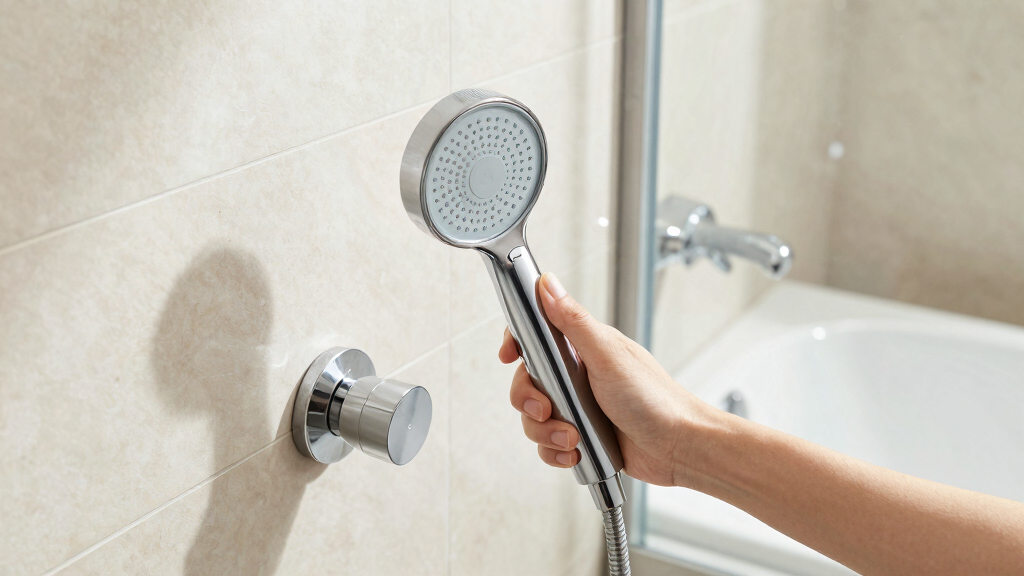
The first step in choosing an accessible handheld showerhead is ensuring it’s easy to hold and operate. Look for models weighing less than 1 pound; anything heavier can strain weaker grips. Textured surfaces or ergonomic grips give you extra control, especially if arthritis or limited hand strength is part of the picture.
Picture a caregiver helping a loved one with shaky hands — a textured grip prevents slipping, making the shower safer. When shopping, test the weight and grip in your hand if possible, or read reviews that highlight ease of handling.
Why this matters: An ergonomic and lightweight design reduces fatigue and minimizes the risk of dropping the showerhead, which can cause accidents or delays during showering. This consideration becomes crucial for users with limited strength or dexterity, ensuring safety without compromising functionality. The tradeoff often involves balancing weight with durability—lighter materials might be less sturdy if not chosen carefully, so quality materials are key to long-term usability.
lightweight handheld showerhead for seniors
As an affiliate, we earn on qualifying purchases.
As an affiliate, we earn on qualifying purchases.
How Adjustable and Flexible Features Elevate Accessibility
Adjustable hoses and multiple spray settings give you the freedom to customize your shower experience. A flexible, 60-72 inch hose reaches all body parts comfortably, whether standing or seated. Spray options like massage, mist, or jet help target specific needs, from soothing sore muscles to rinsing hair easily.
For example, someone with limited mobility might prefer a gentle mist to avoid discomfort, while a caregiver might switch to a more powerful jet for quick rinsing. Look for models with easy-to-use controls that can be operated with one hand or even with a bent elbow.
Why this matters: Flexibility in hose length and spray functions allows users to adapt the shower to their physical capabilities and preferences, promoting independence and comfort. However, more features can sometimes complicate operation—striking a balance between versatility and simplicity is essential. Overly complex controls may hinder users with limited dexterity, so intuitive, one-touch or large-button controls are often preferable.
adjustable showerhead with flexible hose
As an affiliate, we earn on qualifying purchases.
As an affiliate, we earn on qualifying purchases.
The Water Pressure and Flow Control You Need to Know
Consistent water flow at different pressure levels is vital for comfort and safety. Modern accessible showerheads often include flow restrictors or adjustable flow controls. These features help conserve water while providing a satisfying spray, even in homes with low water pressure.
Imagine a user with arthritis turning a dial to find just the right flow — no more fiddling with complicated buttons. According to recent studies, water-saving modes can reduce water use by up to 30% without sacrificing spray quality, making them eco-friendly and cost-effective.
Why this matters: Proper flow control ensures that users can adjust water pressure to their comfort level, which is especially important for sensitive skin or joint issues. The tradeoff involves balancing water conservation with sufficient pressure; some low-flow models may struggle to provide adequate spray if not well-designed. Choosing a model with smooth, easy-to-adjust controls helps users find their ideal setting without frustration.
anti-slip grip handheld showerhead
As an affiliate, we earn on qualifying purchases.
As an affiliate, we earn on qualifying purchases.
Mounting and Positioning: How to Keep Your Shower Easy to Use
Look for showerheads that come with adjustable brackets or holders. These can be mounted at different heights to accommodate seated or standing users. A quick-release or easy-slide mechanism means you won’t struggle to change the position mid-shower.
Imagine a user who prefers sitting on a shower chair; an adjustable holder at waist level makes rinsing and cleaning comfortable. Universal mounting options fit most shower arms, making retrofitting straightforward.
Why this matters: Proper mounting and adjustable positioning eliminate the need for users to stretch or reach awkwardly, reducing fall risks and increasing independence. However, choosing the right mount involves considering the shower’s dimensions and user mobility—some mounts may not fit all shower types or may require additional hardware, so verifying compatibility is important for seamless use.
As an affiliate, we earn on qualifying purchases.
Safety Features That Protect You During Shower Time
Safety is non-negotiable. Non-slip grips prevent dropping the showerhead, while anti-scald features like thermostatic valves help prevent burns. Pause and resume functions save water and avoid accidental spray if you need a moment or want to conserve hot water.
Picture turning off the water with a simple button during lathering, then resuming with a tap — no need to fiddle with tricky controls. These features are especially beneficial for seniors or users with limited dexterity.
Why this matters: Incorporating safety features minimizes the risk of accidents, burns, or slips, which can have serious consequences, especially for vulnerable populations. The tradeoff may involve increased initial costs or complexity in installation, but the long-term benefits of safety and peace of mind far outweigh these concerns.
What About Compatibility and Easy Installation?
Most accessible handheld showerheads are designed for universal fit on standard shower arms — typically ½-inch NPT fittings. This means you can usually retrofit your existing setup without major plumbing work.
Many models install in just minutes with basic tools, making DIY upgrades simple. Check the product specs to confirm compatibility before buying, and consider models with quick-connect fittings for even easier setup.
Why this matters: Compatibility and ease of installation lower barriers for users to upgrade their showers independently, encouraging more widespread adoption of accessible features. However, not all plumbing setups are standard—older homes or custom configurations may require adapters or professional help, which could add to costs or installation time.
The Latest in Accessible Showerhead Tech You Should Know
Recent innovations in accessible showerheads include smart controls that adjust temperature and flow via digital or voice commands. Lightweight, corrosion-resistant materials like silicone and stainless steel make them durable and easy to handle.
Eco-friendly features, such as aerated spray modes, cut water use while maintaining high pressure. Some models now come with multi-function spray patterns that can be tailored to individual preferences, making therapy and everyday use more comfortable.
Why this matters: Technological advancements expand the possibilities for personalized and efficient shower experiences. However, integrating smart features may increase complexity and cost, which could be a barrier for some users. Balancing innovation with simplicity ensures these features improve accessibility without overwhelming users.
Key Facts You Need to Make the Right Choice
Many accessible showerheads meet or exceed the ADA standards, ensuring usability for a broad range of needs. Adjustable holders and height features cater to users of different heights and mobility levels. Innovative designs focus on universal usability, making showers more inclusive.
According to recent data, the global market for accessible bathroom tech grew over 12% last year, reflecting increased demand for user-friendly solutions in homes and care facilities.
Why this matters: Staying informed about standards and market trends helps consumers select products that are both compliant and future-proof. The growing market also indicates a broader shift toward inclusive design, which benefits everyone by encouraging innovation and affordability.
Your Most Common Questions — Answered
- What features make a handheld showerhead more accessible? Lightweight design, ergonomic grip, adjustable height, multiple spray settings, and simple controls are key.
- Are there models suited for seniors or those with disabilities? Yes, look for models with one-handed operation, non-slip grips, and easy mounting options.
- Is installation complicated? Not at all. Most can be set up with minimal tools in a few minutes, fitting standard shower arms.
- Can I upgrade my current shower? Usually yes, if your plumbing is compatible. Many models are universal and easy to install.
- Are water-saving features worth it? Modern eco-friendly options maintain strong spray while reducing water use by up to 30%, according to recent studies.
Why this matters: Addressing common concerns helps consumers make informed decisions. Understanding tradeoffs—like the potential need for adapters or the impact of water-saving modes—ensures satisfaction and long-term usability.
Conclusion
Picking the right handheld showerhead transforms an everyday task into a moment of independence and comfort. Focus on ease of use, safety, and adaptability — these are the pillars of accessible design. Your shower should serve you, not the other way around.
Remember, a small upgrade today can make a big difference tomorrow. Accessibility isn’t just a feature — it’s a right. Make your shower work for you, and shower with confidence every day.
Columbus Day / Indigenous Peoples' Day Picks
long weekend sales
As an affiliate, we earn on qualifying purchases.