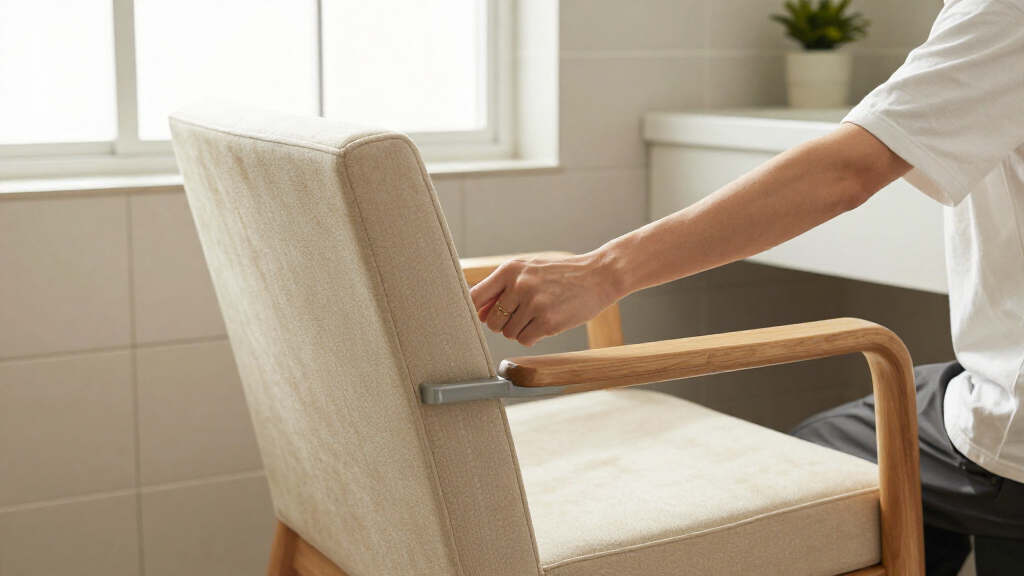

TL;DR

Get everyday helpers delivered free — and shop member deals
- Fast, free delivery on millions of items
- Access to Prime Big Deal Days deals on October 6–7
- Prime Video, Amazon Music and more included
Choosing a commode chair involves considering type, fit, safety, and hygiene features. Proper selection promotes independence and reduces fall risks, especially in bathrooms. Verify insurance coverage and measure carefully for the best fit.
Imagine a bathroom where every step feels secure, every transfer smooth, and privacy maintained. That’s what the right commode chair can offer. It’s not just a piece of equipment; it’s a lifeline that transforms daily routines into moments of dignity and safety.
Whether you’re recovering from surgery, managing a chronic condition, or caring for someone else, choosing the right commode isn’t about buying the most expensive model. It’s about finding what fits your body, your space, and your needs—without sacrificing comfort or independence.
Measure carefully for seat height—aim for feet flat, knees at 90° for comfort and safety.
Choose a commode type that fits your transfer style, bathroom space, and mobility needs.
Prioritize safety features like armrests, non-slip bases, and sturdy construction to prevent falls.
Regular cleaning and proper hygiene practices extend the life of the commode and protect health.
Verify insurance coverage before purchase—most Medicare plans cover essential models when criteria are met.
Choosing a Commode Chair for the Home
The right commode is more than equipment: it creates a safer transfer, preserves privacy, and makes an essential daily routine less exhausting. Choose for the user’s body, transfer style, room, and care needs—not simply by price.
Match the chair to the transfer
Start with how the user moves—from bed, wheelchair, shower, or toilet. The most versatile model is not automatically the safest; stability, available space, and caregiver technique should drive the choice.
3-in-1
Works as a bedside toilet, raised toilet seat, or toilet safety frame. A practical all-round choice when needs may change.
Best for: stand-pivot transfers and multipurpose home useDrop-arm
One or both arms swing away for sliding-board or lateral transfers from a wheelchair or bed.
Best for: limited standing ability and caregiver-assisted transfersRolling / shower
Rust-resistant frame, locking casters, and water-safe surfaces allow shower use and movement over a toilet.
Best for: combined shower, transport, and toileting routinesBariatric
A wider seat and strengthened frame support higher capacities, typically about 400–1,000 pounds.
Best for: users needing extra width, capacity, and structural marginPortable / folding
Lightweight and easy to store for travel, short-term recovery, or occasional bedside use.
Best for: temporary needs where compact storage is essentialAsk for an assessment
An occupational or physical therapist can evaluate transfer technique, strength, balance, and room layout.
Especially useful after surgery, stroke, or a change in mobilityFind the safe sitting height
A seat that is too low increases the effort needed to stand. One that is too high may leave the feet unsupported. Measure, compare, and test before committing.
Sit naturally
Use a sturdy chair or current toilet. Keep the user upright, with feet resting flat and weight evenly supported.
Measure the bend
Measure from the floor to the back of the knees or top of the thighs just below the knees.
Test the transfer
Confirm feet stay flat, knees remain near 90°, and sitting or standing does not cause strain or instability.
Feet flat + knees near 90° + hips comfortably supported
One need, different tradeoffs
Check the manufacturer’s exact dimensions and rating. Seat width should clear the hips without squeezing, while still keeping the armrests close enough for stable leverage.
| Type | Transfer access | Mobility | Primary advantage | Watch for | Typical price |
|---|---|---|---|---|---|
| 3-in-1 | ✓Front / stand-pivot | ~Stationary | Three functions in one frame | Enough space for each configuration | $40–$100 |
| Drop-arm | ✓Side transfer | ~Usually stationary | Clear lateral access | Arm must lock securely after transfer | $70–$180+ |
| Rolling / shower | ✓Caregiver assisted | ✓Locking casters | Shower, transport, and toilet use | Wet-area rating and reliable wheel locks | $100–$300+ |
| Bariatric | ✓Wider access | ~Bulky | High-capacity reinforced frame | Doorway clearance and floor space | $100–$300+ |
| Folding | ✓Standard front | ✓Portable | Compact storage and travel | Lower stability on lightweight models | $40–$120 |
Price ranges are broad U.S. retail estimates. Capacity, materials, padding, drop arms, and shower-safe construction can substantially change cost.
Safety is a system
A strong chair can still be unsafe on an uneven floor, in a cluttered path, or with unlocked wheels. Evaluate the product and the environment together.
Firm armrests
Provide dependable leverage during sitting, standing, and pivoting.
Stable base
Use non-slip rubber tips or fully engaged locking casters.
Supportive back
Helps users with reduced trunk control, weakness, or balance issues.
Secure bucket
Choose a stable bucket with handle, lid, and effective splash guard.
Capacity margin
The rated limit must exceed the user’s weight with a safe margin.
Correct seat width
Avoid hip pressure without placing support arms too far away.
Plan beyond the purchase
Easy-clean construction protects health and saves caregiver time. Insurance may help with medically necessary equipment, but coverage rules and approved suppliers should be confirmed before purchase.
A simple cleaning rhythm
- Empty and rinse the bucket after each use; use disposable liners if appropriate.
- Wash with warm water and a compatible cleaner, then disinfect according to product directions.
- Dry surfaces fully and close the lid when the commode is not in use.
- Inspect seams, padding, splash guards, and attachment points for trapped residue or wear.
Typical purchase ranges
Medicare Part B may typically pay 80% of the approved DME amount after the deductible when medical-necessity and confinement criteria are met. Verify current rules, documentation, supplier participation, and personal coverage before ordering.
The independence chain
Each decision strengthens the next part of the routine.
Frequently asked questions
Use these answers as a first filter, then confirm product instructions and individual clinical needs.
Commode chair or raised toilet seat?
A commode is portable and includes a bucket for use away from the toilet. A raised seat fits on an existing toilet. Choose according to toilet access, transfer ability, and where care takes place.
Can any commode go in the shower?
No. Use only a model specifically rated for shower use, with water-resistant materials, non-slip features, and locking casters where applicable.
Hard or padded seat?
Padding may improve comfort during longer use, but seams and porous surfaces can be harder to sanitize. Balance skin sensitivity, sitting time, and cleaning requirements.
When should a clinician help?
Seek an occupational or physical therapy assessment when transfers require assistance, balance is poor, a sliding board is used, or mobility has changed after surgery, stroke, or illness.
What should be verified before buying?
Confirm seat height, width and depth, user weight plus safety margin, transfer compatibility, doorway clearance, shower rating, cleaning method, replacement-part availability, return policy, and current insurance requirements.
Fit first. Safety always.
The best commode chair is the one that supports a repeatable, dignified routine. Measure the user, observe the transfer, inspect the room, and test the setup. A correctly chosen chair reduces effort, supports caregivers, and helps preserve independence at home.
Which type of commode fits your lifestyle best?
Picking the right style of commode chair is like choosing the right pair of shoes. Each type serves a different purpose and fits different needs. For example, a 3-in-1 commode works well if you want versatility—using it as a bedside toilet, a raised seat, or a safe frame for transfers. Its multi-functionality means fewer devices cluttering your space, but it may require more space and adjustment to different uses, which could be a tradeoff for some users.
On the other hand, drop-arm commodes are designed for situations where side transfers from a wheelchair or bed are necessary. The arms swing away, providing easier access for caregivers and reducing strain during transfers. However, they might be less stable for users who need extra support, so it’s important to consider the level of stability needed.
Wheeled models, called shower/rolling commodes, are tailored for bathrooms with limited space. They offer mobility and convenience, allowing users to move easily from one position to another. Yet, their mobility can sometimes compromise stability if not used carefully. For larger individuals, bariatric commodes provide reinforced frames and wider seats, supporting higher weight capacities—up to 1,000 pounds in some cases—addressing safety concerns for heavier users but often at a higher cost and bulkier design.
Finally, if portability is a priority, folding or portable commodes are lightweight, easy to store or carry, and ideal for travel or temporary needs. The tradeoff here is that they might lack some of the sturdiness or advanced safety features of more permanent models, so consider your safety priorities when choosing this option.
adjustable commode chair for seniors
As an affiliate, we earn on qualifying purchases.
As an affiliate, we earn on qualifying purchases.
How to measure your perfect commode seat height in 3 simple steps
- Have the user sit comfortably on a flat, sturdy surface—like their current toilet or a chair. Measure the height from the floor to the top of their thighs, just below the knees. Aim for a seat height that allows their feet to rest flat with knees at a 90-degree angle. This ensures that the user can sit and stand with minimal effort, reducing strain on joints and muscles, which is especially important for those with arthritis or mobility issues.
- Compare this measurement to the commode options. Most adjustable models range from 16 to 23 inches. If the user struggles to sit or stand, opt for a higher seat—around 20–21 inches. Selecting the correct height minimizes discomfort and prevents awkward postures that could lead to falls or muscle strain, enhancing safety and independence.
- Test the fit by sitting on the actual commode or a similar height chair. Ensure they can sit upright without feeling squeezed or unstable. Remember, the goal is a comfortable, secure position that minimizes effort when standing or sitting. A proper fit reduces fatigue and the risk of instability, especially important for users with balance issues or weakness.
Getting this right reduces strain, improves safety, and makes daily routines less stressful. For example, a person with knee arthritis benefits from a slightly higher seat to avoid painful bending, allowing them to maintain independence and avoid unnecessary pain or injury.
bariatric commode with safety features
As an affiliate, we earn on qualifying purchases.
As an affiliate, we earn on qualifying purchases.
Safety features that prevent falls and injuries
Safety isn’t optional when it comes to toileting. Look for commodes with sturdy armrests you can grip firmly. These armrests provide leverage and stability during transfers, which is crucial because many falls occur during these moments. Non-slip rubber tips or locking wheels secure the chair in place, preventing slips on wet, slick bathroom floors—a common hazard that can lead to serious injuries. A backrest adds extra support, especially for users with balance issues or weakness, helping maintain proper posture and reducing the risk of falls.
Some models include splash guards and secure buckets with lids and handles—keeping the area clean and reducing mess. For users with dementia or poor coordination, consider a model with a locking mechanism or higher sides for added security. These features help prevent accidental spills or falls caused by unsteady movements, which are common in vulnerable populations.
Imagine a caregiver assisting an elderly parent. The right safety features—like armrests that support the standing motion, a stable base, and secure locking mechanisms—can significantly reduce the risk of falls during transfers. These safety features not only protect the user but also give caregivers confidence, making the process smoother and safer for everyone involved. Prioritizing these safety features is a proactive way to prevent injuries and promote independence.
portable bedside commode with armrests
As an affiliate, we earn on qualifying purchases.
As an affiliate, we earn on qualifying purchases.
Frequently Asked Questions
What is the main difference between a commode chair and a raised toilet seat?
A commode chair is a portable chair with a built-in bucket, used when access to the toilet is limited. A raised toilet seat fits over your existing toilet to increase height, making it easier to sit and stand. Choose a chair for mobility issues, a seat for convenience or temporary needs.Will Medicare cover the cost of a commode chair?
Medicare Part B often covers a commode chair if a doctor certifies it’s medically necessary and you’re confined to the home or bedroom. Coverage usually includes 80% of the cost after deductible. Always verify current rules and documentation requirements.How do I measure for the right seat height?
Sit comfortably on a flat surface with feet flat on the floor. Measure from the floor to the back of your knees. The ideal commode seat height is where your knees are at about 90°. Adjust or select a model within this range for comfort and safety.Can a commode be used in the shower?
Yes, but only if it’s rated for shower use. Shower commodes are made with rust-proof materials and non-slip features. Always check the product specifications to ensure safety and durability in wet conditions.How do I keep a commode clean and odor-free?
Remove and rinse the bucket daily with warm water and disinfectant. Use liners for easier cleanup, and keep the lid closed when not in use. Regular cleaning prevents odors and keeps the commode hygienic.height adjustable toilet chair for elderly
As an affiliate, we earn on qualifying purchases.
As an affiliate, we earn on qualifying purchases.
Conclusion
Picking the right commode chair is about more than comfort—it’s about reclaiming safety and independence in your bathroom routine. Take your time measuring, compare features, and remember that the best choice supports your dignity every day.
With the right fit and safety features, your bathroom becomes a space of confidence, not risk. Every step toward the perfect commode is a step toward greater independence and peace of mind.
Fall Picks
fall essentials
As an affiliate, we earn on qualifying purchases.