
TL;DR

Get everyday helpers delivered free with Prime
- Fast, free delivery on millions of items
- Prime Video, Amazon Music and more included
- Member-only deals all year
Toilet safety frames and rails provide crucial support, reducing fall risks and enhancing independence. Choosing the right type, ensuring proper installation, and maintaining cleanliness are key to maximizing their benefits.
Imagine the reassurance of knowing your bathroom is safer. A simple device like a toilet safety frame can make a world of difference. It’s not just about support — it’s about restoring confidence and independence in one of the most private spaces of your home.
In this guide, you’ll learn the key features to look for, the latest innovations, and practical tips to choose and use toilet safety frames and rails effectively. Whether you’re caring for an aging parent, recovering from surgery, or managing mobility challenges yourself, this information empowers you to make smarter choices for safety and dignity.
Choose a toilet safety frame that supports your weight and fits your bathroom layout.
Look for models with adjustable height, padded grips, and easy installation features.
Materials matter: stainless steel offers longevity and hygiene, plastic is lighter but less durable.
Stay informed about safety certifications like ADA or ANSI standards for reliable support.
Regularly clean and inspect your safety rails to maintain safety and hygiene.
What Are Toilet Safety Frames and Rails — and Why Do They Matter?
Toilet safety frames and rails are sturdy supports installed around or over your toilet. They provide a firm handhold, helping you sit down and stand up safely. According to health data, falls in bathrooms account for nearly 20% of all injuries among seniors, and these devices can cut that risk significantly.
Picture this: an elderly person struggles to get up from the toilet. With a well-placed safety rail, they can steady themselves, avoiding a dangerous slip. It’s a simple addition that offers peace of mind for both users and caregivers.
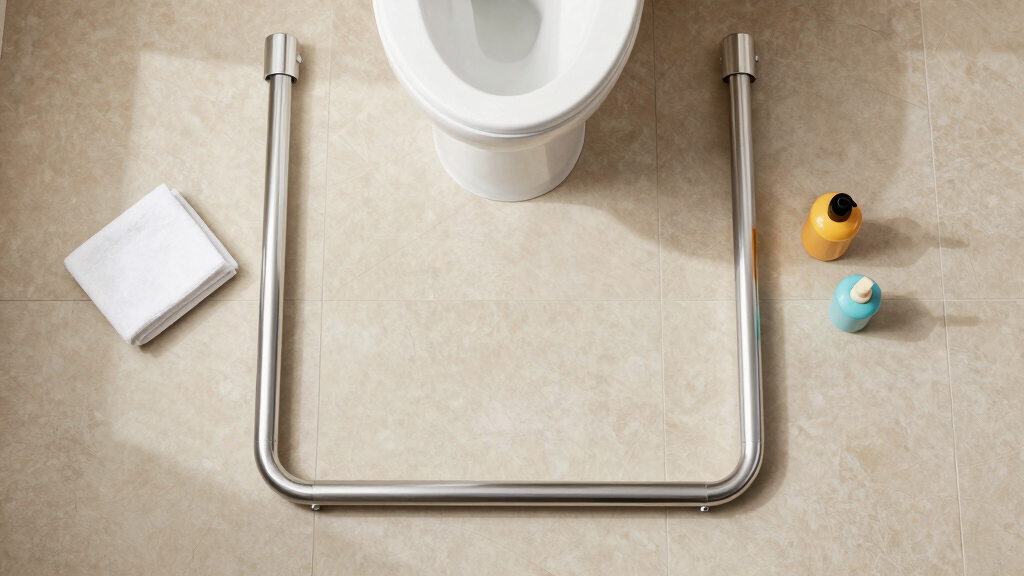
toilet safety frame with adjustable height
As an affiliate, we earn on qualifying purchases.
As an affiliate, we earn on qualifying purchases.
Different Types of Toilet Safety Frames and Rails — Which One Fits Your Needs?
Choosing the right type depends on your lifestyle, bathroom setup, and mobility level. Here’s a quick rundown:
| Type | Features | Best For |
|---|---|---|
| Fixed Frames | Securely attached to toilet or floor, very sturdy | Long-term, regular use |
| Removable Rails | Easy to install/remove, portable | Temporary needs, travel |
| Over-the-Toilet Frames | Adjustable, fits over toilet seat | Limited space, easy transfer |
| Wall-Mounted Rails | Installed on wall, provides support on one or both sides | Additional stability, space-saving |
For example, a caregiver might prefer a portable rail for a guest bathroom, while an elderly user may benefit from a fixed frame for daily independence.
removable toilet safety rails for elderly
As an affiliate, we earn on qualifying purchases.
As an affiliate, we earn on qualifying purchases.
Key Features to Look for When Choosing a Toilet Safety Frame
Not all frames are created equal. Focus on these features:
- Weight Capacity: Make sure it supports your weight comfortably, ideally 300 lbs or more. This matters because supports that are too weak can fail unexpectedly, leading to falls or injuries. Prioritizing higher weight capacities often means better durability and safety margin, especially for heavier users.
- Adjustability: Height, width, and armrest adjustments matter for a personalized fit. Proper adjustability ensures the frame accommodates your body size and bathroom layout, reducing strain and awkward positioning that could cause slips or discomfort.
- Ease of Installation: No tools or professional help? Look for models with quick-release mechanisms. Ease of installation reduces the risk of incorrect setup, which can compromise safety. Additionally, simple installation means you can reposition or remove the frame as needed without hassle.
- Grip and Comfort: Padded handles or textured surfaces help prevent slips, especially for users with limited grip strength or arthritis. Comfortable grips encourage consistent use and reduce the likelihood of accidental slips during transfers.
- Compatibility: Check if it fits your toilet’s shape and size — elongated or round bowls. A poorly fitting frame can wobble or fail to provide adequate support, negating safety benefits and potentially causing accidents.
Think about a scenario: a user with arthritis appreciates textured grips that provide extra security, while a caregiver needs a model that can be installed quickly without tools during emergencies. Balancing these features ensures the device truly meets your needs.
As an affiliate, we earn on qualifying purchases.
Materials and Durability — What Lasts the Longest?
Most frames are made from stainless steel, aluminum, or sturdy plastic. Stainless steel is the gold standard — it’s rust-proof, easy to clean, and supports up to 400 lbs with ease. Plastic models are lighter and less expensive but may wear out faster. The durability of these materials directly impacts safety because a compromised frame can wobble or break unexpectedly, increasing fall risk.
Imagine a busy household where frames get frequent cleaning. Durable materials resist corrosion and stains, maintaining safety and hygiene over years. For example, a stainless steel frame can last 5-10 years without issues — a solid investment for safety. When choosing, consider the environment; humid bathrooms accelerate corrosion, making rust-proof options more practical.
As an affiliate, we earn on qualifying purchases.
Latest Trends in Toilet Safety Rails — What’s New and Useful?
Design isn’t just about safety anymore; it’s about comfort, aesthetics, and tech. Recent innovations include:
- Foldable and Space-Saving Models: Perfect for small bathrooms, they fold away when not in use, maximizing space and reducing visual clutter. This is especially valuable in shared or multi-purpose bathrooms where space is limited.
- Smart Rails: Some now include sensors to alert caregivers if a fall occurs or if assistance is needed. These features can provide peace of mind, especially for those living alone or with significant mobility challenges, by offering real-time monitoring and emergency alerts.
- Enhanced Ergonomics: Curved, padded handles conform to your grip for added comfort, reducing hand fatigue and increasing confidence during transfers.
- Color and Style Options: From sleek metallic finishes to neutral tones, they blend into bathroom decor, making safety devices less obtrusive and more appealing aesthetically.
For example, a foldable rail in a guest bathroom saves space and adds modern convenience, while a smart rail offers peace of mind for caregivers monitoring loved ones remotely. These innovations make safety devices more functional and integrated into daily life, encouraging consistent use.
Safety Standards and How to Pick the Best One
Look for products certified by organizations like the ADA or those meeting ANSI standards. These ensure the device has been tested for strength, stability, and safety. Always check the weight support and installation instructions before buying. Understanding these standards helps you avoid subpar products that might fail under stress, leading to falls or injuries.
For instance, choosing a frame with a 400-lb support rating and clear installation guidance can prevent accidents and frustration. Remember, a poorly installed or incompatible frame compromises safety — so follow manufacturer instructions or consult a professional. Investing in certified products often means better quality control, durability, and peace of mind.
How to Install and Maintain Your Toilet Safety Frame
Most models come with clear instructions. To install:
- Measure your toilet to ensure compatibility, considering shape (round or elongated) and size.
- Follow the step-by-step guide — whether it’s attaching to the toilet bowl or mounting on the wall. Proper alignment ensures stability and safety during use.
- Test the stability by applying gentle pressure before regular use. This helps identify any looseness or wobbling that could cause accidents.
Maintenance is simple: clean with mild soap and water regularly to prevent buildup. Check the grips and joints periodically for wear or looseness. For example, a quick wipe-down with a damp cloth keeps the frame hygienic and ready for daily use, and inspecting for loose screws prevents potential failures.
Common Mistakes to Avoid When Choosing or Using Safety Rails
Don’t overlook weight limits or compatibility. Installing a frame that’s too narrow or weak risks injury. Avoid choosing a style just because it’s cheap — it might not withstand daily use. Failing to verify these details can lead to sudden failure, causing falls or injuries that negate the device’s purpose.
Remember, proper installation is vital. A loose or incorrectly set-up rail can cause falls instead of preventing them. For example, a caregiver might try to install a frame without reading instructions, leading to instability and potential accidents. Investing time in correct setup and adhering to manufacturer guidelines ensures the device functions as intended, maximizing safety benefits.
Your Best Next Steps for Safer, Dignified Bathroom Use
Start by assessing your bathroom space and mobility needs. Then, choose a model that matches those needs — considering ease of use, style, and safety standards. Installation by a professional can make all the difference in safety and peace of mind. Proper setup ensures the device performs reliably, preventing accidents and supporting independence.
Finally, keep your safety device clean and in good repair. Regular checks prevent accidents and extend the life of your investment. Addressing minor issues early, like loose screws or worn grips, can prevent larger safety hazards and maintain confidence in the device’s support.
Frequently Asked Questions
How do I know which safety frame is right for my bathroom?
Start by measuring your toilet and considering your mobility needs. Look for supports that are adjustable, sturdy, and compatible with your toilet type. Consulting with an occupational therapist can help you find the best fit.Can I install a toilet safety rail myself?
Many models are designed for easy, tool-free installation and can be set up in minutes. However, for complex setups or if you’re unsure, professional installation ensures safety and proper fit.Will a safety rail support my weight?
Always check the weight capacity listed by the manufacturer. Most quality frames support 300 to 400 lbs, but verify support ratings and choose one that exceeds your weight for safety.Are these devices suitable for travel or temporary use?
Yes, portable or removable models are ideal for travel or temporary needs. Look for lightweight, easy-to-install options that don’t require permanent fixtures.How do I clean and maintain my safety frame?
Use mild soap and water regularly. Check for loose parts or signs of corrosion every few months. Keeping it clean prevents bacteria buildup and maintains safety.Conclusion
Adding a toilet safety frame isn’t just about safety — it’s about reclaiming independence and dignity. A well-chosen, properly installed support transforms a routine bathroom visit into a safe, confident experience.
Think of it as a small, powerful tool that makes your bathroom a safer place — a simple step toward greater freedom and peace of mind every day.
This article is for informational purposes only and is not medical advice. Always consult a qualified healthcare professional about your specific situation.HALLOWEEN Halloween Picks
halloweenhalloween
As an affiliate, we earn on qualifying purchases.