
TL;DR
Walk-in tubs are specially designed for safety and comfort, featuring low thresholds, anti-slip surfaces, and optional tech upgrades. They cost between $3,000 and $10,000 and can be installed in 1-2 days. Staying informed helps you pick the right model for your needs.
Imagine stepping into your bathtub with ease, no more awkward climbs over high edges or fears of slipping. Walk-in tubs are transforming bathing into a safer, more independent activity for people of all ages—especially seniors and those with mobility challenges.
If you’re considering a walk-in tub, you’re about to discover what makes these tubs stand out, recent innovations, and practical tips for choosing the right one. This isn’t just about convenience—it’s about dignity, safety, and regaining control over your daily routine.
Walk-in tubs feature low thresholds, anti-slip surfaces, and grab bars for safer, easier bathing.
Recent models incorporate smart technology, eco-friendly materials, and customizable options for a tailored experience.
Budget ranges from $3,000 to $10,000, with installation typically taking 1-2 days. Professional setup is recommended.
Regular cleaning and inspections extend the life of your walk-in tub and keep it safe to use.
Evaluate your space, needs, and mobility before choosing a walk-in tub to ensure it’s the right fit.
A Guide to Walk-In Tubs
Walk-in tubs replace the awkward climb over a high bathtub wall with a low-entry door, stable seating, slip-resistant surfaces, and support where it matters. The result is safer bathing, greater independence, and more control over a daily routine.
What makes a walk-in tub different?
The strongest designs treat entry, balance, comfort, temperature, and exit as one connected safety system—not a checklist of isolated extras.
Low-threshold door
Reduces the height users must clear, making entry more manageable for stiff joints, reduced balance, or limited leg strength.
Non-slip surfaces
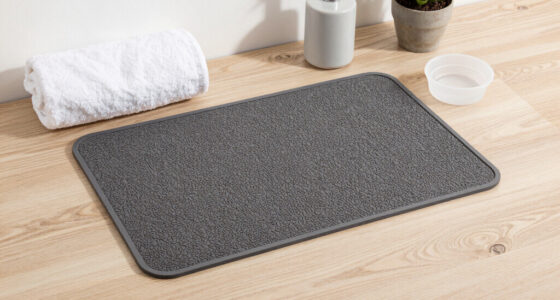
Textured flooring improves traction in wet conditions. Coverage should extend across the seat, floor, and entry zone.
Grab bars
Well-positioned, securely anchored bars assist with sitting, standing, entering, and leaving the tub.
Ergonomic seating
A supportive built-in seat reduces fatigue and strain, especially for people with joint pain or reduced endurance.
Temperature protection
Easy-to-read controls and anti-scald safeguards help maintain predictable, comfortable water temperatures.
Hydrotherapy jets
Adjustable water or air jets may ease muscle tension and add comfort, though medical suitability should be checked.
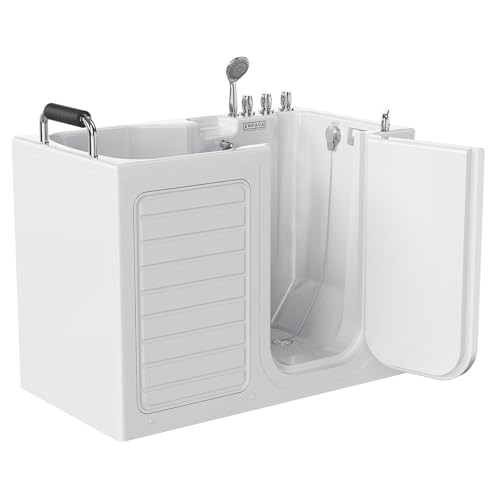
Empava Walk-In Tub, Japanese Soaking Bath, Right Outward Door
Effortless & Safe Entry – Designed for seniors and mobility-impaired users, this tub features an extra-wide outward-opening door…
As an affiliate, we earn on qualifying purchases.
As an affiliate, we earn on qualifying purchases.
Match features to real needs
A higher specification is only valuable when it solves a genuine mobility, comfort, or bathroom-layout problem.
| Feature | Standard model | Comfort model | Wheelchair-access model | Why it matters |
|---|---|---|---|---|
| Low-entry door | ✓Included | ✓Included | ✓Wide access | Reduces difficult leg lifting |
| Built-in seating | ✓Fixed | ✓Heated option | ~Transfer style | Supports stability and endurance |
| Hydrotherapy | ~Optional | ✓Water + air | ~Optional | May help relaxation and soreness |
| Smart controls | ~Limited | ✓Digital | ✓Accessible | Simplifies operation and alerts |
| Best suited to | Core safety needs | Therapy and comfort | Transfers and wider entry | Choose around the primary user |

Ella Deluxe 30"x55" Air + Hydro Massage Walk-In Tub, Left Inward Door
16 strategically placed hydro jets in order to deliver optimal therapeutic relief. Ten (10) upper jets work to…
As an affiliate, we earn on qualifying purchases.
As an affiliate, we earn on qualifying purchases.
Where the investment goes
Size, door design, therapeutic features, accessibility requirements, plumbing, electrical work, and bathroom alterations all influence the final figure.
A basic hydrotherapy model may land near $4,000, while advanced wheelchair-accessible or smart models can approach the upper end.
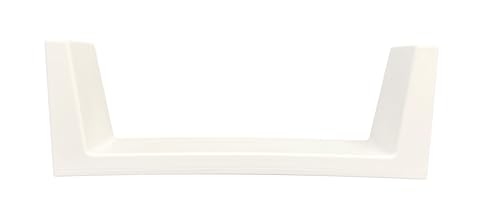
BlueVue Bathtub Walk Thru Accessibility Insert for Easy Walk Through Or Step in Shower, Small Size Instruction Manual Coming Soon, BUT NOT Currently Included.
Accessibility: Increase the accessibility and safety of your bathroom without the need for a complete bathroom renovation.
As an affiliate, we earn on qualifying purchases.
As an affiliate, we earn on qualifying purchases.
From bathroom audit to safe first use
A professional assessment helps connect mobility needs with the dimensions, utilities, and structural realities of the room.
Assess needs
Review balance, hand strength, transfers, joint movement, and caregiver support.
Measure space
Check doorway width, tub footprint, floor condition, and surrounding clearance.
Prioritize
Rank safety essentials before jets, heated seating, finishes, or digital upgrades.
Install
Use qualified professionals for secure anchoring, plumbing, drainage, and electrical work.
Test & train
Practice controls, filling, draining, entry, exit, and emergency procedures.
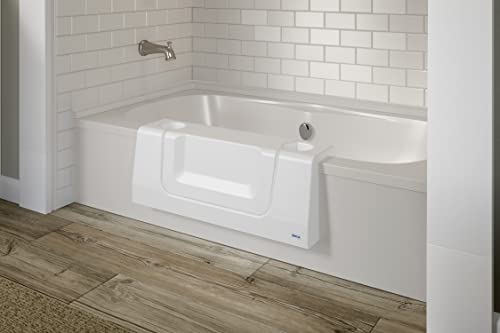
CleanCut Convertible Tub Conversion Kit, White Large
Dual-Function Design Converts your existing bathtub into a safer step-through shower while preserving the ability to enjoy a…
As an affiliate, we earn on qualifying purchases.
As an affiliate, we earn on qualifying purchases.
Innovations changing the experience
Recent developments aim to reduce waiting, improve control, personalize access, and lower resource use.
Smart operation
Digital controls, remote functions, and smartphone-connected emergency alerts can simplify use and improve reassurance.
Faster fill and drain
Reduced waiting times matter because users generally need to remain inside while the sealed tub fills and empties.
Tailored accessibility
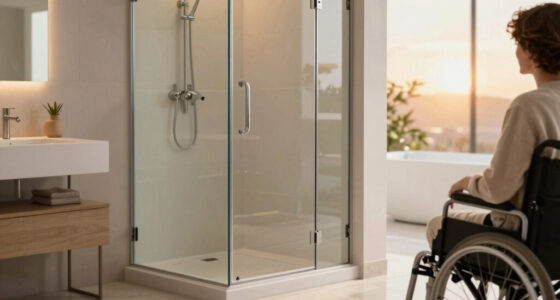
Wider doors, transfer-friendly layouts, adjustable seats, and easier controls serve a broader range of mobility needs.
Efficient materials
Energy-conscious systems and durable, lower-impact materials can reduce operating costs and environmental burden.
Protect safety, seals, and service life
Routine attention prevents soap buildup, slow drainage, damaged seals, and unnoticed mechanical issues from becoming costly problems.
Choose around the person, not the feature list.
What Makes a Walk-In Tub Safer and More Comfortable?
Walk-in tubs are designed with safety in mind. They feature a low threshold door that lets you step in without lifting your legs high—imagine slipping into a cozy chair instead of climbing over a wall of water. Non-slip surfaces and sturdy grab bars give you stability, even if your balance isn’t perfect.
Many models include ergonomic seats, adjustable water temperature controls, and soothing jets that turn bath time into a relaxing experience. For example, a senior recovering from surgery might appreciate a built-in hydrotherapy feature that eases muscle tension and reduces pain.
In real-world use, a walk-in tub means fewer worries about slipping or falling—making daily bathing safer and more comfortable, especially for those with limited mobility.
Understanding these features is crucial because they directly impact your safety and comfort. For instance, a tub with non-slip surfaces reduces fall risk, which is a leading cause of injury among seniors. Grab bars provide added stability, but their placement and sturdiness matter—poorly installed bars can be ineffective or even dangerous. Ergonomic seats prevent strain and fatigue, especially for those with joint issues. Recognizing these tradeoffs helps you choose a model that genuinely enhances your safety and enjoyment, rather than just ticking boxes on a feature list.
The Latest Innovations Making Walk-In Tubs Better Than Ever
Walk-in tubs have come a long way. Today, some models integrate smart technology—think digital controls, remote operation, and emergency alerts that connect to your phone. This means you can start filling your tub or call for help with a tap, even from another room.
Energy-efficient designs minimize water and power use, saving you money on bills. Plus, eco-friendly materials and faster drainage systems reduce environmental impact and wait times.
Customization options are expanding, too. Widened doors for wheelchair access, adjustable seats, and even heated seats or water make the experience more tailored and luxurious. It’s like having a spa at home, built with your needs in mind.
These innovations matter because they directly influence safety, convenience, and overall user satisfaction. For example, emergency alert systems can be lifesaving for users with mobility or cognitive issues, providing peace of mind. Eco-friendly and energy-efficient features reduce ongoing costs and environmental impact—important considerations as sustainability becomes a priority. Customizable options allow you to adapt the tub to your specific needs, which can be a game-changer for comfort and accessibility. Being aware of these advancements helps you weigh the tradeoffs between high-tech features and cost, ensuring you select a model that balances safety, functionality, and affordability.
How Much Do Walk-In Tubs Cost and What’s Involved?
Expect to spend between $3,000 and $10,000 for a walk-in tub, including installation. The price depends on size, features, and whether you need bathroom modifications. On average, installation takes about 1 to 2 days.
For example, a basic model with standard hydrotherapy costs around $4,000, while a high-tech, wheelchair-accessible tub might push toward $10,000. Remember, investing in quality and safety features can make a big difference in long-term satisfaction.
Understanding the costs and installation process is essential because it influences your overall budget and satisfaction with the final outcome. A lower-cost tub might save money upfront but could lack important safety features or durability, leading to higher repair or replacement costs later. Conversely, more advanced models with tech upgrades or accessibility features tend to be pricier but offer greater safety and convenience, which can be worth the investment. The installation process itself involves plumbing, electrical work, and possibly minor renovations—knowing what to expect helps you plan and avoid surprises, ensuring the project proceeds smoothly and safely.
Key Features to Look For When Picking a Walk-In Tub
- Low threshold door: Easy entry without lifting your legs.
- Non-slip flooring: Prevents slips and falls.
- Grab bars and seats: For stability and comfort.
- Hydrotherapy jets: For muscle relief and relaxation.
- Smart tech options: Emergency alerts, remote controls, digital displays.
For instance, if you have limited hand strength, models with easy-to-operate controls and sturdy grab bars are essential. Always check if the tub’s size fits your bathroom and if the plumbing setup is compatible.
Choosing the right features isn’t just about adding bells and whistles—it’s about ensuring the tub meets your specific safety and convenience needs. For example, a tub with hydrotherapy jets can provide therapeutic benefits, but if you have sensitive skin or certain medical conditions, you might prefer models with adjustable jet intensity or fewer jets. Similarly, smart tech options can enhance safety, but they require reliable connectivity and user-friendly interfaces. Space constraints and plumbing compatibility are practical considerations that can limit your choices or necessitate additional modifications. Understanding which features matter most based on your health, mobility, and bathroom layout helps you make an informed decision that genuinely improves your bathing experience.
Maintenance Tips to Keep Your Walk-In Tub Safe and Lasting
Keeping your walk-in tub in top shape is straightforward. Regularly clean the surfaces with non-abrasive cleaners, check seals for leaks, and inspect mechanical parts like drain valves. A quick wipe-down after each use prevents mold and soap scum buildup.
For example, if you notice water isn’t draining quickly, it might be time to clean the drain or check for blockages. Addressing small issues early prevents costly repairs and keeps your tub safe for daily use.
Annual professional inspections are important because they can identify potential issues—like worn seals or electrical components—that might not be obvious during routine cleaning. Catching these problems early can prevent leaks, malfunctions, or safety hazards, thereby extending your tub’s lifespan well beyond a decade. Proper maintenance not only safeguards your investment but also ensures your safety and peace of mind during every bath.
Are Walk-In Tubs a Good Choice for Everyone?
Walk-in tubs are ideal for many, but not everyone. They are especially beneficial for seniors, people with mobility issues, or those recovering from injury. However, individuals with certain medical conditions or limited space should consult a healthcare professional or contractor first.
For example, if you have severe arthritis, the ease of stepping into a walk-in tub might outweigh the initial cost and space considerations. But if your bathroom is tiny or plumbing is outdated, alternative solutions like walk-in showers might be better.
Evaluating your specific needs and constraints is essential because a walk-in tub, while helpful, might not be suitable for all situations. For some, the benefits in safety and independence outweigh the costs and space requirements, but for others, the investment may not be justified or feasible. Consulting with professionals ensures you choose a solution that aligns with your health, home layout, and budget, avoiding costly mistakes or unmet expectations.
Frequently Asked Questions
Are walk-in tubs safe for people with limited mobility?
Yes, walk-in tubs are designed with safety features like low thresholds, grab bars, and non-slip surfaces. However, individuals with specific medical conditions should consult their healthcare provider to ensure suitability.
How long does it take to install a walk-in tub?
Most installations are completed within 1-2 days, depending on bathroom modifications needed. Proper planning and professional installation help ensure safety and compliance.
Can I retrofit my existing bathroom with a walk-in tub?
Many models are designed for retrofit, but space limitations and plumbing considerations matter. A professional assessment can determine if your bathroom can accommodate a walk-in tub.
What ongoing maintenance does a walk-in tub require?
Regular cleaning, seal checks, and mechanical inspections help keep your tub safe and functional. Addressing minor issues early prevents costly repairs and extends lifespan.
Are walk-in tubs covered by insurance or Medicare?
Coverage varies by provider and circumstances. Some insurance plans or Medicare may cover part of the cost if a doctor prescribes the tub for medical reasons. Consult your insurer for details.
Conclusion
A walk-in tub doesn’t just upgrade your bathroom—it restores independence and dignity. When designed with safety and comfort in mind, it turns a simple daily task into a moment of peace and self-care.
Think of it as a small but powerful step towards a safer, more accessible home. Your next bath could be your best one yet—easy, relaxing, and worry-free.