
TL;DR

Get everyday helpers delivered free with Prime
- Fast, free delivery on millions of items
- Prime Video, Amazon Music and more included
- Member-only deals all year
Smart home devices make independent living safer and more manageable. From voice-activated controls to fall detection, these tools help maintain autonomy and peace of mind.
Imagine a home that senses your needs before you even ask. A place where lights turn on automatically, your medications are reminded to you, and help is just a voice command or a button away. That’s the promise of smart home devices supporting independent living.
These devices aren’t just gadgets; they’re practical tools that can transform daily life, making it safer, easier, and more comfortable. Whether you’re aging in place or caring for someone with mobility challenges, understanding what’s available can open new doors to autonomy and peace of mind.
Prioritize user-friendly, compatible devices with strong privacy protections.
Smart safety devices like fall detectors can drastically reduce injury risks and provide peace of mind.
Start small—add automation and health tech gradually to build a supportive, manageable system.
Integration across platforms simplifies control and enhances reliability.
Technology is advancing fast; staying informed helps you choose the best solutions for independence.
What makes smart home devices essential for independent living?
Smart devices designed for independence focus on three main areas: safety, ease of use, and health support. They’re built to be intuitive, often with voice control, so users don’t need to wrestle with complex interfaces.
For example, a senior might use voice-activated lights to avoid fumbling in the dark or a smart doorbell that shows who’s outside without having to get up. These tools reduce reliance on others, giving users more control over their environment.
By prioritizing these features, smart devices help mitigate common risks associated with aging or mobility challenges, such as falls or forgetfulness. However, tradeoffs include potential privacy concerns and the need for reliable internet connectivity, which must be balanced against the benefits of automation and remote monitoring.
As an affiliate, we earn on qualifying purchases.
How do smart security and safety devices protect your independence?
Smart security systems like cameras, door/window sensors, and motion detectors keep a close eye on your home. They alert you or caregivers immediately if something’s amiss—like an open window or unexpected movement.
Fall detection wearables and emergency alert buttons add another layer. For instance, a wearable can recognize a fall and automatically notify emergency contacts within seconds. This rapid response is crucial because delays in assistance can lead to more severe injuries or complications.
Recent data shows that advanced fall detection devices now boast over 95% accuracy, but they also require proper fitting and regular maintenance to ensure reliability. These devices are vital because they can dramatically reduce the time it takes to get help after an incident, which is often the difference between minor injury and serious harm. However, they also raise privacy concerns, as constant monitoring can feel intrusive, and false alarms can cause unnecessary worry or emergency responses. Balancing safety with privacy is essential to maintain trust and effectiveness of these systems.
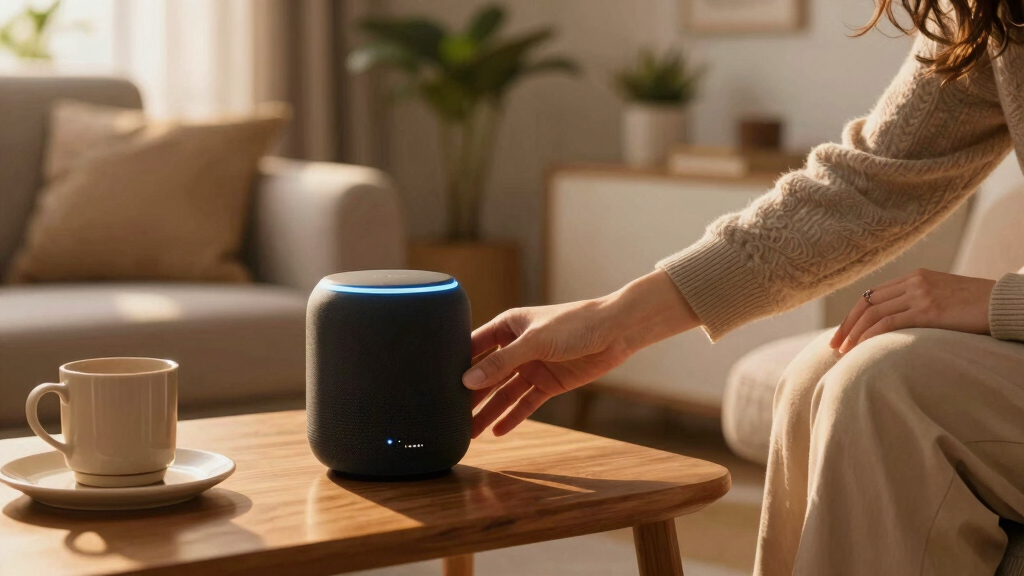
voice-activated emergency alert system
As an affiliate, we earn on qualifying purchases.
As an affiliate, we earn on qualifying purchases.
What are the best health-supporting gadgets for everyday independence?
Health monitoring isn’t just for hospitals anymore. Wearables like smartwatches or fitness bands track vital signs—heart rate, oxygen levels, even sleep patterns. They can send alerts if something’s outside normal ranges, allowing early intervention that can prevent more serious health issues.
Medication management is another breakthrough. Smart dispensers remind users when to take pills and can even alert caregivers if doses are missed. This is especially important because missed medications or incorrect dosages can lead to health deterioration, hospitalizations, or dangerous drug interactions. These devices support consistent medication adherence, which is critical for managing chronic conditions.
However, users should consider the privacy tradeoff—continuous health data collection can be sensitive. Data security and user consent are vital, as breaches could compromise personal health information. Additionally, reliance on these devices requires regular maintenance, such as charging and updates, which could be barriers for some. Despite these challenges, the ability to monitor health proactively can significantly improve quality of life and independence.
smart security cameras for seniors
As an affiliate, we earn on qualifying purchases.
As an affiliate, we earn on qualifying purchases.
How automation makes daily life easier without losing control
Automation is the backbone of a supportive smart home. Automated lighting, thermostats, and appliances adapt to your routines, reducing effort and preventing accidents.
Picture a morning routine: lights gradually brighten, the coffee maker starts brewing, and the thermostat adjusts—all without lifting a finger. These systems can be scheduled or respond to voice commands, creating a seamless environment that feels intuitive and unobtrusive.
Automation also enhances safety by reducing hazards—such as preventing falls in poorly lit areas or maintaining optimal temperatures for health. However, reliance on automation requires careful setup and periodic checks to ensure systems respond correctly. Over-automation could risk making users overly dependent, which might hinder their ability to operate devices manually if needed. Striking a balance between automation and manual control ensures safety without compromising independence or confidence in managing the home environment.
As an affiliate, we earn on qualifying purchases.
What should you look for to pick smart devices that really support independence?
Compatibility and ease of use are key. Devices should work together seamlessly, ideally through a single app or voice assistant. They should also be simple to operate, with clear instructions and intuitive controls.
For example, choosing a smart hub compatible with Amazon Alexa, Google Assistant, and Apple HomeKit ensures flexibility and future-proofing. Features like large buttons, voice control, and straightforward setup make a tangible difference in daily usability, especially for those with visual or motor challenges.
Beyond usability, privacy and security are crucial. Devices should incorporate strong encryption, regular software updates, and transparent data policies to protect sensitive health and personal information. Investing in reputable brands and understanding their security measures can help prevent breaches and misuse of data, which is vital for maintaining trust and ensuring the system functions reliably over time.
Comparison: Basic vs. Advanced Smart Home Devices for Independence
| Feature | Basic Devices | Advanced Devices |
|---|---|---|
| Ease of Use | Simple interfaces, limited automation | Voice control, AI-driven routines |
| Safety Features | Door sensors, basic alarms | Fall detection, emergency alerts, smart locks |
| Health Monitoring | Basic fitness trackers | Wearables with vital sign tracking, medication reminders |
| Connectivity | Standalone devices | Integrated ecosystem, centralized control |
How to set up a simple smart home system in 4 easy steps
- Identify your priorities—safety, health, convenience.
- Select compatible devices that fit your needs and budget.
- Follow manufacturer instructions to connect devices to your Wi-Fi and app.
- Test everything and create routines or voice commands for daily use.
For example, start with smart lighting and a voice assistant, then add security or health devices as needed.
What’s the future of smart tech supporting independent living?
Emerging trends point to smarter, more personalized homes. AI will anticipate needs, adjusting lighting, temperature, and even medication schedules autonomously.
Wearables will become more accurate and discreet, providing continuous health insights. Integration across platforms will make managing devices even easier—think one app controlling everything seamlessly.
With these advances, maintaining independence will become more accessible and reliable, no matter your age or ability.
Frequently Asked Questions
Are smart home devices easy for seniors or disabled individuals to use?
Many are designed with simplicity in mind, featuring voice commands and large, clear controls. Providing some initial guidance can make adoption smoother, but most devices aim to be intuitive for all users.
How secure are these devices regarding privacy?
Security varies, but choosing reputable brands, updating firmware regularly, and using strong passwords greatly reduce risks. Always review privacy policies before purchasing.
Can these devices be integrated into existing homes?
Yes, most smart devices are compatible with common ecosystems like Amazon Alexa, Google Home, or Apple HomeKit, making integration straightforward without major renovations.
What is the typical cost to set up a smart home for independence?
Costs can vary widely—from under $200 for basic setups to several thousand dollars for comprehensive systems. Your needs and budget will guide the scope of your investment.
Do these devices require professional installation?
Many are DIY-friendly, especially smart bulbs, plugs, and voice assistants. More complex setups, like security systems or advanced health monitors, might benefit from professional help.
Conclusion
Smart home tech is no longer just a luxury—it’s a vital tool for anyone wanting to stay independent longer. From safety alerts to health tracking, these devices empower you to control your environment and respond swiftly to needs.
Imagine living in a home that adapts to your life—quietly, reliably, effortlessly. The right tech can turn that vision into your everyday reality.
Halloween Picks
halloween
As an affiliate, we earn on qualifying purchases.